News12 October 2026· Carbon Fiber Feed
Self-healing, recyclable carbon fiber composites advance aerospace materials
Carbon FiberAerospaceCompositesEMI ShieldingResearch & InnovationSustainabilitySupply Chain
98 articles on Carbon Fiber in Composites.
Researchers at the Indian Institute of Science developed a recyclable carbon fiber composite with a 53% increase in flexural strength and 96% strength retention after recycling.
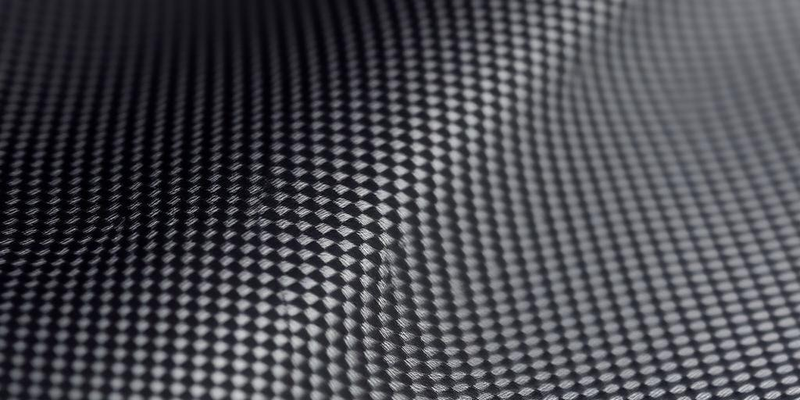
Researchers explore using carbon fiber composites to improve power distribution systems. The material's minimal thermal expansion, compared to steel, offers potential advantages in maintaining structural integrity.
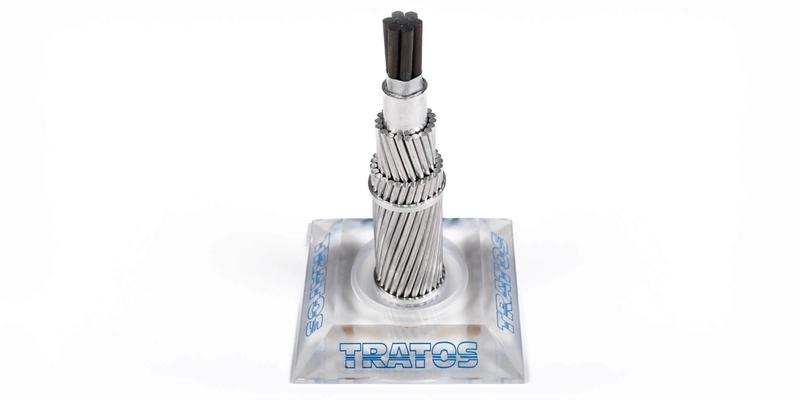
FFT Produktionssysteme's FibreTEC system reduces gripper weight by 41% compared to aluminum, enabling higher load capacity without larger robots.
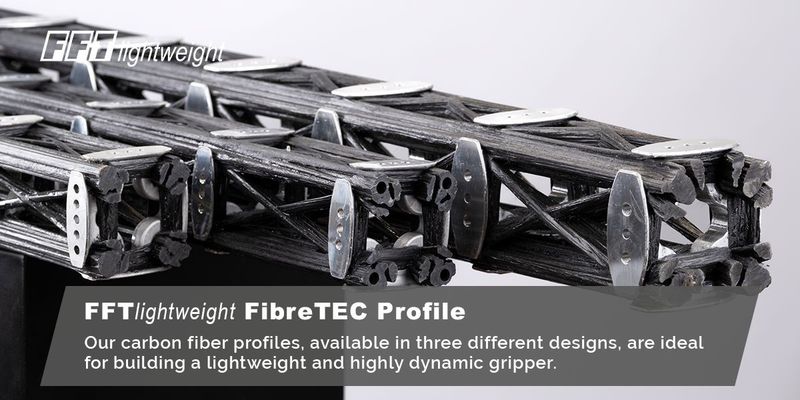
The Boeing 777-9 aircraft incorporates 53% carbon-fiber reinforced polymer in its construction, contributing to the 70% total of advanced materials used.

First Graphene and Aeropreg have signed a three-year agreement to develop and commercialise graphene-enhanced carbon fibre prepreg for aerospace and automotive markets.

A Korean research team improved the bonding strength of carbon fiber composites by 30.8% using a nanocomposite aerogel in an induction joining process.

A South Korean carbon fiber recycling start-up, Catack-H, has signed a memorandum of understanding with Lineat to develop sustainable carbon fiber composites.

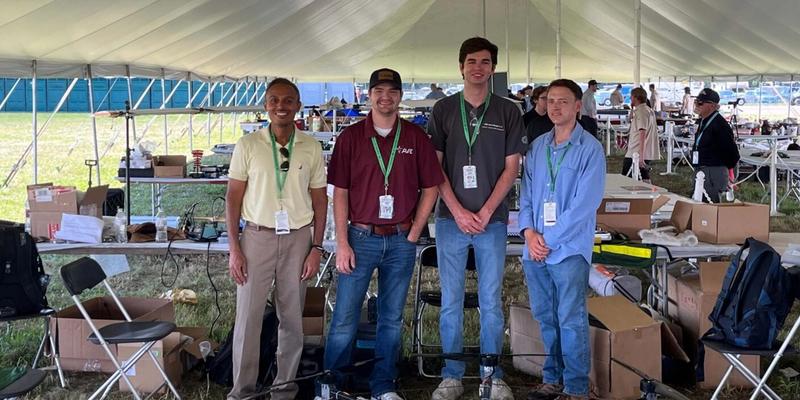
A Texas A&M student team built a six-pound carbon fiber drone that successfully lifted 110 pounds during the DARPA Lift Challenge.
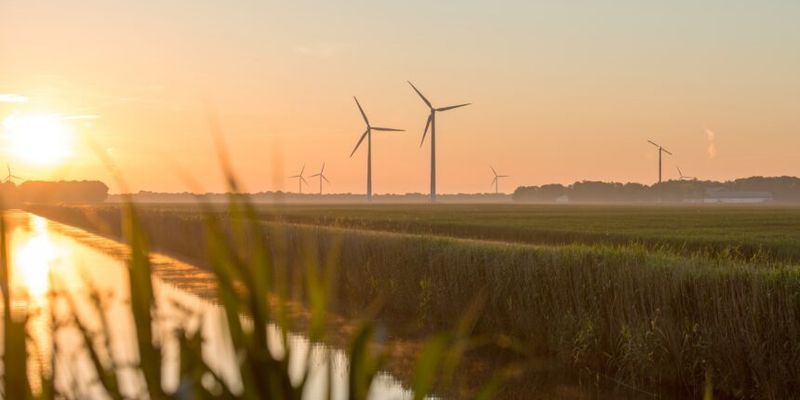
Suzlon and Exel Composites have partnered for a multi-year agreement to manufacture carbon fibre composites for wind power applications.
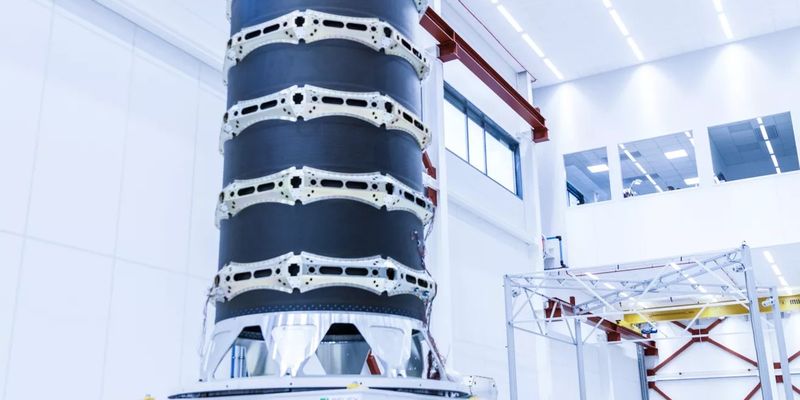
A new high-precision milling machine at Beyond Gravity's expanded Linköping facility will enable the production of 192 carbon fiber satellite dispenser modules annually.
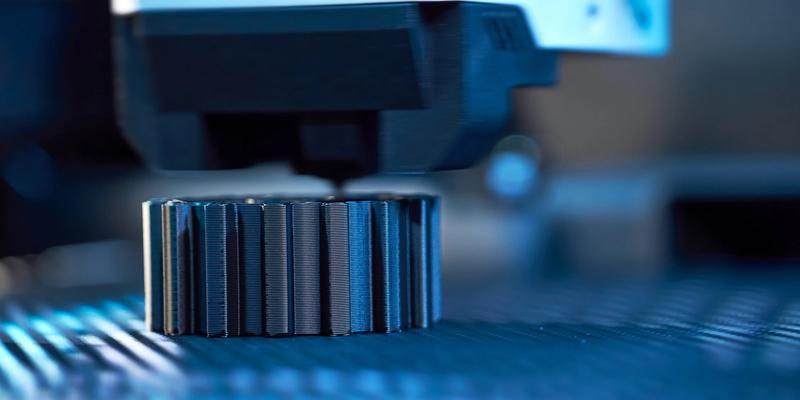
Carbon fiber nylon (PA12 CF) is identified as the strongest 3D printer filament based on tensile strength, surpassing polycarbonate.
Washington University in St. Louis researchers developed a lignin-based carbon fiber that meets automotive standards, reducing production costs by 25% and using half the petroleum-derived precursor.
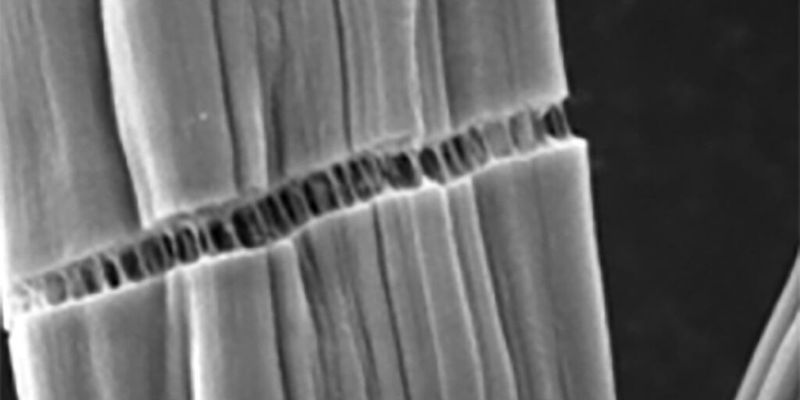
Hexcel launched HRH-10, a honeycomb core material qualified by NCAMP, at CAMX 2026, aiming to streamline development time and costs for aerospace manufacturers.
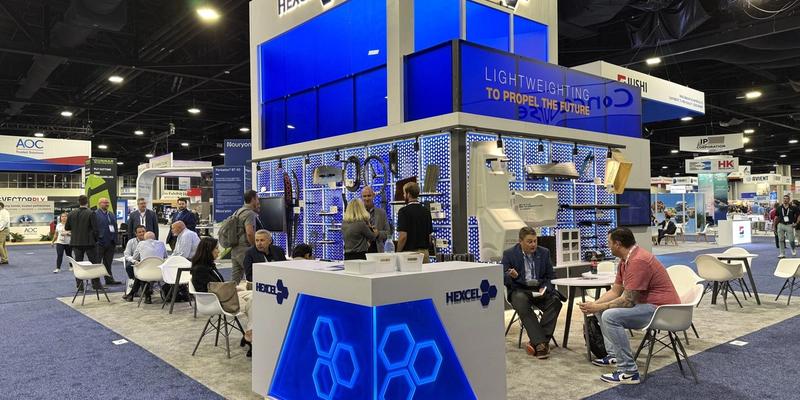
Helicon Industries is developing automated systems to enable high-volume production of carbon fiber composites.
HydroGraph UK and CEAMS have developed graphene-enhanced nylon compounds for hydrogen tank liners, aiming to improve durability and reduce costs by addressing failure modes in Type IV tanks.
The Advanced Carbons Council calls for a U.S. carbon materials innovation platform focused on standards, testing and buyer qualification. The paper links engineered-carbon supply chains to manufacturing, energy, defense and AI infrastructure. Serves as a model for governments world-wide.
ARIA is funding the development of perovskite-carbon fiber-reinforced polymer solar cells for use in stratospheric aircraft.

YongXian CarbonFiber has expanded its range of standard carbon fiber plates and tubes, targeting engineering buyers with enhanced options for various applications.
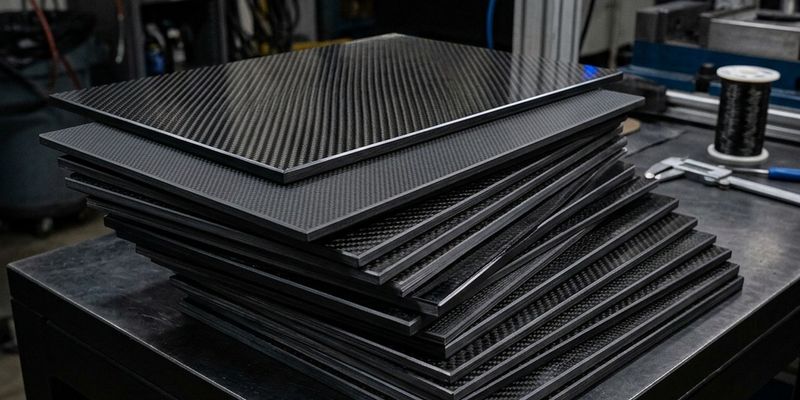
Engineers at Washington University in St. Louis developed a carbon fiber precursor using waste lignin, reducing production costs by 25% and cutting reliance on petroleum-based materials.
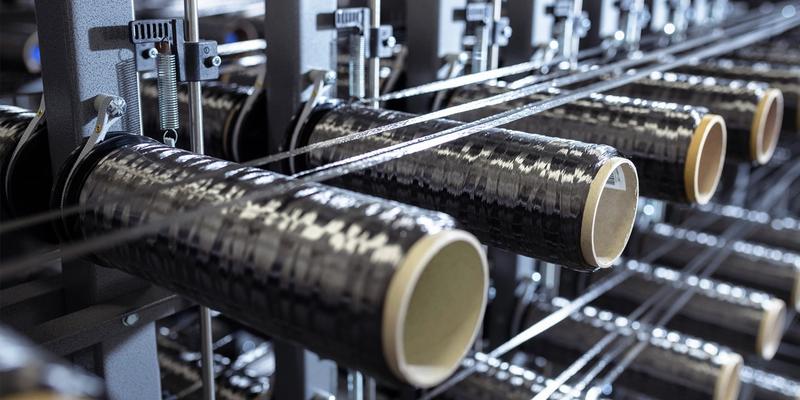
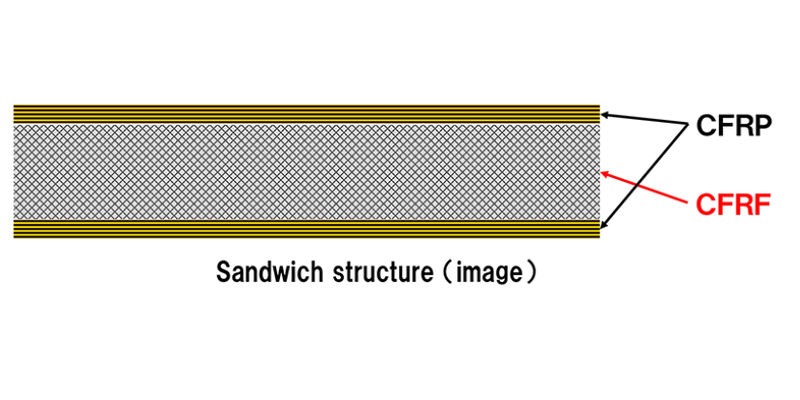
Toray Industries Inc. has created a carbon fiber-reinforced plastic that reduces X-ray radiation doses.
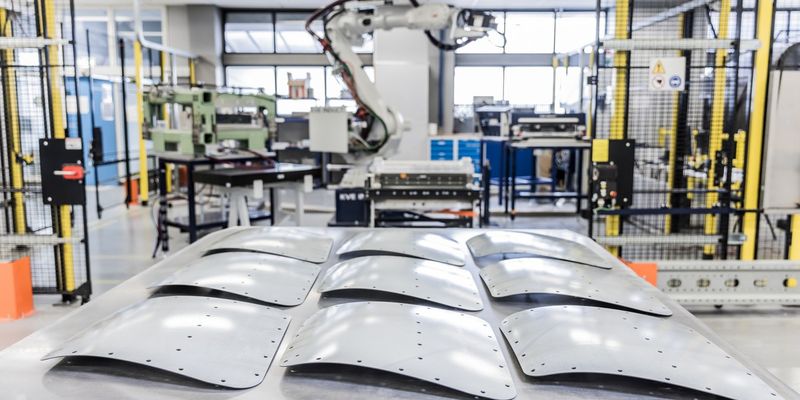
KVE has expanded its facility in The Hague by 1,800 square meters to meet growing demand for composite components in aerospace and defense, marking its 30th anniversary under Daher's ownership.
Isar Aerospace's Spectrum rocket, made with carbon fiber composites, successfully reached orbit on its second flight.

Unitree Robotics' STAR Market listing is set to enhance the use of carbon-fiber-reinforced materials in robotics.

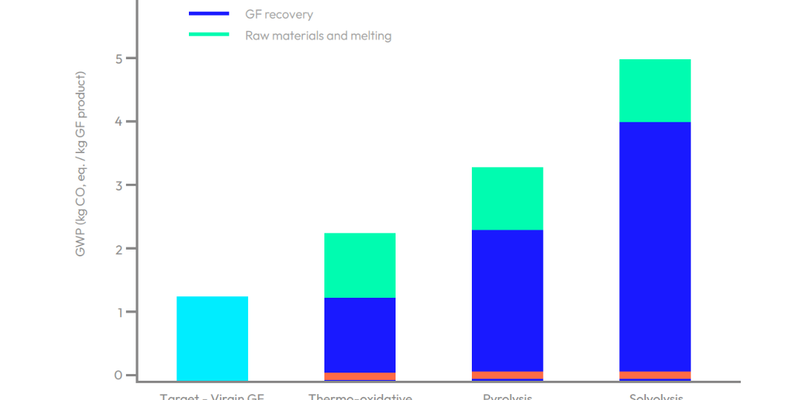
The NCC-led SusWIND program reports that recycled wind turbine blade glass fiber can achieve a carbon footprint similar to virgin fiber if recyclers improve pyrolysis efficiency and polymer recovery.
A Swedish company is recycling carbon fibre from wind turbines to produce skis.

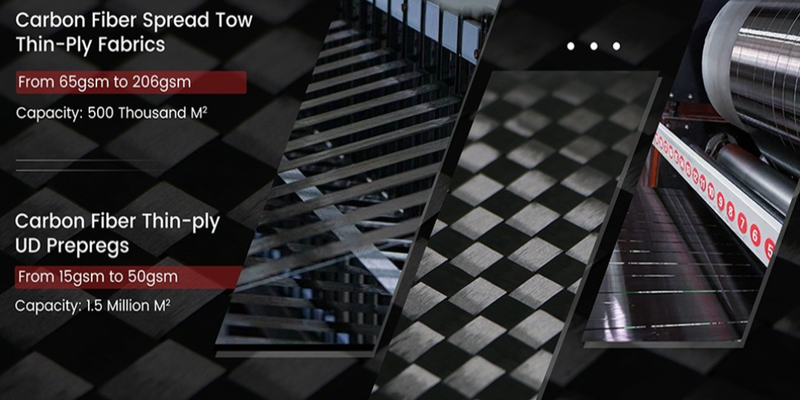
Beijing OnlyTop has developed an ultrasonic-guided process to produce thin-ply carbon fiber prepregs and fabrics from 12K and larger tows, enhancing precision in laminate design.
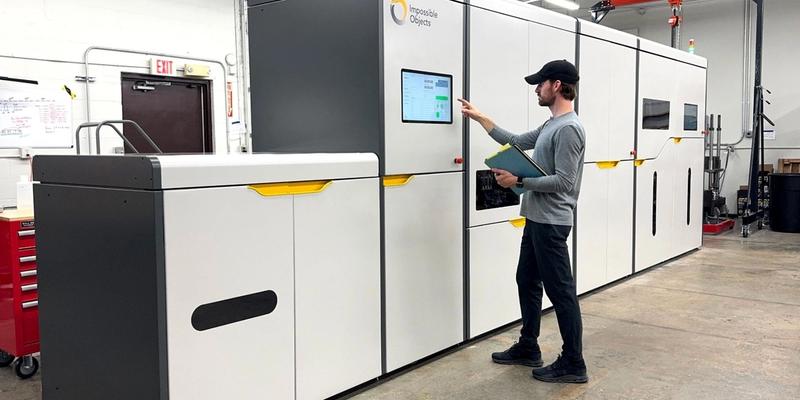
Impossible Objects secured $40 million to expand its CBAM 25 carbon-fiber 3D printing system for industrial-scale production, targeting aerospace and defense sectors with faster and stronger component manufacturing.
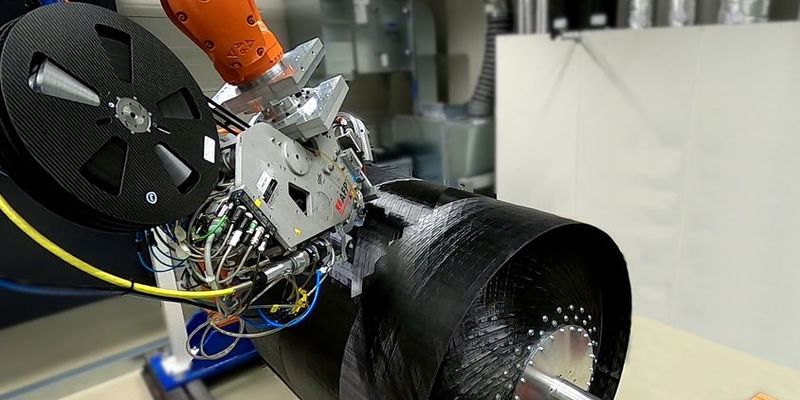
Researchers developed a 1-meter-diameter Type 5 cryogenic tank using carbon fiber/LMPAEK for hydrogen and methane storage under an ESA-funded project.
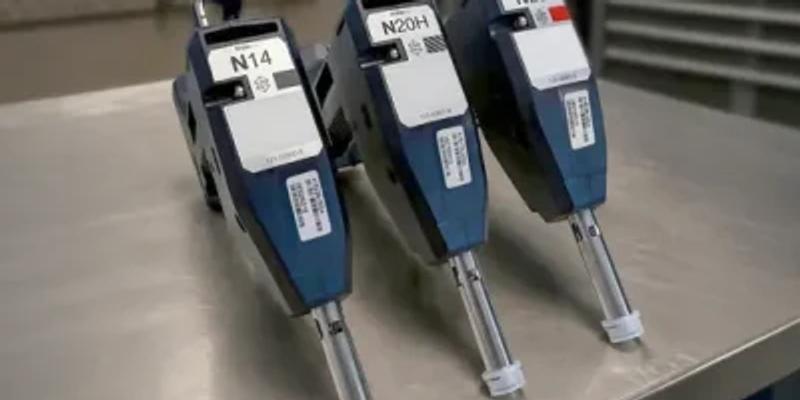
The company has expanded its capabilities in advanced insulation materials, including carbon fiber and composite materials, as part of its official product structure.
Stratasys has introduced the F870 FDM, a large-format 3D printer with a build area of 1000 by 610 by 610 mm, designed to enhance production for industrial manufacturers.
Researchers have developed a carbon fiber composite with a nanotube scaffold that withstands temperatures up to 437°C, surpassing previous void thresholds.
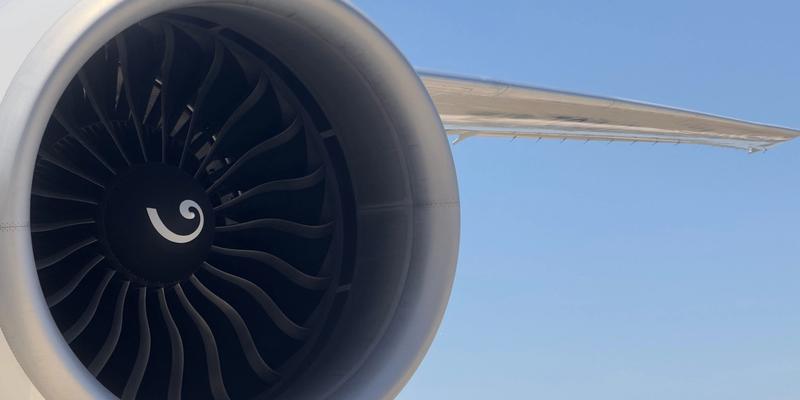
Engineers are developing new methods to reduce car weight without compromising strength, moving beyond traditional materials like carbon fiber and aluminum.
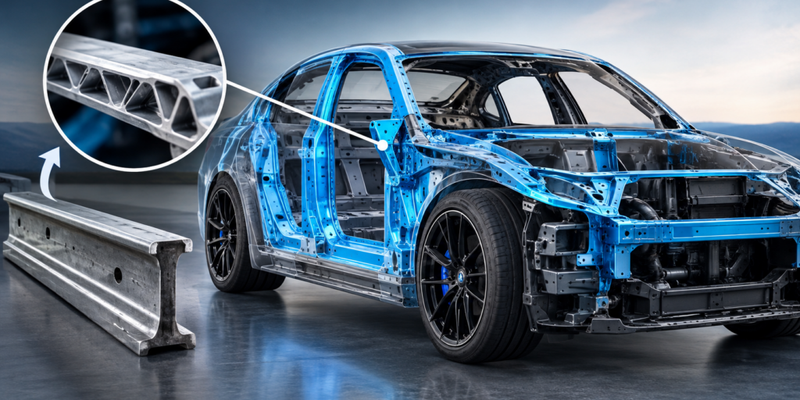
Researchers have developed a carbon-fiber reinforced plastic where fibers are encased in carbon, potentially speeding up production of hypersonic shields and rocket components.
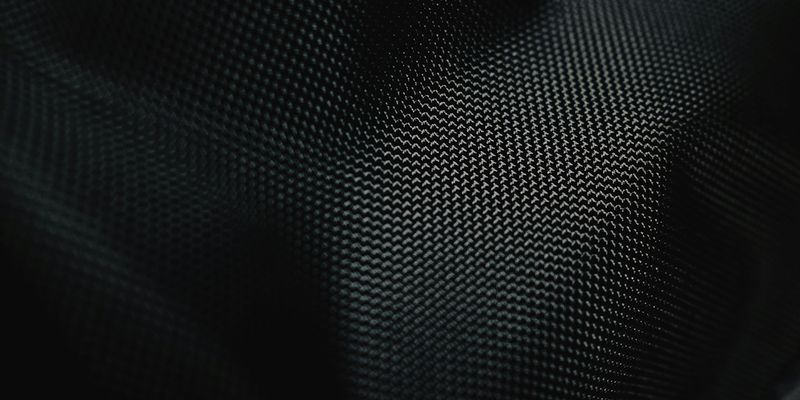
CCIC has launched a pilot line for producing ContRGF fabrics, using recycled carbon fibers for automotive and other applications. A hybrid automotive hood was demonstrated with this material.

Xenia's HM Upgrade enhances carbon fiber-reinforced thermoplastics, increasing stiffness and strength.
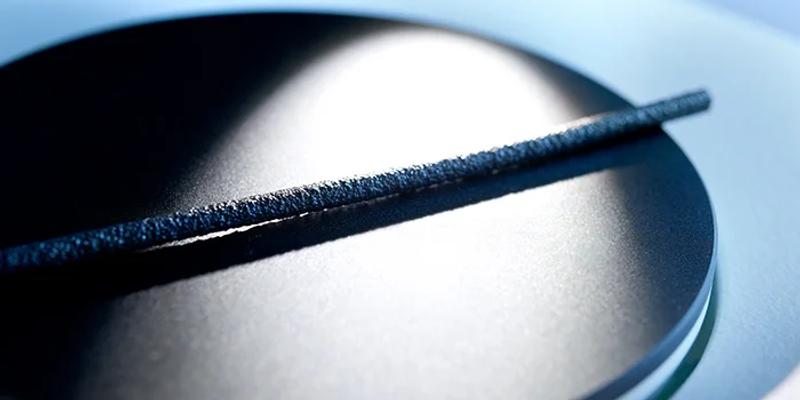
Researchers at the National University of Singapore have developed aerogels from aircraft composite waste, which may be used for insulation, noise reduction, and cleaning up oil spills.
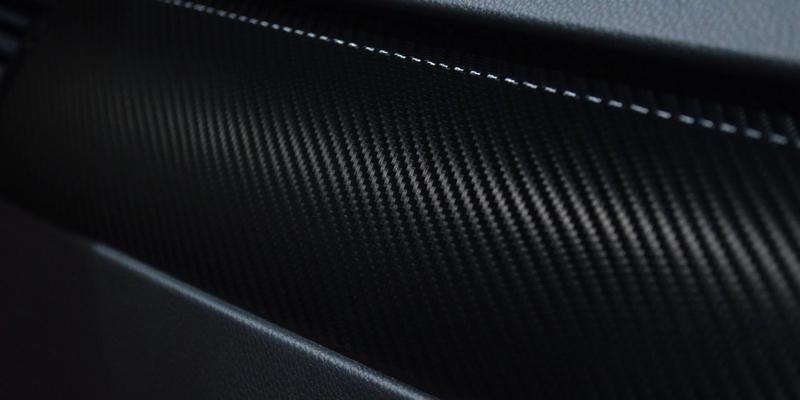
Toray, IGCS International, and Lacks Carbon Fiber have formed a partnership to collaborate on Department of Defense projects involving CFRP anisogrid lattice structures.
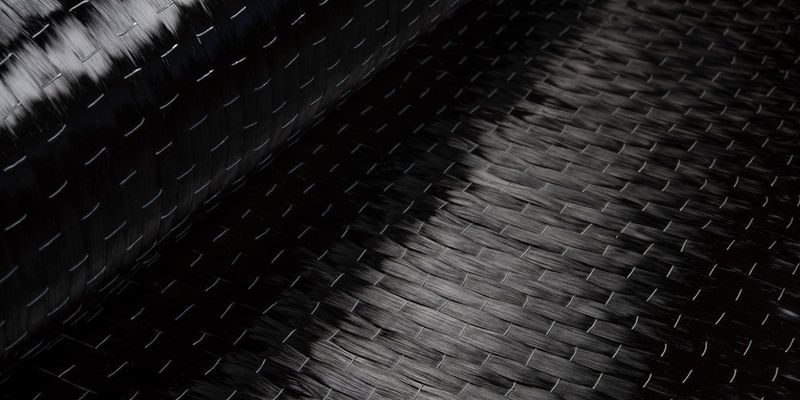
Lineat Composites is using Techlan's recycled Re-Liners to enhance sustainability in its production of aligned recycled carbon fiber.
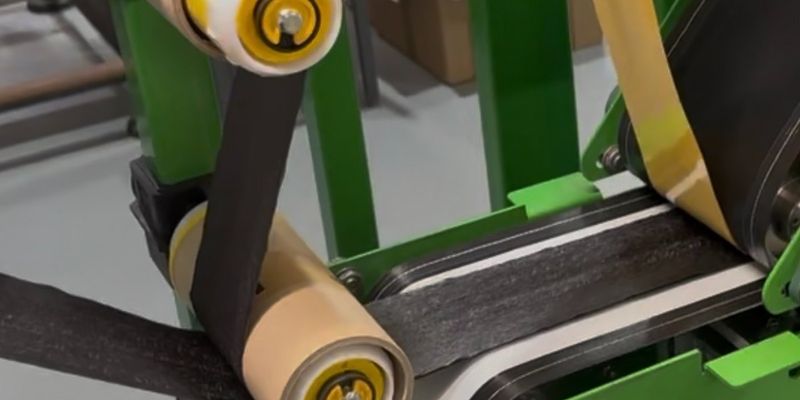
McLaren and Mercedes are exploring recycled carbon fibre for F1 components, planning to introduce a carbon fibre composite rear brake duct by 2025.
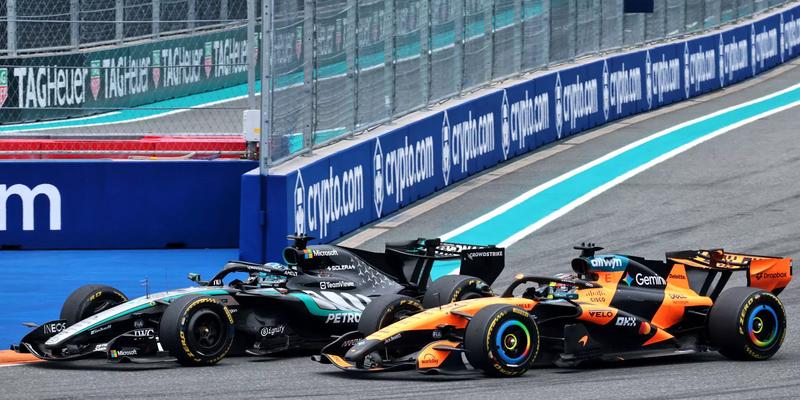
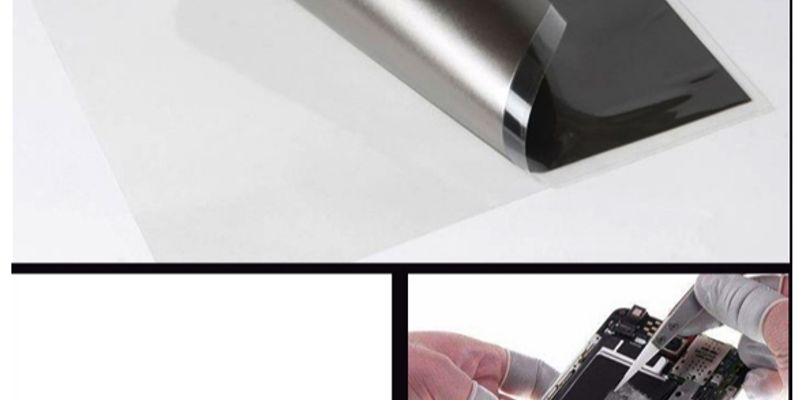
DASEN Group has expanded its multi-factory network across China and Vietnam, enhancing global supply of graphite sheets and carbon fiber products with coordinated production and R&D facilities.
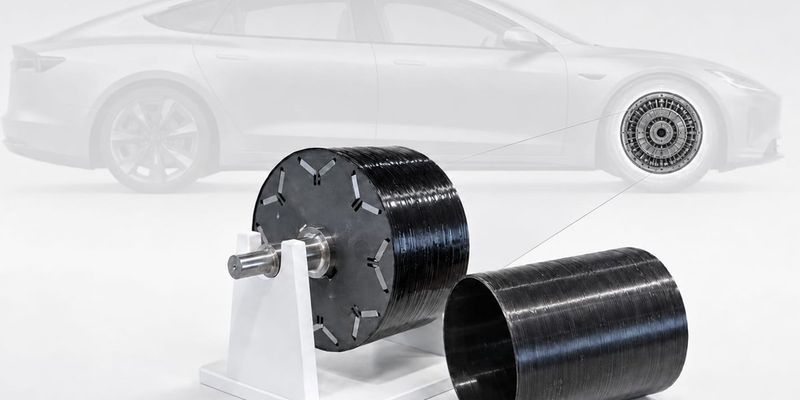
AZL Aachen GmbH is leading a consortium to benchmark CFRP rotor sleeves for electric motors, focusing on press-fit and direct-winding concepts. Production starts in August 2026.
Sinofibers has achieved a 5000 MT annual production capacity for T1100-grade carbon fiber using wet spinning, with a tensile strength of 6600 MPa for aerospace applications.
Researchers at Otto-von-Guericke University Magdeburg and MTU Aero Engines find that low gravity and vacuum change how carbon-fibre-reinforced polymers cure, challenging the assumption that terrestrial composite production transfers directly to orbit.

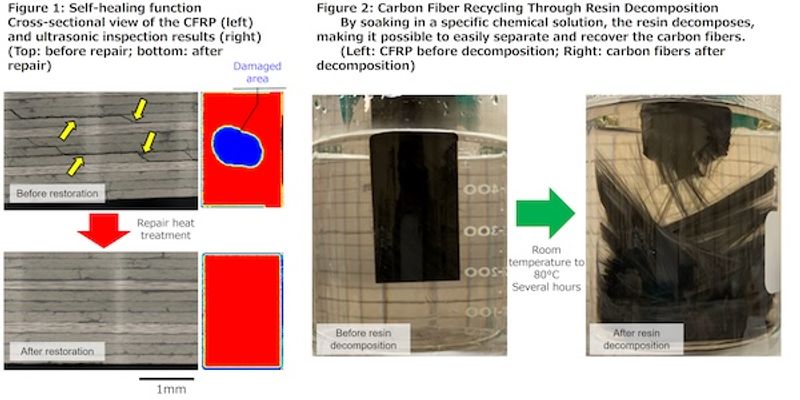
Teijin Limited has developed a thermosetting carbon fiber-reinforced plastic with a self-healing function and high recyclability, aiming to provide samples by 2028.
Researchers at Concordia University have created carbon-fiber composite wind turbine blades that are approximately 80% lighter than standard blades.
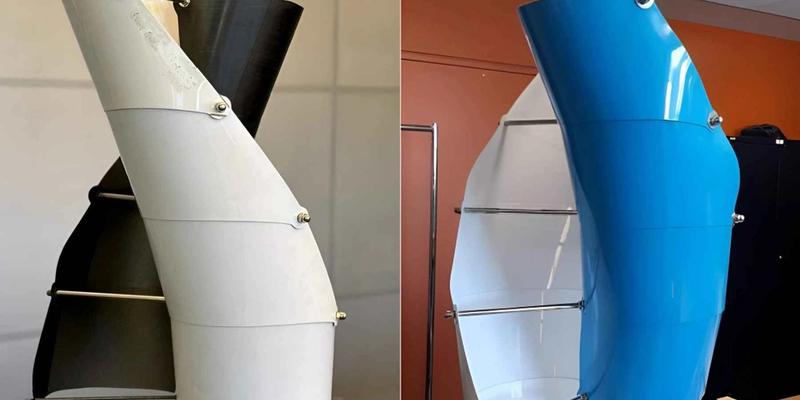
Teijin Carbon showcases rapid-cure prepregs for aerospace and defense applications at CAMX 2026.
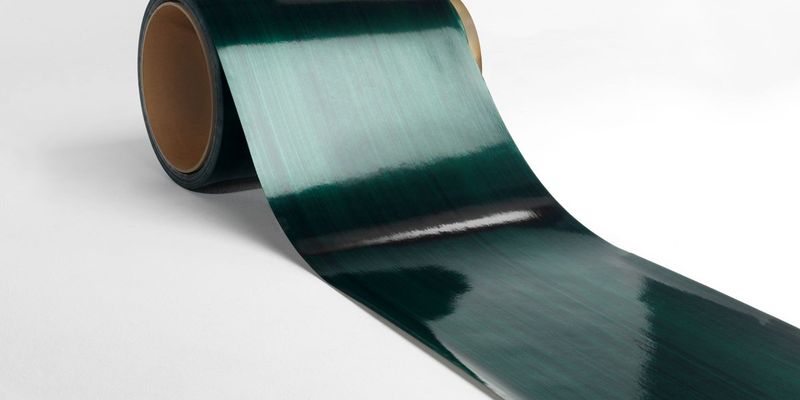
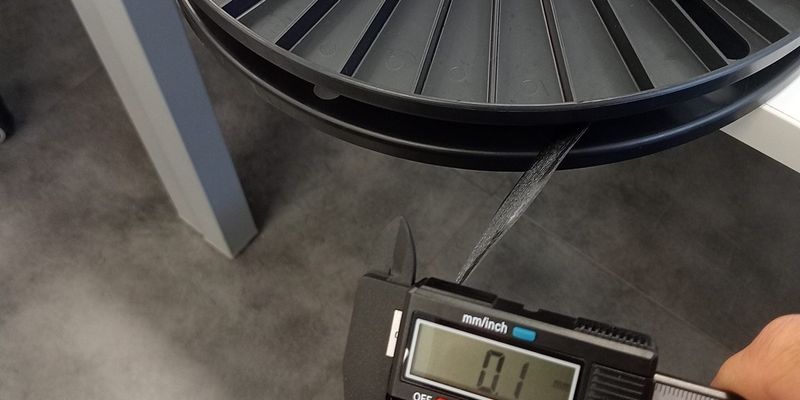
Aimplas produced lab-scale carbon fiber tapes with graphene nanoplatelets and an LMPAEK matrix for the CompSTLar project.
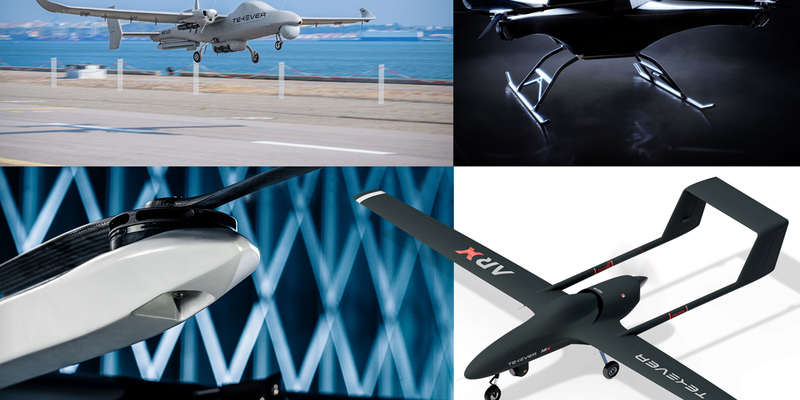
Tekever has introduced the AR6 heavy-lift drone family and broadened its collaboration with iCOMAT to boost AR5 drone production in the U.K.
MASTERMATE is advancing carbon fiber NFC technology, enabling premium smart products with seamless digital connectivity for business, luxury, and automotive applications.
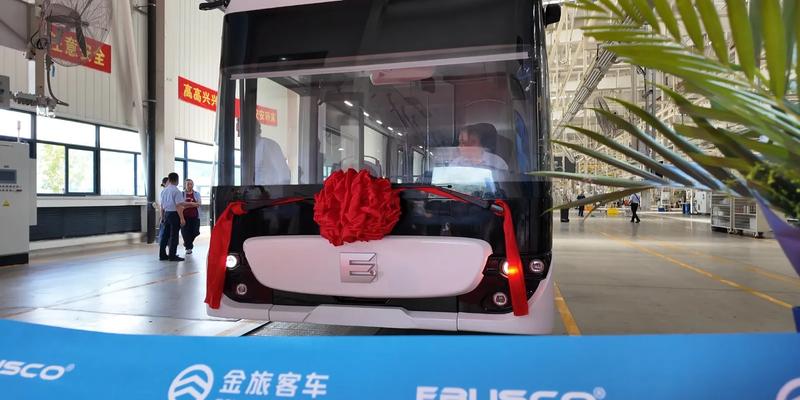
Golden Dragon and Ebusco have finished making the first carbon fiber electric bus at Golden Dragon's Longhai facility.
Hexcel has qualified its HexPly M91 carbon fiber-reinforced epoxy prepreg system as of July 21, 2026.
Lyten will supply its PA1205 nylon-based filaments for Modovolo's BFP 3D printing platform, enhancing performance with improved tensile strength and impact resistance over carbon fiber alternatives.
Researchers have enhanced the durability of Carbon Fibre Reinforced Polymer (CFRP) in aerospace structures by adding an electroformed nickel leading-edge guard.

Sora Aviation and Toray Advanced Composites will collaborate to integrate carbon fibre composites into the S-1 eVTOL aircraft.

Researchers have developed a new interface that improves the interlaminar strength of carbon fibre/epoxy composites, as reported in Progress in Organic Coatings.

Researchers at Concordia University have developed a method to shape carbon fiber wind blades without molds by curing flat carbon-fiber plies that curve upon cooling.

SHD Composites' Mooresville facility will increase Cambium's U.S. composites production capacity fourfold.
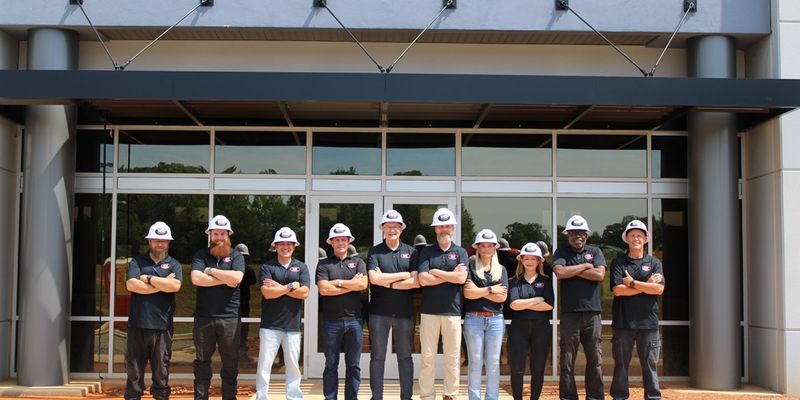
FMScarbon, a carbon fiber tube supplier in China, has achieved ISO9001:2024 certification for its quality management system.
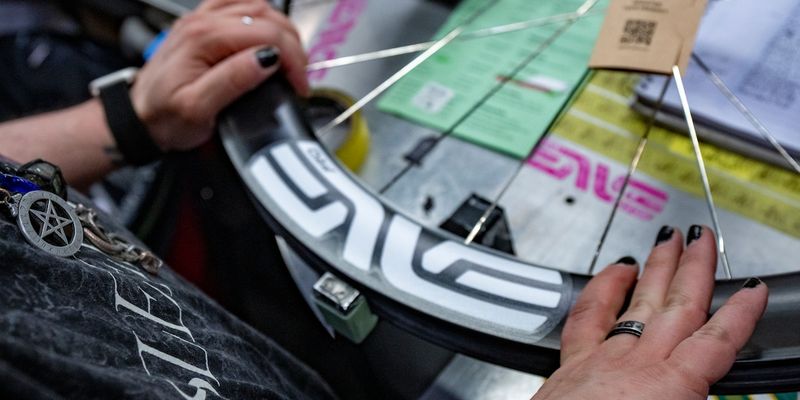
ENVE Composites in Ogden produces handmade carbon fiber wheels, now used by the Tour de France leader.
JEC World has launched a carbon fiber prototyping service in collaboration with FMScarbon to support custom B2B development projects.
Researchers incorporated carbon fiber into jute-based laminates, enhancing the mechanical performance of the composite compared to other materials.
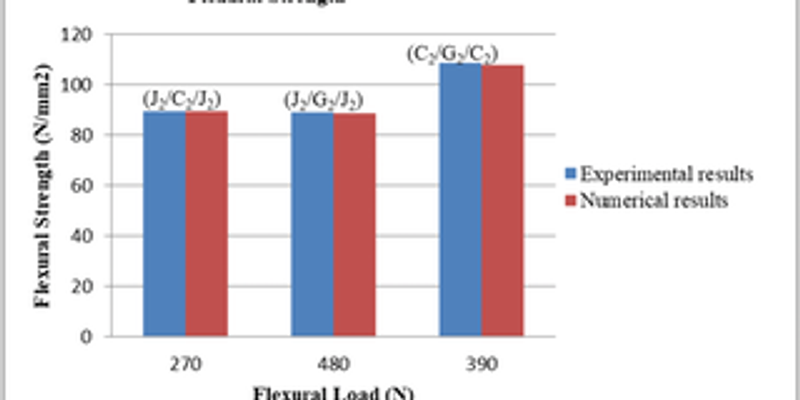
Toray Group celebrates its 100th anniversary, marking a century since its founding in Japan as a rayon producer before evolving into a leader in carbon-fiber technology. This milestone highlights Toray's long-standing impact and innovation in the carbon fiber industry, crucial for advanced composites used in aerospace and other sectors.
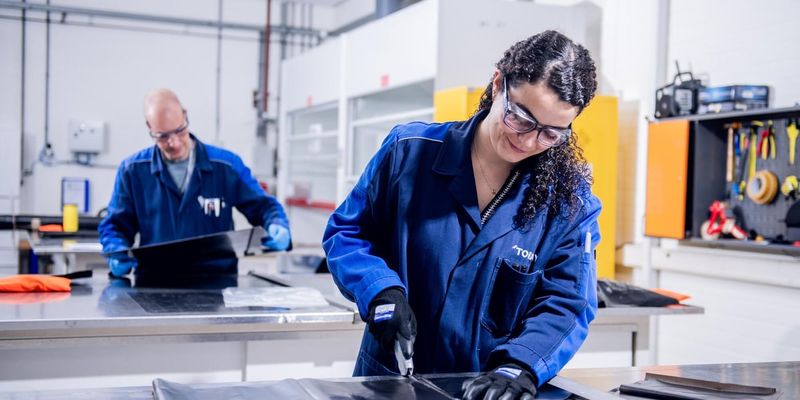
CompositesWorld reports that new composite materials marketed as PyroKarb, PyroSic, and PyroXide are narrowing the thermal performance gap between carbon fiber-reinforced polymers (CFRPs) and ceramic matrix composites (CMCs). This development is significant for applications requiring high thermal resistance, enhancing the utility of CFRPs in industries like aerospace and automotive.
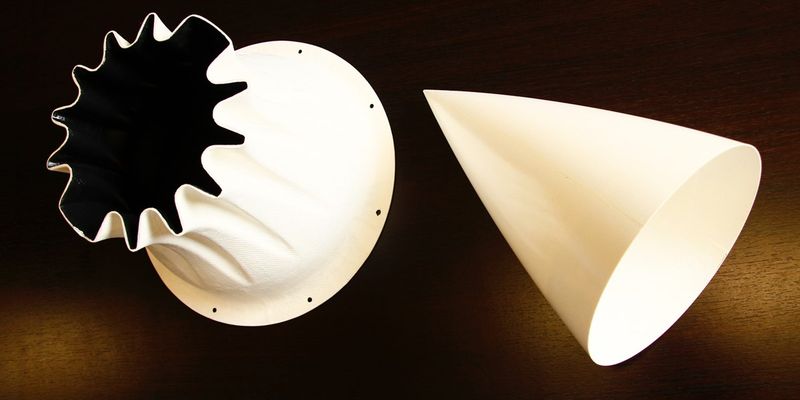
Toray has developed a radiolucent carbon fiber-reinforced plastic (CFRP) component that reduces X-ray radiation doses by 8%. This advancement enhances the use of CFRP in medical imaging applications, offering improved diagnostic precision with lower radiation exposure.
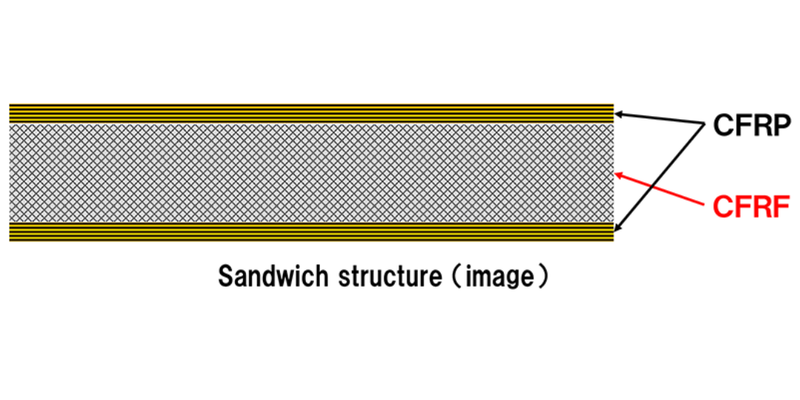
Airbus's A350 assembly process involves the carbon fiber-reinforced polymer wings traveling through four countries before completion. This highlights the international collaboration and logistical complexity involved in producing advanced carbon composite materials for aerospace applications.

Researchers at China University of Petroleum, Beijing review carbon fibre reinforced polymers in marine structures, covering buckle arrestors and the durability challenges of prolonged seawater exposure.
Firefly Aerospace has secured a $13 million subcontract from NASA's Jet Propulsion Laboratory to produce and test the aeroshell for the SkyFall Mars mission, slated for a late 2028 launch. This project will utilize carbon fiber composites for the aeroshell's backshell and heatshield, highlighting the material's critical role in protecting spacecraft during the harsh entry, descent, and landing phases on Mars.

Hexcel and TPC Technologies have expanded their product portfolio to include carbon fiber composite materials for use in commercial aircraft. This expansion is significant for the advanced carbon materials sector as it highlights the growing demand and application of carbon fiber composites in the aerospace industry.
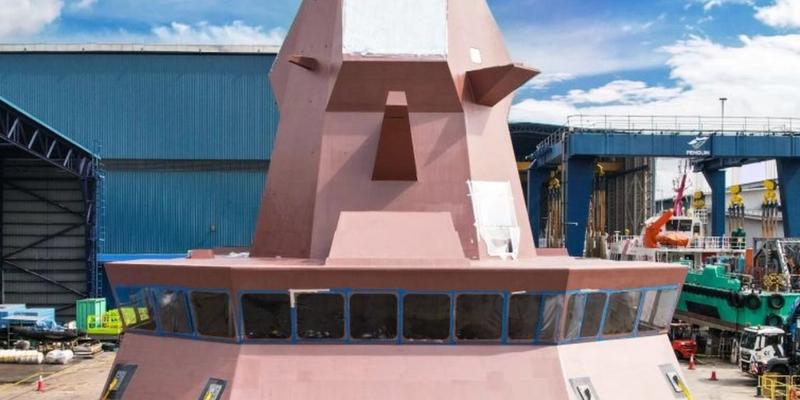
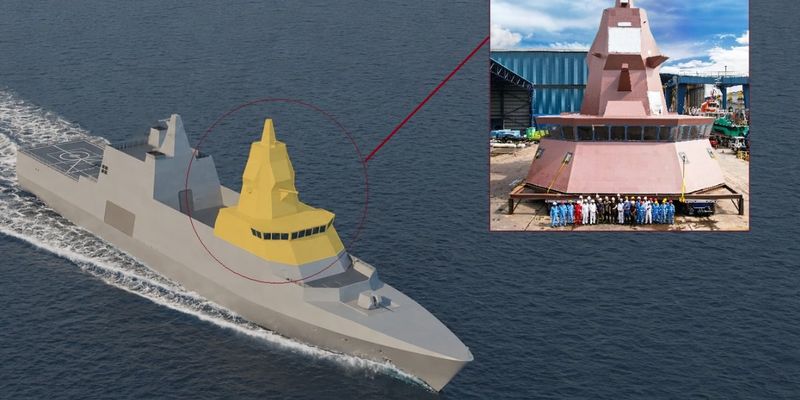
Swedish defense contractor Saab and Singapore's Penguin Shipyard International have delivered the first carbon-fiber composite superstructure for the Republic of Singapore Navy’s Victory-class Multi-Role Combat Vessel program. This integration of carbon-fiber materials into naval shipbuilding offers advantages such as reduced weight and radar cross-section, which are critical for modern combat vessel performance and efficiency.
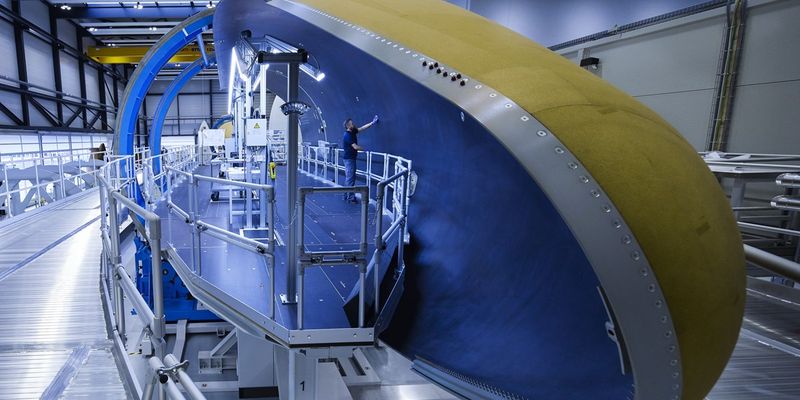
ArianeGroup has signed a contract with Beyond Gravity to supply 27 carbon fiber-reinforced polymer (CFRP) payload fairings for the Ariane 6 rocket, with deliveries starting at the end of 2026. This contract supports the increased production rate of Ariane 6 and highlights the critical role of CFRP materials in enhancing payload capacity and flexibility for the European heavy-launcher program.
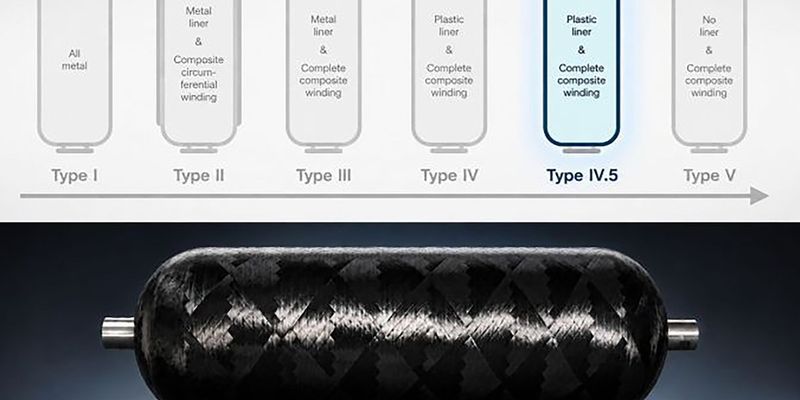
Avanco Composites has introduced a Type 4.5 pressure vessel that uses thermoplastic composites to match the polymer in the plastic liner with the matrix system in the overwrap. This fusion allows for enhanced storage solutions, particularly benefiting applications that require lightweight and efficient carbon fiber-reinforced structures.
ÉireComposites has manufactured three carbon fibre stray light baffles for the European Space Agency's Altius ozone monitoring mission. This development highlights the use of carbon fibre in aerospace applications, particularly in enhancing the performance of optical instruments.

Hexcel will present its advanced composite solutions, including carbon fiber and specialty reinforcements, at the Farnborough International Airshow. This event highlights Hexcel's capabilities in carbon fiber materials, which are crucial for lightweight and high-strength applications in aerospace.

The FURHY project, funded by the European Union's Horizon Europe program, has released three new key exploitable results, including a hybrid nonwoven material combining recycled carbon fiber and hemp fiber, as it enters its final six months. These developments are significant for the advanced carbon materials sector as they aim to create fully recyclable, bio-based composite materials with reduced carbon footprints, targeting applications in automotive and sports industries.
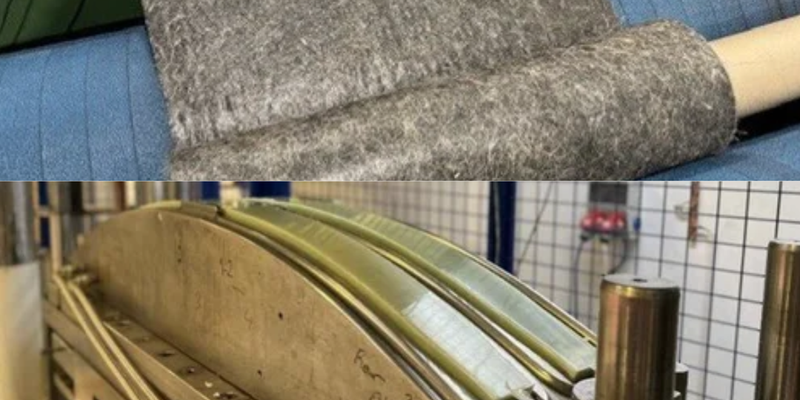
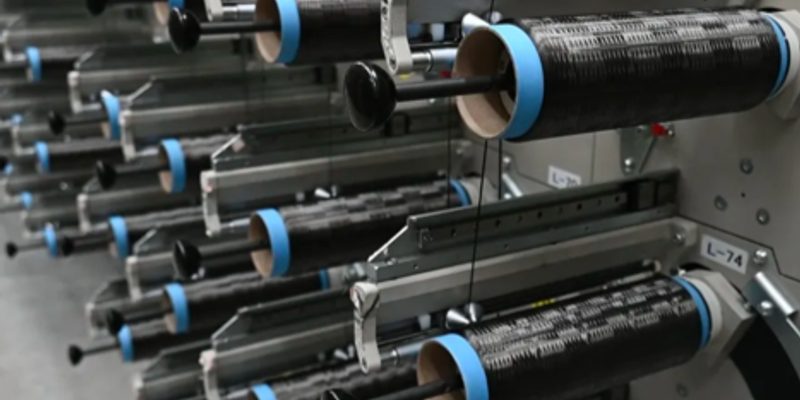
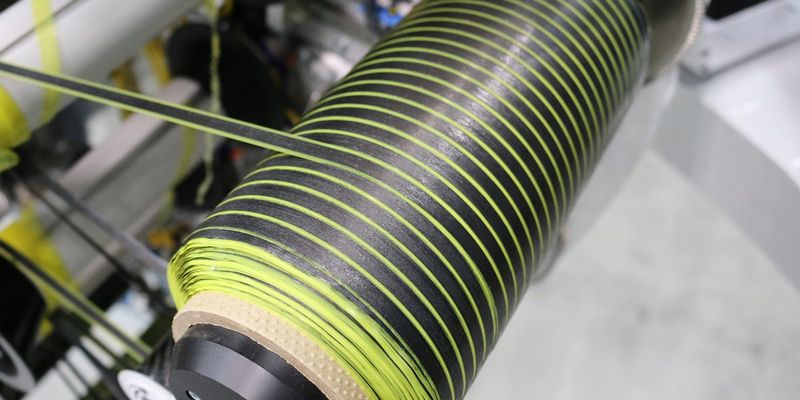
Cygnet Texkimp has introduced a 500-kilogram VHD creel to enhance carbon fiber production efficiency. This advancement is significant for the carbon fiber sector, as it allows for increased production capacity and reduced downtime in manufacturing processes.
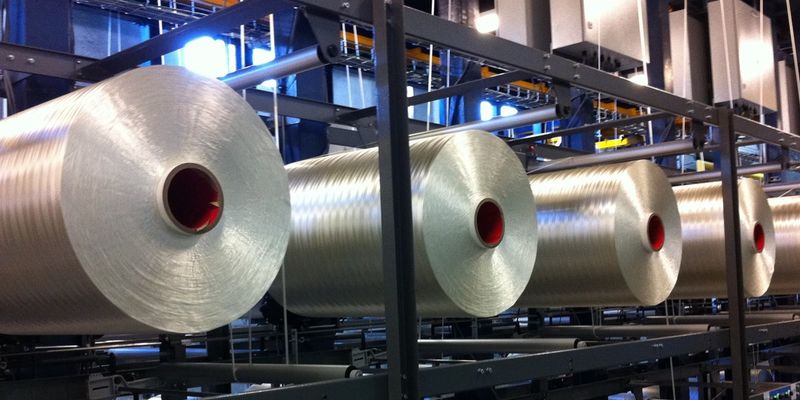
Researchers at Concordia University have developed a 4D-printing method to create curved blades for vertical-axis wind turbines from flat carbon-fibre composite panels, resulting in blades that weigh 80% less than commercial aluminum blades. This advancement could significantly reduce manufacturing costs and promote the use of lightweight carbon-fibre composites in renewable energy systems.

The Multifunctional Fuselage Demonstrator, conceived in 2014 under the EU's Clean Sky 2 initiative, is the largest welded thermoplastic composite aircraft structure ever built. A decade of its development is now under review.
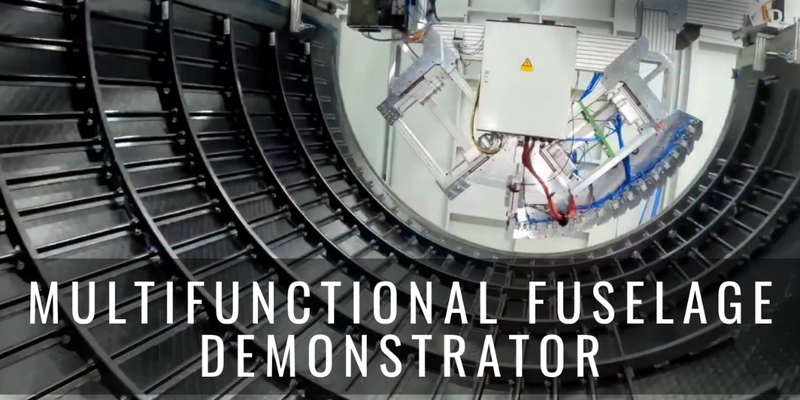
Researchers at Concordia University have developed a 4D-printing method for carbon-fibre composite panels that makes small vertical-axis wind turbine blades lighter, cheaper and easier to produce.
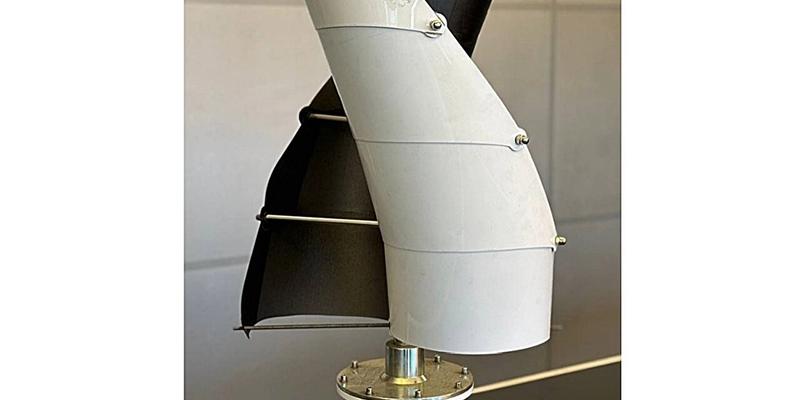
A team of University of Central Florida graduates has developed a method to convert seaweed into coatings for carbon fiber and metals at their Lake Nona materials lab. This innovation could enhance the sustainability and functionality of carbon fiber composites used in various industries.

A study of 38 steel I-beam models assesses how unbonded carbon fibre reinforced polymer strengthening affects bending performance, varying CFRP thickness, elastic modulus and type.
Penguin Shipyard International has completed and delivered the largest composite superstructure ever built in Singapore for the Republic of Singapore Navy's new Multi Role Combat Vessel, with the first of six structures handed over to Saab on June 27, 2026. The use of carbon fiber composites in the superstructure reduces weight and radar cross-section, enhancing the ship's stability and stealth capabilities compared to conventional steel designs.
A machine learning model predicts how stress evolves inside carbon fibre reinforced polymer microstructures, linking microscopic behaviour to the macroscopic performance of the composite.
Bcomp has supplied its AmpliTex biocomposites for BMW's M Concept Neue Klasse. This development highlights the potential of biocomposites as an alternative to carbon fiber, offering advantages in weight, safety, and functionality.
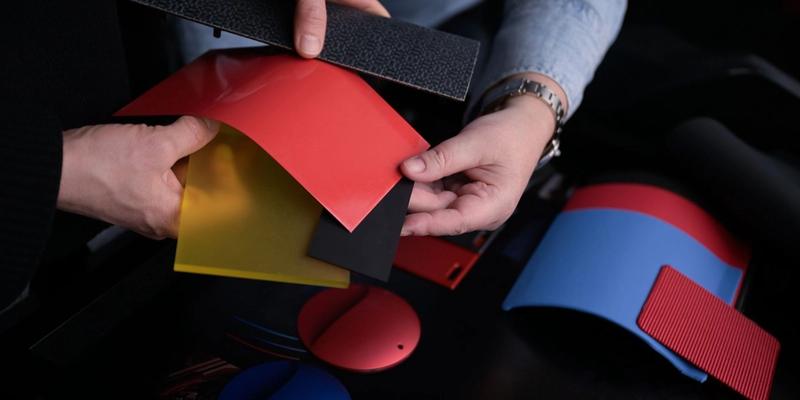
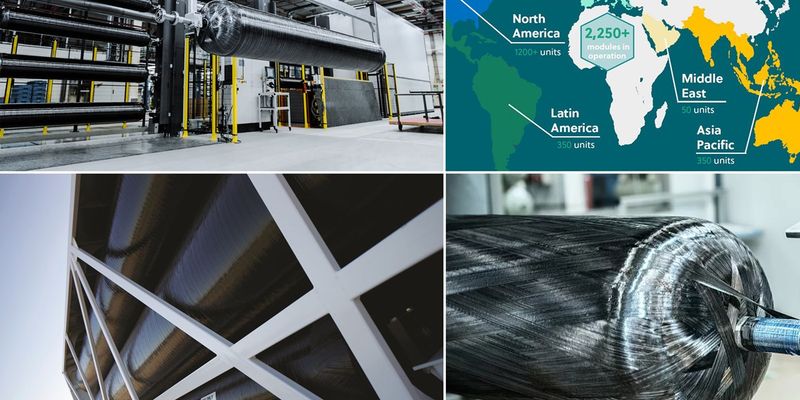
Hexagon Composites has developed larger Type 4 composite pressure vessels utilizing carbon fiber-reinforced polymer (CFRP) to meet increasing demands in data centers and space applications. This advancement in CFRP technology allows for lighter and more efficient storage solutions, crucial for industries requiring high-performance materials.
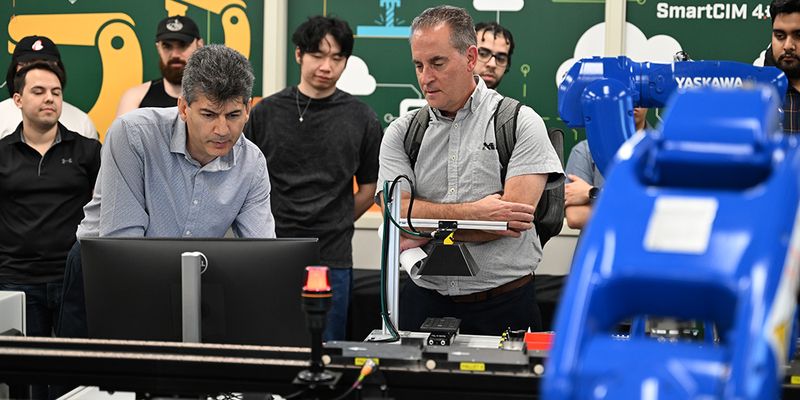
Cal Poly Pomona's College of Engineering received a $198,100 grant from the DENSO North America Foundation to fund advanced manufacturing equipment, including a large-scale carbon fiber 3D printer and an industrial multi-material printer, for student use. The addition of industrial-grade carbon fiber 3D printing at the undergraduate level expands hands-on access to composite fabrication technology that is otherwise largely confined to professional industry settings.
Toray Industries will showcase its latest advanced material solutions, including TORAYCA carbon fibre and high-performance thermoset systems, at the Farnborough International Airshow from July 20–24. These materials are crucial for meeting stringent qualification and certification requirements in aerospace, space, and defence applications, highlighting Toray's commitment to reliability and performance in critical sectors.

Zhongfu Shenying commissioned three high-performance carbon fiber production lines in Lianyungang, Jiangsu on June 28, comprising a 1,000-ton/year T1100-grade aerospace line, a 5,000-ton/year 48K large-tow line, and a 600-ton/year M40 high-modulus line, as the first phase of a CNY6 billion project targeting 30,000 tons of annual capacity. The lines expand China's domestic supply of high-grade carbon fiber across aerospace, wind energy, hydrogen storage, and EV applications, reducing reliance on foreign sources for critical materials.
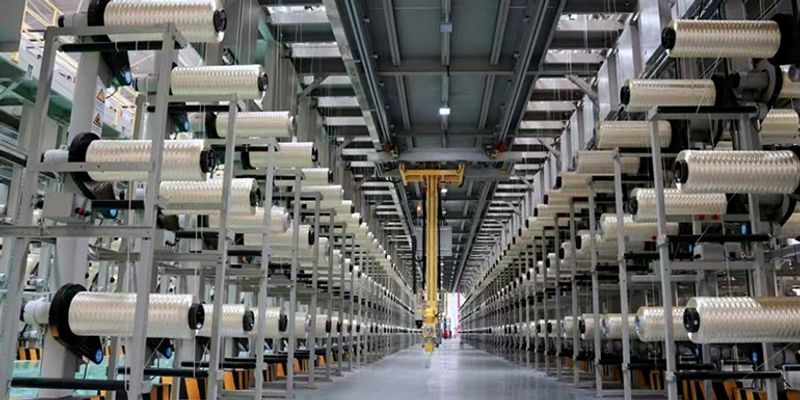
ECS Composites, headquartered in Grants Pass, Oregon, announced advances in its carbon fiber composite enclosures for military applications, claiming weight and thickness reductions of up to 50% compared to traditional fiberglass designs. The development reflects demand for lighter carbon fiber composites in defense protective systems, where weight reduction without loss of structural integrity is a key performance requirement.

Boeing and Mitsubishi Chemical Advanced Materials are testing prototype cabin sidewall panels made from pyrolysis-derived recycled carbon fiber under Mitsubishi's KyronTEX material line, while separate simulation research found a scaled-down wing spar built from recycled carbon fiber performed within acceptable stress margins compared to a virgin-fiber equivalent. Recycled carbon fiber remains limited to non-structural or secondary aerospace applications due to unresolved fiber length, alignment, and surface sizing deficiencies, with primary structural qualification requiring years of additional testing and supply chain development.
Shenzhen MASTERMATE Technology Co., Ltd., an ISO 9001-certified carbon fiber OEM/ODM manufacturer founded in 2014, produces custom carbon fiber products including drone frames, automotive parts, helmets, and jewelry for clients in over 100 countries. The company's broad custom manufacturing capabilities across autoclave molding, CNC machining, and forged carbon reflect continued demand for flexible, small-to-mid-scale carbon fiber production partnerships among global brands.
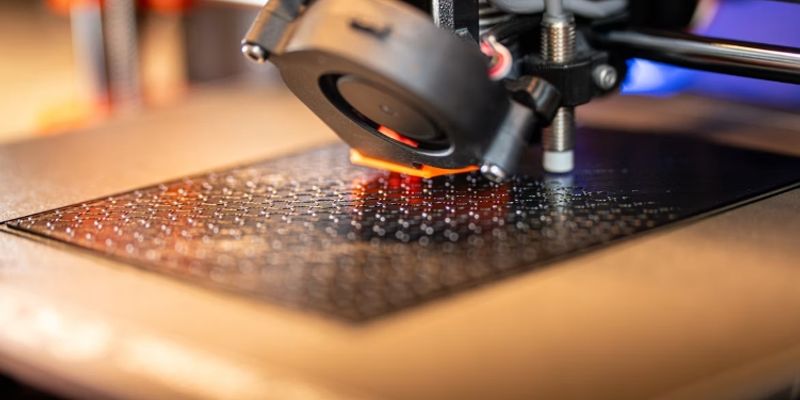
The Boeing 787 and Airbus A350 use carbon-fiber-reinforced composite materials for roughly 50% of their airframe by weight, making tail strike damage harder to detect and repair than on metal-fuselage aircraft like the Boeing 777, as illustrated by an Air France A350 that required nearly ten months of repairs after a 2024 tail strike in Toronto. For the carbon fiber composites sector, the article highlights that barely visible impact damage, complex non-destructive inspection requirements, and process-sensitive repair procedures drive significant maintenance downtime and cost, underscoring the need for advanced damage detection and repair capabilities in aerospace composite applications.

Zhongfu Shenying opened three aerospace-grade carbon fiber production lines in Lianyungang, China, reducing the country's reliance on Japanese Toray and U.S. suppliers. The expansion increases domestic supply of high-performance carbon fiber, shifting sourcing leverage away from foreign producers in a sector critical to aerospace and defense composites.
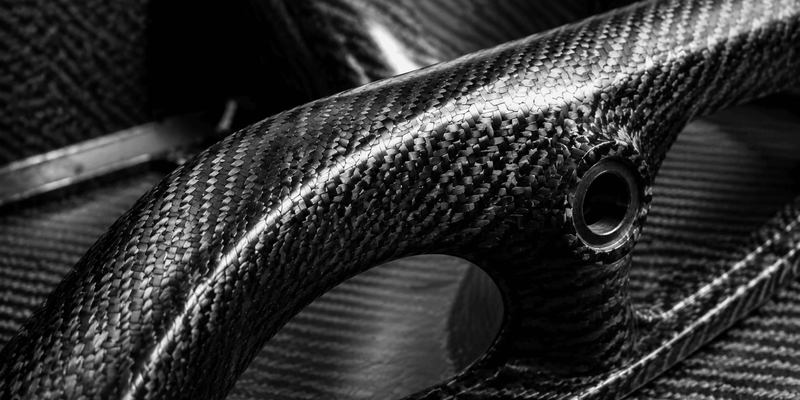
Continuous Composites secured a US Army contract to manufacture missile components using its CF3D continuous carbon fiber 3D printing technology. The contract signals growing military adoption of continuous carbon fiber additive manufacturing as a replacement for traditional winding and molding processes in structural defense applications.
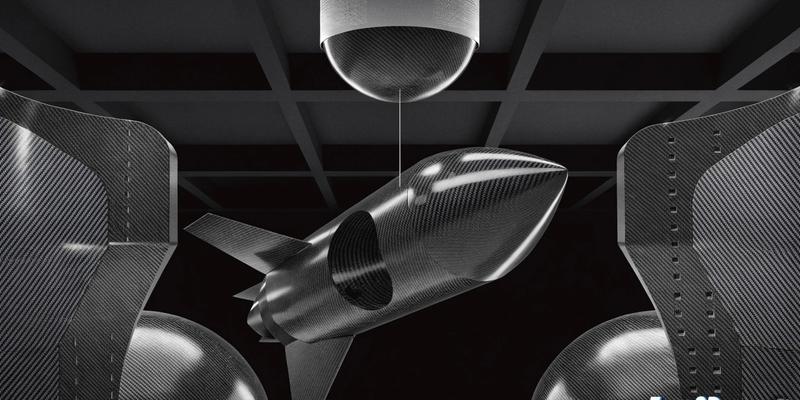
Marstrom Composite AB, a subsidiary of Scandinavian Astor Group, signed a five-year framework agreement worth approximately SEK 100 million with an undisclosed western defence company to supply structural composite components. The deal provides a long-term revenue base for Marstrom's carbon fibre composites business and signals growing demand for advanced composite structural parts in western defence programmes.

French startup Eenuee, founded in 2019 near Saint-Étienne, is developing a 19-seat blended-wing-body electric regional aircraft called Gen-ee, projecting 11 times lower energy consumption than conventional aircraft of similar size, with a first full-scale prototype flight targeted for 2029. The airframe relies on advanced carbon-fiber composites developed with Duqueine Group, making composite material performance a direct enabler of the aircraft's 40%-lighter unpressurized structure and overall efficiency claims.

Jamco joined a NEDO-led Japanese consortium—including Nagoya University, Subaru, and JAXA—to develop a circular economy supply chain for recovering and reusing CFRP from retired aircraft. The project targets a persistent gap in the carbon fiber composites sector: the lack of validated processes and standards needed to reintroduce recycled CFRP into certified aircraft components.
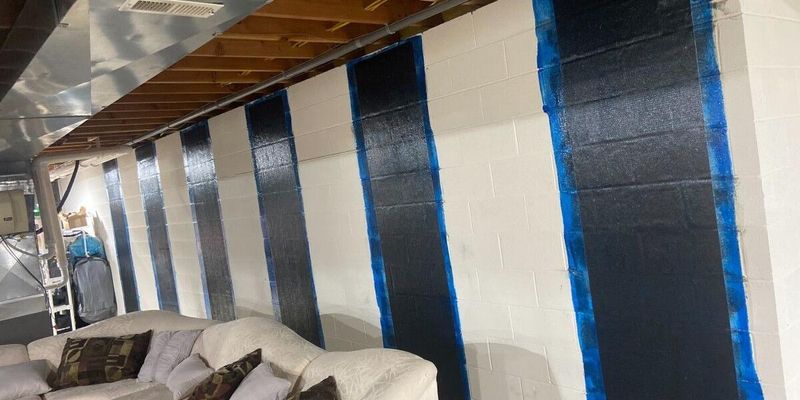
Ohio State Waterproofing published a guide on June 22, 2026, comparing carbon fiber straps and steel beams for stabilizing bowed basement walls in Ohio homes, noting carbon fiber suits moderate bowing with a 30-year lifespan while steel beams handle severe deformation and can last over 50 years. The article reflects continued demand for carbon fiber reinforcement in residential construction, where its corrosion resistance and low-invasiveness position it as a practical alternative to steel in moisture-prone foundation repair.
Terrance Barkan of The Graphene Council published a framework mapping the commercialization maturity journey of graphene through stages from discovery to mature commercialization, identifying nine recurring obstacles including capital access, regulation, standardization, and value chain complexity. The framework positions graphene as approaching proven commercial viability in multiple application areas—including composites, construction materials, and thermal management—while arguing that its "killer application" lies in broad adoption as a performance-enhancing additive across sectors rather than in any single use case.