News & Intelligence

Original reporting and market intelligence on advanced carbon materials.

Full intelligence on every material

For in-depth production methods, pricing dynamics, applications by sector, and verified company profiles, explore the ACC market reports covering each advanced carbon material.

View market reports

Materials
Coverage forConsulting and StrategyClear ×
Filtered by topic:SustainabilityClear ×
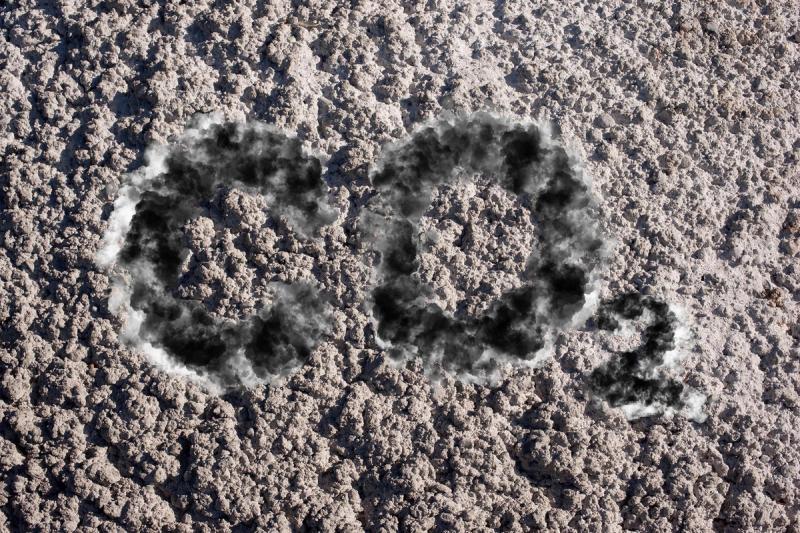
Where do we stand with CO₂ removal technologies?
News15 July 2026

Where do we stand with CO₂ removal technologies?

Researchers at the World Resources Institute report that current global CO₂ removal capacity is insufficient to meet the 2030 target of one billion tonnes, with technologies like Direct Air Capture and biochar facing high costs and scalability challenges. This shortfall impacts the advanced carbon materials sector, as these technologies are crucial for achieving net-negative emissions and supporting the sustainable use of biochar and other carbon-based solutions.

News14 July 2026

CHAR Tech welcomes Québec's $87 billion energy plan supporting biomass to renewable

The Government of Québec has announced its Plan de gestion intégrée des ressources énergétiques (PGIRE), committing $87 billion over 25 years to boost renewable energy, including forest bioenergy. This investment could significantly advance the production of renewable natural gas and biocarbon, both critical for decarbonizing industries reliant on carbon-based fuels.

Clean-water project at Hartley Nature Center shows success
News14 July 2026

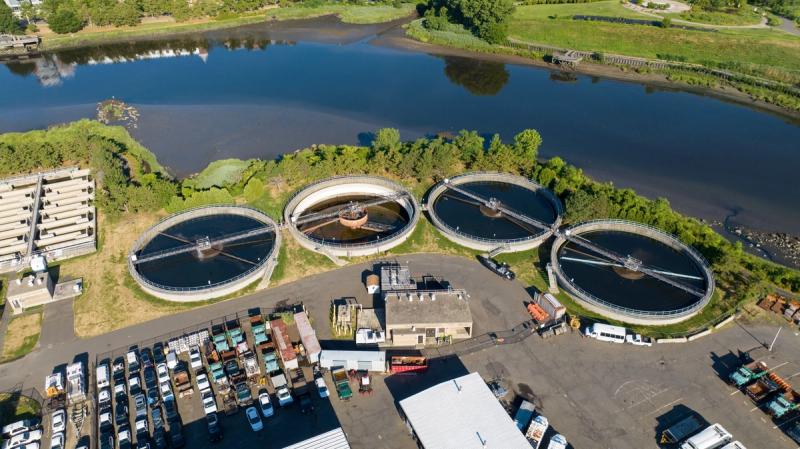
Clean-water project at Hartley Nature Center shows success

St. Louis County, the city of Duluth, and other partners have implemented a green-infrastructure project at Hartley Nature Center to divert and filter stormwater runoff from 117 acres, using biochar among other materials to remediate contaminants. This initiative is significant for advanced carbon materials as it utilizes biochar, a form of carbon, to improve water quality by removing pollutants, benefiting ecosystems connected to Lake Superior.

News10 July 2026

Chinese scientists convert farm waste into high-value biochar in green tech breakthrough

Researchers at the Institute of Environment under the Hefei Comprehensive National Science Center have developed a technology for large-scale biochar production from agricultural and forestry biomass, capable of producing over 50,000 tonnes annually. This advancement in biochar technology supports environmental sustainability by transforming agricultural waste into a high-value carbon-rich material, with applications in soil enhancement, energy storage, and more.

Study tracks toxic chemical from tire pollution in Hillsborough River
News10 July 2026

Study tracks toxic chemical from tire pollution in Hillsborough River

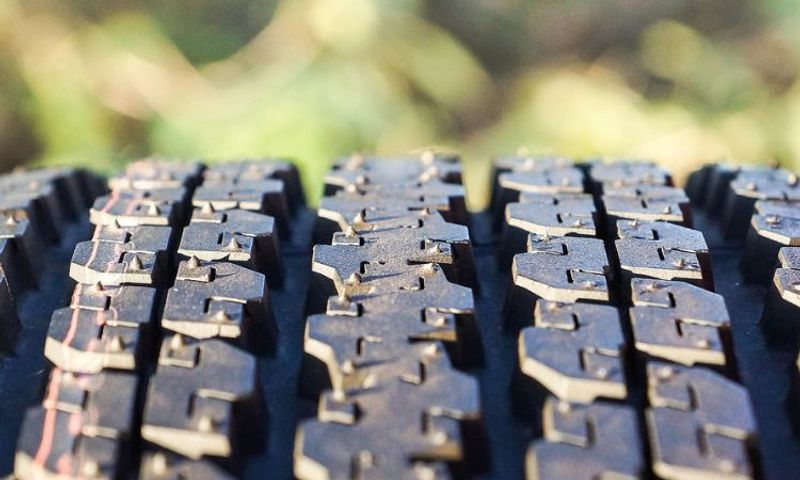
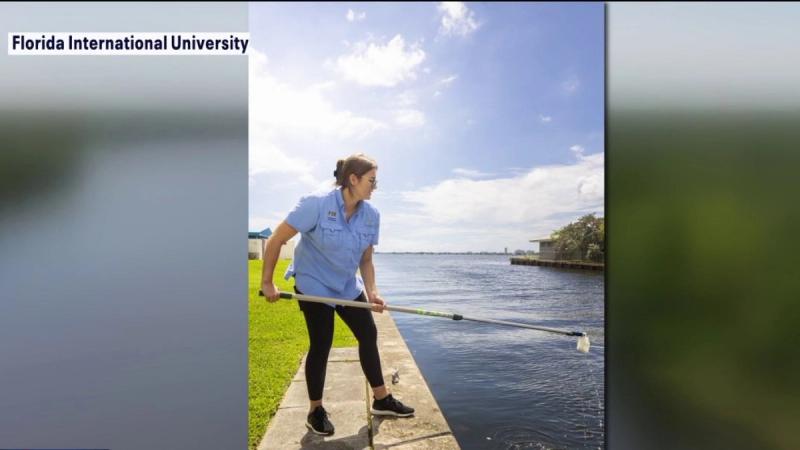
Researchers at Florida International University have found that a water sample from the Hillsborough River near downtown Tampa contained 12 nanograms per liter of 6PPD-Q, a toxic chemical from tire wear, exceeding the EPA benchmark of 11 nanograms per liter. This study highlights the potential of using sargassum-based biochar to filter out harmful pollutants, which could protect Florida's aquatic ecosystems from the adverse effects of tire-derived chemicals.

Biochar and smart water could make rice safer in polluted soils
News10 July 2026

Biochar and smart water could make rice safer in polluted soils

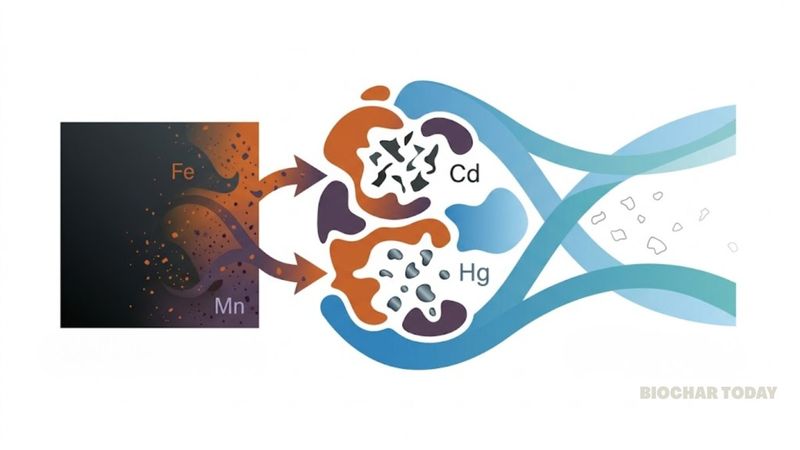
Researchers from the study published in Biochar have demonstrated that using iron and manganese modified biochar (FMBC) with specific irrigation strategies can significantly reduce cadmium and mercury levels in rice grown in co-contaminated paddy fields. This approach could enhance the safety of rice by stabilizing these metals and reducing their uptake, offering a viable solution for managing heavy metal contamination in agricultural soils.

Himachal's first biochar project targets fires, carbon, and rural livelihoods
News10 July 2026

Himachal's first biochar project targets fires, carbon, and rural livelihoods

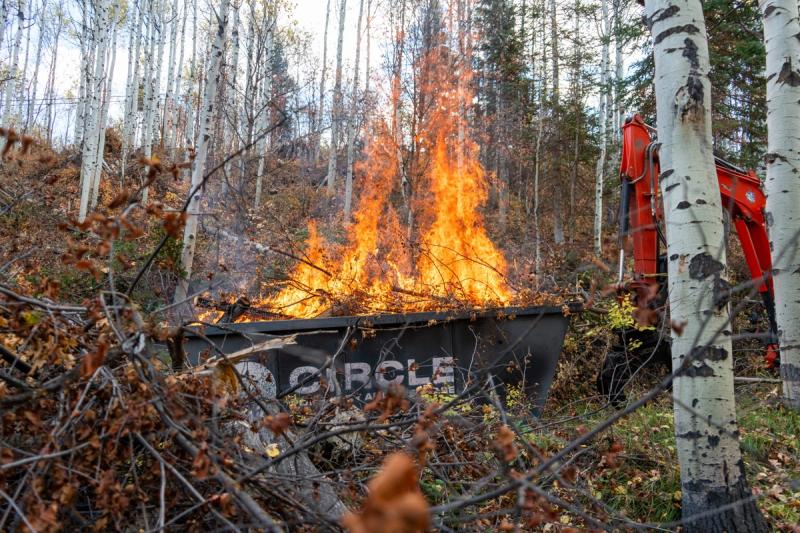
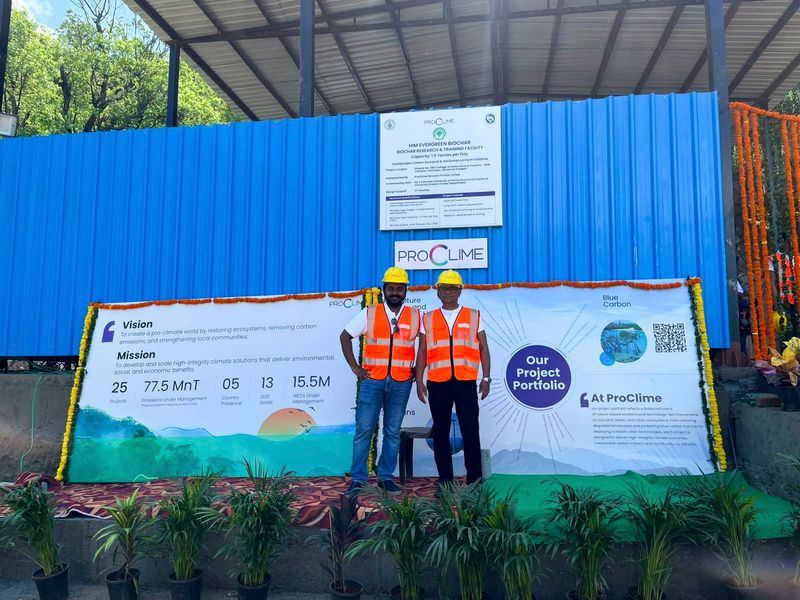
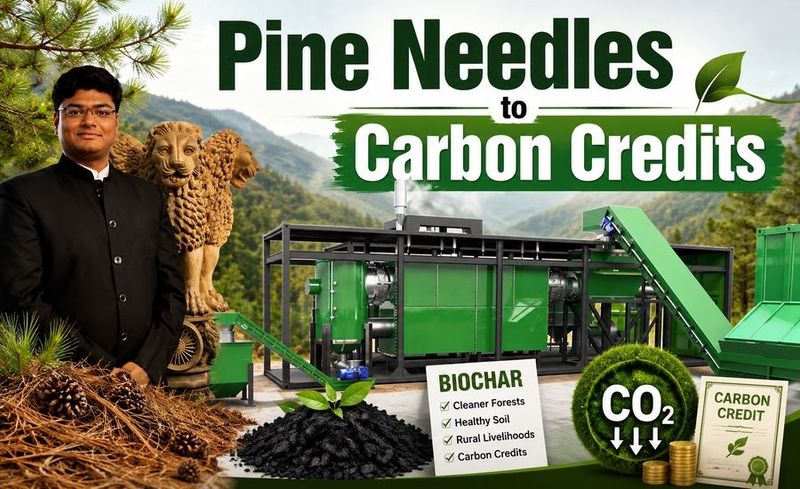
The Government of Himachal Pradesh, in collaboration with Dr Y.S. Parmar University of Horticulture and Forestry and ProClime Services Private Limited, has launched India's first indigenous biochar project in Hamirpur district, aiming to convert forest biomass into biochar to reduce fire risks and generate carbon credits. This initiative is significant for the advanced carbon materials sector as it transforms waste biomass into biochar, a stable carbon-rich material, thereby contributing to carbon sequestration and offering a sustainable model for forest management and rural livelihoods.

Barcelona tests olive-pit asphalt that stores CO2 for decades
News10 July 2026

Barcelona tests olive-pit asphalt that stores CO2 for decades

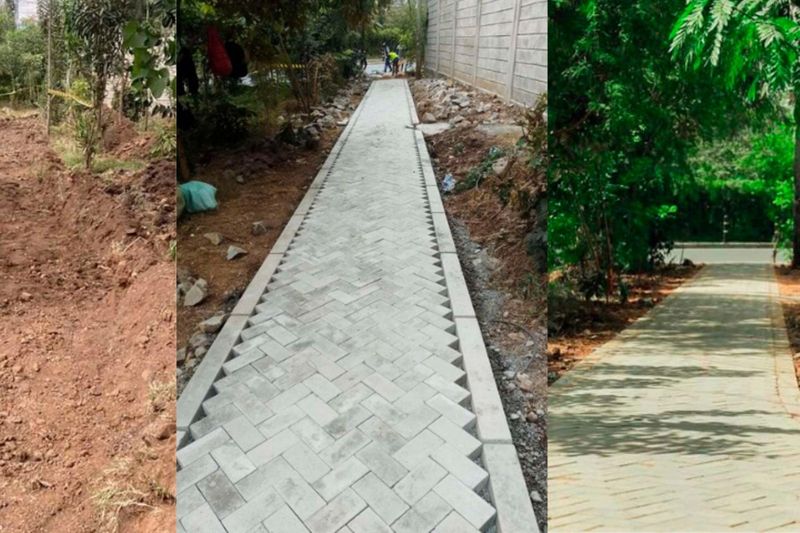
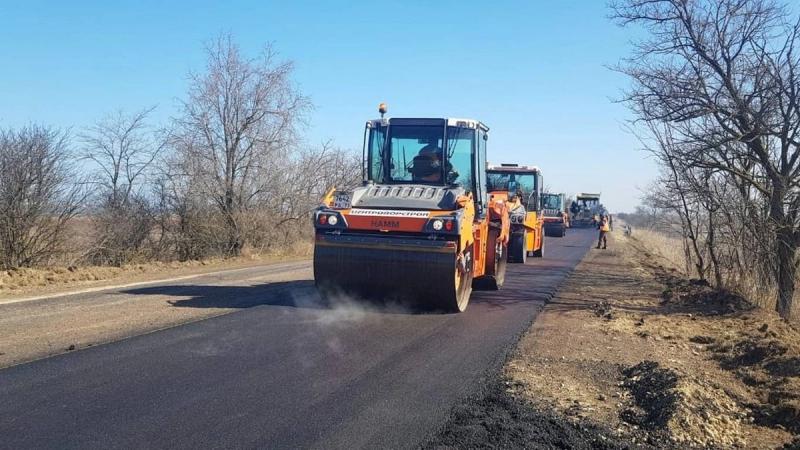
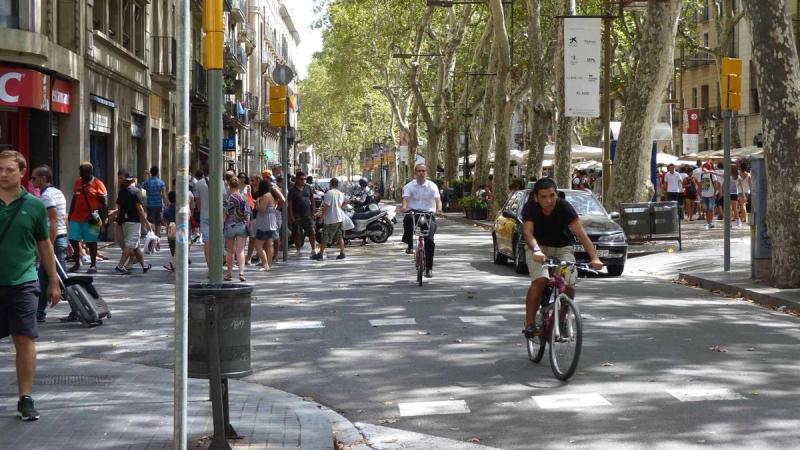
Barcelona City Hall, in collaboration with the BIT Habitat foundation and BIMSA, is trialling asphalt mixed with biochar from olive pits and pine biomass, starting in September with monitoring through 2027. This initiative aims to reduce CO2 emissions by up to 76% and store carbon in the road itself, potentially transforming road infrastructure into a long-term carbon sink using biochar.

International Virtual Institute and COMLURB convert urban waste into energy
News10 July 2026

International Virtual Institute and COMLURB convert urban waste into energy

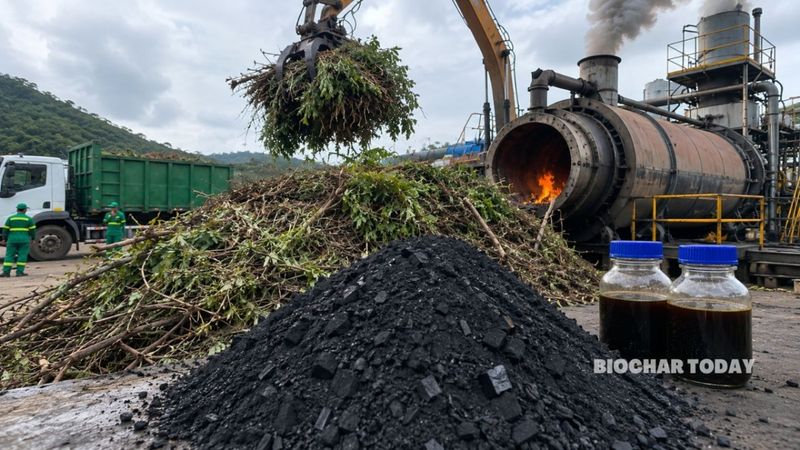
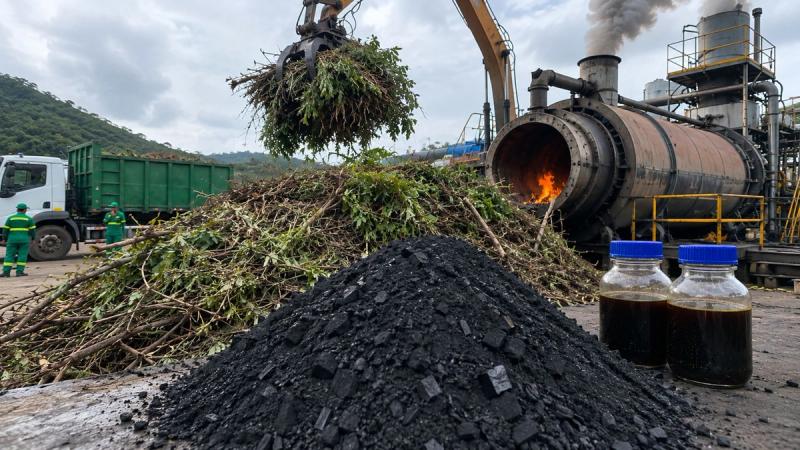
The International Virtual Institute of Global Changes and COMLURB have converted approximately one ton of urban tree trimmings in Rio de Janeiro into 300 kilograms of biochar and pyrolytic oil using pyrolysis. This initiative transforms municipal green waste into valuable resources for soil improvement and energy research, highlighting a sustainable approach to waste management in the carbon materials sector.

Does the new mineral policy address industry concerns?
News9 July 2026

Does the new mineral policy address industry concerns?

The Morning reports that India's new mineral policy includes guidelines for the treatment and potential sale of effluent generated during the production of reduced graphene oxide. This development could impact the graphene industry by providing a framework for managing waste and potentially creating additional revenue streams from effluent sales.

Brazil converts urban tree trimmings into biochar and pyrolytic oil in pioneering project
News6 July 2026

Brazil converts urban tree trimmings into biochar and pyrolytic oil in pioneering project

Researchers at the International Virtual Institute of Global Changes, COPPE/UFRJ, in partnership with COMLURB, have converted one ton of urban pruning waste in Rio de Janeiro into approximately 300 kilos of biochar and pyrolytic oil. This initiative demonstrates the potential of using urban plant waste as a raw material for producing carbon-rich biochar, which can be used as a soil conditioner and for carbon storage, contributing to sustainable waste management and decarbonization efforts.

Bakkafrost Scotland showcases Applecross RAS facility during ministerial visit
News6 July 2026

Bakkafrost Scotland showcases Applecross RAS facility during ministerial visit

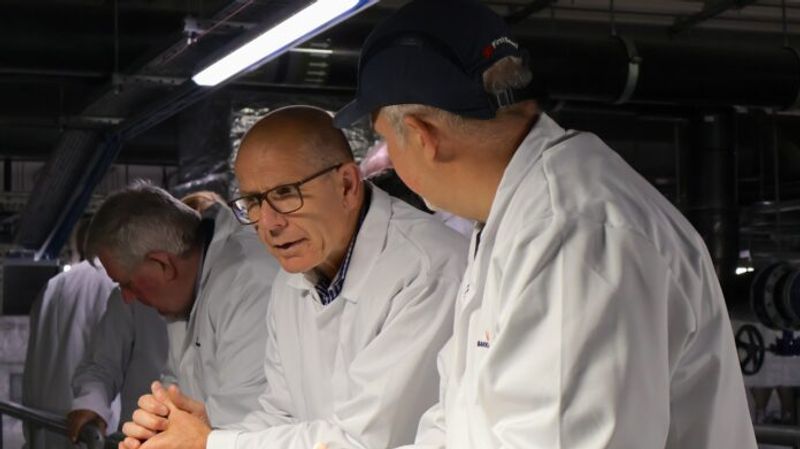
Bakkafrost Scotland showcased its Applecross recirculating aquaculture system (RAS) facility during a visit by Scotland’s marine minister, highlighting its strategy of rearing salmon longer in freshwater conditions. The facility plans to install pyrolysis technology to convert hatchery waste into biochar, aligning with efforts to reduce environmental impact and enhance sustainability in aquaculture.

News30 June 2026

From Scrap to Spar Where Recycled Carbon Fiber Actually Stands in Aircraft Structures

Boeing and Mitsubishi Chemical Advanced Materials are testing prototype cabin sidewall panels made from pyrolysis-derived recycled carbon fiber under Mitsubishi's KyronTEX material line, while separate simulation research found a scaled-down wing spar built from recycled carbon fiber performed within acceptable stress margins compared to a virgin-fiber equivalent. Recycled carbon fiber remains limited to non-structural or secondary aerospace applications due to unresolved fiber length, alignment, and surface sizing deficiencies, with primary structural qualification requiring years of additional testing and supply chain development.

University of Aveiro Researchers Develop Water Purifier from Industrial Waste
News30 June 2026

University of Aveiro Researchers Develop Water Purifier from Industrial Waste

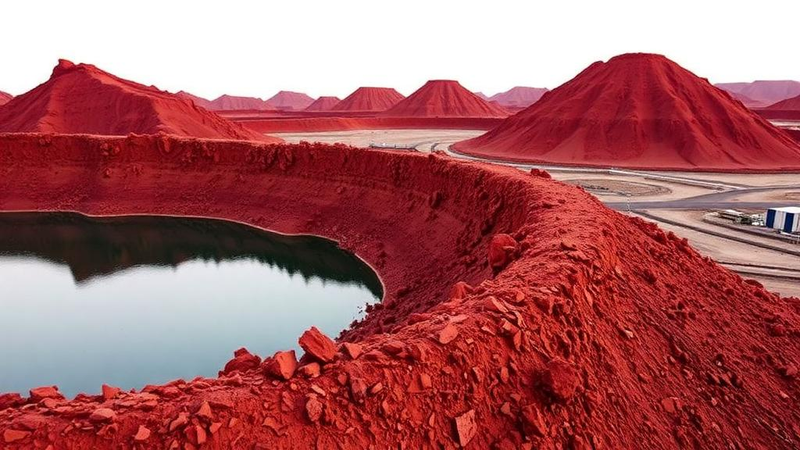
Researchers at the University of Aveiro developed 3D-printed filters from bauxite refining waste (red mud) that removed over 90% of the antibiotic ciprofloxacin within one hour under UV light. The work demonstrates a functional application for carbon nanotubes in photocatalytic water treatment using industrial byproducts, with the material retaining performance across multiple decontamination cycles.

Nanomaterials Could Help Italy Close Its Renewable Energy Storage Gap
News30 June 2026

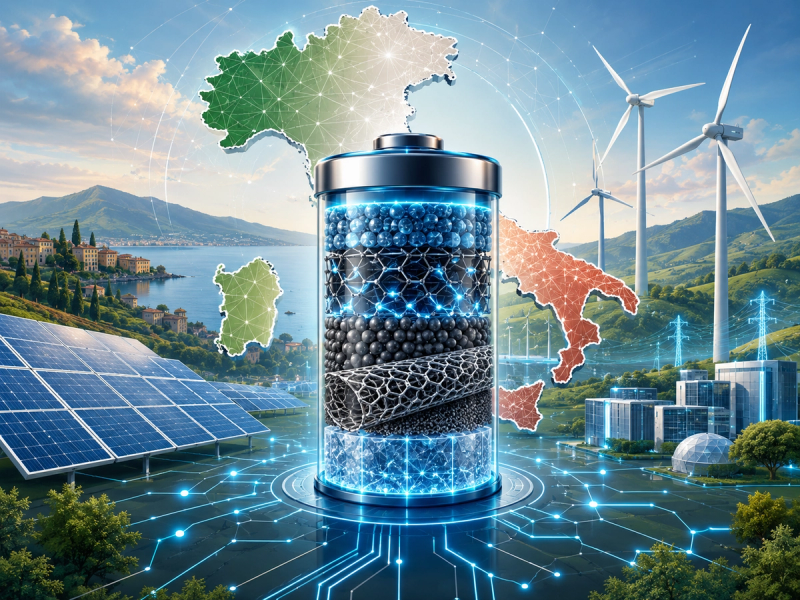
Nanomaterials Could Help Italy Close Its Renewable Energy Storage Gap
Graphene-based energy storage systems have been reported to reach energy densities up to 650 Wh/kg, compared to 150–250 Wh/kg for conventional lithium-ion batteries, according to a report focused on Italy's renewable energy storage needs. This performance gap highlights graphene's potential role in grid-scale storage applications, a key growth area for the advanced carbon materials sector.
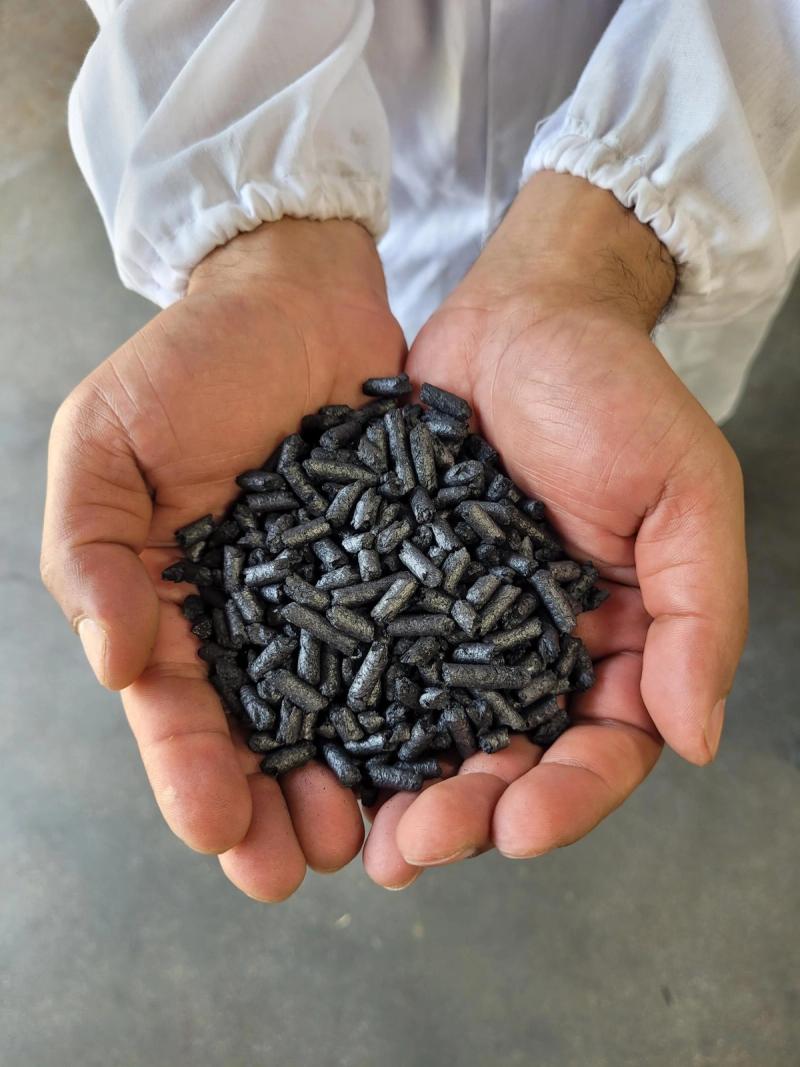
Industrial Water Treatment with Graphene and Antifouling
News30 June 2026

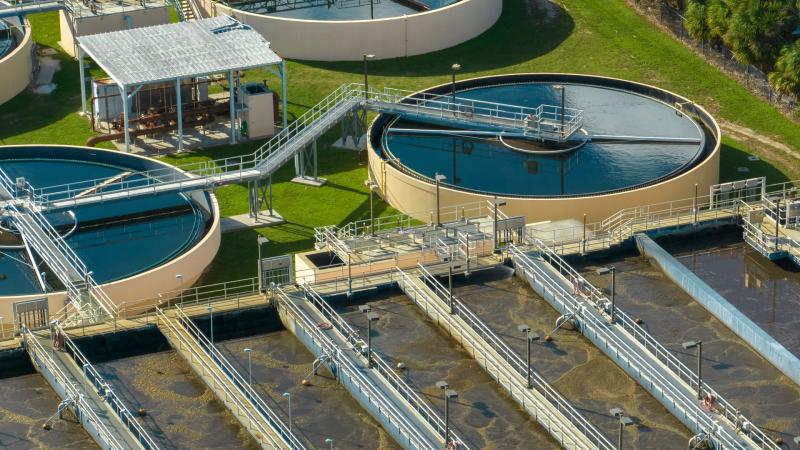
Industrial Water Treatment with Graphene and Antifouling

Researchers and engineers are evaluating graphene oxide and reduced graphene oxide as adsorbents, antifouling coatings, catalytic supports, and modified membrane layers within industrial water treatment systems targeting COD removal, biofouling control, and reverse osmosis feed protection. The graphene sector faces a clear scaling challenge, as industrial adoption of these carbon nanomaterials depends on demonstrating mechanical stability, resistance to chemical cleaning cycles, controlled delamination, and validated cost-per-cubic-meter performance in pilot tests using real effluent matrices.
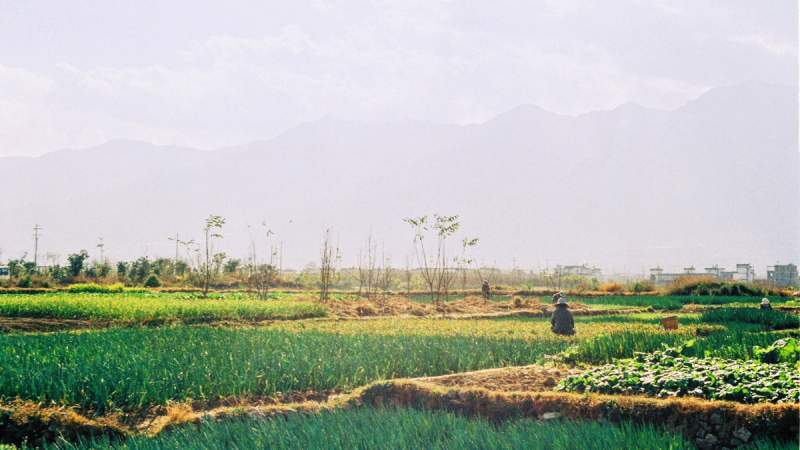
UJ researchers design efficient solar material for water treatment
News30 June 2026

UJ researchers design efficient solar material for water treatment

Researchers at the University of Johannesburg fabricated a three-layer nanocomposite photocatalyst (Ti1.33N@BiVO4/GdIn2Se3) incorporating a custom-synthesized MXene, achieving 20× greater electrical conductivity and charge-carrier lifetimes up to 59.5 seconds compared to single-component baselines. The MXene engineering approach demonstrates a pathway for improving charge-carrier retention in 2D carbon-adjacent materials, with direct relevance to MXene-based composite development for energy and environmental applications.

Jamco joins Japanese partners to recycle and reuse CFRP from retired aircraft
News29 June 2026

Jamco joins Japanese partners to recycle and reuse CFRP from retired aircraft

Jamco joined a NEDO-led Japanese consortium—including Nagoya University, Subaru, and JAXA—to develop a circular economy supply chain for recovering and reusing CFRP from retired aircraft. The project targets a persistent gap in the carbon fiber composites sector: the lack of validated processes and standards needed to reintroduce recycled CFRP into certified aircraft components.

Microwave biochar could help turn waste biomass into cleaner water and safer soils
News29 June 2026

Microwave biochar could help turn waste biomass into cleaner water and safer soils

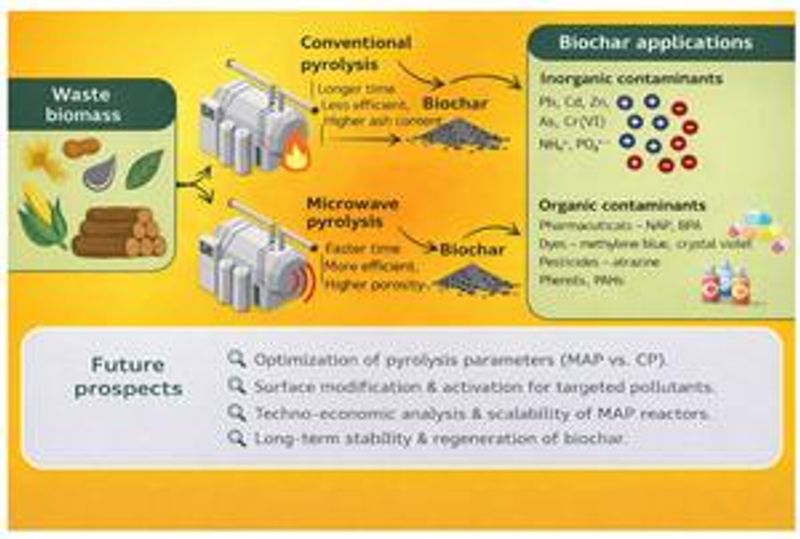
A review published in the journal *Biochar* compared conventional and microwave-assisted pyrolysis as production routes for biochar, finding that microwave-derived biochars typically exhibit higher surface area, stronger mesoporosity, and greater retention of functional groups relevant to pollutant capture. For the advanced carbon materials sector, the findings highlight biochar's expanding role beyond remediation into electrode materials and catalysis, while noting that reactor scale-up and energy balance challenges must be resolved before microwave-assisted pyrolysis reaches industrial viability.
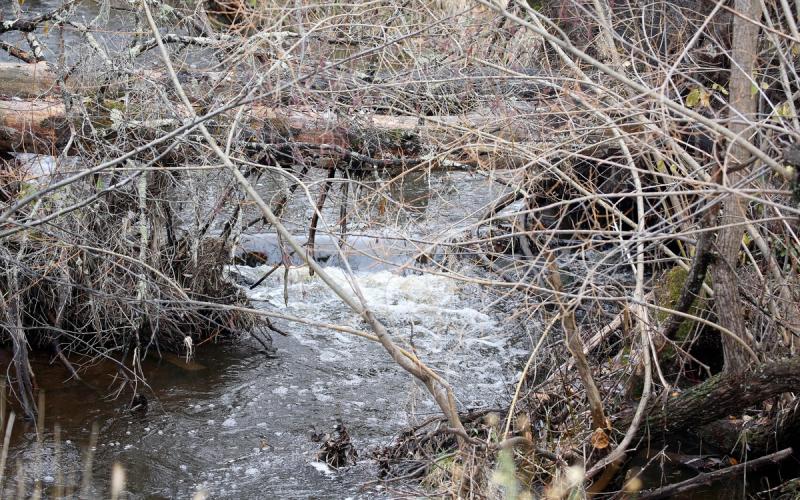
Bolder advances European waste tire pyrolysis plant after receiving final permits
News29 June 2026

Bolder advances European waste tire pyrolysis plant after receiving final permits

Bolder Industries received final permits on 15 June 2025 to build an 86ktpa end-of-life tire pyrolysis facility at the Port of Antwerp-Bruges, to be developed in two phases with EU Innovation Fund co-funding. The plant will supply recovered carbon black at commercial scale to European markets, adding to Bolder's existing US operations in Missouri and Indiana.

Diverse European territories turn biowaste into local circular business opportunities
News29 June 2026

Diverse European territories turn biowaste into local circular business opportunities

The EU-funded HOOP project helped eight European cities and regions mobilise EUR 124 million to convert urban biowaste into circular bioeconomy outputs including biochar, biogas, bioplastics, and agricultural nutrients. Biochar production via pyrolysis emerged as a replicable pathway across multiple territories, with Kuopio (Finland) establishing an operational pilot plant and Münster (Germany) confirming technical feasibility, signaling growing municipal-scale demand for pyrolysis infrastructure relevant to the biochar sector.

Combining Iron Manganese Biochar with Strategic Irrigation Minimizes Grain Cadmium
News29 June 2026

Combining Iron Manganese Biochar with Strategic Irrigation Minimizes Grain Cadmium

Tong Sun and colleagues published a study in *Biochar* (2026) showing that iron-manganese oxide modified biochar combined with either continuous flooding or aerobic irrigation reduces grain cadmium to 0.05 mg/kg and total mercury to 0.02 mg/kg in co-contaminated rice paddies. The findings demonstrate a functional agricultural application for engineered biochar, where surface chemistry modifications directly determine remediation performance across competing heavy-metal pathways in soil.

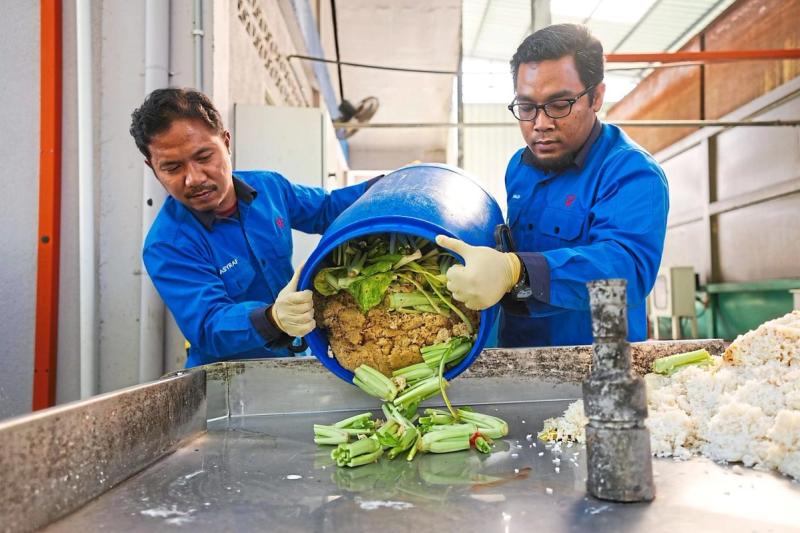
From bin to biogas
News29 June 2026

From bin to biogas

TNB Research has operated an anaerobic digestion and torrefaction pilot facility in Kajang since 2018, processing up to 350kg of food waste daily to produce biogas with 60–65% methane content and 10–30kg of biochar per torrefaction cycle. The biochar output is being evaluated for carbon material applications, soil improvement, and solid fuel enhancement, with data from the pilot intended to inform future scale-up decisions.

The carbon removal market doesn't need more innovation, it needs the conditions to scale
News29 June 2026

The carbon removal market doesn't need more innovation, it needs the conditions to scale

Alastair Collier, chief R&D officer of A Healthier Earth, argues in this op-ed that the carbon removal sector's primary obstacle is no longer technological but structural, citing fragmented credit markets, misaligned procurement timelines, and the absence of durable policy frameworks as the core barriers to scale. For the biochar and broader CDR industry, the piece highlights that integrating high-integrity removals into mechanisms like the UK and EU ETS could provide the long-term demand signals and price certainty needed to move projects from pilots to industrial-scale infrastructure.

Advanced Carbons vs. Carbon Capture & Sequestration
Opinion Article23 June 2026

Advanced Carbons vs. Carbon Capture & Sequestration
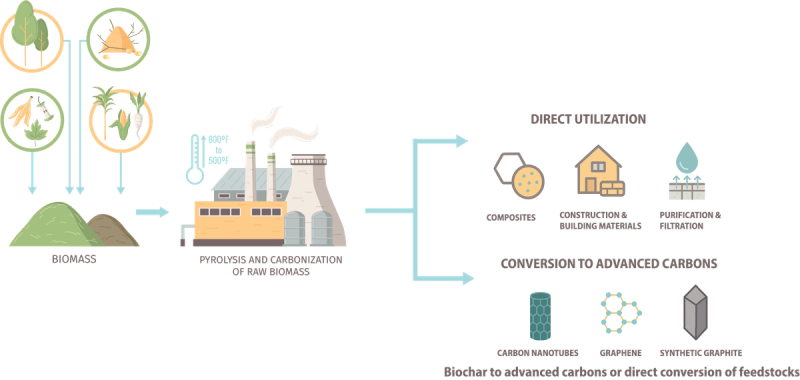
The Advanced Carbons Council published a position paper in May 2026 arguing that carbon credit financing should be redirected from geological carbon capture and sequestration toward conversion of captured carbon into advanced materials such as graphene, carbon fiber, biochar, and carbon nanotubes. The paper contends that carbon-to-materials conversion projects are commercially self-sustaining without ongoing subsidies, unlike CCS, and deliver compounding lifecycle emissions reductions across sectors including construction, aerospace, agriculture, and energy storage.

Building Better with Advanced Carbons
Opinion Article12 June 2026

Building Better with Advanced Carbons

The Advanced Carbons Council published an overview of graphene and other advanced carbon materials being adopted in construction, citing applications in concrete (Concretene, First Graphene, Versarien), asphalt, and corrosion-resistant coatings (Petronas). These developments indicate growing commercial deployment of graphene additives in construction materials, with documented performance gains in compressive strength, road durability, and steel protection at low material loadings.

Building Better with Advanced Carbons
Position Paper12 June 2026

Building Better with Advanced Carbons

The Advanced Carbons Council highlights graphene and related carbon materials being adopted in construction applications including concrete additives (Concretene, First Graphene), graphene-reinforced 3D-printed components (Versarien), asphalt modification, and corrosion-resistant coatings (Petronas). For the advanced carbon materials sector, construction has emerged as a leading commercial deployment area, with multiple suppliers demonstrating validated, scalable products that improve strength, durability, and emissions performance without requiring major process changes.

NeoGraf opens flexible graphite sheet line in Ohio for thermal interface market
News10 June 2026

NeoGraf opens flexible graphite sheet line in Ohio for thermal interface market

NeoGraf commissioned a new production line at its Lakewood, Ohio facility, adding 2,000 tonnes per annum of flexible graphite sheet capacity funded by a $38 million investment, bringing its total to 11,000 tonnes per annum. The expansion increases domestic supply of high-purity exfoliated graphite sheets for EV battery thermal management, where the material's in-plane thermal conductivity above 600 W/m·K at low density addresses a critical requirement for North American automotive manufacturers.