News14 October 2026· Graphene Feed
Mathematical graph tools uncover electronic secrets of butterfly-shaped nanographenes
GrapheneElectronicsOptoelectronicsResearch & InnovationMarket Intelligence
118 articles on Graphene in Electronics.
Researchers used graph theory and entropy to analyze π-electron properties in nanographene butterfly structures, revealing correlations between graph-theoretical descriptors and electronic properties with high accuracy.

Researchers have discovered stable quantum states in magic-angle graphene at specific electron counts using a new workflow involving the constrained random phase approximation.
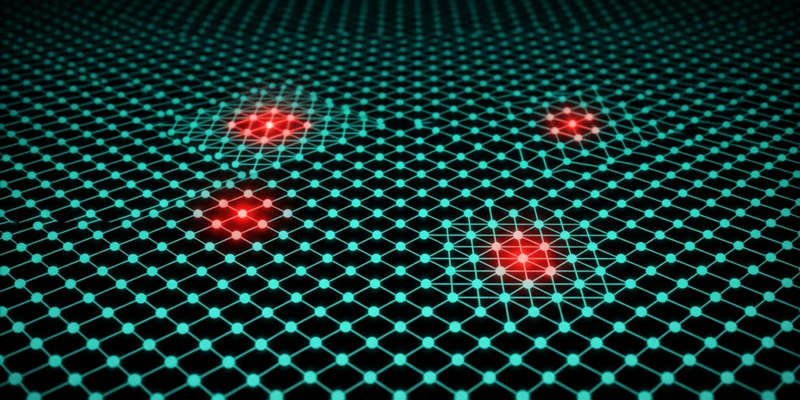
Researchers at the National University of Singapore have developed a method to create laser-induced graphene circuits on kraft paper using a 355-nanometer ultraviolet laser, enabling flexible, biodegradable electronics.
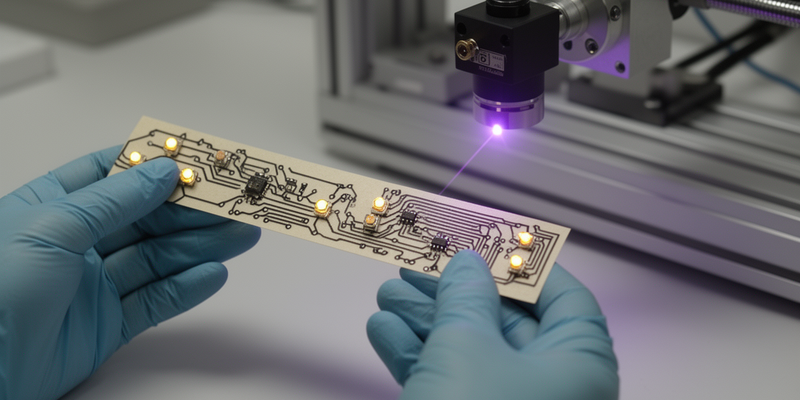
Researchers at the University of Illinois Urbana-Champaign used coal-derived carbon nanodots to integrate high-quality dielectric layers on 2D semiconductors, achieving a leakage current density below 0.1 mA/cm².
Global Graphene Group seeks a Sales Engineer in Dayton, Ohio, to expand its graphene markets. Apply by December 31, 2026.
The University of Manchester's National Graphene Institute received £1.2 million to study water's electrical properties at the atomic level.

Researchers at Khalifa University reviewed how graphene enhances high-density polyethylene (HDPE). They examined compounding techniques and found that graphene improves HDPE's thermal, electrical, and barrier properties when well-dispersed.
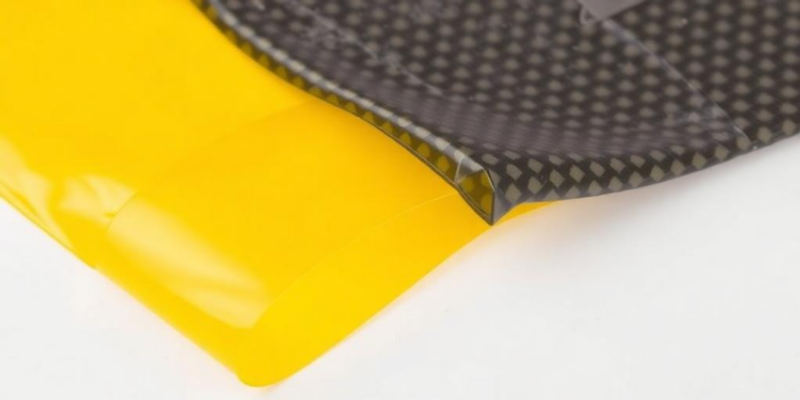
Researchers developed a flexible graphene neural interface that mimics synapses, integrating transistors and rGO electrodes for wearable sensing applications.
Paragraf is now producing molybdenum disulphide (MoS₂), a 2D semiconductor, alongside its existing graphene technologies to help reduce power consumption in data centres and AI chips.
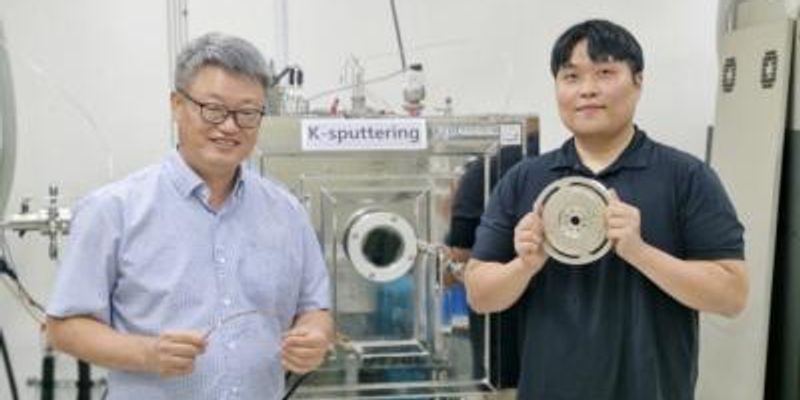
Researchers have successfully grown graphene and graphite thin films directly on substrates at room temperature.
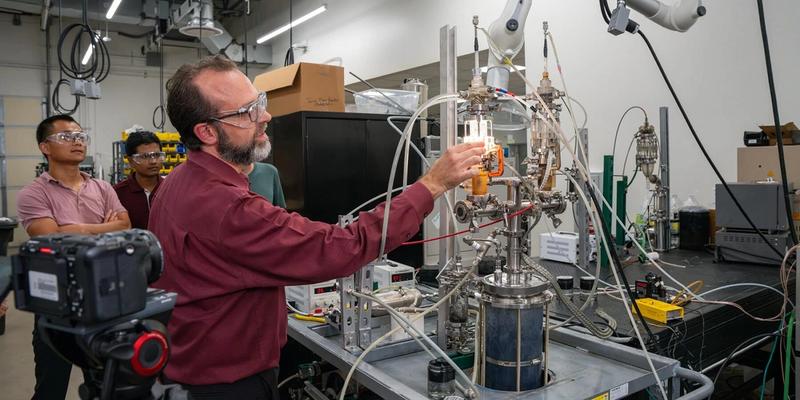
Researchers in Texas discovered their plasma reactor, initially aimed at hydrogen production, also creates graphene oxide from methane. This unexpected find offers a potentially cheaper production method.
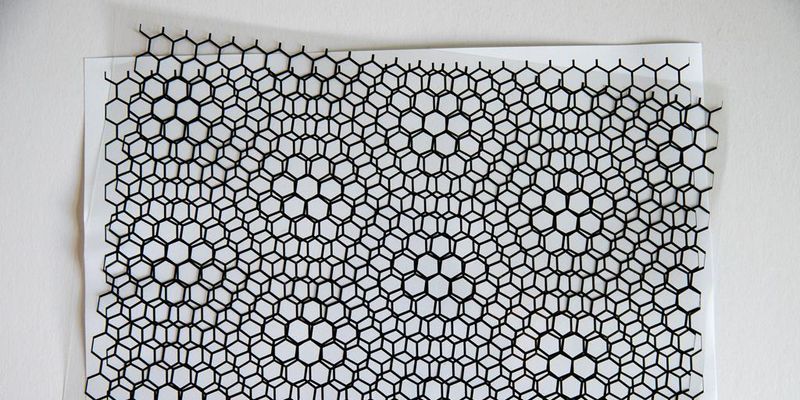
Researchers have published two studies cataloging nearly 9,000 two-dimensional materials, identifying over 1,600 candidates for twisting to create new quantum simulators.

Researchers have developed ultra-thin transparent electrodes using reduced graphene oxide for soft lenses, potentially transforming camera focus technology.

Researchers have developed a method to synthesize nanographenes with up to eight helicenes, each with controlled handedness. This allows for precise tuning of optical and electronic properties.

The Advanced Carbons Council calls for a U.S. carbon materials innovation platform focused on standards, testing and buyer qualification. The paper links engineered-carbon supply chains to manufacturing, energy, defense and AI infrastructure. Serves as a model for governments world-wide.
Researchers are studying exotic quantum phases in 2D nanomaterials by twisting them into moiré superlattices, with superconductivity in graphene observed at a 1.1° twist angle.
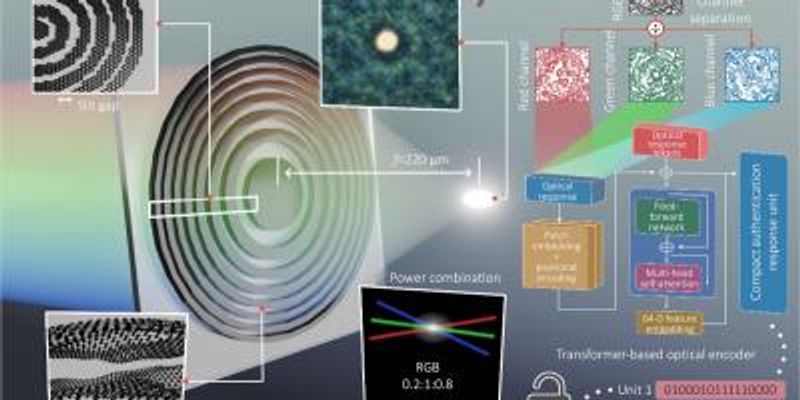
Yonsei University researchers created graphene diffractive zone plates that convert light patterns into unclonable binary security keys using a vision transformer-based model. The system shows promise for optical authentication.
Researchers used a many-body approach and first-principles calculations to enhance superconductivity in two-dimensional materials like graphene and transition metal dichalcogenides with ionic liquids.
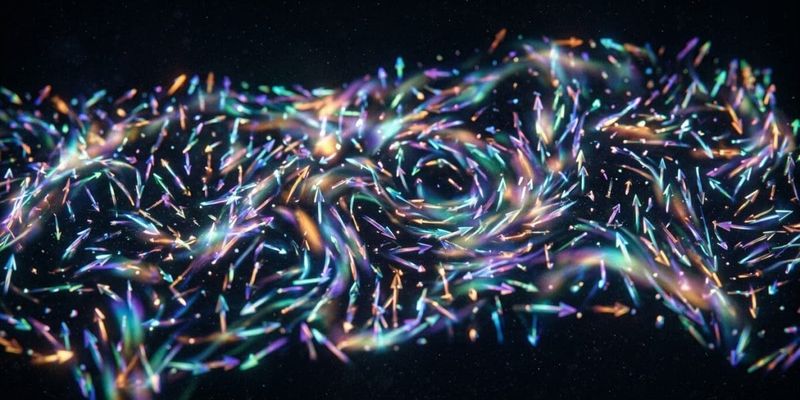
Iowa State University researchers developed a method to print electronic circuits on 3D objects using aerosol-jet printing. NASA supports the commercialization with a $150,000 grant.
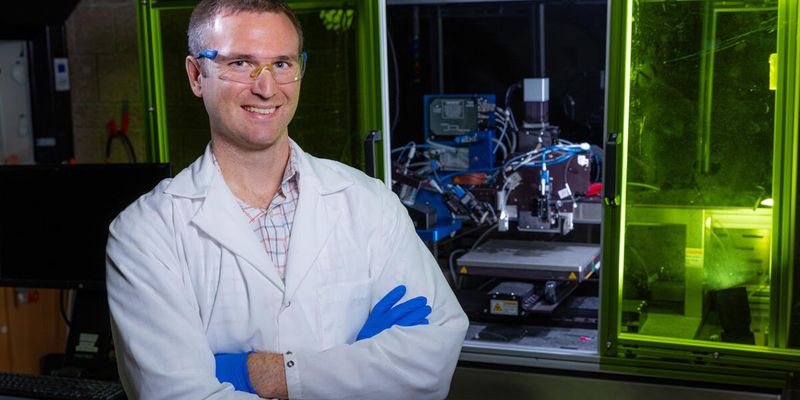
Researchers at the National University of Singapore used 0.14-terahertz radiation to isolate electronic contributions to resistance in twisted bilayer graphene, revealing significant electron interactions at the magic angle.

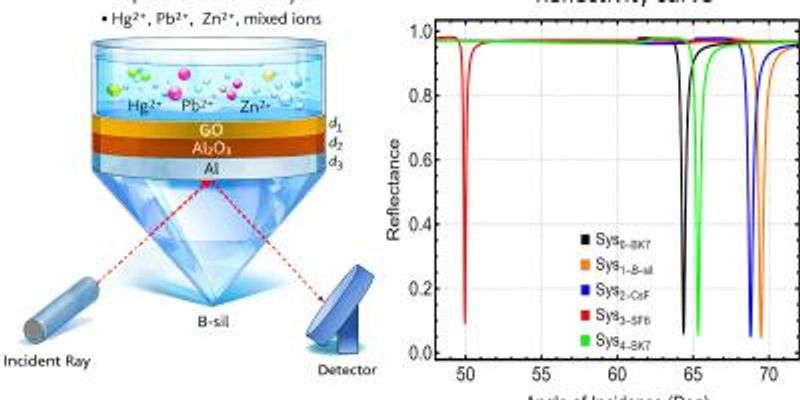
Researchers have designed a graphene oxide-based SPR sensor for detecting mercury, lead, and zinc in water. The simulated sensor achieved angular sensitivities up to 338°/RIU.
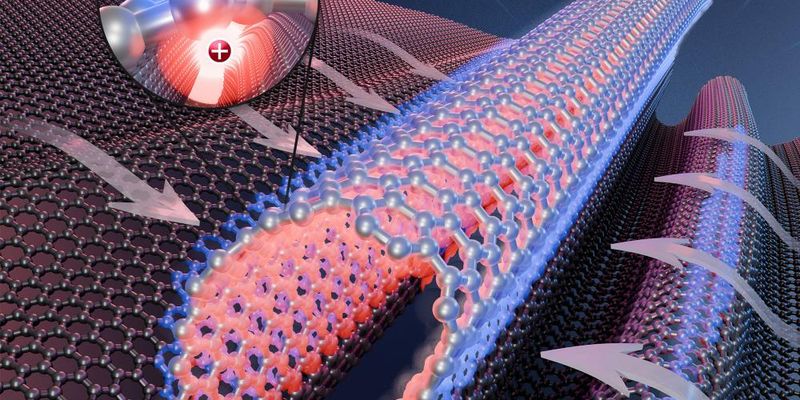
Researchers found that tiny wrinkles in graphene can alter its electrical properties. This discovery could lead to advanced control of electricity in ultrathin materials, enhancing sensor and electronic device performance.
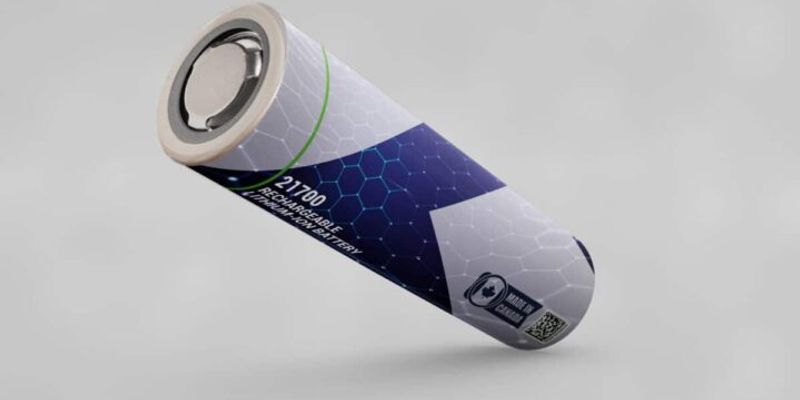
VoltaXplore is redirecting its 21700 lithium-ion cells from electric vehicles to defence drones and unmanned ground vehicles, supporting testing and qualification at its 1-MWh facility.
South Korean researchers developed a graphene nanomesh for wearable gas sensors, achieving six times higher sensitivity than flat graphene sensors. The design maintains flexibility and breathability for mask integration.
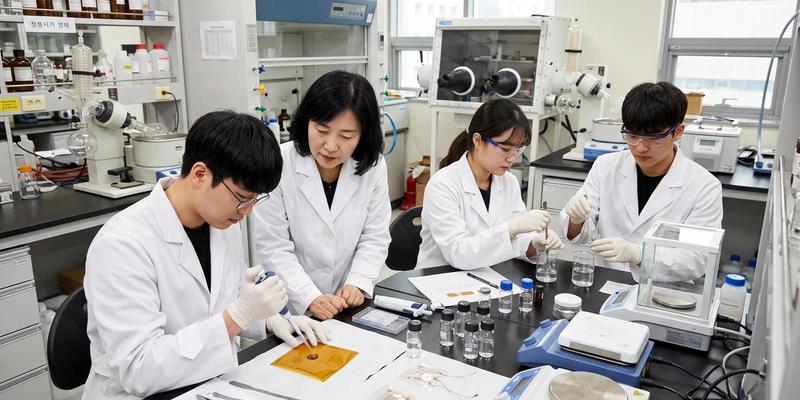
Researchers have developed graphene multielectrode arrays for versatile extracellular measurements, enhancing electronic biosensing capabilities.

The Graphene Engineering Innovation Centre offers roll-to-roll CVD systems for continuous graphene production, processing foils up to 15 cm wide at 5 metres per hour.
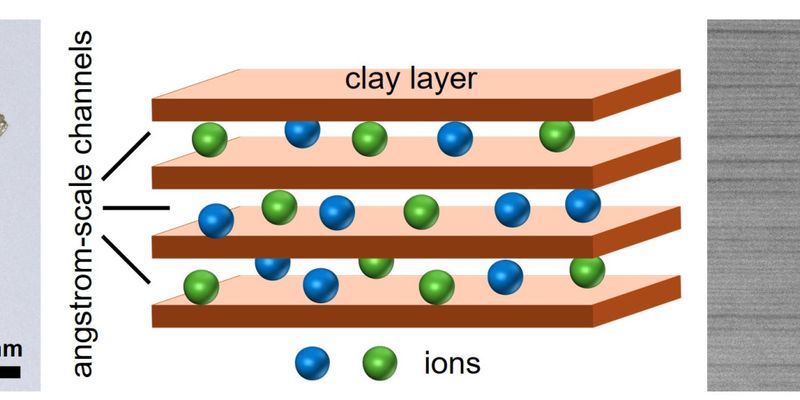
Researchers at the National Graphene Institute demonstrated that vermiculite clay channels can control ion flow in response to pressure, voltage, and pH, mimicking biological ion channels.
Romanian researchers developed a disposable graphene–copper sensor that detects lysine enantiomers in whole blood at concentrations as low as one attomole per litre, aiding cancer diagnostics.
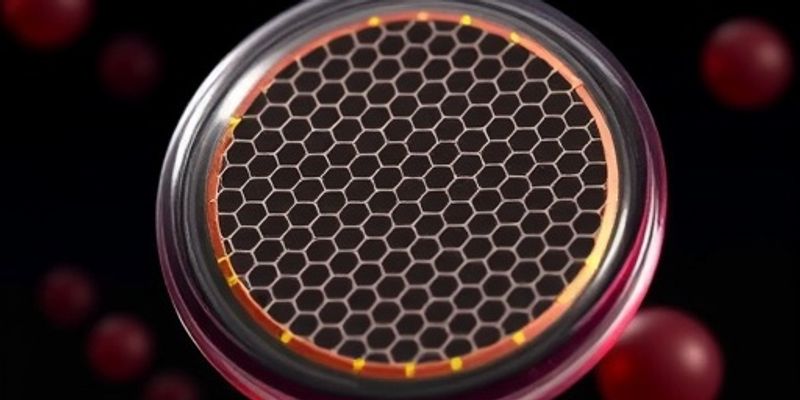
Researchers funded by the DOE's Office of Science established the basis for twistronics by twisting graphene layers.

Researchers from Nagoya University and RIKEN developed a two-step method to synthesize diverse nanographenes, including those with rare curved structures. This method uses palladium catalysts and specific oxidants.
Danish Graphene secured GBP 2.5 million in seed funding to scale up production of its graphene-enhanced thermal adhesive for the space industry, attracting significant interest from hardware manufacturers.
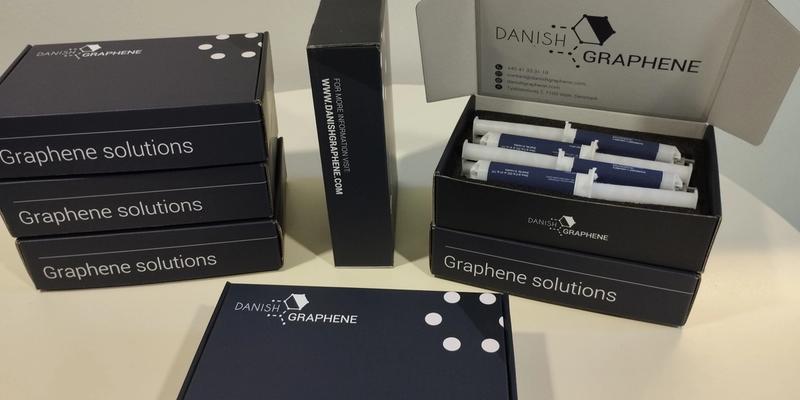
Paragraf has introduced a 12-channel graphene-based FET platform, featuring a real-time reader for enhanced performance in graphene electronics applications.
The India Innovation Centre for Graphene in Kerala hosts "Grand Challenges" for startups to create graphene-based products in sectors like energy and electronics.
Midea launched the SpaceMaster oven series at IFA, featuring Graphene Turbo Hot Air Technology with a rapid 0.2-second heating response.
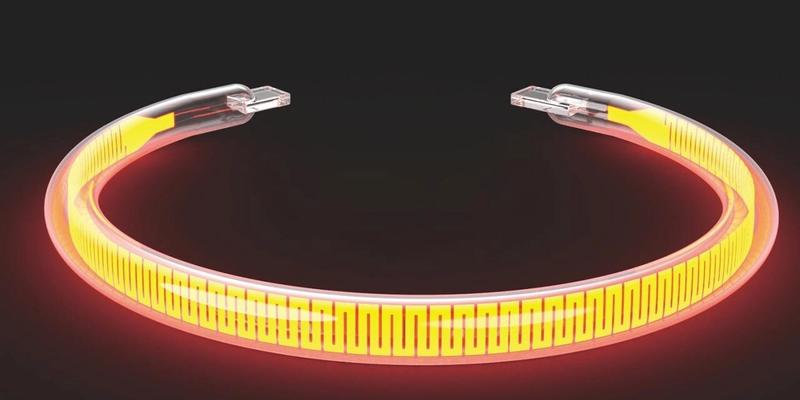
Researchers deactivated superconductivity in magic-angle graphene by diminishing electron interactions at a scale of 0.3 nm.
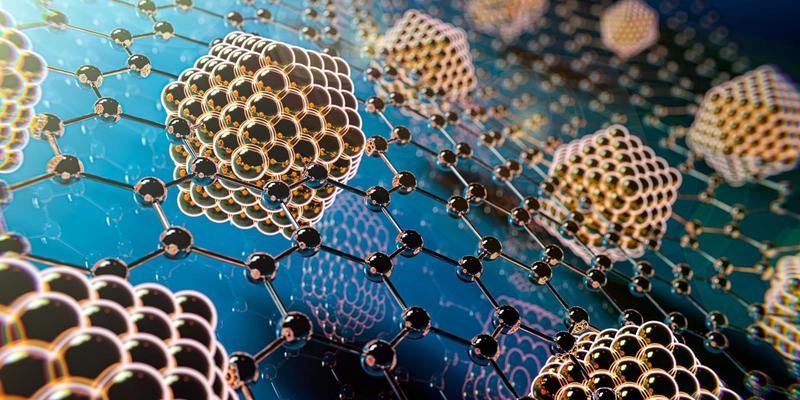
Researchers in the US and UK observed flexoelectricity in graphene, finding that extremely sharp bends create significant electrical polarization. This discovery aligns with theoretical predictions from 2008.

Researchers have integrated ultra-thin transparent electrodes made from reduced graphene oxide into a soft, electrically driven lens to enable focus adjustment without moving parts.
Graphene Manufacturing Group Ltd. has launched G FLUID, a graphene-based water coolant additive for data centres. Preliminary tests show a 20% increase in heat transfer when used at 1% concentration.

Researchers at Gachon University review printed graphene interconnects and vias made from reduced graphene oxide, a route to wiring flexible hybrid electronics without conventional metal deposition.

A team from Duisburg-Essen and Uppsala universities has directly observed rainbow scattering in graphene using xenon ions, confirming a previously unmeasured phenomenon.
Researchers at EPFL developed a graphene device to measure fractional electric charges in quasiparticles during the quantum Hall effect, revealing charges of one-third and two-thirds of an electron.
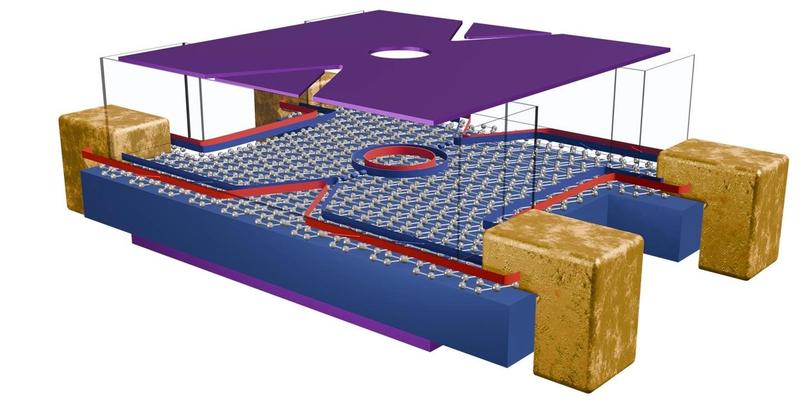
A team at the National University of Singapore has turned magic-angle twisted bilayer graphene from an insulator into a metal using only faint long-wavelength light, pointing to a new class of terahertz and far-infrared detectors.
A team from Harvard University and the University of Stuttgart theorized that valley-imbalanced rhombohedral graphene might exhibit unconventional superconductivity, potentially creating a superlattice of Cooper pairs.
Researchers at Queen Mary University of London have developed a graphene-based soft lens that can electronically change focus without bulky parts, potentially advancing medical devices and cameras.
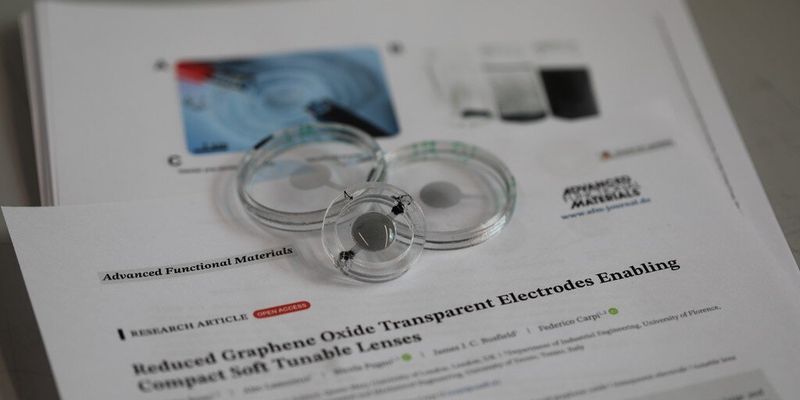
MIT researchers have developed a method to grow large, air-stable niobium diselenide films using graphene encapsulation. This advance could lead to more compact superconducting quantum devices.
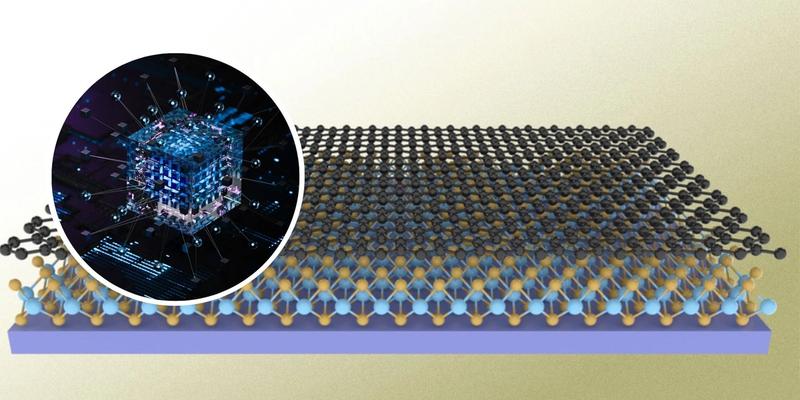
Researchers at the University of Maryland developed infrared torsional force microscopy, enabling near-nanometer precision imaging of material surfaces responding to infrared light.
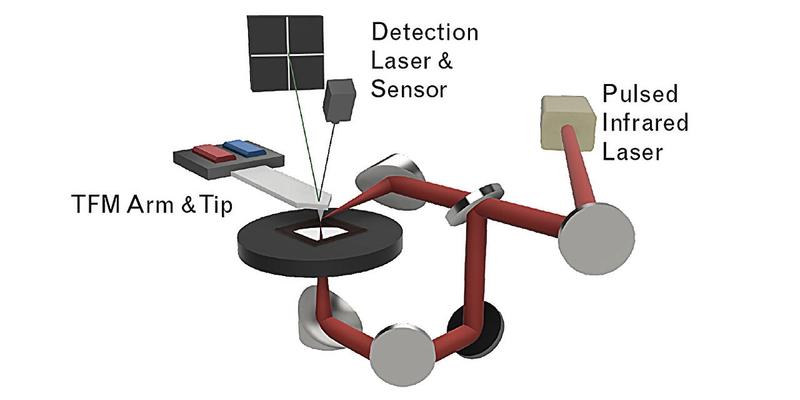
Researchers at KU Leuven have developed a graphene oxide membrane that efficiently separates water from isopropanol, reducing energy use in solvent purification.
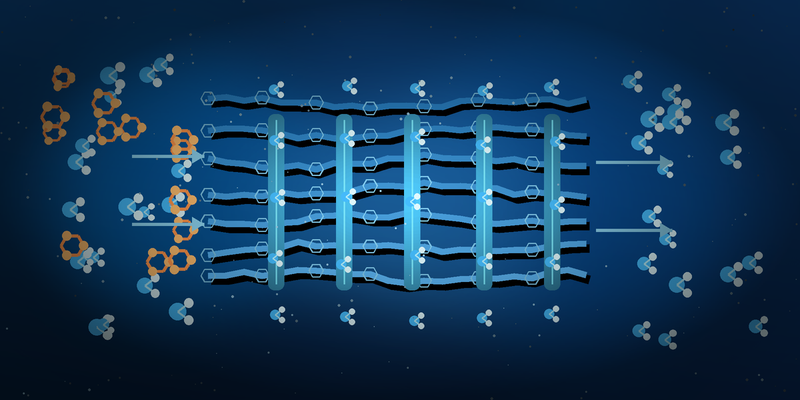
Adisyn Ltd has been granted a second U.S. patent for its graphene-coated semiconductor technology, enhancing its intellectual property portfolio.
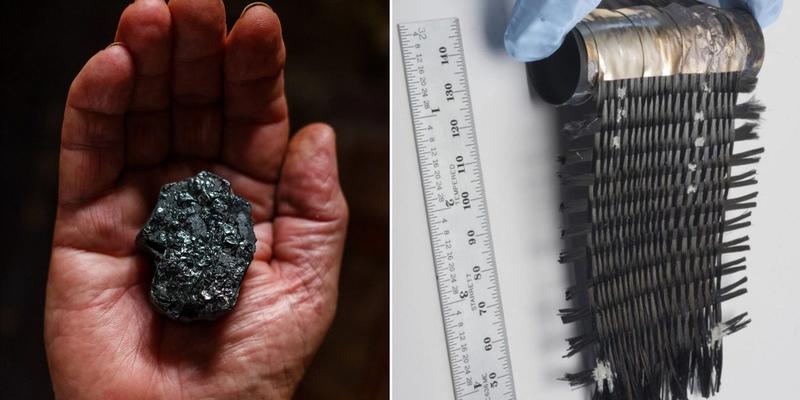
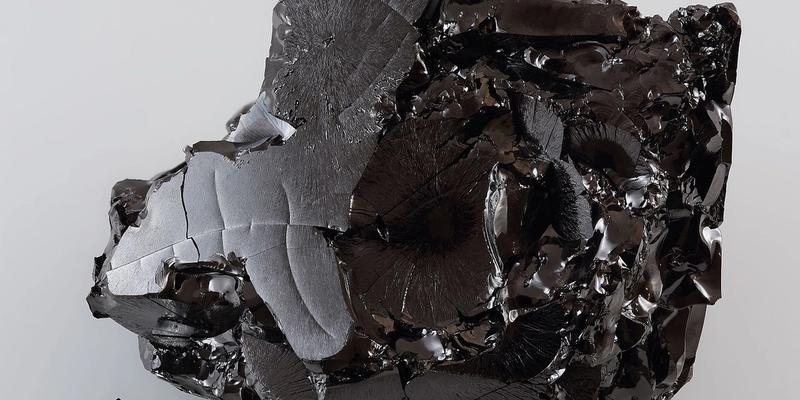
China has introduced a technology to convert regular coal into advanced carbon materials like carbon fibers and graphene.
Researchers incorporated thermally exfoliated graphene oxide into PVDF, enhancing both piezoelectric and triboelectric responses. This nanocomposite could advance self-powered wearables and flexible sensors.
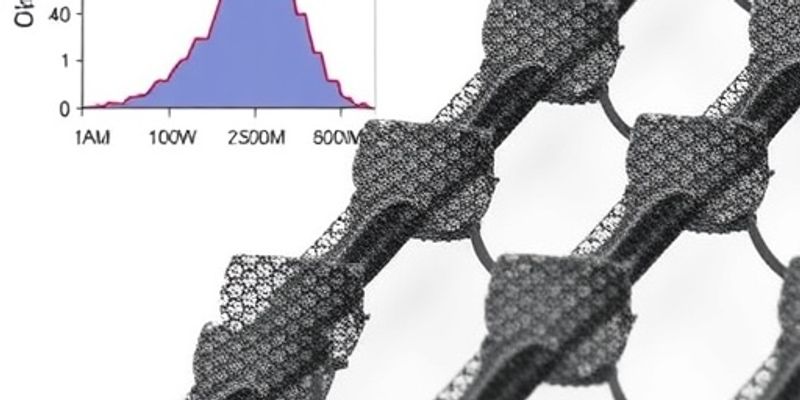
Researchers explain how optothermal Raman thermometry measures thermal conductivity in graphene by using laser-induced temperature changes. The method's accuracy depends on precise absorbed-power measurements.
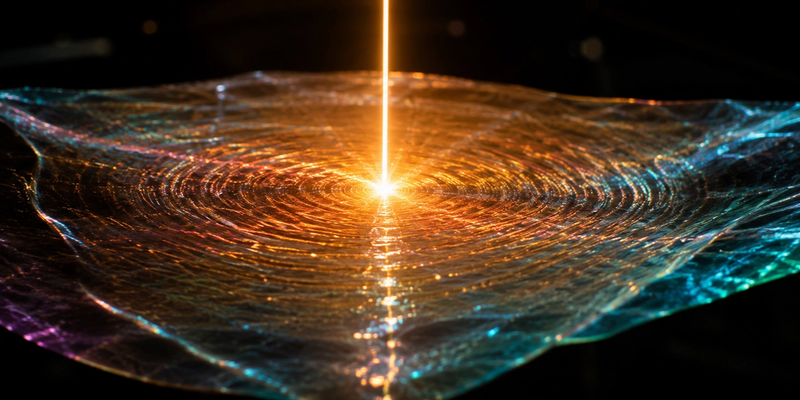
Researchers have discovered new quantum states in twisted graphene, revealing interactions between electronic correlation, superconductivity, and topology.
Researchers at Fudan University developed a memory device that uses a single electron to store data, achieving a 0.5-volt signal shift at room temperature.
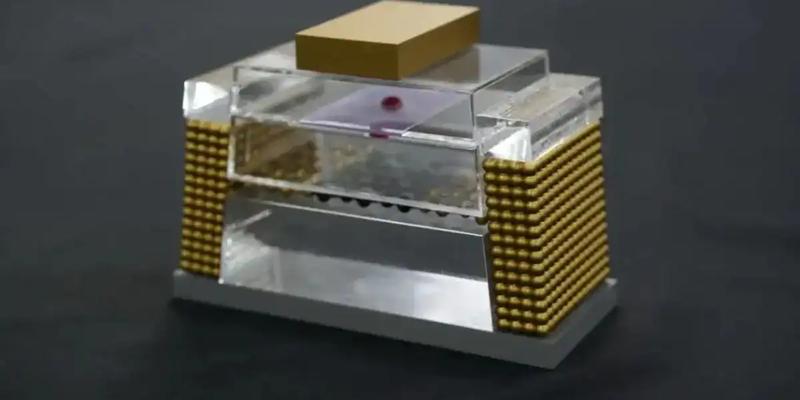
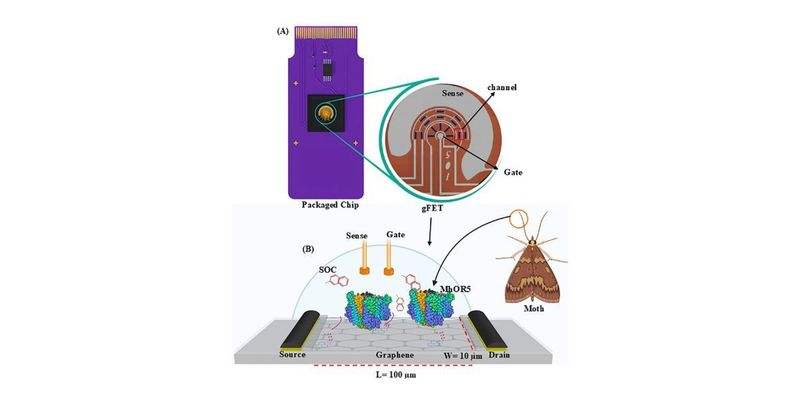
Bioengineers at UC San Diego integrated an insect olfactory receptor into graphene chips, creating a sensor that detects diverse organic compounds. This could lead to scalable, nature-inspired chemical sensors.
Researchers have set out a roadmap for improving electrical contacts in two-dimensional materials such as graphene, the persistent bottleneck holding back ultra-scaled transistors and flexible devices.

Researchers in China have developed a new flash memory device using a graphene-based structure that operates with a single electron.
Adisyn's graphene deposition process has been independently verified as repeatable. The company also received a US patent allowance for its graphene coating technology for metallic surfaces.
Adisyn Ltd raised A$14 million through an institutional placement, signaling investor interest in its graphene-based semiconductor strategy via its subsidiary, 2D Generation Ltd.

Researchers at Fudan University developed a 2D flash memory chip using graphene that stores data with a single electron at room temperature, significantly reducing energy consumption.
Mivium is developing high-quality gallium nitride nanopowders to enhance semiconductor performance, while Avadain is licensing technology to produce large-scale, defect-free graphene for industrial applications.
Lyten showcased its 3D graphene technology and high-temperature adhesives, emphasizing their applications in AI data centers.
Researchers created a flexible memristor using perovskite quantum dots and graphene oxide, improving low-light image recognition by over 10% and doubling the signal-to-noise ratio.
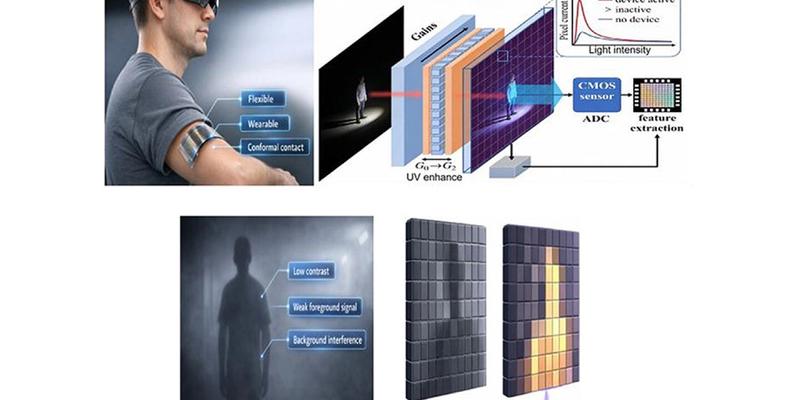
Researchers at the University of Arizona demonstrated that graphene nanoribbons can withstand gamma radiation, suggesting their potential use as radiation sensors in fusion reactors and deep space applications.
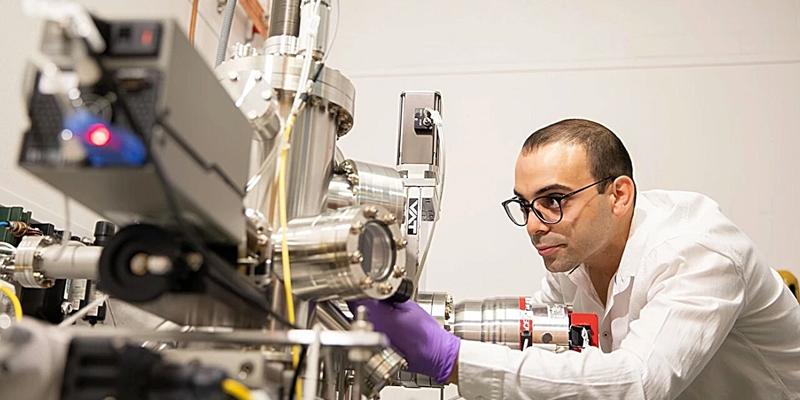
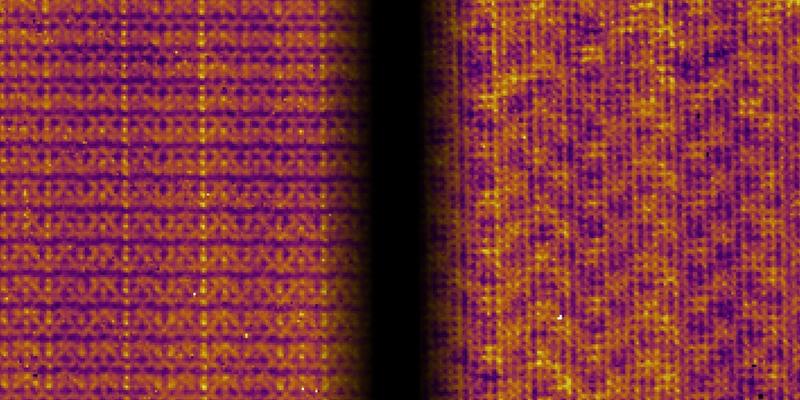
Researchers found that magnetic fields can influence electronic pattern formations in graphene, potentially affecting its electronic properties and applications.
Researchers at two London universities used QuEra's Aquila device to validate a method for extracting thermodynamic properties from nitrogen-doped graphene, tested on a 78-site system.
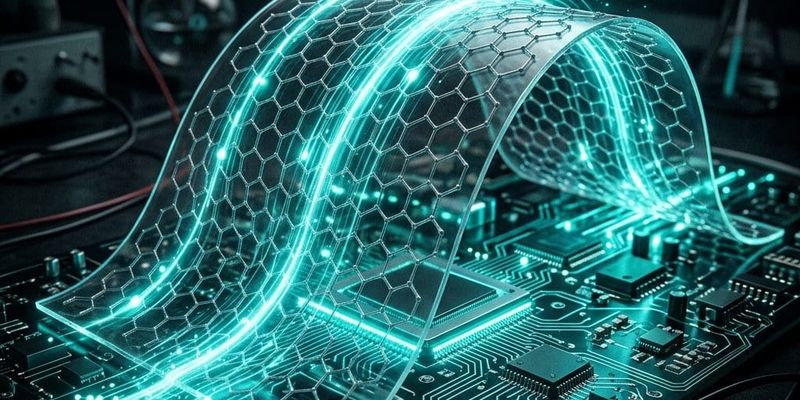
Researchers at Texas A&M University have developed a process to convert methane into graphene oxide using a nonthermal plasma-water interface, potentially reducing production costs.

Researchers have shown that graphene nanoribbons may enhance semiconductor technologies, benefiting applications in fusion energy and space environments.
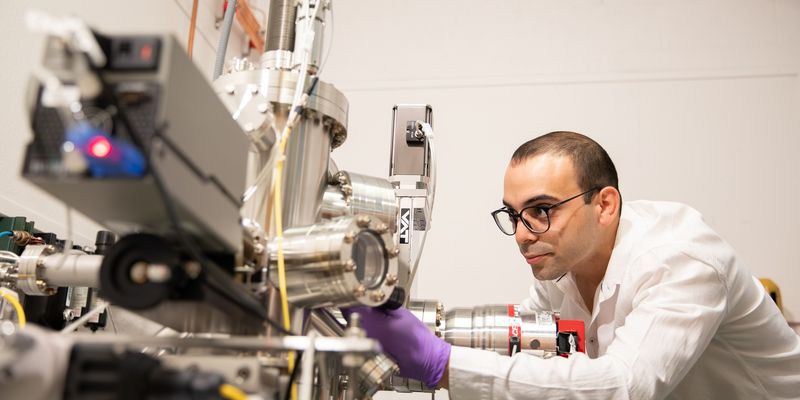
Researchers at IMDEA Materials Institute discovered that rotating graphene by about 1.1 degrees can induce superconductivity.
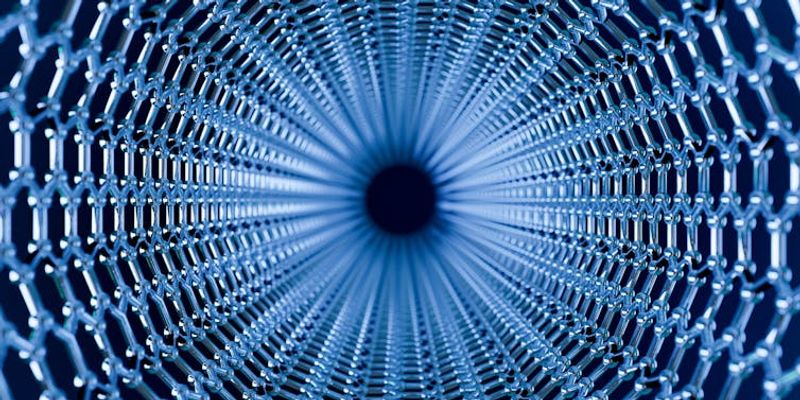
Researchers at Nagoya University have developed a technique to dynamically reshape graphene oxide nanofilms using computer-controlled electricity. This advancement could enhance the versatility of graphene-based materials in applications requiring precise 3D structures.

Researchers at Penn State have developed a battery-free solar computing chip that integrates silicon photovoltaics, MoS₂/WSe₂ complementary logic, and graphene chemical sensors. This innovation highlights the potential of graphene in enhancing the efficiency and functionality of solar-powered computing devices.
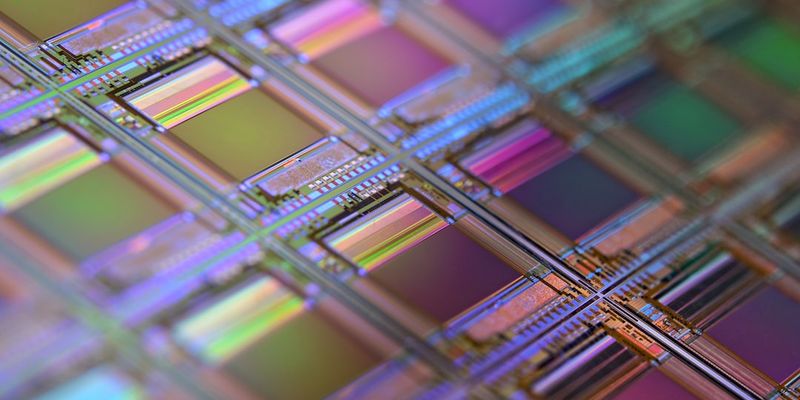
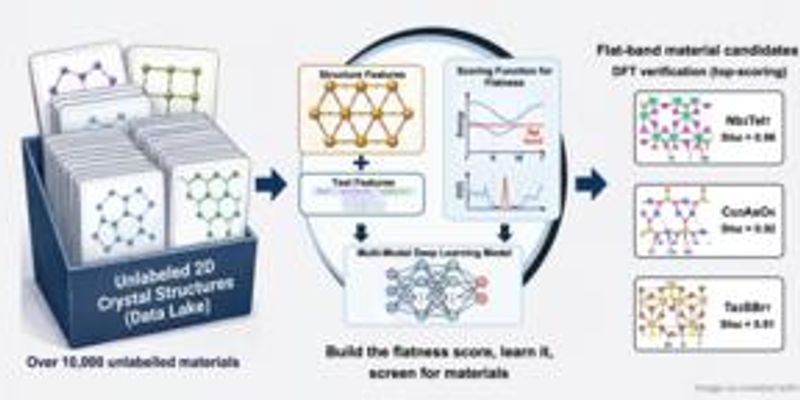
Researchers at the University of Manchester have developed a machine learning framework that improves the identification of flat-band two-dimensional materials. This advancement could accelerate the discovery and application of new materials for use in advanced carbon structures like graphene.
Researchers at Helmholtz-Zentrum Berlin have developed a new perovskite solar cell by incorporating graphene, enhancing its durability and efficiency. This advancement in perovskite technology could significantly reduce production costs and improve the performance of solar cells, potentially increasing the adoption of lightweight, flexible solar solutions over traditional silicon-based panels.

Researchers at Texas A&M University have developed a scalable process to produce graphene oxide from methane, a component of natural gas. This advancement could lower the cost of graphene oxide production, enhancing its availability for use in batteries, coatings, and electronics.
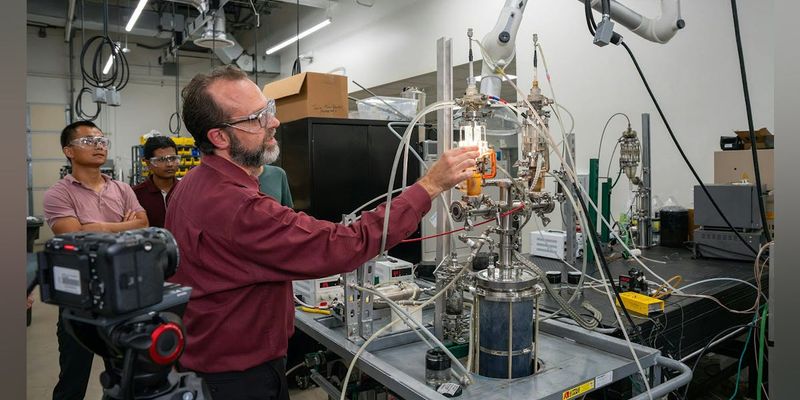
Researchers at the Helmholtz-Zentrum Berlin, along with collaborators, have developed a perovskite solar cell with a graphene-oxide interface that achieves 27.3% power conversion efficiency and maintains over 90% of this efficiency after 770 hours of operation. This advancement addresses the stability issues in all-perovskite triple-junction cells, potentially paving the way for more durable and efficient solar technologies using carbon-based materials like graphene.
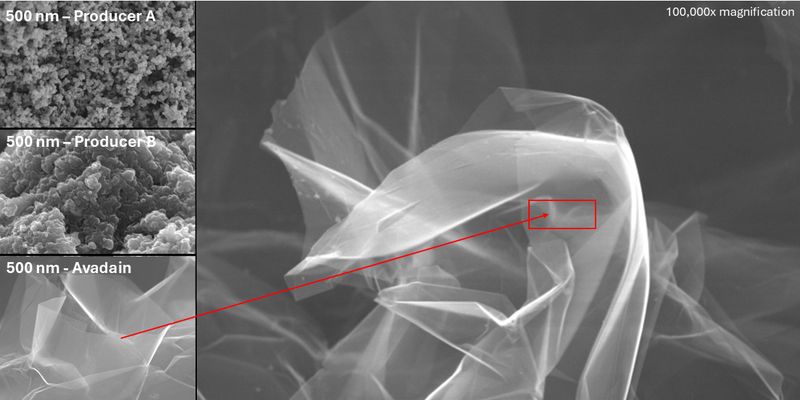
Avadain has developed a new graphene type called Large, Thin, Defect-Free (LTDF) graphene, which features flakes in the 25-100+ µm² range and averages under 5 atomic layers, aiming to enhance applications in critical minerals, rare-earth-free magnets, and high-power electronics. This advancement is significant because it addresses key limitations of commercial graphene, such as flake size, layer count, and defect density, potentially improving the performance of carbon-based materials in demanding applications.
Dr Qian Yang at the National Graphene Institute, University of Manchester, has developed a new learning tool to expedite the search for two-dimensional quantum materials. This advancement could accelerate the discovery and application of graphene and other 2D materials in various technologies.
Turquoise Group has achieved Verified Graphene Producer® status, confirming its capability to produce 30 tonnes of high-purity few-layer graphene annually at its Brisbane facility. This certification enhances the company's credibility in delivering high-quality graphene, a material crucial for applications in coatings, composites, and energy storage.

Researchers at the University of Central Florida measured giant acoustoelectric currents in monolayer graphene on lead magnesium niobate-lead titanate, pointing to surface acoustic wave devices and sensors.
Researchers at CNRS and Université Paris-Saclay traced anomalous gating in bilayer graphene on boron nitride to the twist angle between the layers, explaining hysteresis that has hampered device control.
Archer Materials has completed a $7 million placement and entered into a strategic partnership with IonQ. This development could significantly impact the use of graphene in quantum computing applications, expanding its role beyond qubit hardware development.

Researchers at Texas A&M University have developed a new method to produce graphene oxide from methane using a plasma-based reactor, which simultaneously generates hydrogen as a byproduct. This scalable approach could reduce reliance on graphite for graphene oxide production, offering a cost-effective alternative for applications in batteries, electronics, and advanced manufacturing.
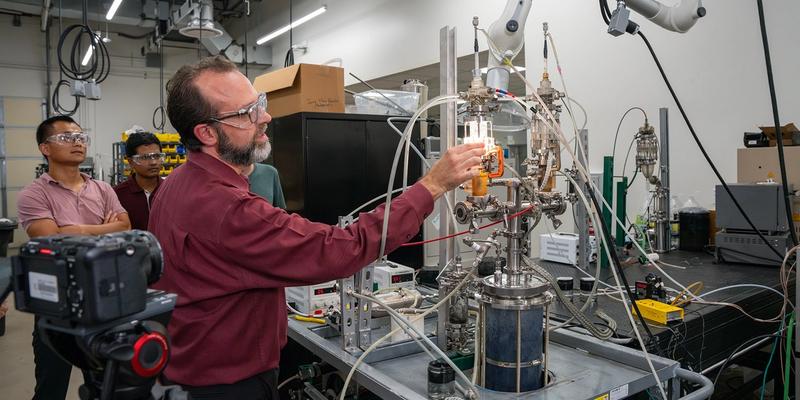
Researchers at MIT have discovered that rhombohedral graphene can host multiple superconducting states simultaneously, with some states becoming stronger under magnetic fields. This finding is significant for advanced carbon materials as it reveals new possibilities for manipulating graphene's superconducting properties, which could impact quantum computing and other technologies relying on superconductivity.
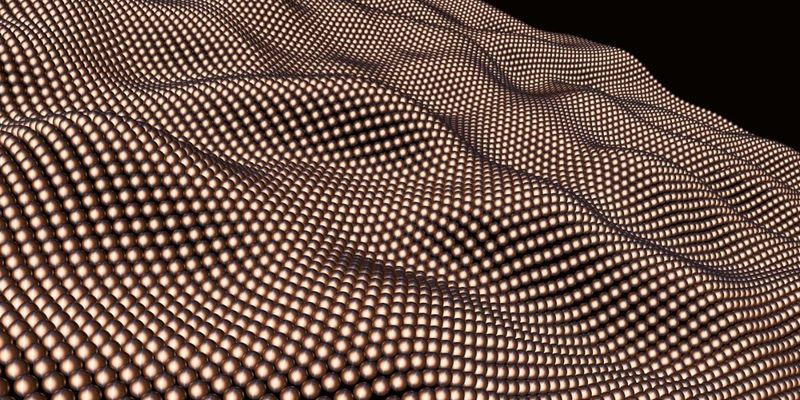
Avadain has increased its crowdfunding cap to $3.75 million to support its graphene production initiatives. This funding boost is significant for the advanced carbon materials sector as Avadain's graphene has the potential to replace silver in printed electronics and mined graphite in battery anodes.

Researchers at MIT, the University of Basel, Florida State University and Japan's National Institute for Materials Science report unconventional superconducting states in rhombohedral multilayer graphene that are enhanced rather than destroyed by magnetic fields.
Researchers at Concordia University have developed nanocomposites using graphene oxide and reduced graphene oxide embedded in a nanocellulose matrix, achieving high accuracy in predictive modeling with R² > 0.99. This advancement is significant for the field of advanced carbon materials as it demonstrates the potential of these composites in applications such as wearable electronics and biosensors, leveraging the unique properties of graphene oxide and reduced graphene oxide.
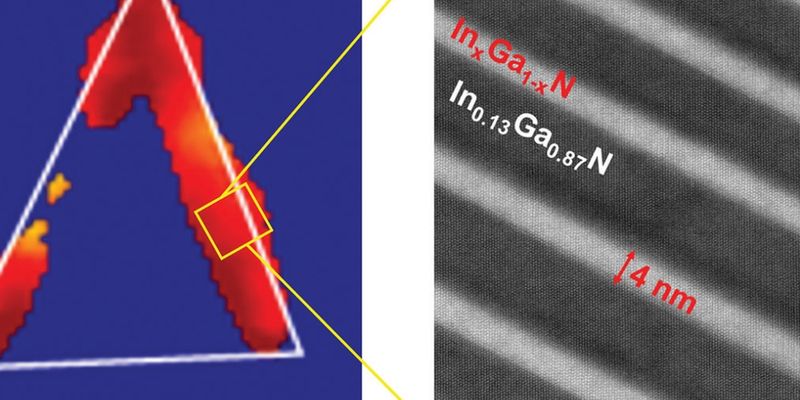
Researchers at CEA-Leti and CRHEA/CNRS grew InGaN nanopyramids through a patterned graphene monolayer on SiC, achieving red, green, and blue emission from a single epitaxial growth with an indium content up to 45 percent in the quantum wells. The approach uses graphene as a selective-area growth mask to produce relaxed InGaN pseudo-substrates, addressing the long-standing efficiency drop in InGaN-based red emitters that has blocked monolithic full-colour microLED integration for AR displays.
Sparc Technologies announced the expansion of its graphene additive range with a product line called Sparces on June 29, 2026. The move broadens the company's graphene additive offerings, which are relevant to composite and materials manufacturers seeking graphene-based performance enhancements.

Sparc Technologies launched SparcES™, a graphene additive range for ESD and conductive coatings targeting data centres, semiconductor facilities and EV battery plants, following 24 months of internal conductivity testing. The range positions graphene as a potential lower-dosage alternative to carbon black, graphite, carbon nanotubes and metal nanowires in a global ESD and conductive coatings market estimated at US$1.2 billion in 2026.

Researchers observed four superconducting states in rhombohedral graphene, three of which persisted under applied magnetic fields. This finding advances understanding of graphene's quantum electronic properties, which could inform the development of graphene-based materials and devices.

Researchers studied the electro-optic properties of graphene oxide liquid crystals (GO-LCs) dispersed in organic solvents, extending prior work beyond aqueous systems. The findings are relevant to the graphene sector as they inform the development of GO-LC-based low-power display and electro-optic device applications.
MIT researchers published a study in Nature finding that rhombohedral graphene, a naturally occurring stacked structure within ordinary graphite, hosts at least four distinct superconducting states, three of which persist under magnetic fields up to 9 tesla and one of which strengthens under a perpendicular magnetic field. The findings expand understanding of graphene's electronic behavior, reinforcing its relevance as a platform for discovering unconventional quantum phenomena in carbon-based materials.
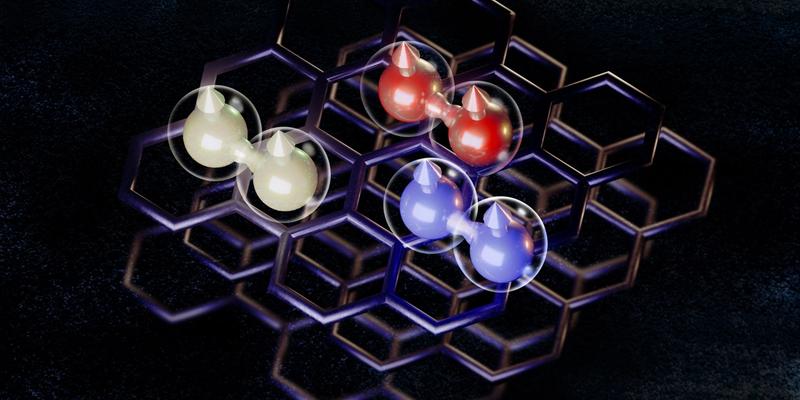
European semiconductor companies raised substantial funding in 2025, with the ten largest rounds ranging from NXP Semiconductors' €1 billion EIB loan down to IQE's £18 million convertible note, spanning AI chips, photonics, power electronics, memory, and chip cooling. Two graphene-focused companies, Paragraf ($55M Series C) and CamGraPhIC (€25M Series A), secured funding to scale graphene-based electronic devices and graphene silicon photonics respectively, signaling continued investor commitment to graphene's commercial role in semiconductors and optical interconnects.

Paragraf, a graphene electronics foundry based in Cambridgeshire, UK, has formed a new Advisory Committee comprising Oreste Donzella, Jean-Michel Richard, and Thomas Piliszczuk, with Donzella and Richard also joining the board as non-executive directors. The appointments signal Paragraf's push to scale graphene semiconductor manufacturing and expand into global electronics markets, drawing on advisors with deep experience at firms including Texas Instruments, Micron, KLA, and imec.

Tsinghua University Press awarded the 13th annual Nano Research Award to UCLA professor Xiangfeng Duan, recognized for his work on 2D materials, van der Waals heterostructures, and porous graphene architectures, and to Akira Fujishima of the University of Shanghai for Science and Technology, recognized for discovering the Honda–Fujishima Effect and pioneering TiO₂ photocatalysis. Duan's advances in graphene-based energy storage and 2D material synthesis are directly relevant to the carbon materials sector, while Fujishima's photocatalytic coatings have established commercial applications in surface decontamination and industrial wastewater treatment.

Professor Roman Gorbachev at the University of Manchester received a £1.9 million EPSRC Open Fellowship to lead a five-year project scaling van der Waals 2D material heterostructures from micrometre samples to wafer-scale fabrication using a new ultra-high vacuum platform. The work directly advances graphene and 2D materials manufacturing by targeting industrial-process compatibility and establishing a UK fabrication hub accessible to academic and industry users.

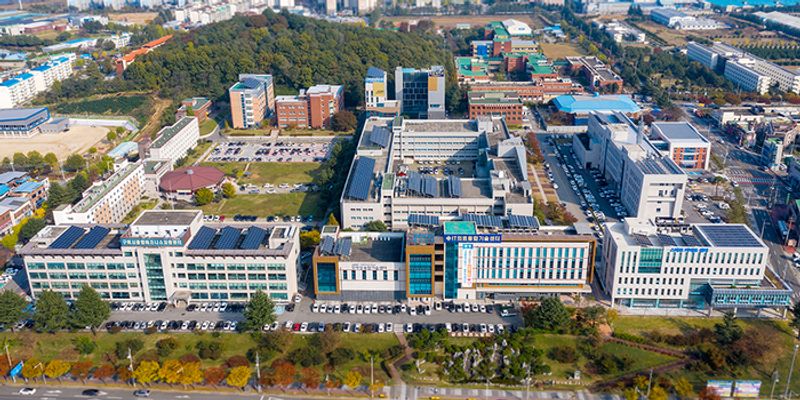
Gyeongsangbuk-do Province secured 30 billion won in South Korean state funds across three projects targeting graphene 2D nanomaterials, ultra-precise electronic glass, and on-device AI for manufacturing, running from 2026 to 2030. The graphene project, organized by POSTECH Nano Convergence Technology Institute with 14.3 billion won, aims to build Korea's first end-to-end infrastructure covering graphene synthesis through to commercialization, addressing the country's longstanding gap between R&D capability and industrial-scale production.
Jeong Min Park and colleagues at Princeton University used scanning tunneling microscopy/spectroscopy to observe energy splitting in fractional quantum Hall states of graphene at filling factors of 1/3 and 2/5, caused by multi-anyon configurations trapped near charged impurities. The findings establish local tunneling spectroscopy as a method for probing anyon bound states in graphene, a material central to advanced carbon research, with implications for topological quantum computation relying on graphene's two-dimensional electron properties.

Researchers at IIT Kanpur and the Indian Institute of Science Bangalore derived scaling relations from Onsager's quantization relation to distinguish the origins of quantum oscillation beating in graphene, showing that a pseudomagnetic field yields Nc,j ∝ (2j+1)Bc,j² while energy splitting yields Nc,j ∝ (2j+1)²Bc,j². The framework gives experimentalists a quantitative tool to identify strain-induced pseudomagnetic fields versus valley- or spin-dependent band splittings in graphene-based systems, directly informing the characterization of graphene materials and devices.
Researchers at INL and Universidad Autónoma de Madrid used a scanning tunnelling microscope to place individual hydrogen atoms on graphene, observing spin interactions across distances exceeding 10 nanometres, with findings published in Nature Communications. The work establishes graphene as a platform for atomic-scale magnetic control, which has potential implications for quantum computing applications that rely on engineered carbon-based materials.

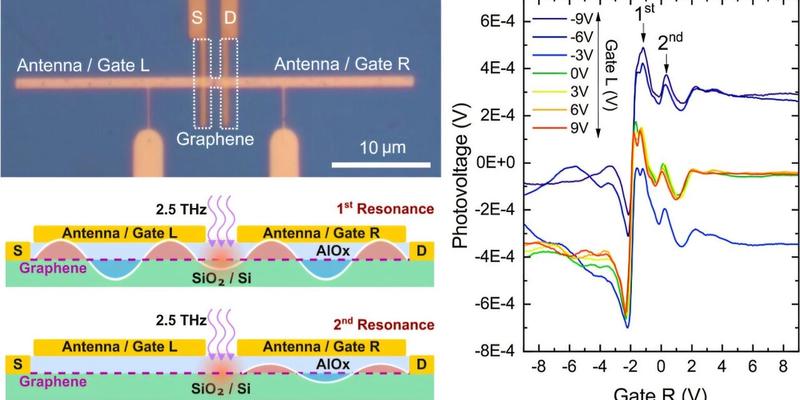
Researchers at ICFO and partner institutions built a monolayer graphene terahertz photodetector using acoustic graphene plasmon cavities grown via chemical vapor deposition, achieving a 30% higher photoresponse than conventional devices without hexagonal boron nitride encapsulation, published in ACS Photonics in 2026. The result shows that CVD-grown graphene can deliver competitive THz detection performance without the fabrication complexity of hBN encapsulation, lowering a barrier to large-scale graphene device manufacturing.
Canada's graphene sector has developed across production, construction, filtration, printed electronics, and energy storage, with companies such as NanoXplore operating a 4,000-metric-ton-per-year facility in Montréal and firms like Zentek and Graphene Leaders Canada advancing application-specific products toward commercial deployment. The ecosystem signals a shift from materials science demonstration toward repeatable industrial use cases in carbon-based composites, conductive additives, and separation technologies, though commercial viability still depends on product qualification, standardization, and cost competitiveness against incumbent materials.
Terrance Barkan of the Advanced Carbons Council and Dr. Andrew Pollard of the UK's National Physical Laboratory discussed how measurement science, standardization, and materials verification underpin the commercialization of graphene and other advanced carbon materials. For the sector, the conversation highlights that without validated characterization methods and traceable measurement standards, reproducible manufacturing and scalable deployment of carbon nanomaterials — including graphene, carbon nanotubes, and emerging MXenes — remain unachievable.
A team led by Yingke Wu and Tanja Weil at the Max Planck Institute for Polymer Research synthesized 3–4 nm nanodiamonds from nanographene building blocks under high pressure and temperature, publishing the results in Nature. The bottom-up method gives precise control over nanodiamond size and allows silicon- and germanium-based optical emitters to be incorporated during synthesis without post-processing, which is relevant for carbon-based quantum and photonic material development.
Researchers studied the electronic structure and intervalley coupling of graphene superlattices, comparing artificial superlattices with genuine graphene-based ones, including monolayer/bilayer graphene heterostructure configurations analyzed via transfer matrix theory. The findings advance understanding of electron behavior in graphene superlattices, which is relevant to engineering graphene's electronic properties for applications in graphene-based devices and materials.
Researchers used single-particle orbital entropy as a diagnostic tool to study interaction-driven quantum dynamics in graphene flakes. The work establishes graphene flakes as a benchmark system for quantum simulation, relevant to modeling electron correlation in carbon nanomaterials.

Scientists at the Hefei Institutes of Physical Science demonstrated a graphene-based terahertz modulator achieving 92% modulation depth at 0.4 THz and switching speeds approaching 100 GHz, with results published in Nature Photonics. The device's fabrication in standard semiconductor cleanroom processes positions graphene as a viable material for scalable 6G wireless components operating in the terahertz band.

Tsinghua University researchers published a CVD process in Nature Materials that produces single-crystal graphene across 12-inch silicon wafers with defect densities below 1%, using a copper-nickel alloy substrate and a dry-transfer method, achieving carrier mobilities above 16,000 cm²/V·s. The process is compatible with existing semiconductor fab infrastructure and has been licensed to SMIC and TSMC, advancing the prospect of graphene integration into commercial microelectronics manufacturing.

Inspire Nano licensed its graphene-coated copper electrode platform to Furukawa Electric for Asia-Pacific high-frequency signal transmission applications in a deal worth $9 million upfront plus royalties. The graphene coating reduces skin-effect losses at frequencies above 1 GHz by 22 percent, with direct relevance to graphene commercialization in 5G/6G infrastructure and data center cable markets.

A Korea University team led by Professor Lee Ji-hye grew 4 cm × 4 cm single-crystal graphene domains on copper foil via modulated CVD with hydrogen pressure cycling, surpassing the previous ~2.5 cm record, as reported in Nature Nanotechnology. The grain-boundary-free films, compatible with existing industrial CVD reactors, achieve carrier mobilities up to 600,000 cm²/V·s, advancing the viability of large-area defect-free graphene for high-performance electronics.
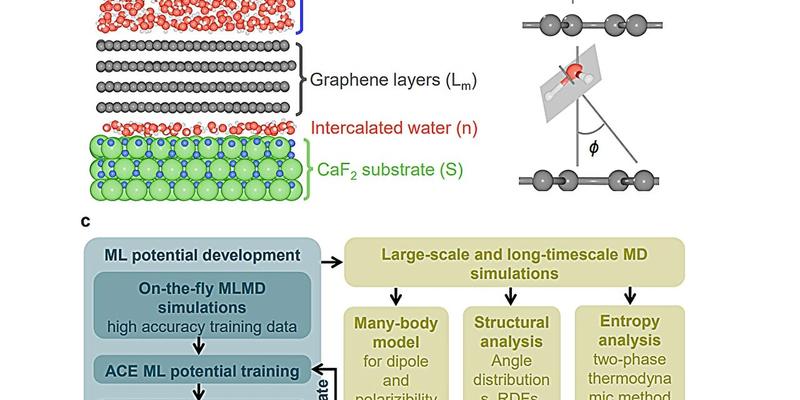
Researchers at the Institute for Basic Science and Korea University used machine-learning interatomic potentials to demonstrate that pristine graphene is intrinsically hydrophobic, with apparent hydrophilic behavior in prior experiments caused by water molecules intercalating beneath monolayer graphene and canceling spectroscopic signals. The findings clarify graphene's true interfacial properties, with direct implications for graphene-based desalination membranes, nanofluidic devices, and fuel cells where unintended water intercalation must be accounted for in design.
Graphene Manufacturing Group (GMG) submitted a Significant New Use Notice (SNUN) to the US EPA on June 2, 2026, seeking authorization to manufacture, distribute, and sell graphene coatings, lubricants, and fluids domestically in the United States, with approval expected by end of June 2027. The filing marks a shift from export-only access to domestic graphene production in the US, which could establish a local graphene supply chain for industrial applications including HVAC coatings and engine lubricant additives.

NeoGraf commissioned a new production line at its Lakewood, Ohio facility, adding 2,000 tonnes per annum of flexible graphite sheet capacity funded by a $38 million investment, bringing its total to 11,000 tonnes per annum. The expansion increases domestic supply of high-purity exfoliated graphite sheets for EV battery thermal management, where the material's in-plane thermal conductivity above 600 W/m·K at low density addresses a critical requirement for North American automotive manufacturers.

GraphEnergyTech, the University of Cambridge, Taiwan Perovskite Solar Corporation, and ITRI launched the GETPSC project to develop graphene-based electrodes as a replacement for silver electrodes in perovskite solar cells. The project targets a known barrier to commercial-scale perovskite adoption, with potential secondary applications for GraphEnergyTech's conductive carbon technology in batteries, supercapacitors, and electronics.
Premier Graphene Inc and Mitsubishi Pencil Company signed a joint development agreement to co-develop graphene-based conductive inks for printed electronics, targeting two co-branded product launches in late 2026 with a combined first-year revenue target of 12 million USD. The deal advances commercial adoption of single-layer graphene dispersions in printed electronics applications such as RFID tags, smart packaging, and biosensor electrodes.

Researchers at the Indian Institute of Science published a graphene quantum dot LED achieving 23% external quantum efficiency in the blue spectrum in Nature Photonics, using sulfur-functionalized, size-controlled graphene quantum dots to reduce non-radiative recombination. The result advances graphene quantum dots as viable blue emitters for display applications, with the team already collaborating with Samsung Display on integration into commercial display stacks.

Researchers developed a graphene origami method using a polymer micro-tip to fold and twist graphene on silicon dioxide substrates, producing controlled stacking and twist-angle configurations from a single sample. The technique offers a more stable and cost-effective alternative to tear-and-stack fabrication for accessing quantum states in twisted few-layer graphene, which is relevant to graphene-based materials research.
HydroGraph added Hubron International, a Manchester-based masterbatch and conductive polymer compounder with over 90 years of experience, to its Fractal Graphene Compounding Partner Program on February 10, 2026. The partnership gives HydroGraph access to Hubron's global distributor network and established carbon nanomaterial processing capabilities, supporting broader commercial adoption of graphene in thermoplastic applications across automotive, electronics, and other sectors.

University of Manchester researchers led by Professor Catalina Espinosa reported room-temperature superconductivity (zero resistance up to 291 K) in twisted bilayer graphene films at a 1.05-degree twist angle under uniaxial strain, published in Nature this week. If replicated, the finding would establish a viable pathway for graphene-based superconducting applications, a property previously unachievable in this material above ~5 K.