News14 October 2026· Biochar Feed
Old Tyres Turned Phosphorus Magnets Could Feed Crops and Clean Wastewater
BiocharHydrogenMembranes & FiltrationRubber & SyntheticsSustainabilityResearch & Innovation
97 articles on Regulators.
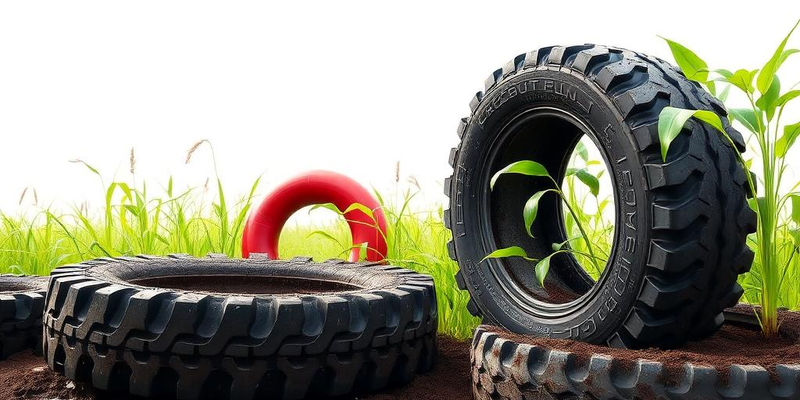
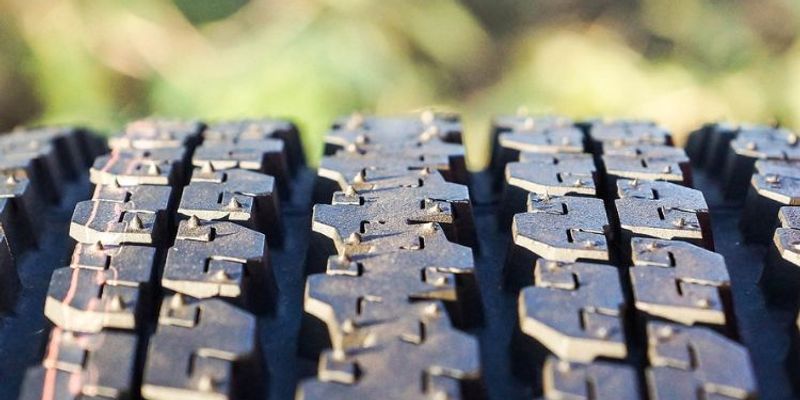
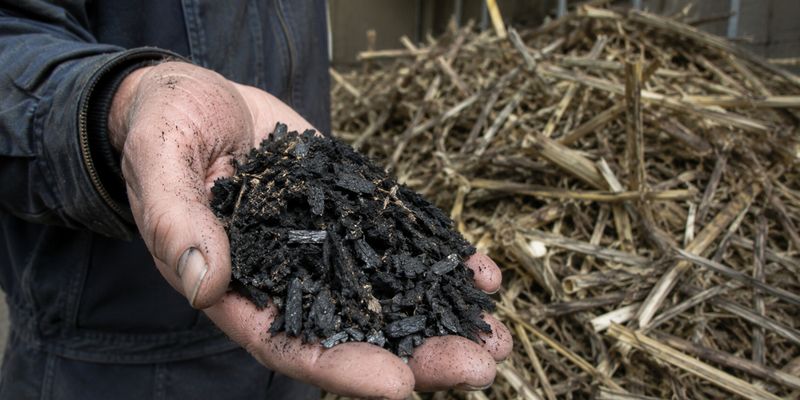
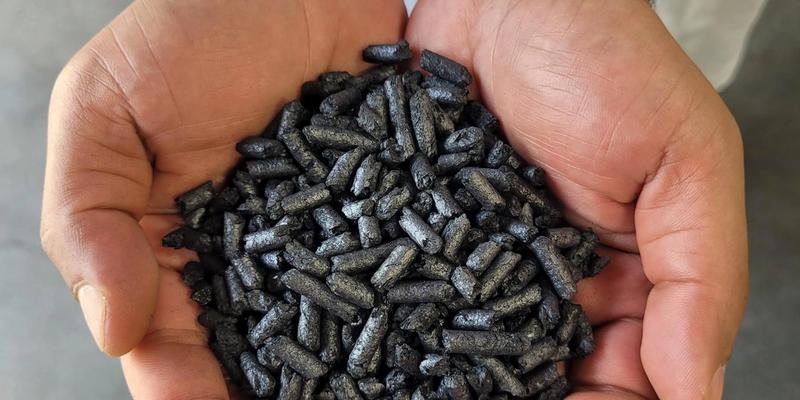
Researchers converted waste tyre biochar using hydrogen peroxide to create a material that removes 99% of phosphorus from wastewater.
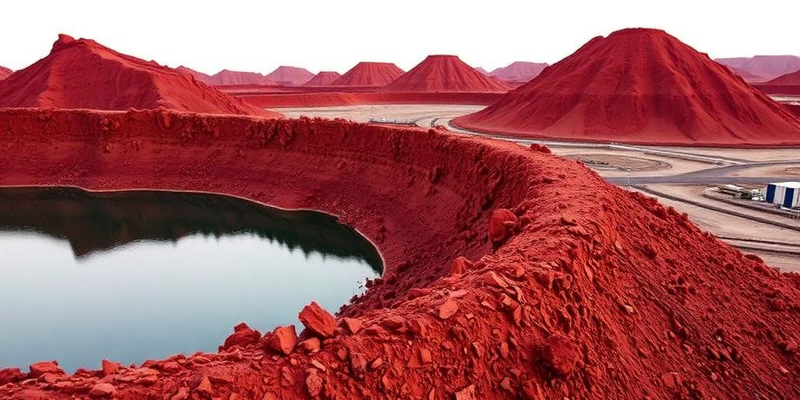
Researchers created carbon-fiber-reinforced geopolymer composites using red mud and ore tailings, achieving electromagnetic shielding effectiveness up to 33.5 decibels in the X-band frequency range.
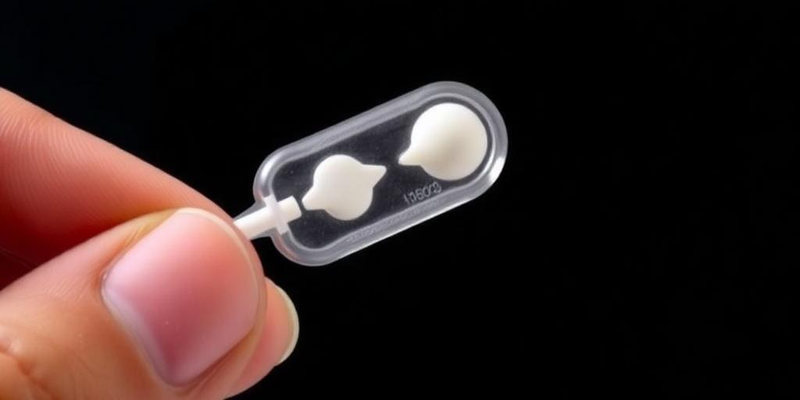
Researchers have developed Lollylab, a lollipop-shaped device that measures acetaminophen levels in saliva in under two minutes using a graphene sensor, offering a noninvasive testing method.
Researchers at Khalifa University have developed hybrid membranes using gallic acid-functionalized MXene, achieving over 95% rejection of dyes and pharmaceuticals in wastewater treatment tests.
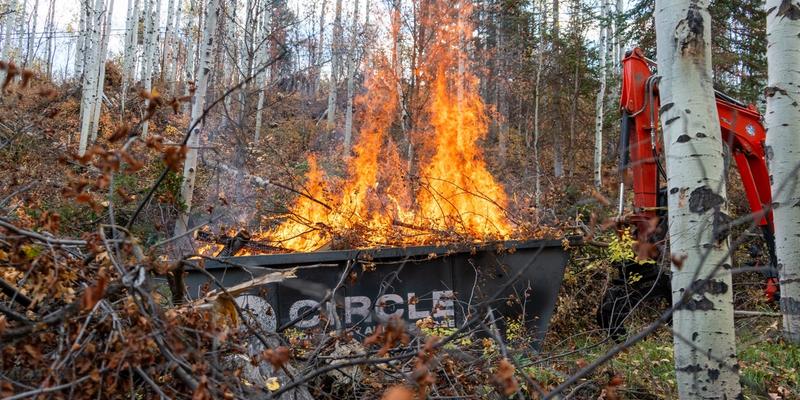
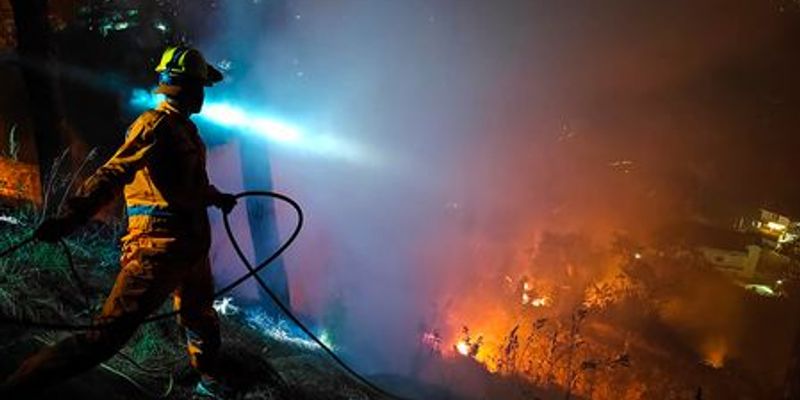
Park City is piloting biochar production in Thaynes Canyon to reduce wildfire risks and improve soil health. The project covers 200 acres and aims to enhance water retention.
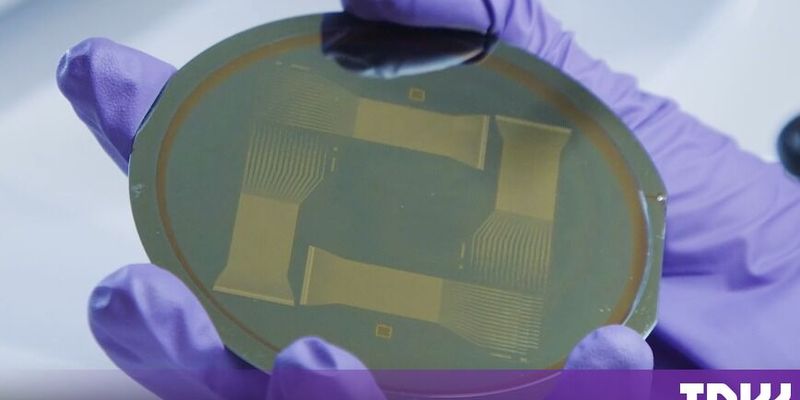
Researchers in the EU-funded MINIGRAPH project developed a magnetic robot to implant graphene electrodes in the brain along curved paths.
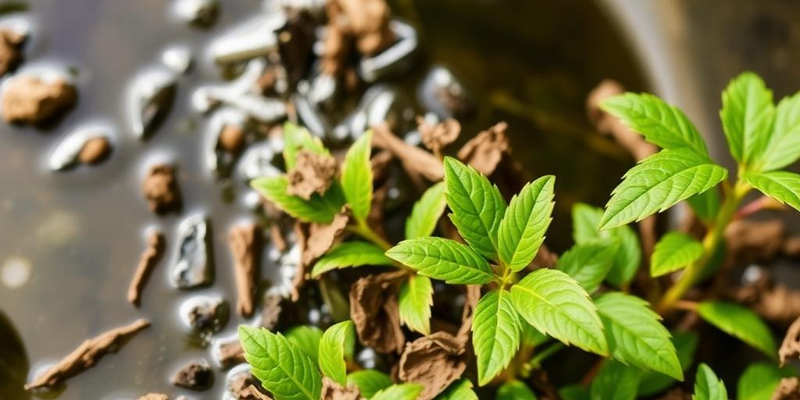
Researchers at Northeast Normal University developed a nano-magnesium oxide modified pyro-hydrochar from Rhus typhina biomass, achieving a fluoride adsorption capacity of 469.64 mg/g, outperforming other magnesium oxide adsorbents.
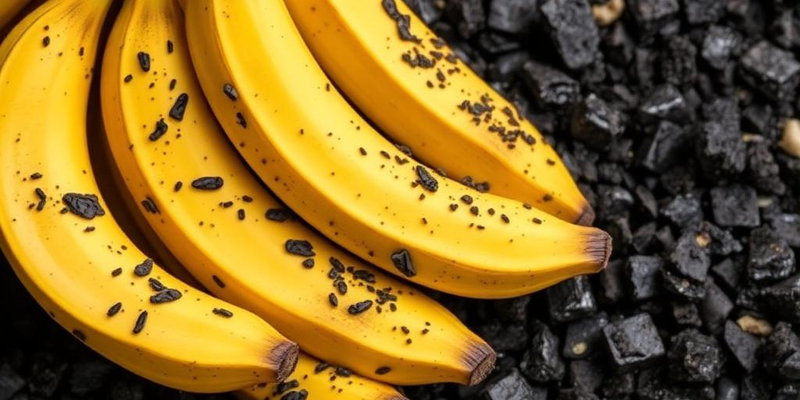
Researchers in Qatar discovered that non-activated biochar from banana peels increased biocrude yield from sewage sludge to 37.88%, thanks to its high potassium content.
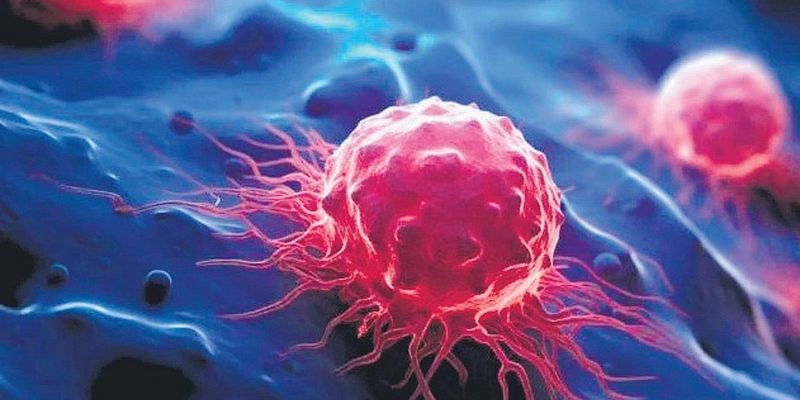
Researchers at BEMMS, in collaboration with ICMR-NARFBR, developed a nanocarbon compound showing up to 90% effectiveness in destroying breast cancer tumor tissue in preclinical mouse studies.
Albany Engineered Composites secured a $21.2 million contract to develop carbon-carbon composite thermal protection systems for hypersonic vehicles and solid rocket motors over 30 months.

Researchers evaluated biochar as a sustainable substitute for coal and coke in steelmaking, focusing on its metallurgical, technical, and environmental impacts from input to steel production.
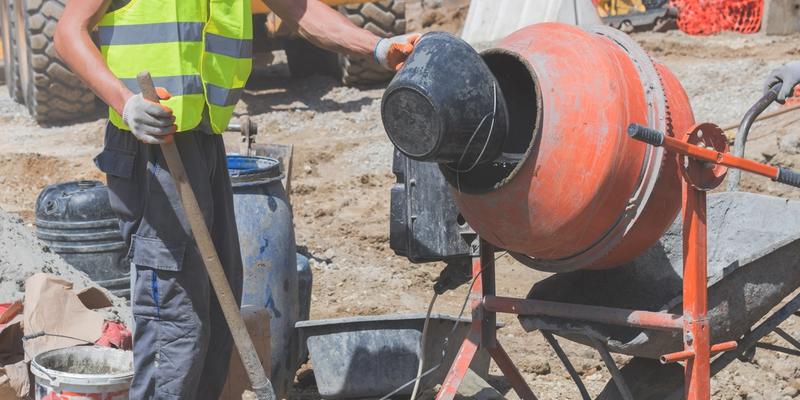
Researchers found that concrete with 5 to 10 percent of its cement replaced by sewage-derived biochar strengthens over time.
Researchers found that tiny particles from activated carbon and biochar can bypass water filters, carrying contaminants like lead. This challenges current water-treatment assessments.
Researchers highlight biochar's potential for carbon sequestration by converting biomass into stable carbon storage. Biochar can be produced globally and offers additional agricultural benefits when added to soil.
The Advanced Carbons Council calls for a U.S. carbon materials innovation platform focused on standards, testing and buyer qualification. The paper links engineered-carbon supply chains to manufacturing, energy, defense and AI infrastructure. Serves as a model for governments world-wide.
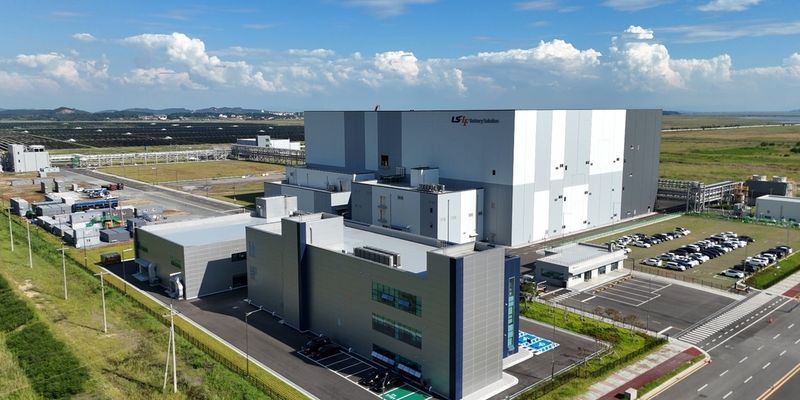
LS-L&F Battery Solution is testing precursor materials using LS MnM's metal sulfates. If successful, commercial production could start in Q4, with a 40,000-ton annual capacity.
Mepco Schlenk Engineering College researchers developed a concrete mix with zeolite and bamboo biochar, increasing compressive strength by 7.48% and absorbing 1.2 grams of CO2 daily.
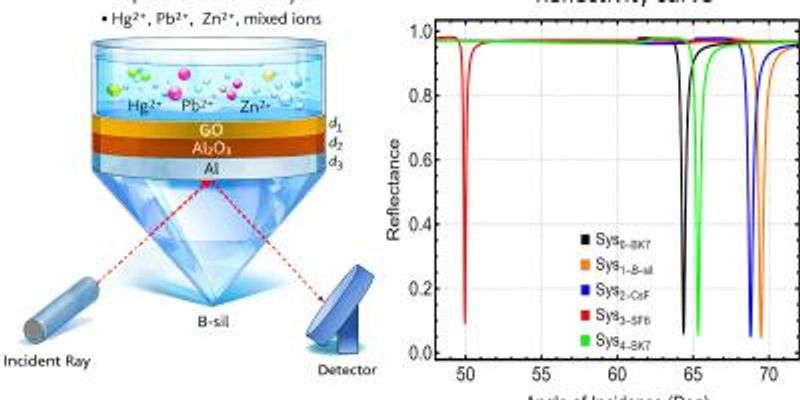
Researchers have designed a graphene oxide-based SPR sensor for detecting mercury, lead, and zinc in water. The simulated sensor achieved angular sensitivities up to 338°/RIU.
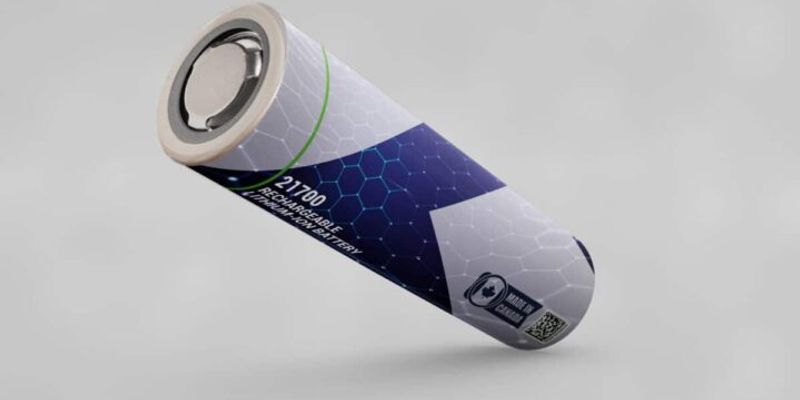
VoltaXplore is redirecting its 21700 lithium-ion cells from electric vehicles to defence drones and unmanned ground vehicles, supporting testing and qualification at its 1-MWh facility.
NanoXplore and VoltaXplore have been approved as qualified suppliers under Canada's Defence Drone Initiative Marketplace, covering graphene-enhanced composites and lithium-ion battery cells.

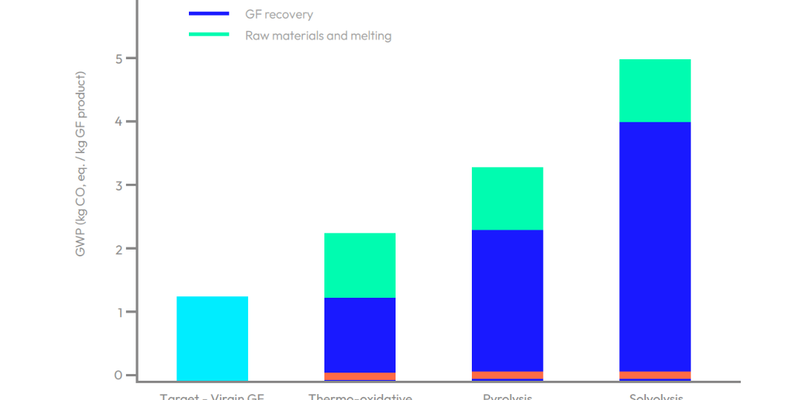
The NCC-led SusWIND program reports that recycled wind turbine blade glass fiber can achieve a carbon footprint similar to virgin fiber if recyclers improve pyrolysis efficiency and polymer recovery.
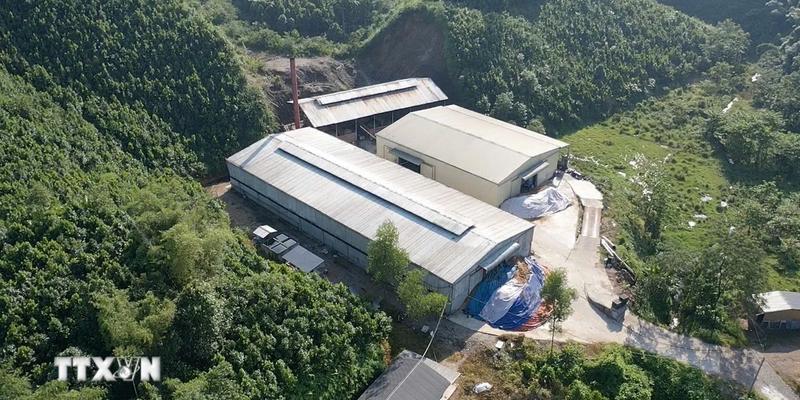
A biochar facility in Viet Hong commune, Lao Cai province, halted operations after complaints about emissions. The facility seeks guidance to complete legal procedures and resume production.
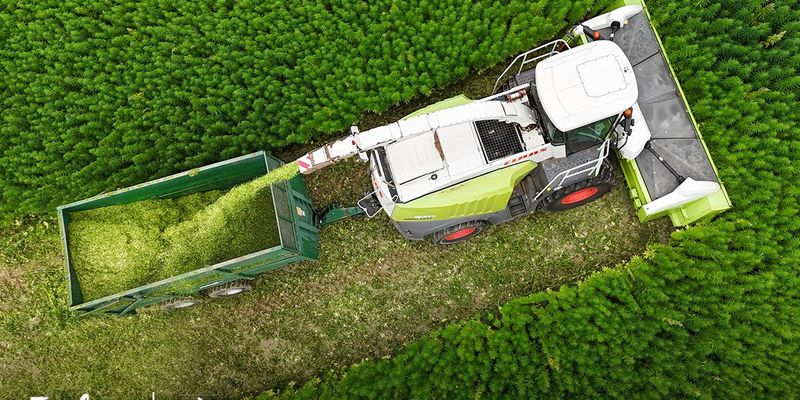
Carbon Hill's upgraded biochar plant in Wales now produces 2.5–3.0 tonnes daily, enhancing carbon sequestration efforts.
Researchers in Houston found that C60-ser, a modified fullerene, reduced brain inflammation and improved spatial memory in mice after cranial radiation therapy.

Researchers found that slow pyrolysis can transform heavy metal-contaminated crops into biochar, which can improve soil fertility and aid in pollution remediation due to its high specific surface area.
Researchers at the University of Oulu report wood-derived adsorbents can capture 863.8 milligrams of tetracycline per gram, highlighting their potential in addressing pharmaceutical pollution in wastewater.
South Korea's government launched a €30 million R&D program to improve the use of recovered carbon black in tire compounds.
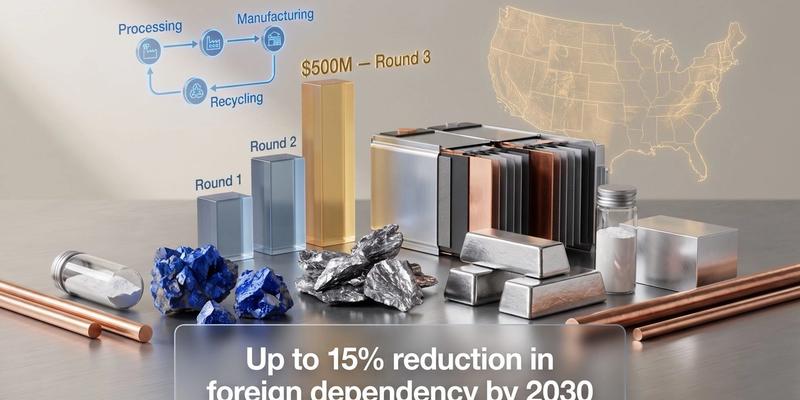
The U.S. Department of Energy has allocated $500 million to strengthen domestic processing and manufacturing of critical battery materials, aiming to reduce foreign supply chain reliance by 15% by 2030.
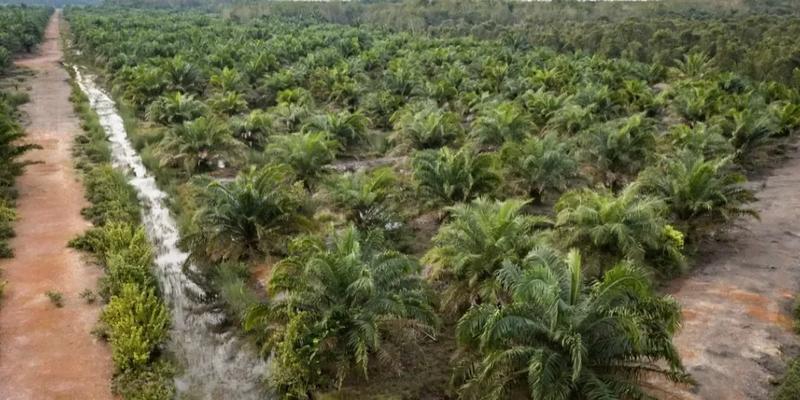
Researchers and industry leaders in Jakarta urge converting Palm Oil Mill Effluent into biogas. Indonesia's vast effluent pool remains largely untapped due to a lack of binding regulations.
Researchers at Nankai University have developed Sar-KOH, a Sargassum-derived biochar with a CO2 adsorption capacity of 120.5 mg/g, using potassium hydroxide treatment before pyrolysis.
HydroGraph Clean Power Inc. opened its Texas headquarters in Austin, featuring a facility capable of producing 30 tons of pristine graphene annually. Congressman John Carter attended the event.

The Ellington anaerobic digestion facility will use 115 tons of Arigna biochar for ground stabilization, aiding carbon offset in construction. Completion is expected in approximately 18 months.
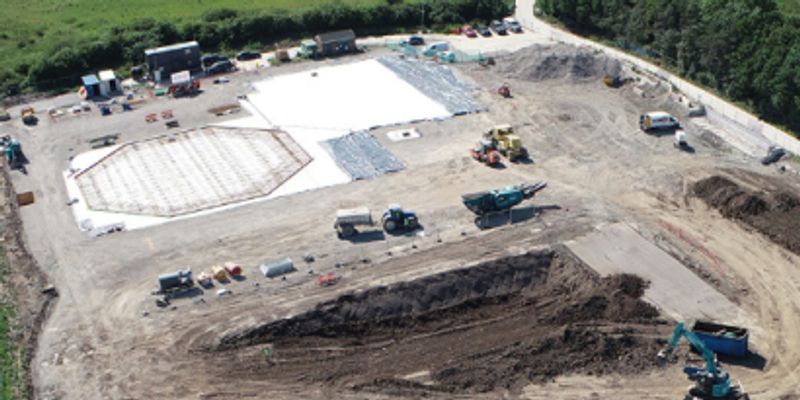
The North Carolina Department of Environmental Quality awarded $1 million for mobile biochar equipment to convert Hurricane Helene debris into a soil amendment for flood-damaged farmland in Haywood County.
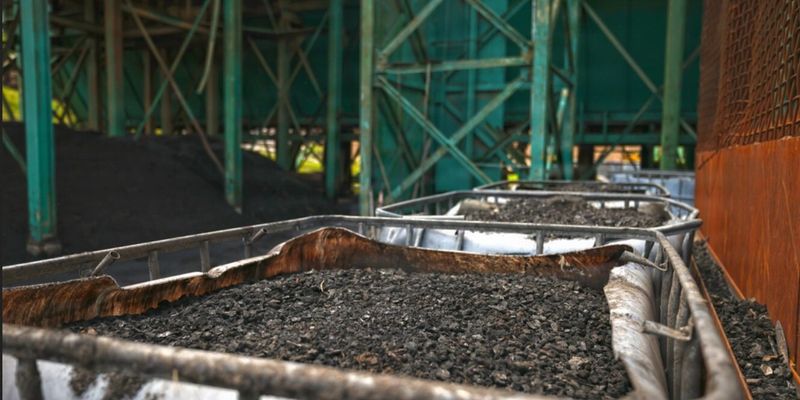
The federal government is providing $7 million to the Capital Regional District for a biosolids project on Vancouver Island, transforming wastewater treatment leftovers into biochar.
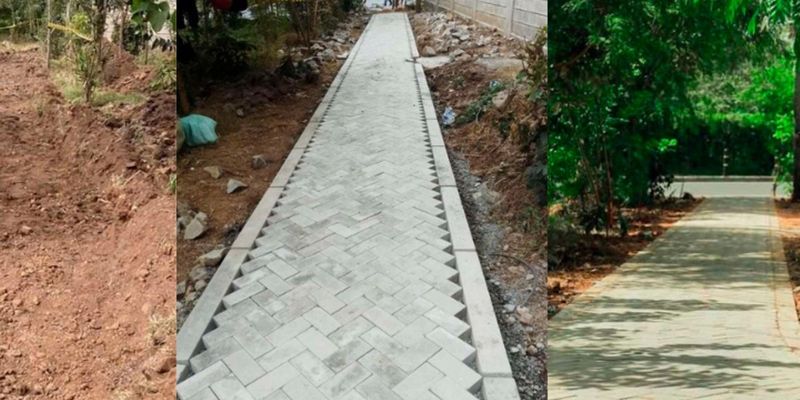
A new walkway in Nairobi's Upper Hill uses carbon-capturing concrete with biochar to test carbon-negative construction methods.
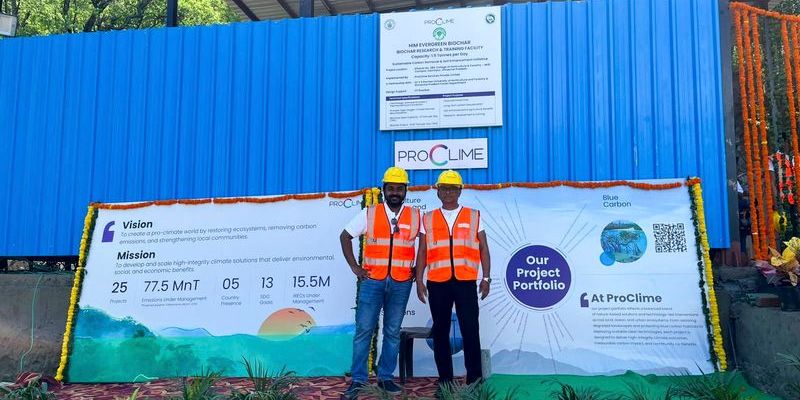
Himachal Pradesh has launched India's first indigenous biochar plant, processing 1.5 tonnes of pine needles daily to combat forest fires and climate change.
The European Commission released new certification rules for EU-wide permanent carbon removals, addressing DACCS, BioCCS, and biochar.
A new Biochar Research and Training Facility with a 1.5-ton daily processing capacity opened at Y.S. Parmar University in Himachal Pradesh to address forest fire hazards.
HydroGraph Clean Power is urging the U.S. to classify graphene as a critical material to reduce reliance on foreign graphite, highlighting its domestic production capability from hydrocarbon gases.
HydroGraph urges US policymakers to classify graphene as a critical material, highlighting its production from domestic hydrocarbon gases instead of imported graphite.
The EU's proposed carbon market update could allow hemp-based carbon storage technologies to qualify for trading in the Emissions Trading System starting in 2030.
Researchers at the University of Arizona demonstrated that graphene nanoribbons can withstand gamma radiation, suggesting their potential use as radiation sensors in fusion reactors and deep space applications.
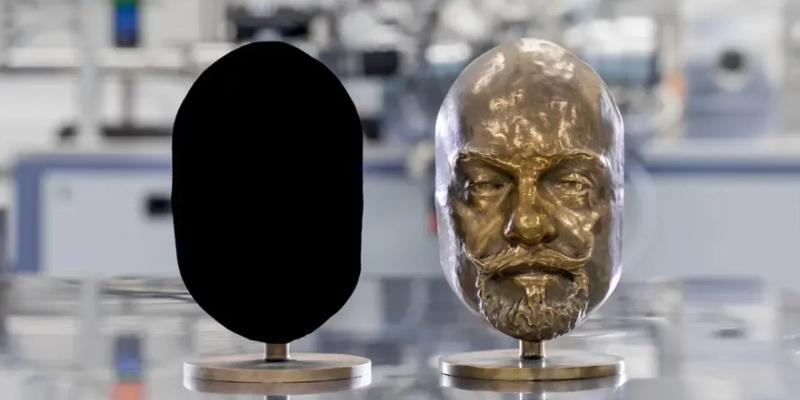
Vantablack, developed in Great Britain from carbon nanotubes, absorbs 99.965% of light, offering a potential solution to light pollution from satellite constellations like Starlink.
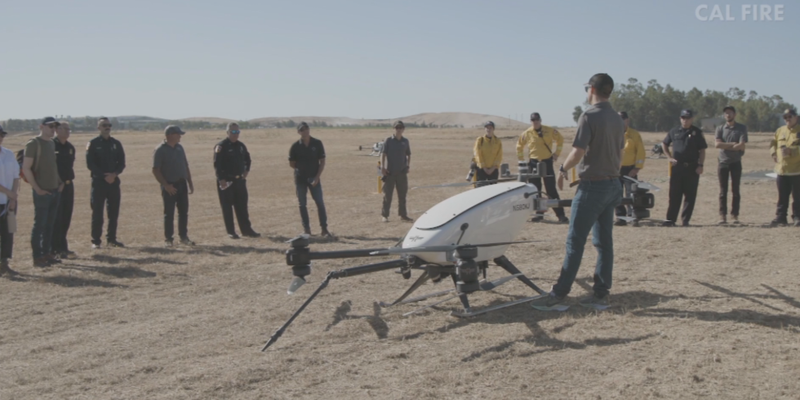
Cal Fire is testing packs of five autonomous drones, each made of carbon fiber and weighing 400 pounds, to enhance wildfire operations in California.
The EU plans a €50 billion Emissions Trading System market for carbon removal, initially excluding lower-tech options like biochar. Future reviews may consider these technologies.

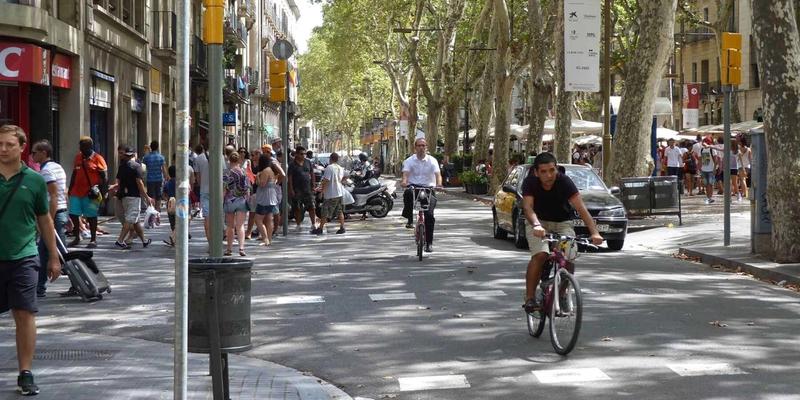
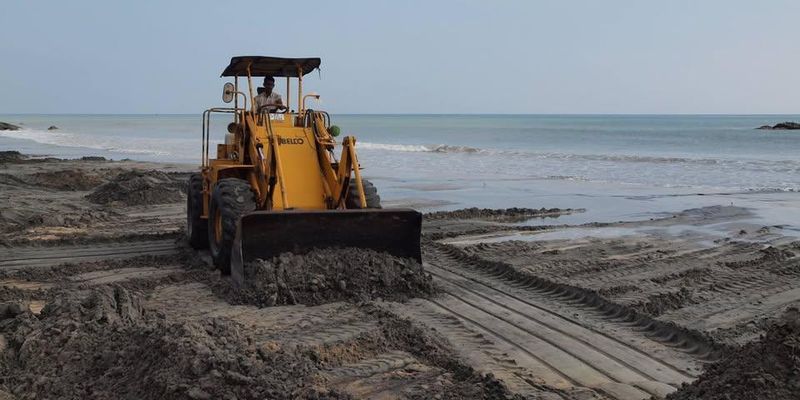
The city of Barcelona plans to transform a street into a climate laboratory by 2027, using asphalt that incorporates biochar made from olive pits and other biomass. This initiative aims to explore the potential of biochar in reducing urban heat and enhancing the sustainability of road materials.
Researchers at the World Resources Institute report that current global CO₂ removal capacity is insufficient to meet the 2030 target of one billion tonnes, with technologies like Direct Air Capture and biochar facing high costs and scalability challenges. This shortfall impacts the advanced carbon materials sector, as these technologies are crucial for achieving net-negative emissions and supporting the sustainable use of biochar and other carbon-based solutions.
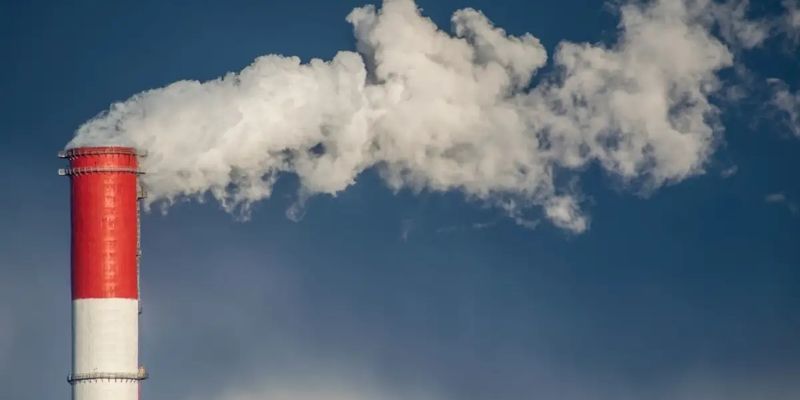
The RM of Ritchot has signed a memorandum of understanding with a biochar manufacturer to extend its landfill operations. This partnership could enhance the use of biochar in waste management, potentially improving sustainability and generating economic benefits.
A report on biochar plants in Rajasthan indicates that UV treatment effectively maintains faecal coliform levels within permissible limits in treated liquids at most sites. This is significant for the biochar sector as it highlights the potential of biochar to be used in wastewater management while addressing environmental safety concerns.
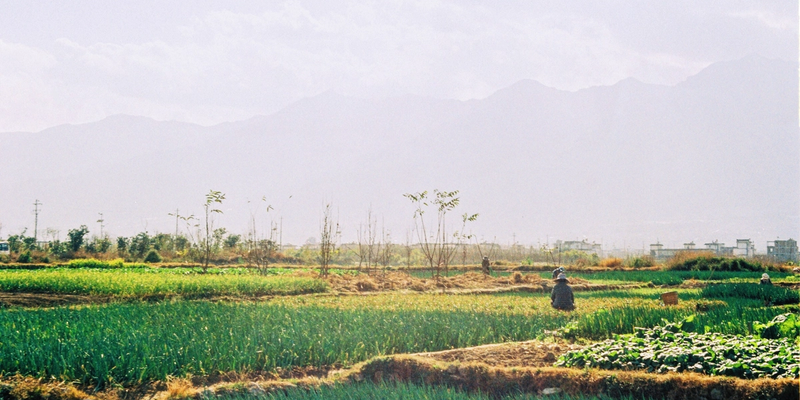
The Government of Québec has announced its Plan de gestion intégrée des ressources énergétiques (PGIRE), committing $87 billion over 25 years to boost renewable energy, including forest bioenergy. This investment could significantly advance the production of renewable natural gas and biocarbon, both critical for decarbonizing industries reliant on carbon-based fuels.
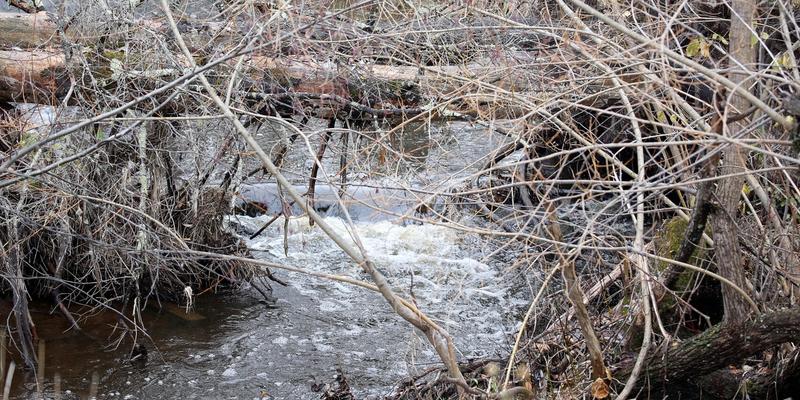
St. Louis County, the city of Duluth, and other partners have implemented a green-infrastructure project at Hartley Nature Center to divert and filter stormwater runoff from 117 acres, using biochar among other materials to remediate contaminants. This initiative is significant for advanced carbon materials as it utilizes biochar, a form of carbon, to improve water quality by removing pollutants, benefiting ecosystems connected to Lake Superior.
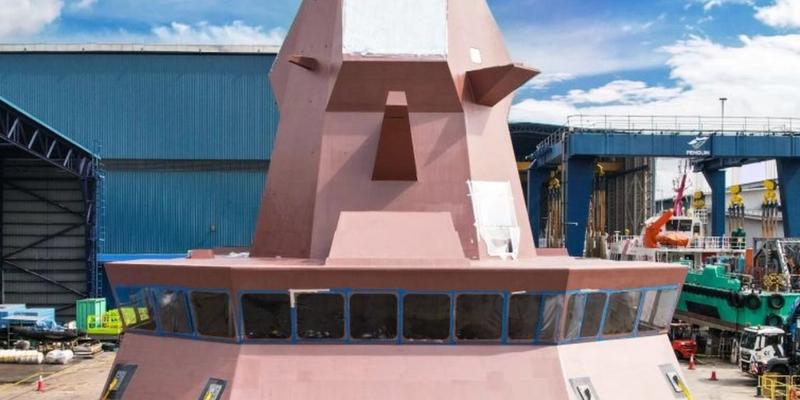
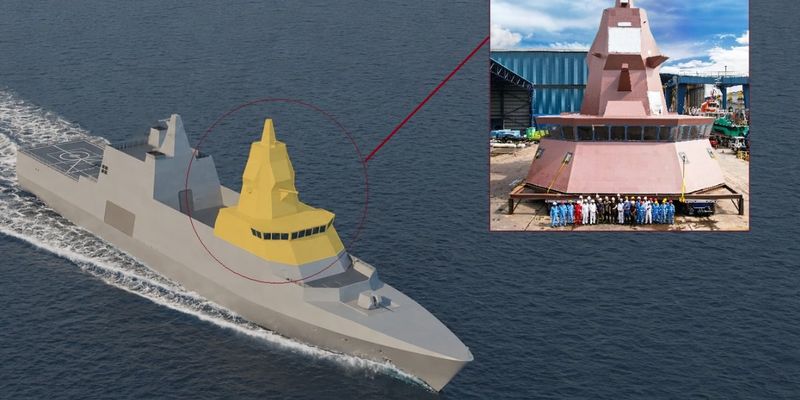
Swedish defense contractor Saab and Singapore's Penguin Shipyard International have delivered the first carbon-fiber composite superstructure for the Republic of Singapore Navy’s Victory-class Multi-Role Combat Vessel program. This integration of carbon-fiber materials into naval shipbuilding offers advantages such as reduced weight and radar cross-section, which are critical for modern combat vessel performance and efficiency.
Turquoise Group has achieved Verified Graphene Producer® status, confirming its capability to produce 30 tonnes of high-purity few-layer graphene annually at its Brisbane facility. This certification enhances the company's credibility in delivering high-quality graphene, a material crucial for applications in coatings, composites, and energy storage.

Researchers at the University of Central Florida measured giant acoustoelectric currents in monolayer graphene on lead magnesium niobate-lead titanate, pointing to surface acoustic wave devices and sensors.
Researchers at the Institute of Environment under the Hefei Comprehensive National Science Center have developed a technology for large-scale biochar production from agricultural and forestry biomass, capable of producing over 50,000 tonnes annually. This advancement in biochar technology supports environmental sustainability by transforming agricultural waste into a high-value carbon-rich material, with applications in soil enhancement, energy storage, and more.
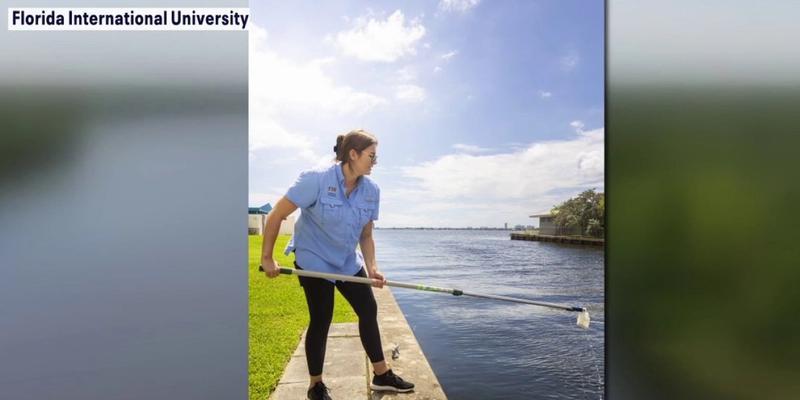
Researchers at Florida International University have found that a water sample from the Hillsborough River near downtown Tampa contained 12 nanograms per liter of 6PPD-Q, a toxic chemical from tire wear, exceeding the EPA benchmark of 11 nanograms per liter. This study highlights the potential of using sargassum-based biochar to filter out harmful pollutants, which could protect Florida's aquatic ecosystems from the adverse effects of tire-derived chemicals.
Researchers from the study published in Biochar have demonstrated that using iron and manganese modified biochar (FMBC) with specific irrigation strategies can significantly reduce cadmium and mercury levels in rice grown in co-contaminated paddy fields. This approach could enhance the safety of rice by stabilizing these metals and reducing their uptake, offering a viable solution for managing heavy metal contamination in agricultural soils.

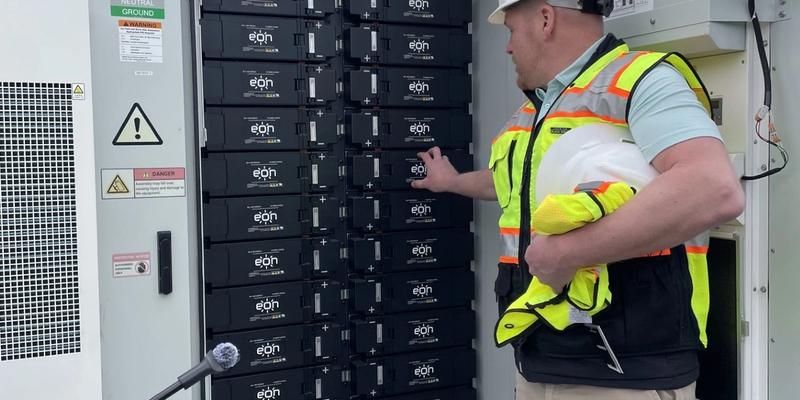
Green Development plans to establish a large battery storage facility at its biochar plant in Quonset. The project could enhance the integration of biochar production with renewable energy storage, potentially increasing efficiency and sustainability in the sector.
The Government of Himachal Pradesh, in collaboration with Dr Y.S. Parmar University of Horticulture and Forestry and ProClime Services Private Limited, has launched India's first indigenous biochar project in Hamirpur district, aiming to convert forest biomass into biochar to reduce fire risks and generate carbon credits. This initiative is significant for the advanced carbon materials sector as it transforms waste biomass into biochar, a stable carbon-rich material, thereby contributing to carbon sequestration and offering a sustainable model for forest management and rural livelihoods.

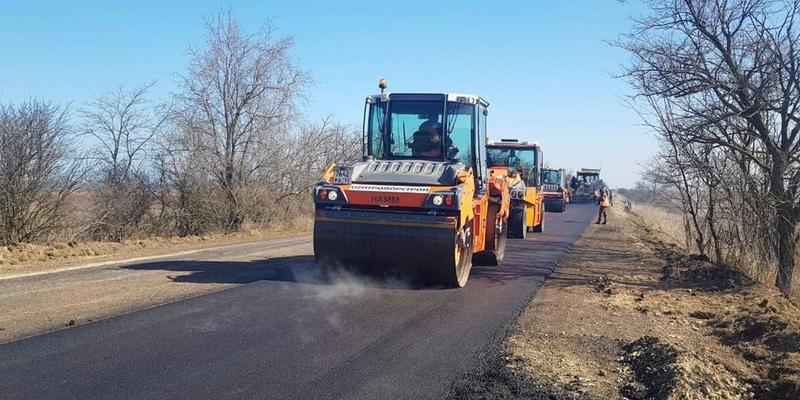
Barcelona City Hall, in collaboration with the BIT Habitat foundation and BIMSA, is trialling asphalt mixed with biochar from olive pits and pine biomass, starting in September with monitoring through 2027. This initiative aims to reduce CO2 emissions by up to 76% and store carbon in the road itself, potentially transforming road infrastructure into a long-term carbon sink using biochar.
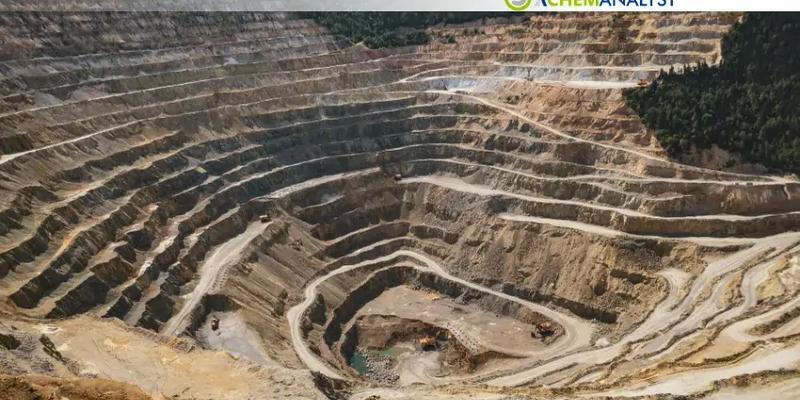
India has launched the National Critical Mineral Mission with a budget of 343 billion rupees to boost domestic graphite mining and reduce import dependency by 2031. This initiative is crucial for securing a stable supply of graphite, an essential material for electric vehicle batteries and other clean energy technologies, as India aims to meet its ambitious climate goals.
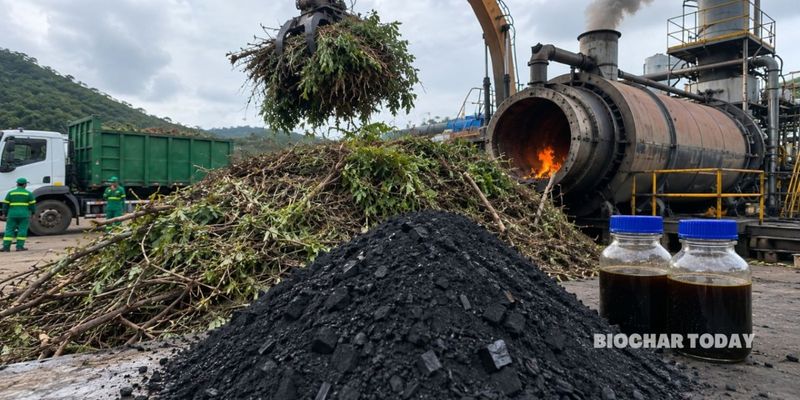
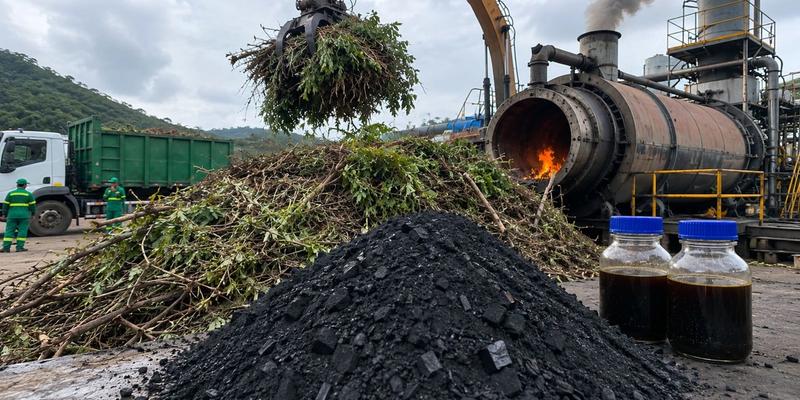
The International Virtual Institute of Global Changes and COMLURB have converted approximately one ton of urban tree trimmings in Rio de Janeiro into 300 kilograms of biochar and pyrolytic oil using pyrolysis. This initiative transforms municipal green waste into valuable resources for soil improvement and energy research, highlighting a sustainable approach to waste management in the carbon materials sector.
Rainbow has updated its BioCCS methodology to align with the EU CRCF framework, including biochar as an eligible CO2 capture module. This alignment could enhance the adoption of biochar in carbon capture and storage strategies within the EU.
The Morning reports that India's new mineral policy includes guidelines for the treatment and potential sale of effluent generated during the production of reduced graphene oxide. This development could impact the graphene industry by providing a framework for managing waste and potentially creating additional revenue streams from effluent sales.
Researchers at the International Virtual Institute of Global Changes, COPPE/UFRJ, in partnership with COMLURB, have converted one ton of urban pruning waste in Rio de Janeiro into approximately 300 kilos of biochar and pyrolytic oil. This initiative demonstrates the potential of using urban plant waste as a raw material for producing carbon-rich biochar, which can be used as a soil conditioner and for carbon storage, contributing to sustainable waste management and decarbonization efforts.
Researchers at RSC Advances led by Hai Bang Truong have demonstrated that engineered biochar can increase arsenic removal efficiency by seventy-two times. This advancement in biochar technology could significantly enhance water purification processes, making it a valuable tool for environmental remediation.

Biochar integrated into nature-based treatment systems improves pesticide bioremediation in urban water, drawing on the tunable porosity it gains from pyrolysis or hydrothermal carbonisation.
Penguin Shipyard International has completed and delivered the largest composite superstructure ever built in Singapore for the Republic of Singapore Navy's new Multi Role Combat Vessel, with the first of six structures handed over to Saab on June 27, 2026. The use of carbon fiber composites in the superstructure reduces weight and radar cross-section, enhancing the ship's stability and stealth capabilities compared to conventional steel designs.
Bakkafrost Scotland showcased its Applecross recirculating aquaculture system (RAS) facility during a visit by Scotland’s marine minister, highlighting its strategy of rearing salmon longer in freshwater conditions. The facility plans to install pyrolysis technology to convert hatchery waste into biochar, aligning with efforts to reduce environmental impact and enhance sustainability in aquaculture.
Researchers at an unnamed institution have developed a photoregenerable β-Ga₂O₃-functionalized biochar that captures and breaks down PFOS, a persistent "forever chemical," under UV light. This advancement could significantly enhance the use of biochar in water treatment applications, addressing contamination by PFOS and potentially other similar pollutants.
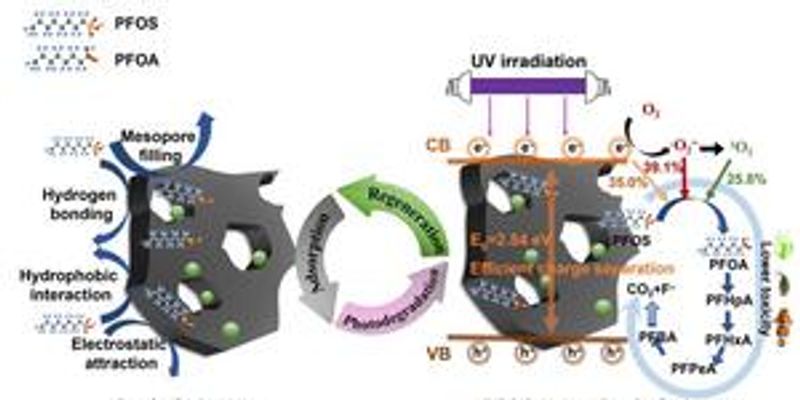
Researchers at Jinan University and San Diego State University developed a photoregenerable gallium-oxide-functionalised biochar that both captures and degrades PFOS, one of the most persistent forever chemicals.

Chief Minister Sukhvinder Singh Sukhu announced that biochar plants under construction in Hamirpur, Himachal Pradesh, will contribute to earning carbon credits and creating employment. This development is significant for the biochar sector as it highlights the potential of biochar to support sustainable economic growth and carbon management.
South Korea's Ministry of Science and ICT rated four of its 14 Small-scale R&D Zones—Seoul Hongneung, Pohang, Incheon Seo-gu, and Jinju—as "Excellent" in the 2025 annual evaluation, with Pohang's zone directing roughly 11 billion won toward Graphene Square and POSTECH to build the world's first mass-production plant for graphene film. The Pohang result signals growing state-backed infrastructure for scaling graphene manufacturing, a persistent bottleneck for the advanced carbon materials sector.
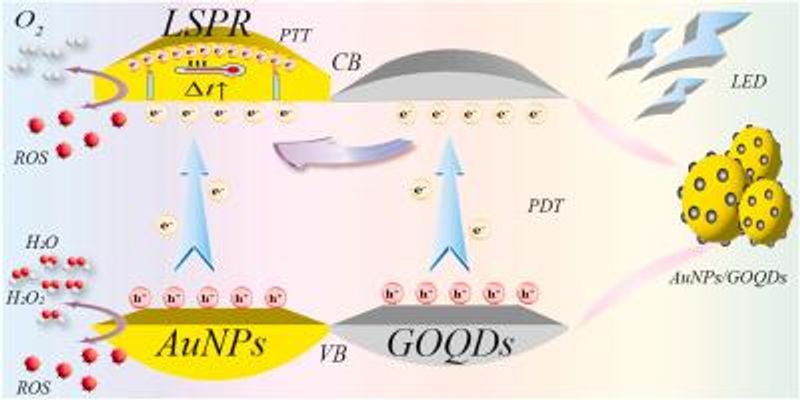
Researchers at Gannan Medical University and Shanghai University developed a gold nanoparticle–graphene oxide quantum dot (AuNPs/GOQDs) Schottky junction nanocomposite that achieved over 97% bacterial eradication in vitro and approximately 99% wound closure in mice within 9 days under 460 nm LED irradiation. The work advances graphene quantum dot applications by demonstrating that pairing GOQDs with AuNPs suppresses charge recombination to boost reactive oxygen species output while simultaneously enhancing photothermal conversion, offering a drug-free pathway to address multidrug-resistant infections.
Researchers at ICN2, led by Jose A. Garrido, are developing graphene-based thin film devices for neural stimulation and recording, with work spanning device fabrication, in vivo testing in rodent and large-animal models, and clinical translation efforts. The work demonstrates a pathway for graphene to move from laboratory research into regulated medical devices, advancing the material's role in bioelectronics beyond conventional carbon fiber or composite applications.
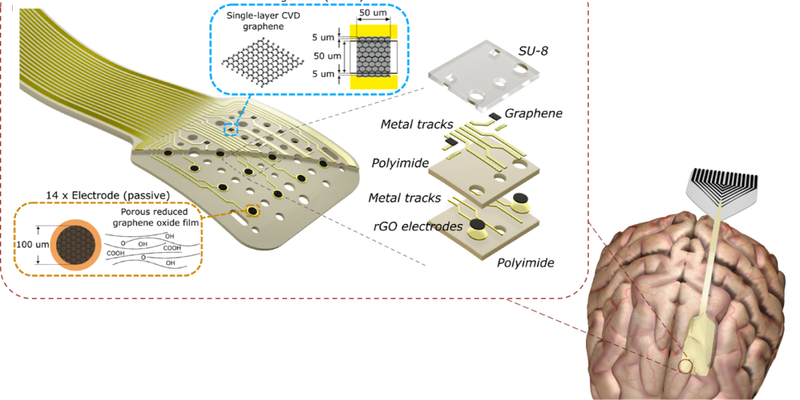
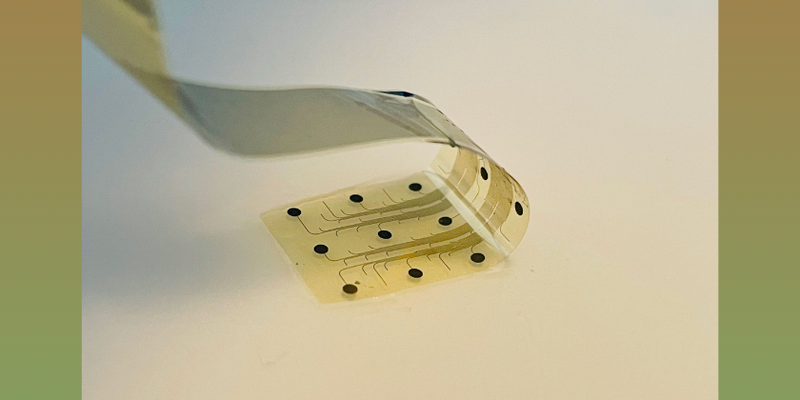
INBRAIN Neuroelectronics completed enrollment of ten patients (eight treated) in a first-in-human trial of its graphene cortical interface, conducted during brain tumor resection surgeries at Northern Care Alliance NHS Foundation Trust, with no device-related adverse events or perioperative failures observed. The results support graphene as a viable electrode material for neural interfaces, with implications for the graphene sector as the technology advances toward clinical commercialization in brain-computer interface applications.
ECS Composites, headquartered in Grants Pass, Oregon, announced advances in its carbon fiber composite enclosures for military applications, claiming weight and thickness reductions of up to 50% compared to traditional fiberglass designs. The development reflects demand for lighter carbon fiber composites in defense protective systems, where weight reduction without loss of structural integrity is a key performance requirement.

US NIOSH researchers measured occupational exposures to graphene family nanomaterials (GFN) across 11 manufacturing facilities, finding that 38% of respirable samples and 53% of inhalable samples exceeded the suggested occupational exposure band of <10 µg/m³. The findings indicate that graphene producers and downstream processors face uncontrolled worker exposure risks, with primary manufacturers showing higher inhalable concentrations due to handling dry powdered materials.
Boeing and Mitsubishi Chemical Advanced Materials are testing prototype cabin sidewall panels made from pyrolysis-derived recycled carbon fiber under Mitsubishi's KyronTEX material line, while separate simulation research found a scaled-down wing spar built from recycled carbon fiber performed within acceptable stress margins compared to a virgin-fiber equivalent. Recycled carbon fiber remains limited to non-structural or secondary aerospace applications due to unresolved fiber length, alignment, and surface sizing deficiencies, with primary structural qualification requiring years of additional testing and supply chain development.
Researchers at the University of Aveiro developed 3D-printed filters from bauxite refining waste (red mud) that removed over 90% of the antibiotic ciprofloxacin within one hour under UV light. The work demonstrates a functional application for carbon nanotubes in photocatalytic water treatment using industrial byproducts, with the material retaining performance across multiple decontamination cycles.
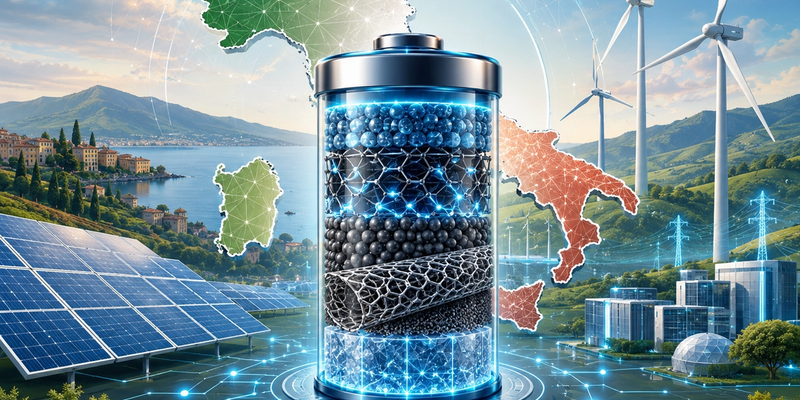
Graphene-based energy storage systems have been reported to reach energy densities up to 650 Wh/kg, compared to 150–250 Wh/kg for conventional lithium-ion batteries, according to a report focused on Italy's renewable energy storage needs. This performance gap highlights graphene's potential role in grid-scale storage applications, a key growth area for the advanced carbon materials sector.
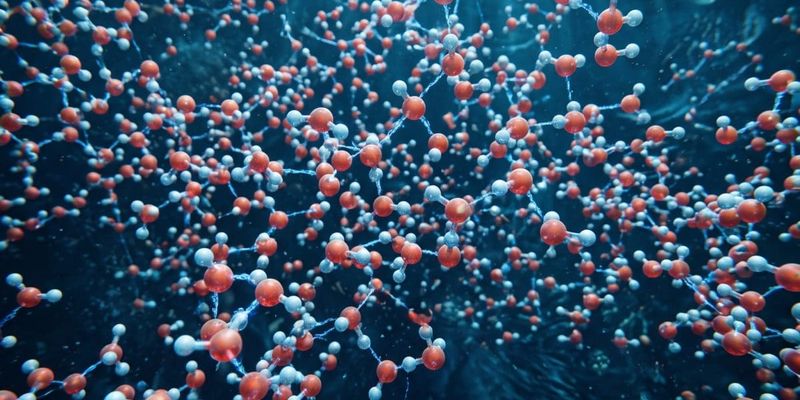
EPFL researchers, led by Nikita Kavokine at the Quantum Plumbing Lab, are studying water confined to nanometer-scale channels and found that electromagnetic coupling between water molecules and channel wall electrons creates a friction mechanism not predicted by classical hydrodynamics. For the carbon nanotubes sector, this work helps explain the anomalously fast water flow observed through carbon nanotubes and points toward nanotube-based systems capable of converting hydraulic energy or improving filtration efficiency.
The Boeing 787 and Airbus A350 use carbon-fiber-reinforced composite materials for roughly 50% of their airframe by weight, making tail strike damage harder to detect and repair than on metal-fuselage aircraft like the Boeing 777, as illustrated by an Air France A350 that required nearly ten months of repairs after a 2024 tail strike in Toronto. For the carbon fiber composites sector, the article highlights that barely visible impact damage, complex non-destructive inspection requirements, and process-sensitive repair procedures drive significant maintenance downtime and cost, underscoring the need for advanced damage detection and repair capabilities in aerospace composite applications.

Researchers and engineers are evaluating graphene oxide and reduced graphene oxide as adsorbents, antifouling coatings, catalytic supports, and modified membrane layers within industrial water treatment systems targeting COD removal, biofouling control, and reverse osmosis feed protection. The graphene sector faces a clear scaling challenge, as industrial adoption of these carbon nanomaterials depends on demonstrating mechanical stability, resistance to chemical cleaning cycles, controlled delamination, and validated cost-per-cubic-meter performance in pilot tests using real effluent matrices.
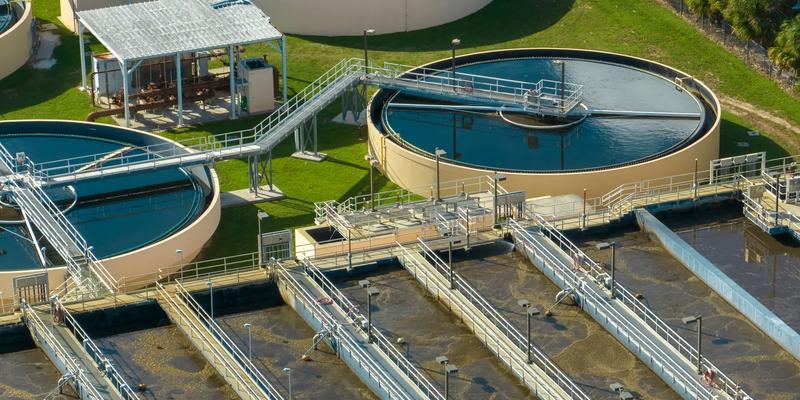
Researchers at the University of Johannesburg fabricated a three-layer nanocomposite photocatalyst (Ti1.33N@BiVO4/GdIn2Se3) incorporating a custom-synthesized MXene, achieving 20× greater electrical conductivity and charge-carrier lifetimes up to 59.5 seconds compared to single-component baselines. The MXene engineering approach demonstrates a pathway for improving charge-carrier retention in 2D carbon-adjacent materials, with direct relevance to MXene-based composite development for energy and environmental applications.
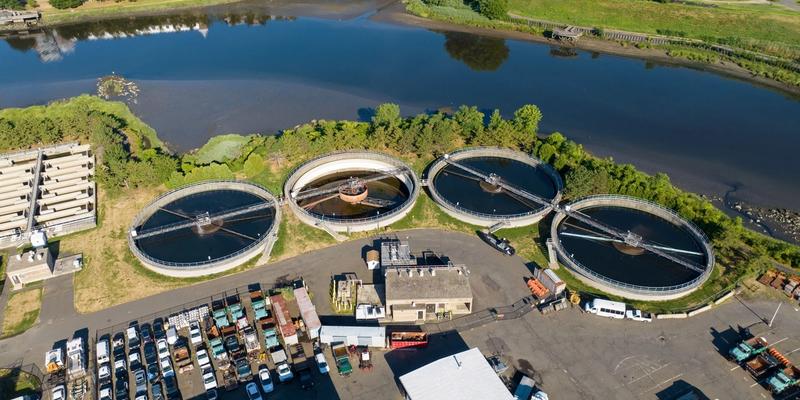
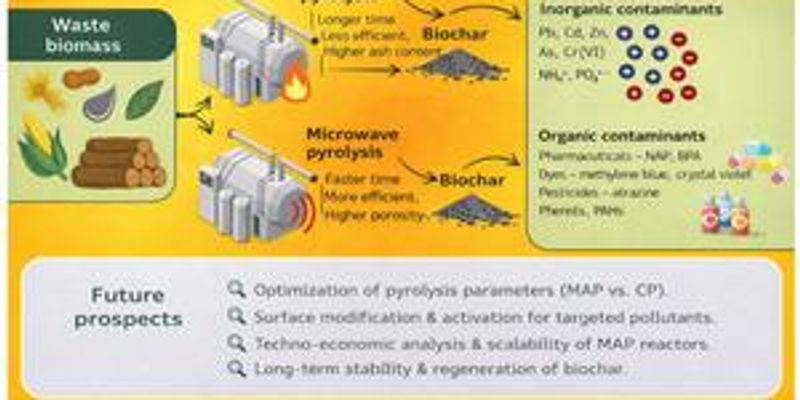
A review published in the journal *Biochar* compared conventional and microwave-assisted pyrolysis as production routes for biochar, finding that microwave-derived biochars typically exhibit higher surface area, stronger mesoporosity, and greater retention of functional groups relevant to pollutant capture. For the advanced carbon materials sector, the findings highlight biochar's expanding role beyond remediation into electrode materials and catalysis, while noting that reactor scale-up and energy balance challenges must be resolved before microwave-assisted pyrolysis reaches industrial viability.
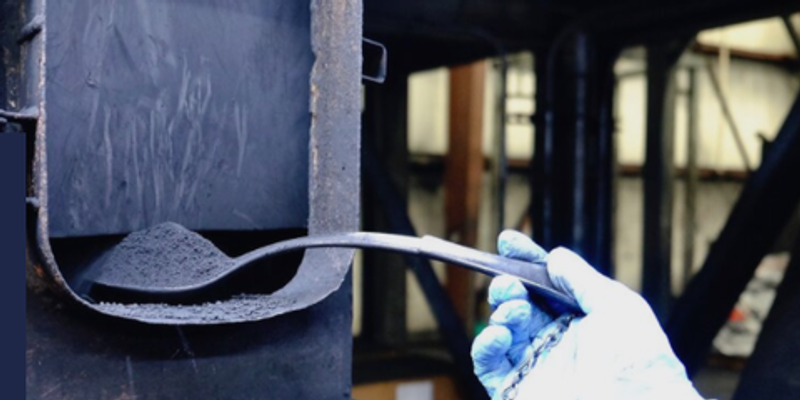
Bolder Industries received final permits on 15 June 2025 to build an 86ktpa end-of-life tire pyrolysis facility at the Port of Antwerp-Bruges, to be developed in two phases with EU Innovation Fund co-funding. The plant will supply recovered carbon black at commercial scale to European markets, adding to Bolder's existing US operations in Missouri and Indiana.
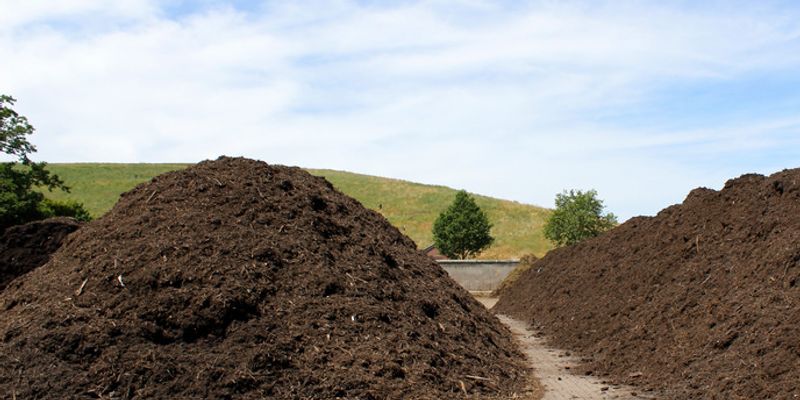
The EU-funded HOOP project helped eight European cities and regions mobilise EUR 124 million to convert urban biowaste into circular bioeconomy outputs including biochar, biogas, bioplastics, and agricultural nutrients. Biochar production via pyrolysis emerged as a replicable pathway across multiple territories, with Kuopio (Finland) establishing an operational pilot plant and Münster (Germany) confirming technical feasibility, signaling growing municipal-scale demand for pyrolysis infrastructure relevant to the biochar sector.
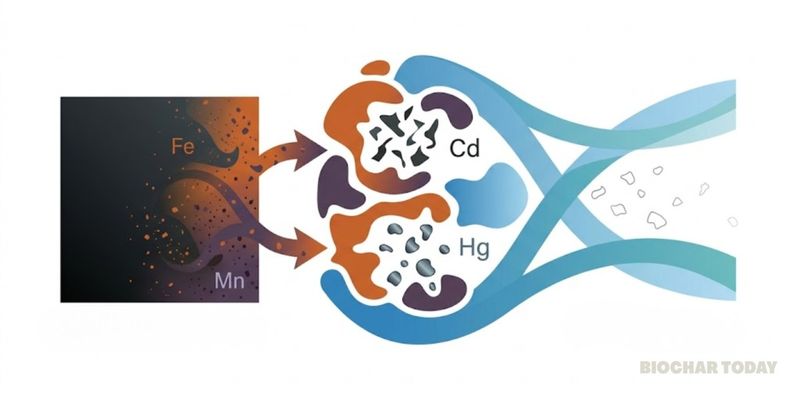
Tong Sun and colleagues published a study in *Biochar* (2026) showing that iron-manganese oxide modified biochar combined with either continuous flooding or aerobic irrigation reduces grain cadmium to 0.05 mg/kg and total mercury to 0.02 mg/kg in co-contaminated rice paddies. The findings demonstrate a functional agricultural application for engineered biochar, where surface chemistry modifications directly determine remediation performance across competing heavy-metal pathways in soil.
TNB Research has operated an anaerobic digestion and torrefaction pilot facility in Kajang since 2018, processing up to 350kg of food waste daily to produce biogas with 60–65% methane content and 10–30kg of biochar per torrefaction cycle. The biochar output is being evaluated for carbon material applications, soil improvement, and solid fuel enhancement, with data from the pilot intended to inform future scale-up decisions.
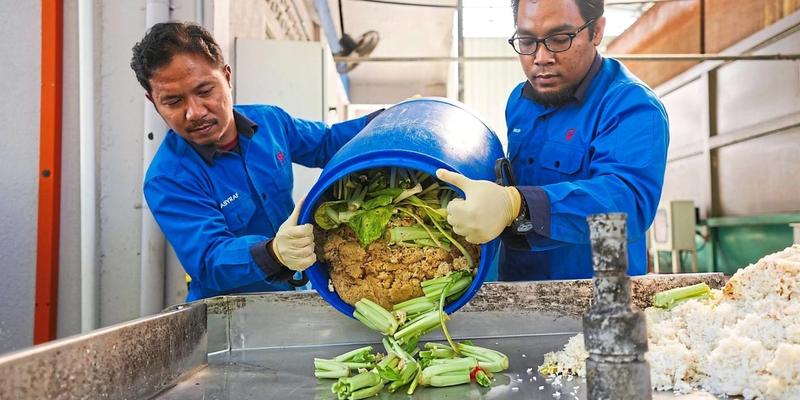
BRIN's Molecular Chemistry Research Center used slow pyrolysis to convert empty oil palm fruit bunch waste into bio-oil, liquid smoke, and biochar, with processing times of two to four hours. The process yields biochar as a value-added carbon material and bio-oil containing phenolic compounds usable as industrial boiler fuel or potential fuel additives.
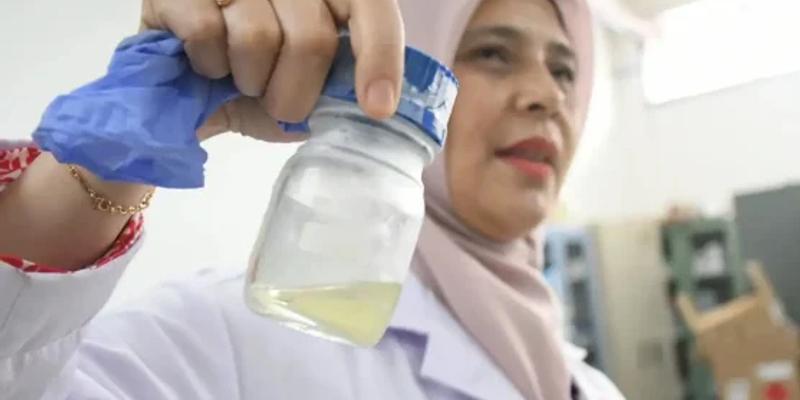
Alastair Collier, chief R&D officer of A Healthier Earth, argues in this op-ed that the carbon removal sector's primary obstacle is no longer technological but structural, citing fragmented credit markets, misaligned procurement timelines, and the absence of durable policy frameworks as the core barriers to scale. For the biochar and broader CDR industry, the piece highlights that integrating high-integrity removals into mechanisms like the UK and EU ETS could provide the long-term demand signals and price certainty needed to move projects from pilots to industrial-scale infrastructure.
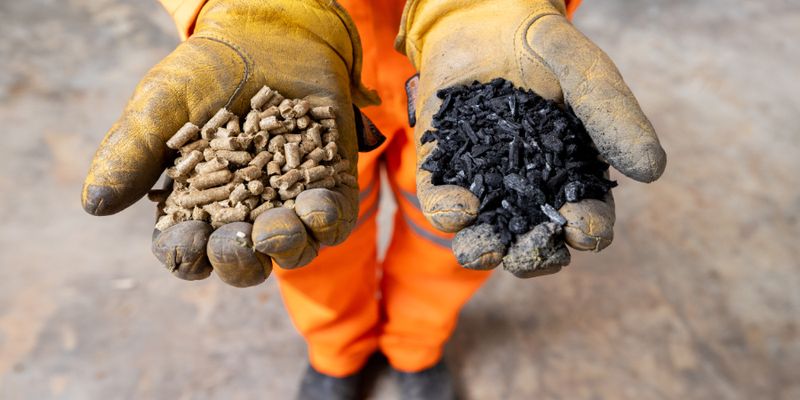
The Advanced Carbons Council published a position paper in May 2026 arguing that carbon credit financing should be redirected from geological carbon capture and sequestration toward conversion of captured carbon into advanced materials such as graphene, carbon fiber, biochar, and carbon nanotubes. The paper contends that carbon-to-materials conversion projects are commercially self-sustaining without ongoing subsidies, unlike CCS, and deliver compounding lifecycle emissions reductions across sectors including construction, aerospace, agriculture, and energy storage.

Researchers at Brookhaven National Laboratory used a 36 Tesla magnet to observe a previously unknown flat-band state in pristine graphene that emerges at integer multiples of an applied magnetic field, publishing the findings in Physical Review Letters. The tunable band structure could inform the design of graphene-based Hall sensors and resistance metrology standards.

Graphene Manufacturing Group (GMG) submitted a Significant New Use Notice (SNUN) to the US EPA on June 2, 2026, seeking authorization to manufacture, distribute, and sell graphene coatings, lubricants, and fluids domestically in the United States, with approval expected by end of June 2027. The filing marks a shift from export-only access to domestic graphene production in the US, which could establish a local graphene supply chain for industrial applications including HVAC coatings and engine lubricant additives.

A research team at Osaka University built a graphene nanoribbon-based gas sensor capable of detecting individual CO2 molecules at ambient pressure, achieving detection limits below 10 parts per trillion, as published in Nature Materials. The result demonstrates graphene nanoribbons as a viable platform for ultra-sensitive gas detection, with potential applications in environmental monitoring and medical breath analysis.

HydroGraph Clean Power received US EPA TSCA Section 5(e) clearance for two turbostratic graphene materials (P-24-0086/P-24-0087) alongside UK REACH and EU REACH registrations, authorizing commercial manufacture and supply across the US, UK, and EU. The approvals remove a key regulatory barrier for graphene commercialization in three major markets, allowing customers to scale up applications under defined compliance conditions.