News & Intelligence

Original reporting and market intelligence on advanced carbon materials.

Full intelligence on every material

For in-depth production methods, pricing dynamics, applications by sector, and verified company profiles, explore the ACC market reports covering each advanced carbon material.

View market reports

Materials

Coverage forDefence, Space and EnergyClear ×
Filtered by topic:SustainabilityClear ×
Where do we stand with CO₂ removal technologies?
News15 July 2026

Where do we stand with CO₂ removal technologies?

Researchers at the World Resources Institute report that current global CO₂ removal capacity is insufficient to meet the 2030 target of one billion tonnes, with technologies like Direct Air Capture and biochar facing high costs and scalability challenges. This shortfall impacts the advanced carbon materials sector, as these technologies are crucial for achieving net-negative emissions and supporting the sustainable use of biochar and other carbon-based solutions.

News15 July 2026

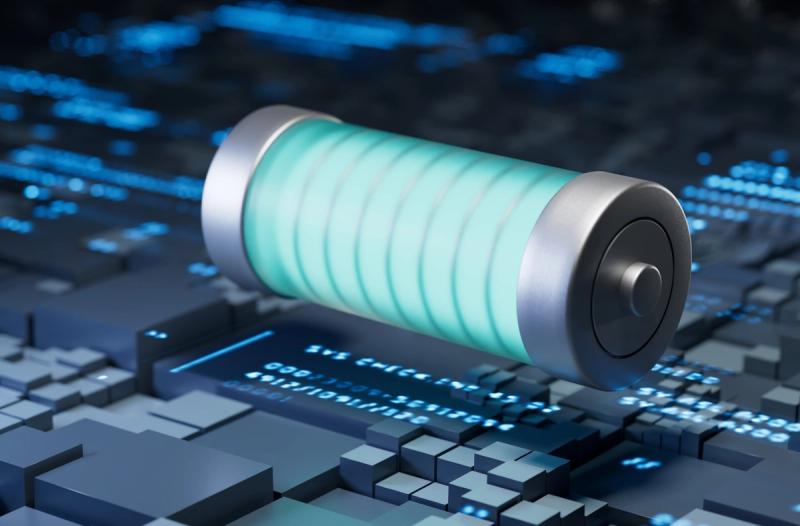
NanoMalaysia to start producing graphene-enhanced lithium-ion batteries for EVs

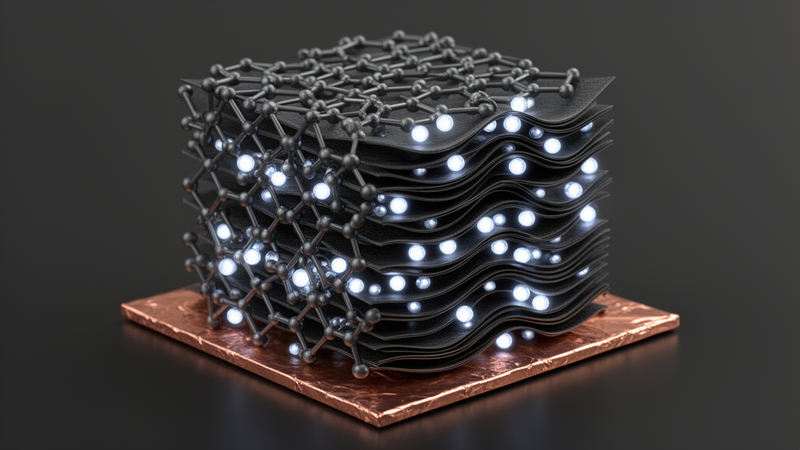
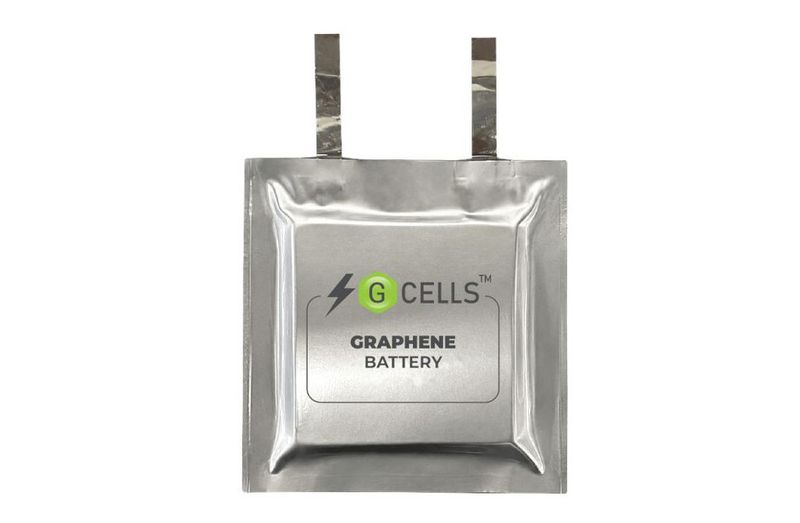
NanoMalaysia (NMB) is set to begin small-scale production of a graphene-enhanced lithium-ion battery for electric vehicles at its 15,000-square-foot facility in Sepang, Malaysia. By incorporating graphene instead of graphite, the battery aims to triple energy storage capacity, which could significantly enhance the performance of carbon-based materials in EV applications.

Perovskite solar cells to reduce solar power costs further
News15 July 2026

Perovskite solar cells to reduce solar power costs further

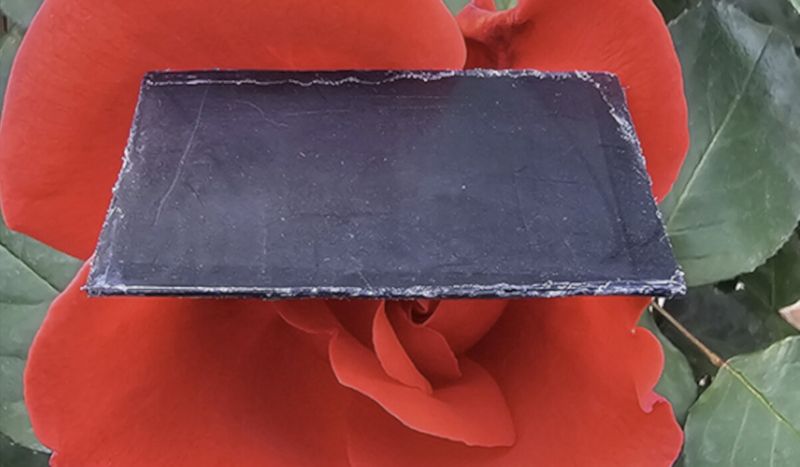
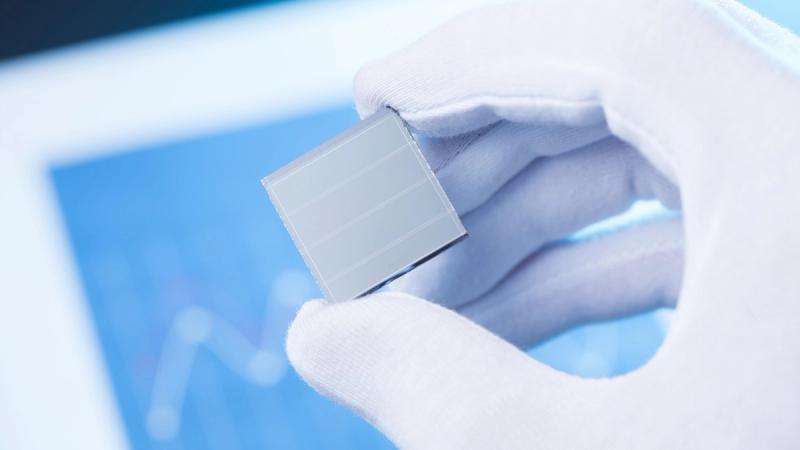
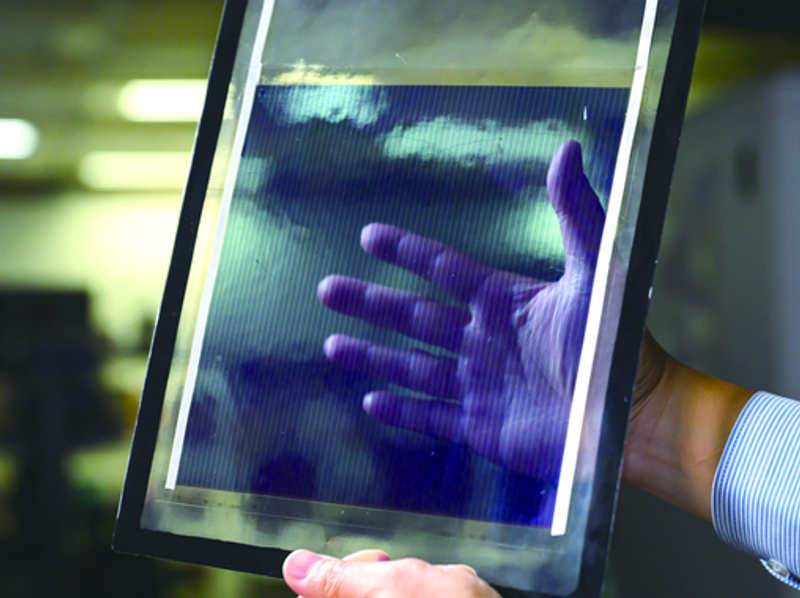
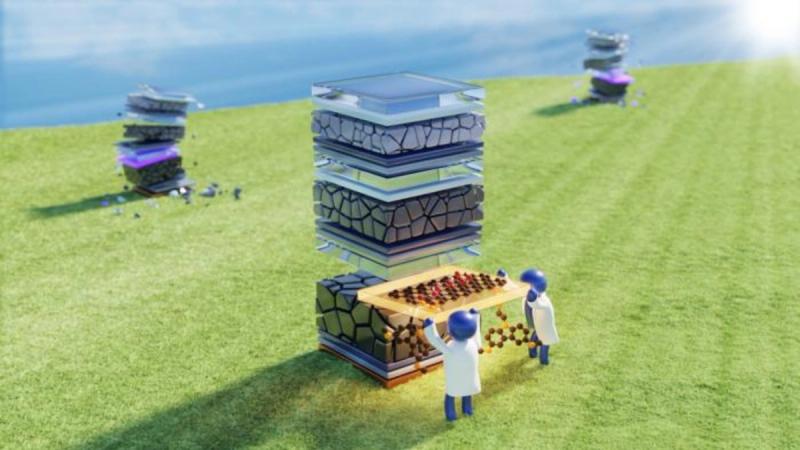
Researchers at Helmholtz-Zentrum Berlin have developed a new perovskite solar cell by incorporating graphene, enhancing its durability and efficiency. This advancement in perovskite technology could significantly reduce production costs and improve the performance of solar cells, potentially increasing the adoption of lightweight, flexible solar solutions over traditional silicon-based panels.

Firefly to use carbon fiber composites for aeroshell in SkyFall Mars mission
News14 July 2026

Firefly to use carbon fiber composites for aeroshell in SkyFall Mars mission

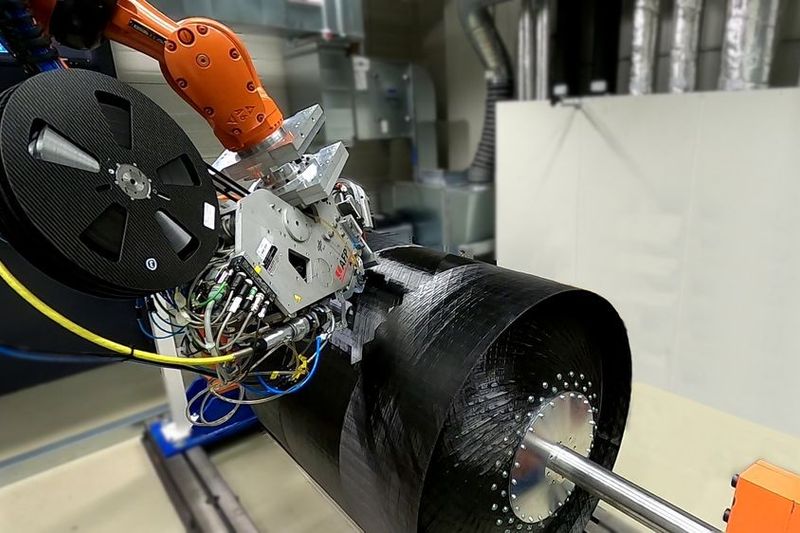
Firefly Aerospace has secured a $13 million subcontract from NASA's Jet Propulsion Laboratory to produce and test the aeroshell for the SkyFall Mars mission, slated for a late 2028 launch. This project will utilize carbon fiber composites for the aeroshell's backshell and heatshield, highlighting the material's critical role in protecting spacecraft during the harsh entry, descent, and landing phases on Mars.

News14 July 2026

CHAR Tech welcomes Québec's $87 billion energy plan supporting biomass to renewable

The Government of Québec has announced its Plan de gestion intégrée des ressources énergétiques (PGIRE), committing $87 billion over 25 years to boost renewable energy, including forest bioenergy. This investment could significantly advance the production of renewable natural gas and biocarbon, both critical for decarbonizing industries reliant on carbon-based fuels.

Berlin lab solves perovskite solar's stability problem with graphene-oxide fix
News14 July 2026

Berlin lab solves perovskite solar's stability problem with graphene-oxide fix

Researchers at the Helmholtz-Zentrum Berlin, along with collaborators, have developed a perovskite solar cell with a graphene-oxide interface that achieves 27.3% power conversion efficiency and maintains over 90% of this efficiency after 770 hours of operation. This advancement addresses the stability issues in all-perovskite triple-junction cells, potentially paving the way for more durable and efficient solar technologies using carbon-based materials like graphene.

Turning ginger waste into biobriquettes
News14 July 2026

Turning ginger waste into biobriquettes

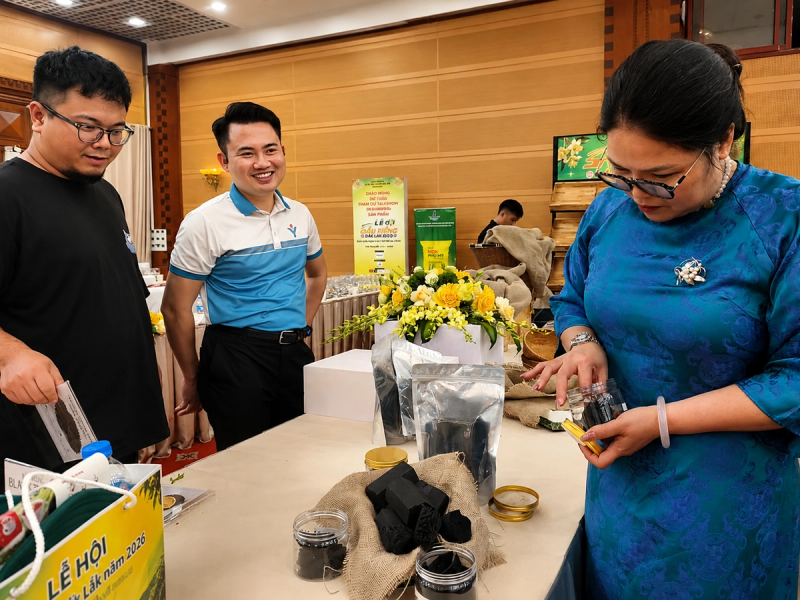
Researchers at the National Research and Innovation Agency have developed biobriquettes from ginger rhizome waste, offering an alternative energy source. This innovation not only reduces environmental pollution from ginger waste but also supports the clean energy transition by utilizing biochar derived from lignocellulose-rich materials.

News10 July 2026

Chinese scientists convert farm waste into high-value biochar in green tech breakthrough

Researchers at the Institute of Environment under the Hefei Comprehensive National Science Center have developed a technology for large-scale biochar production from agricultural and forestry biomass, capable of producing over 50,000 tonnes annually. This advancement in biochar technology supports environmental sustainability by transforming agricultural waste into a high-value carbon-rich material, with applications in soil enhancement, energy storage, and more.

New carbon nanotube sensors could shrink thermal cameras, medical devices
News10 July 2026

New carbon nanotube sensors could shrink thermal cameras, medical devices

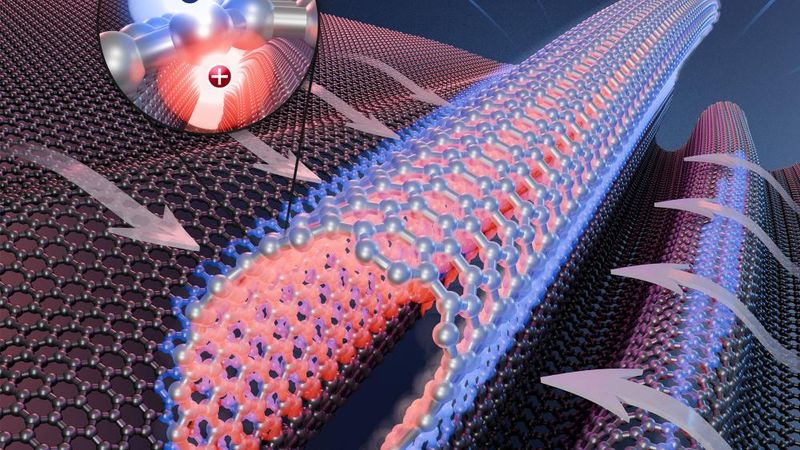
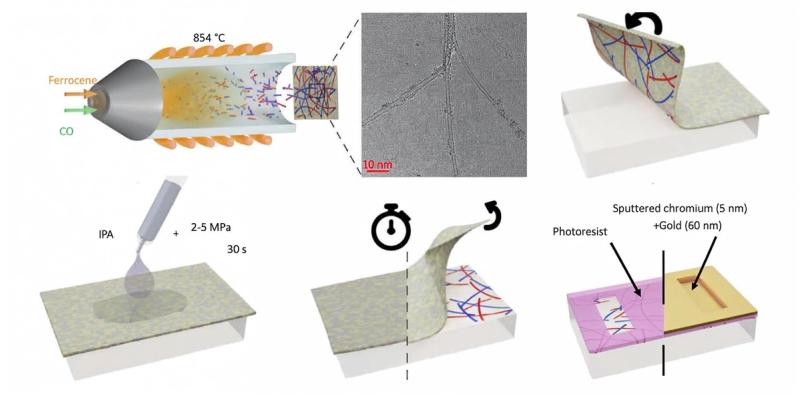
Researchers from the Skolkovo Institute of Science and Technology have developed a new infrared sensor using single-walled carbon nanotubes, which shows a conductivity change 10,000 to 100,000 times more pronounced than graphene. This advancement could lead to more sensitive and compact thermal cameras and medical sensors, leveraging the unique properties of carbon nanotubes for enhanced infrared detection without the need for cooling.

Himachal's first biochar project targets fires, carbon, and rural livelihoods
News10 July 2026

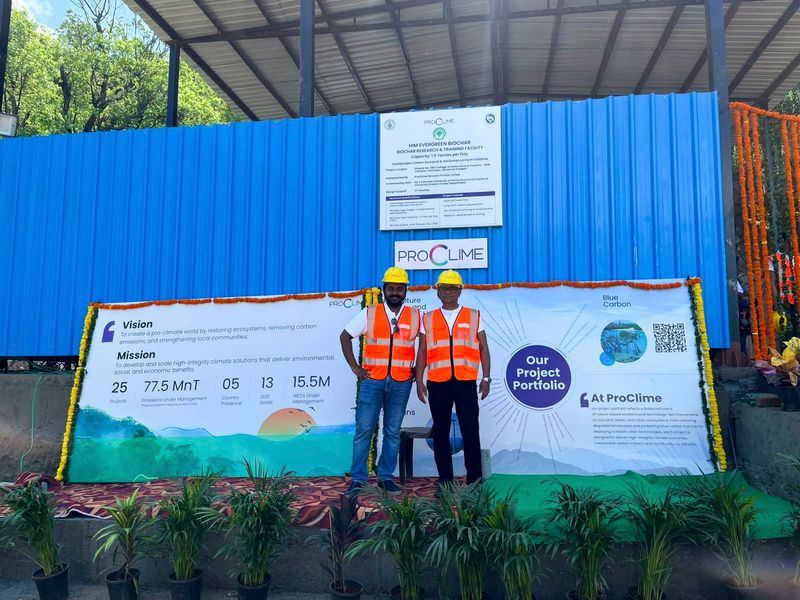
Himachal's first biochar project targets fires, carbon, and rural livelihoods

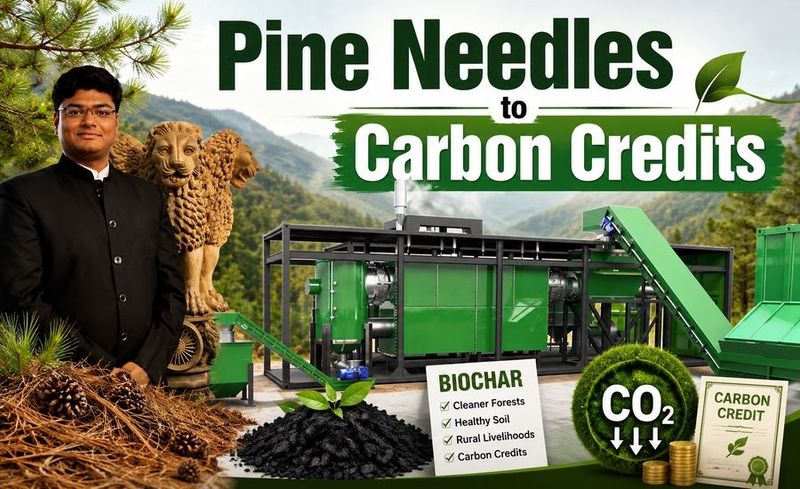
The Government of Himachal Pradesh, in collaboration with Dr Y.S. Parmar University of Horticulture and Forestry and ProClime Services Private Limited, has launched India's first indigenous biochar project in Hamirpur district, aiming to convert forest biomass into biochar to reduce fire risks and generate carbon credits. This initiative is significant for the advanced carbon materials sector as it transforms waste biomass into biochar, a stable carbon-rich material, thereby contributing to carbon sequestration and offering a sustainable model for forest management and rural livelihoods.

Kazakhstan and Hong Kong discuss eco-friendly aviation fuel project
News10 July 2026

Kazakhstan and Hong Kong discuss eco-friendly aviation fuel project

Kazakh Agriculture Minister Aidarbek Saparov met with representatives from Full Vision Capital, Towngas, and EcoCeres to discuss a project for producing sustainable aviation fuel from industrial oilseeds. This initiative could enhance the use of carbon materials like biochar by utilizing agricultural and food waste, contributing to environmentally friendly fuel alternatives.

International Virtual Institute and COMLURB convert urban waste into energy
News10 July 2026

International Virtual Institute and COMLURB convert urban waste into energy

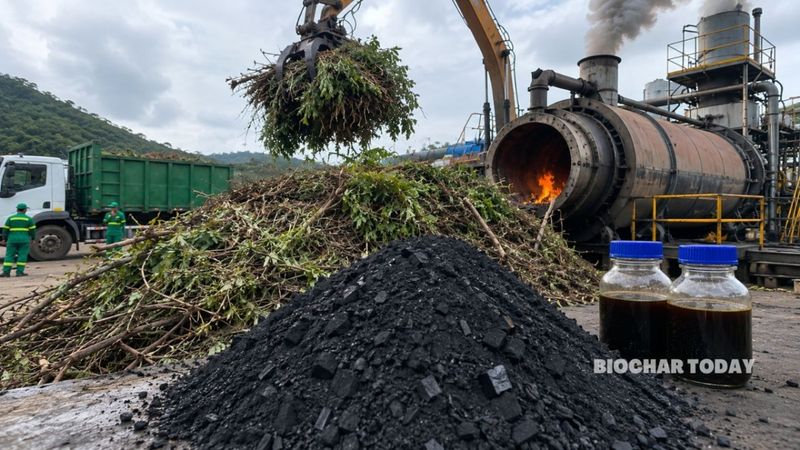
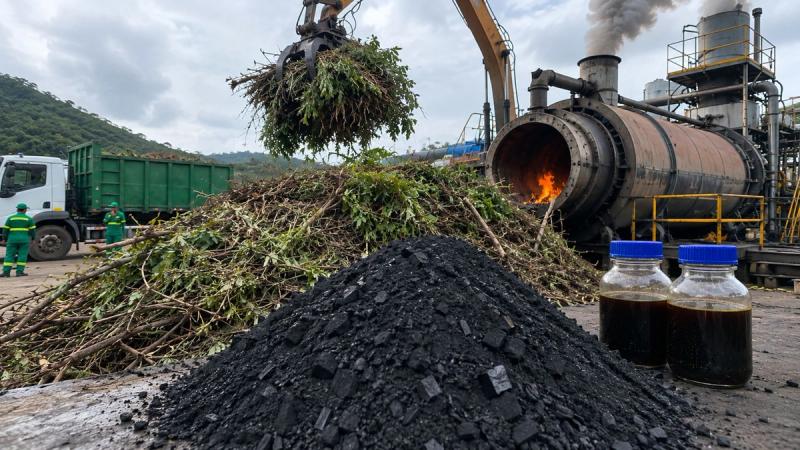
The International Virtual Institute of Global Changes and COMLURB have converted approximately one ton of urban tree trimmings in Rio de Janeiro into 300 kilograms of biochar and pyrolytic oil using pyrolysis. This initiative transforms municipal green waste into valuable resources for soil improvement and energy research, highlighting a sustainable approach to waste management in the carbon materials sector.

COF-graphene hybrid opens new horizons for lithium-sulfur batteries
News9 July 2026

COF-graphene hybrid opens new horizons for lithium-sulfur batteries

Researchers at Tohoku University have developed a covalent organic framework (COF)-graphene interlayer that significantly reduces polysulfide shuttling in lithium-sulfur batteries, achieving a high reversible capacity of 1455.7 mA h g⁻¹ at 0.2 A g⁻¹. This advancement is crucial for the practical deployment of lithium-sulfur batteries, as it addresses the long-standing challenge of polysulfide migration, potentially leading to more efficient and durable energy storage solutions.

New graphene layer extends lithium-sulfur battery lifespan to 1,000 cycles
News9 July 2026

New graphene layer extends lithium-sulfur battery lifespan to 1,000 cycles

Researchers at Tohoku University have developed a graphene-based interlayer for lithium-sulfur batteries that maintains capacity over 1,000 charge-discharge cycles. This advancement addresses the polysulfide shuttle effect, enhancing the lifespan and efficiency of lithium-sulfur batteries, which are seen as a promising alternative to lithium-ion technology due to their higher energy storage potential.

Unexpected discovery leads to new graphene oxide production method
News9 July 2026

Unexpected discovery leads to new graphene oxide production method

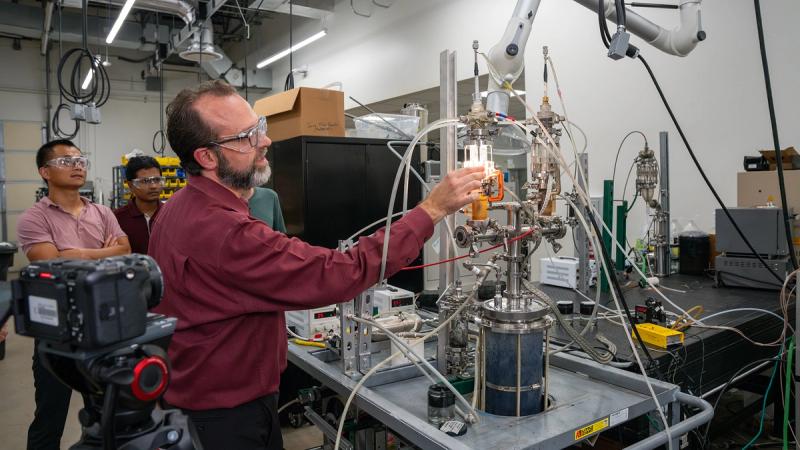
Researchers at Texas A&M University have developed a new method to produce graphene oxide from methane using a plasma-based reactor, which simultaneously generates hydrogen as a byproduct. This scalable approach could reduce reliance on graphite for graphene oxide production, offering a cost-effective alternative for applications in batteries, electronics, and advanced manufacturing.

Graphene Holds Multiple Superconducting States Simultaneously
News9 July 2026

Graphene Holds Multiple Superconducting States Simultaneously

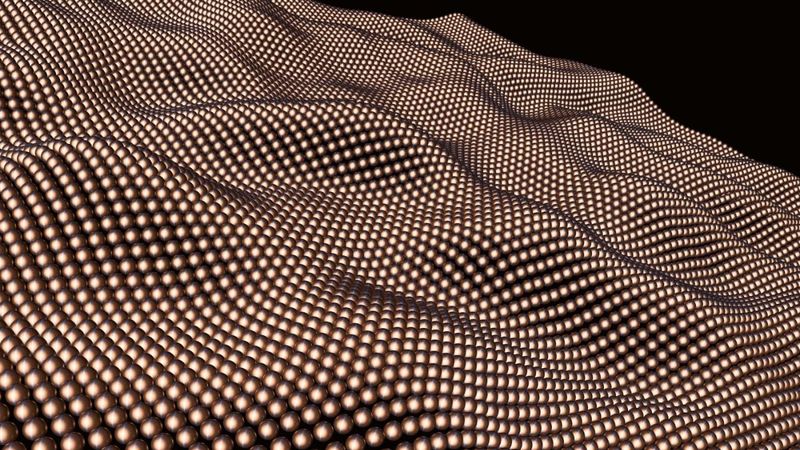
Researchers at MIT have discovered that rhombohedral graphene can host multiple superconducting states simultaneously, with some states becoming stronger under magnetic fields. This finding is significant for advanced carbon materials as it reveals new possibilities for manipulating graphene's superconducting properties, which could impact quantum computing and other technologies relying on superconductivity.

New 4D-printing method creates lighter, faster-spinning wind turbine blades
News6 July 2026

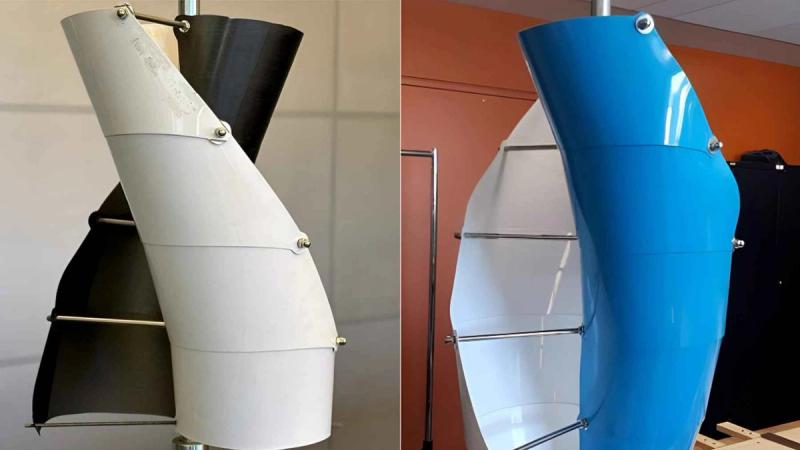
New 4D-printing method creates lighter, faster-spinning wind turbine blades

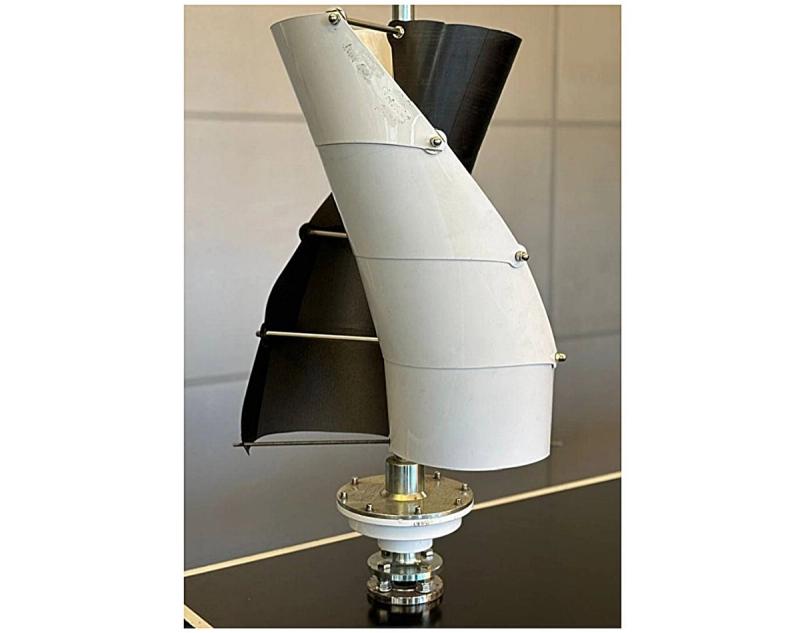
Researchers at Concordia University have developed a 4D-printing method to create curved blades for vertical-axis wind turbines from flat carbon-fibre composite panels, resulting in blades that weigh 80% less than commercial aluminum blades. This advancement could significantly reduce manufacturing costs and promote the use of lightweight carbon-fibre composites in renewable energy systems.

Czech Republic turns used coffee grounds into sustainable solutions
News6 July 2026

Czech Republic turns used coffee grounds into sustainable solutions

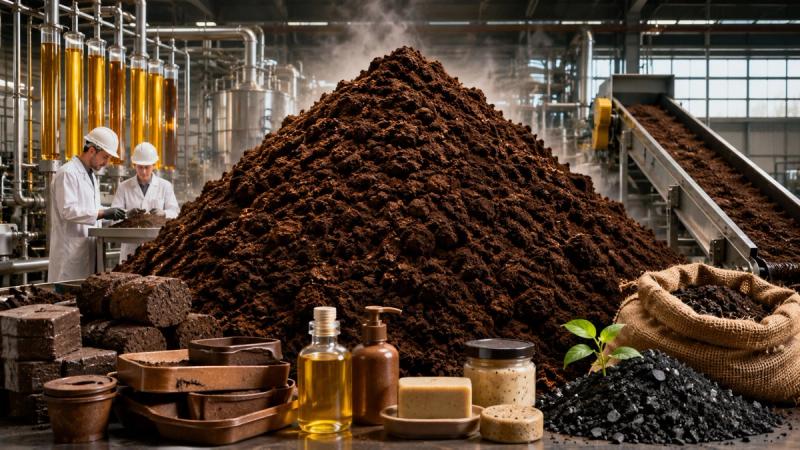
Coffee!Up in the Czech Republic is transforming used coffee grounds into products like natural soap, coffee oil, biomass, and biochar, as highlighted by the European Commission. This initiative is significant for the advanced carbon materials sector because it demonstrates the potential for waste coffee grounds to be converted into valuable materials such as biochar, which can improve soil health and contribute to carbon sequestration efforts.

Brazil converts urban tree trimmings into biochar and pyrolytic oil in pioneering project
News6 July 2026

Brazil converts urban tree trimmings into biochar and pyrolytic oil in pioneering project

Researchers at the International Virtual Institute of Global Changes, COPPE/UFRJ, in partnership with COMLURB, have converted one ton of urban pruning waste in Rio de Janeiro into approximately 300 kilos of biochar and pyrolytic oil. This initiative demonstrates the potential of using urban plant waste as a raw material for producing carbon-rich biochar, which can be used as a soil conditioner and for carbon storage, contributing to sustainable waste management and decarbonization efforts.

Sensor detects pesticides using material thinner than a strand of hair
News6 July 2026

Sensor detects pesticides using material thinner than a strand of hair

Researchers at the Vietnam Academy of Science and Technology have developed a sensor electrode using a composite material of graphene, carbon nanotubes (CNTs), and gold nanoparticles that can detect pesticide residues at concentrations as low as parts per billion (ppb). This advancement is significant for the field of advanced carbon materials as it enhances the sensitivity and functionality of sensors, contributing to improved agricultural product monitoring and food safety.

Bakkafrost Scotland showcases Applecross RAS facility during ministerial visit
News6 July 2026

Bakkafrost Scotland showcases Applecross RAS facility during ministerial visit

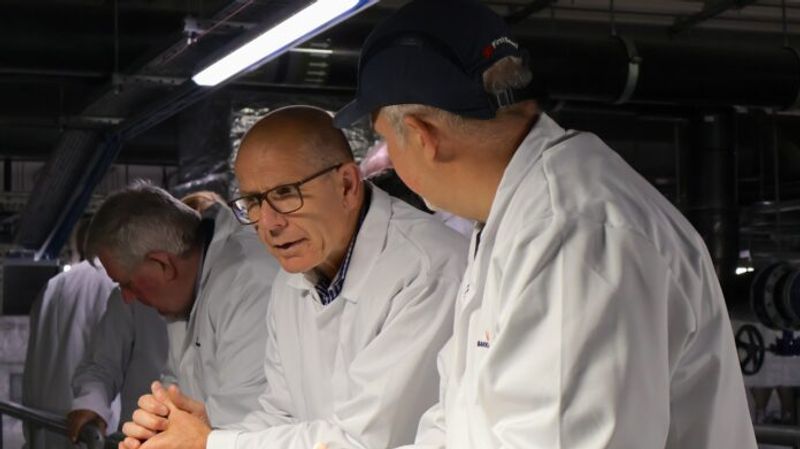
Bakkafrost Scotland showcased its Applecross recirculating aquaculture system (RAS) facility during a visit by Scotland’s marine minister, highlighting its strategy of rearing salmon longer in freshwater conditions. The facility plans to install pyrolysis technology to convert hatchery waste into biochar, aligning with efforts to reduce environmental impact and enhance sustainability in aquaculture.

Integrals Power chosen as LMFP supplier for 9 million euro EU OLiMPUS battery project
News3 July 2026

Integrals Power chosen as LMFP supplier for 9 million euro EU OLiMPUS battery project

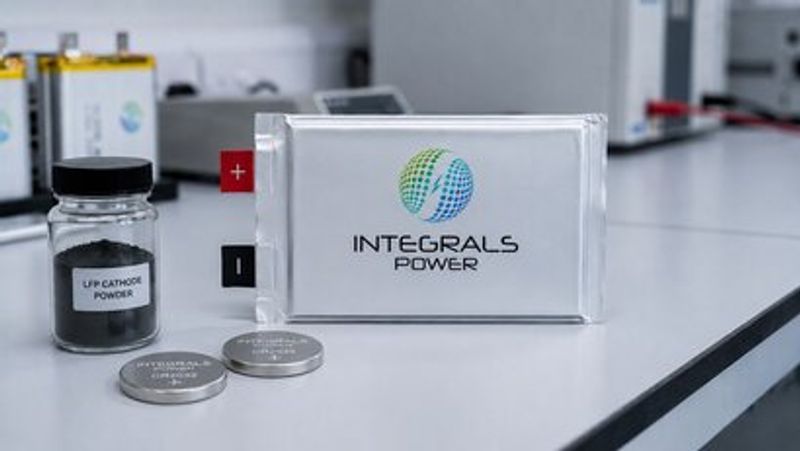
Integrals Power has been selected as the LMFP supplier for the EU-funded OLiMPUS battery project, which aims for mass production in Europe by 2032. This development is significant for the advanced carbon materials sector as it involves synthetic graphite anodes, which are crucial for reducing the carbon footprint and enhancing the sustainability of battery production.

News30 June 2026

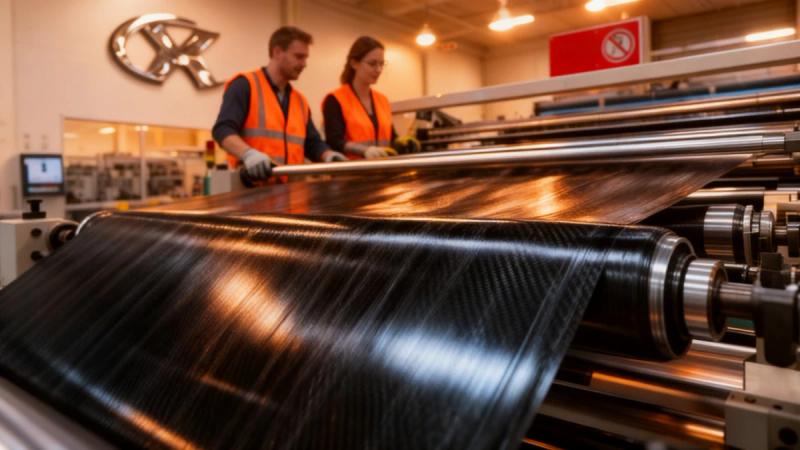
From Scrap to Spar Where Recycled Carbon Fiber Actually Stands in Aircraft Structures

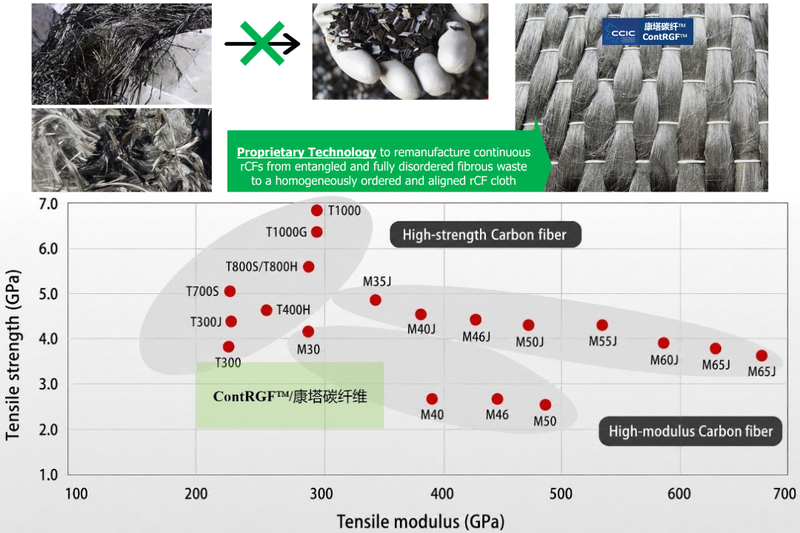
Boeing and Mitsubishi Chemical Advanced Materials are testing prototype cabin sidewall panels made from pyrolysis-derived recycled carbon fiber under Mitsubishi's KyronTEX material line, while separate simulation research found a scaled-down wing spar built from recycled carbon fiber performed within acceptable stress margins compared to a virgin-fiber equivalent. Recycled carbon fiber remains limited to non-structural or secondary aerospace applications due to unresolved fiber length, alignment, and surface sizing deficiencies, with primary structural qualification requiring years of additional testing and supply chain development.

Nanomaterials Could Help Italy Close Its Renewable Energy Storage Gap
News30 June 2026

Nanomaterials Could Help Italy Close Its Renewable Energy Storage Gap
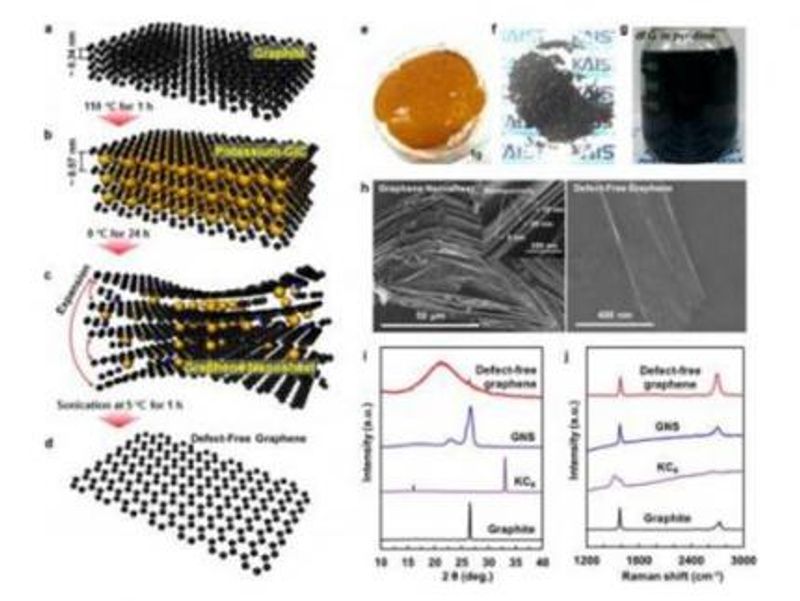
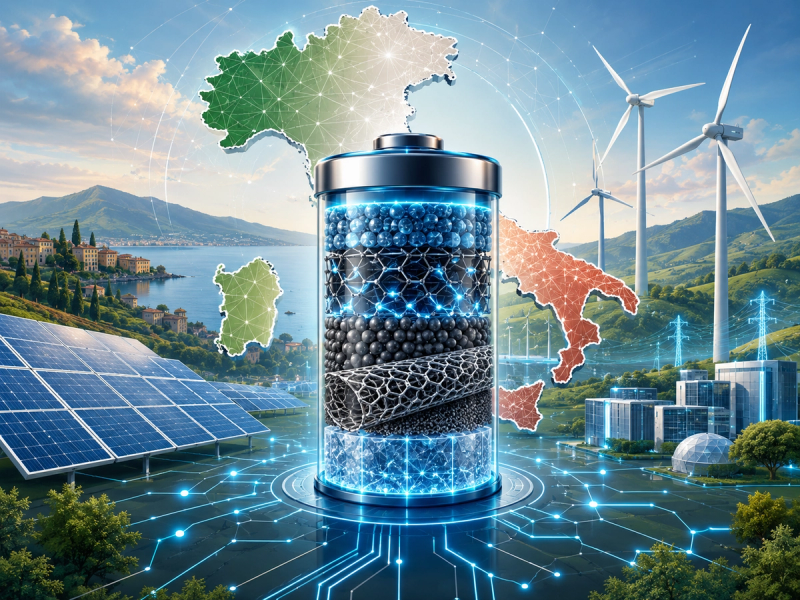
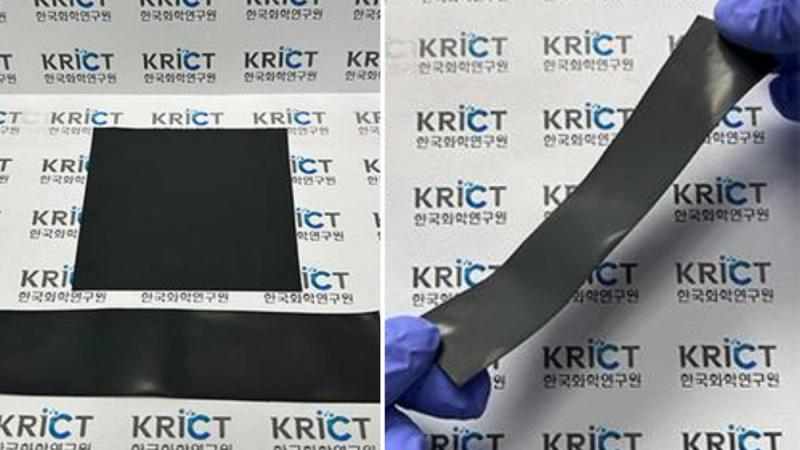
Graphene-based energy storage systems have been reported to reach energy densities up to 650 Wh/kg, compared to 150–250 Wh/kg for conventional lithium-ion batteries, according to a report focused on Italy's renewable energy storage needs. This performance gap highlights graphene's potential role in grid-scale storage applications, a key growth area for the advanced carbon materials sector.

Graphene in Canada, from elegant materials science to investable industrial reality

News30 June 2026

Graphene in Canada, from elegant materials science to investable industrial reality
Canada's graphene sector has developed across production, construction, filtration, printed electronics, and energy storage, with companies such as NanoXplore operating a 4,000-metric-ton-per-year facility in Montréal and firms like Zentek and Graphene Leaders Canada advancing application-specific products toward commercial deployment. The ecosystem signals a shift from materials science demonstration toward repeatable industrial use cases in carbon-based composites, conductive additives, and separation technologies, though commercial viability still depends on product qualification, standardization, and cost competitiveness against incumbent materials.
New hollow nanotube structure designed to convert waste heat into electricity
News30 June 2026

New hollow nanotube structure designed to convert waste heat into electricity

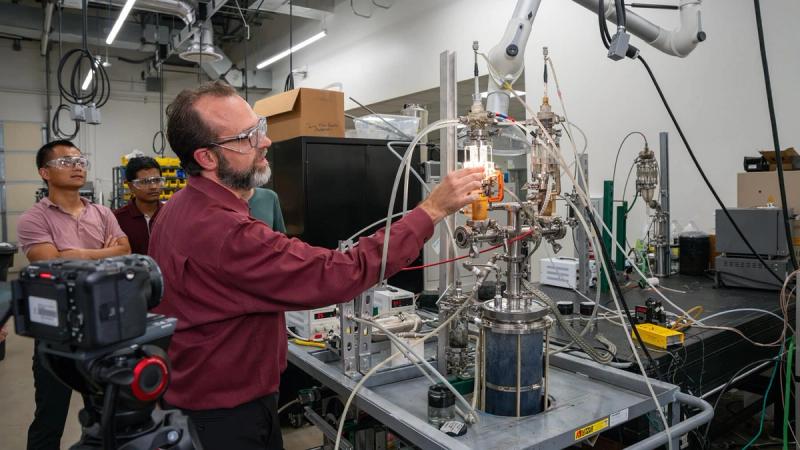
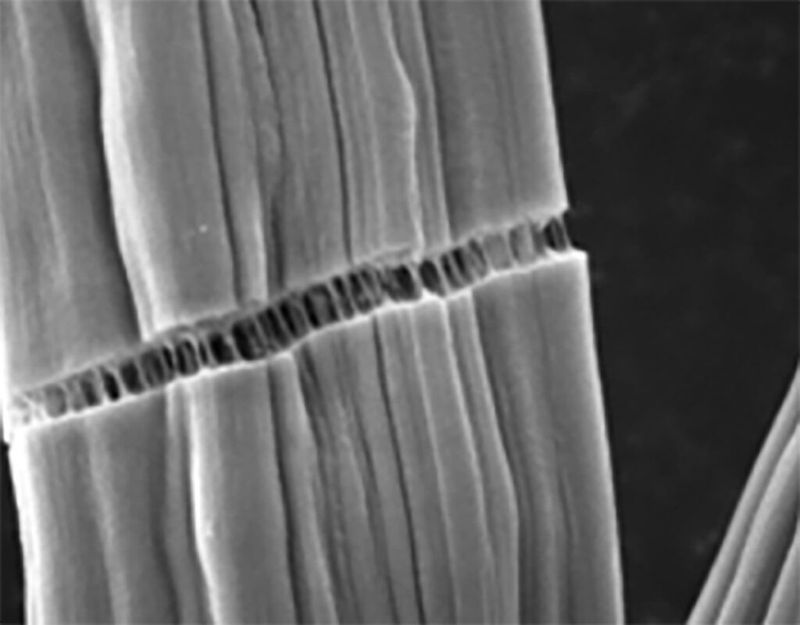
Researchers at POSTECH in South Korea engineered hollow silicon nanotube structures that reduced thermal conductivity by 70% compared to solid silicon nanowires by trapping phonons at near-room temperature. The approach uses abundant silicon compatible with existing semiconductor manufacturing, offering a potential alternative to rare-material-dependent thermoelectric devices for waste heat recovery in data centers, EV batteries, and industrial facilities.

Plastic bottles turned into electric vehicle battery material
News30 June 2026

Plastic bottles turned into electric vehicle battery material

Penn State researchers converted waste PET plastic bottles into synthetic graphite by blending shredded PET with 2.5% graphene oxide by weight and applying heat treatment, producing crystallite dimensions that exceeded those of natural graphite without metal catalysts. The metal-free process reduces post-processing steps needed to achieve battery-grade purity and could supply graphitic carbon for lithium-ion anodes and hard carbon for sodium-ion batteries from a single plastic waste feedstock.
New research reveals what really controls water chemistry in nanoscale spaces
News30 June 2026

New research reveals what really controls water chemistry in nanoscale spaces
Researchers from Cambridge, Harvard, Caltech, and the Max-Planck Institute for Polymer Research used machine-learning simulations to study water confined between graphene and hexagonal boron nitride sheets, finding that confinement alone does not alter water's reactivity but that pressure and surface chemistry of the confining material are the controlling factors. For the carbon materials sector, the study establishes that graphene's chemically inert surface does not enhance water dissociation, while reactive surfaces like hBN do, offering a design principle for selecting 2D carbon and non-carbon materials in membranes, fuel cells, and electrochemical systems.
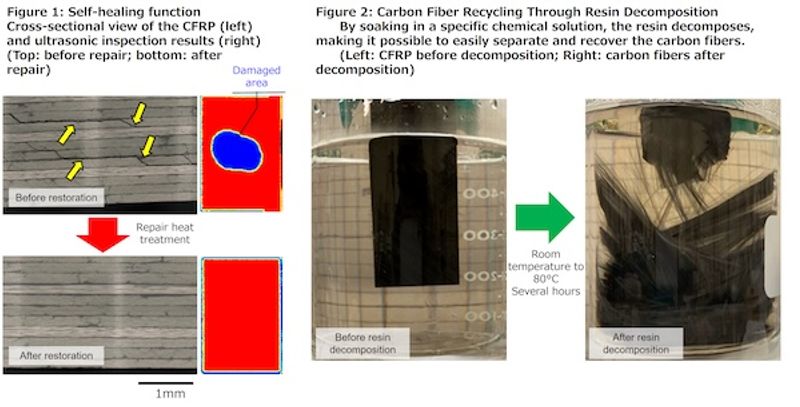
Jamco joins Japanese partners to recycle and reuse CFRP from retired aircraft
News29 June 2026

Jamco joins Japanese partners to recycle and reuse CFRP from retired aircraft

Jamco joined a NEDO-led Japanese consortium—including Nagoya University, Subaru, and JAXA—to develop a circular economy supply chain for recovering and reusing CFRP from retired aircraft. The project targets a persistent gap in the carbon fiber composites sector: the lack of validated processes and standards needed to reintroduce recycled CFRP into certified aircraft components.

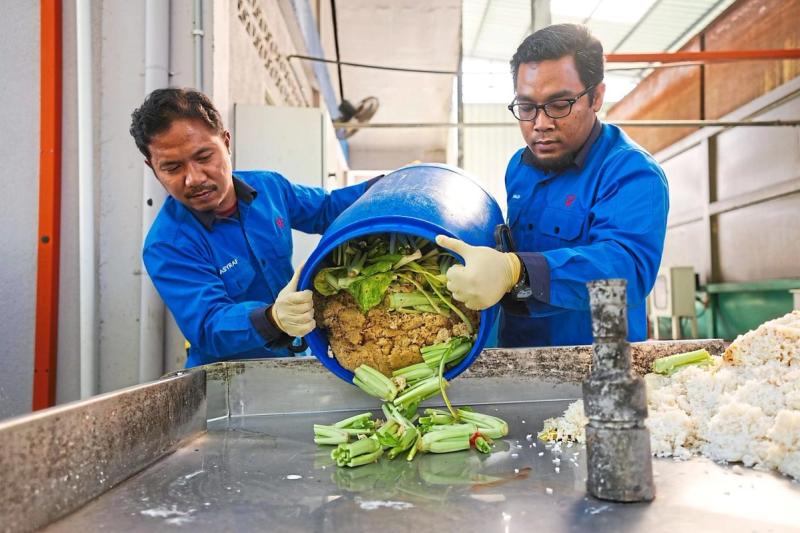
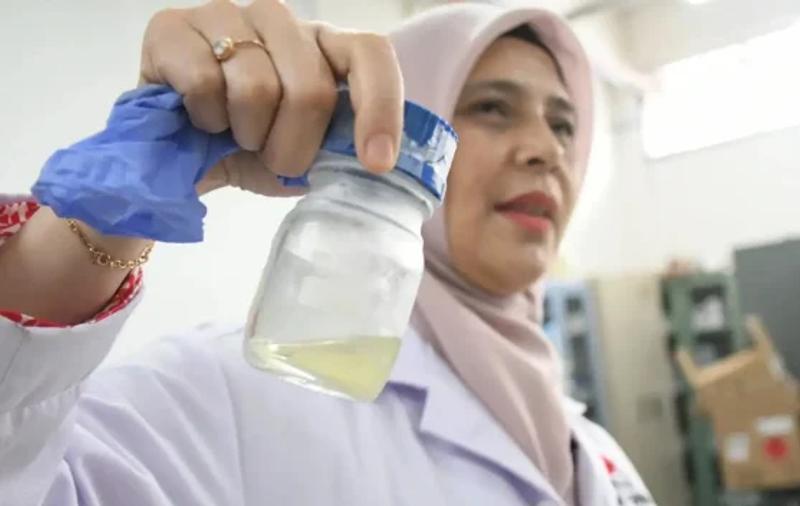
From bin to biogas
News29 June 2026

From bin to biogas

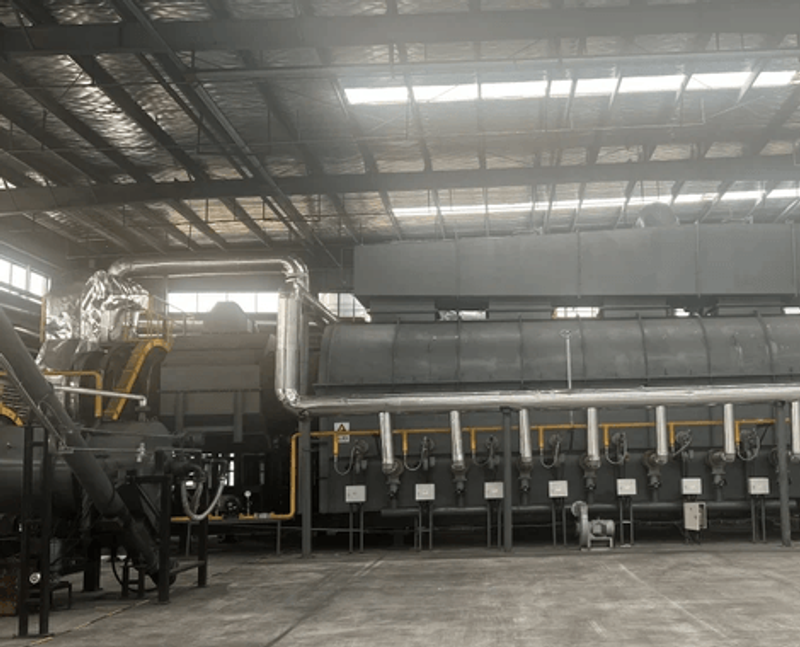
TNB Research has operated an anaerobic digestion and torrefaction pilot facility in Kajang since 2018, processing up to 350kg of food waste daily to produce biogas with 60–65% methane content and 10–30kg of biochar per torrefaction cycle. The biochar output is being evaluated for carbon material applications, soil improvement, and solid fuel enhancement, with data from the pilot intended to inform future scale-up decisions.

Advanced Carbons vs. Carbon Capture & Sequestration
Opinion Article23 June 2026

Advanced Carbons vs. Carbon Capture & Sequestration

The Advanced Carbons Council published a position paper in May 2026 arguing that carbon credit financing should be redirected from geological carbon capture and sequestration toward conversion of captured carbon into advanced materials such as graphene, carbon fiber, biochar, and carbon nanotubes. The paper contends that carbon-to-materials conversion projects are commercially self-sustaining without ongoing subsidies, unlike CCS, and deliver compounding lifecycle emissions reductions across sectors including construction, aerospace, agriculture, and energy storage.

Nanospan launches graphene-enhanced corrosion inhibitor for offshore wind farms
News10 June 2026

Nanospan launches graphene-enhanced corrosion inhibitor for offshore wind farms

Nanospan commercially launched GalvaShield-G, a graphene-enhanced corrosion inhibitor coating for offshore wind turbine towers and monopile foundations, priced at EUR 18 per litre and produced at its Hyderabad facility at 1,200 tonnes per annum capacity. The product demonstrates a commercial application of graphene in protective coatings for harsh marine environments, with third-party-validated maintenance interval extension from 5 to 12 years supporting the case for graphene's functional value in infrastructure composites.

EMPA shows graphene composite reduces aircraft de-icing energy by 60%
News10 June 2026

EMPA shows graphene composite reduces aircraft de-icing energy by 60%

Researchers at EMPA demonstrated a graphene-composite leading-edge skin that reduces aircraft de-icing energy consumption by 60%, achieving ice shedding at 5 W/cm² in panels tested at -25°C and 240 km/h after 1,200 cycles without delamination. The result advances graphene's case as a functional heating element within carbon-fibre-reinforced polymer structures for aerospace applications, with EMPA now scaling production toward trial integration in a commercial trainer aircraft.

NeoGraf opens flexible graphite sheet line in Ohio for thermal interface market
News10 June 2026

NeoGraf opens flexible graphite sheet line in Ohio for thermal interface market

NeoGraf commissioned a new production line at its Lakewood, Ohio facility, adding 2,000 tonnes per annum of flexible graphite sheet capacity funded by a $38 million investment, bringing its total to 11,000 tonnes per annum. The expansion increases domestic supply of high-purity exfoliated graphite sheets for EV battery thermal management, where the material's in-plane thermal conductivity above 600 W/m·K at low density addresses a critical requirement for North American automotive manufacturers.

News10 June 2026

GraphEnergyTech's graphene solar breakthrough, ICYMI

GraphEnergyTech, the University of Cambridge, Taiwan Perovskite Solar Corporation, and ITRI launched the GETPSC project to develop graphene-based electrodes as a replacement for silver electrodes in perovskite solar cells. The project targets a known barrier to commercial-scale perovskite adoption, with potential secondary applications for GraphEnergyTech's conductive carbon technology in batteries, supercapacitors, and electronics.

News10 June 2026

Levidian and Zentek aim to set up a graphene-integrated filter plant in the Middle East

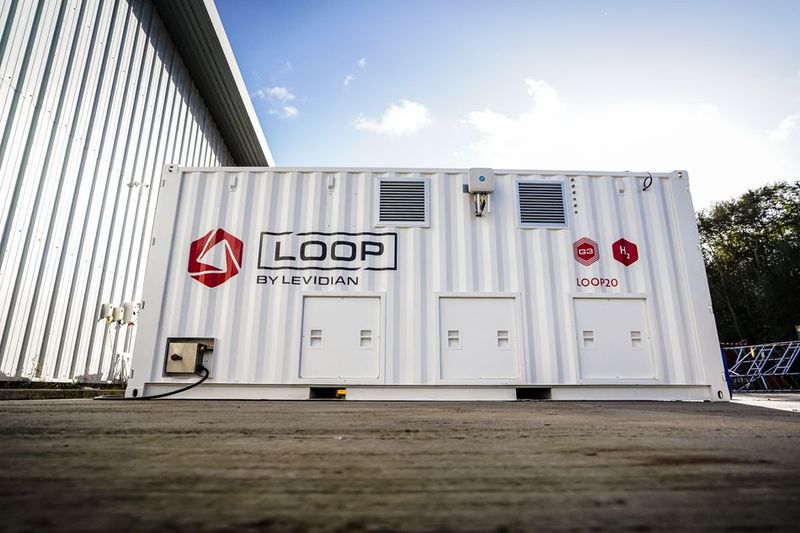
Levidian and Zentek have signed an agreement to explore building a graphene-integrated manufacturing facility in the Middle East, combining Levidian's methane-derived graphene production with Zentek's graphene-enhanced air filters. The deal signals growing regional demand for graphene-enhanced products and positions the Middle East as an emerging hub for graphene manufacturing and deployment across multiple industries.

First Graphene claims major boost to perovskite solar cell efficiency
News10 June 2026

First Graphene claims major boost to perovskite solar cell efficiency

First Graphene and Halocell Energy, in collaboration with Queensland University of Technology, reported that adding First Graphene's PureGraph graphene product to Halocell's perovskite solar cells raised efficiency to 30.6% and cut production costs by up to 80% by replacing gold and silver conductors via roll-to-roll processing. The result demonstrates a commercial application for graphene as a functional coating material in photovoltaics, with cost and efficiency metrics that could accelerate perovskite cell adoption over conventional silicon.

News9 June 2026

A high-performance and salt-resistant 3D solar evaporator based on recycled carbon fiber

Researchers developed a 3D porous solar evaporator using recycled carbon fiber combined with a CuO/reduced graphene oxide photothermal layer to improve solar-driven water evaporation performance and salt resistance. The work demonstrates a pathway for valorizing recycled carbon fiber as a functional substrate in graphene-based photothermal composites, linking carbon fiber recycling with emerging solar evaporation applications.