News14 October 2026· Graphene Feed
Graphene oxide transforms stem cell spheroids into exosome factories for healing
GrapheneHealthcareMembranes & FiltrationResearch & InnovationSustainabilitySafety & Toxicology
546 articles on Industry End-Users.
Researchers in South Korea used graphene oxide to nearly double exosome production from induced pluripotent stem cells. This method enhanced angiogenesis, promoting faster wound healing in animal models.
Chinese researchers have developed a coating of graphene oxide and carbon nanotubes that makes PET/TLCP composite fibres conductive.
Researchers in Mexico have developed a graphene oxide-modified titanium dioxide photoanode that degrades 85% of methylene blue dye in 120 minutes under acidic conditions, offering potential for direct treatment of industrial effluents.
Researchers converted waste tyre biochar using hydrogen peroxide to create a material that removes 99% of phosphorus from wastewater.

Researchers have developed closed-form entropy measures for degree-based topological indices in hyper armchair carbon nanotubes.
Researchers demonstrated that holey graphene membranes can desalinate water by allowing water molecules to pass through while blocking larger hydrated sodium and chloride ions.
Researchers developed a machine learning model to predict the thermal and wear behavior of grease enhanced with graphene.
Researchers developed a hollow bowl-shaped structure using Ti3C2Tx MXene combined with FeNi3, designed to absorb radar waves and capture solar energy.

Graphene-X's new All Rounder Pants, featuring a 200 g/m² graphene-integrated fabric, surpassed their $100,000 stretch goal on Kickstarter within 60 hours, with over $115,000 pledged.
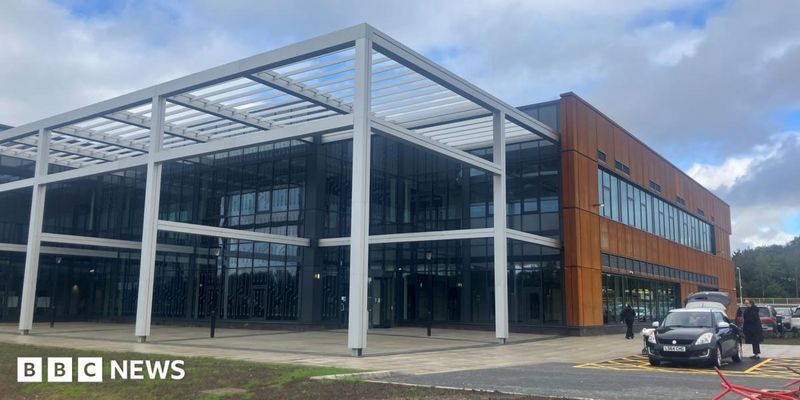
A new advanced materials testing centre has been completed in Atom Valley, focusing on the development and testing of graphene.
Researchers developed an antifouling polypyrrole membrane using a tannic acid-anchored titania nanosheet and graphitic carbon nitride interlayer to filter oily wastewater.
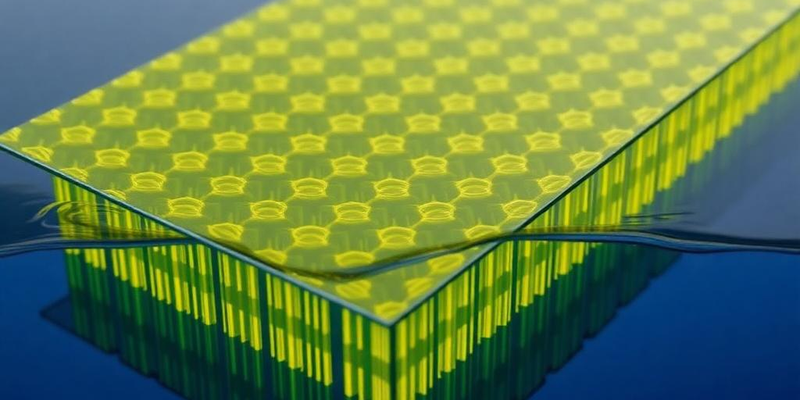
Researchers created carbon-fiber-reinforced geopolymer composites using red mud and ore tailings, achieving electromagnetic shielding effectiveness up to 33.5 decibels in the X-band frequency range.

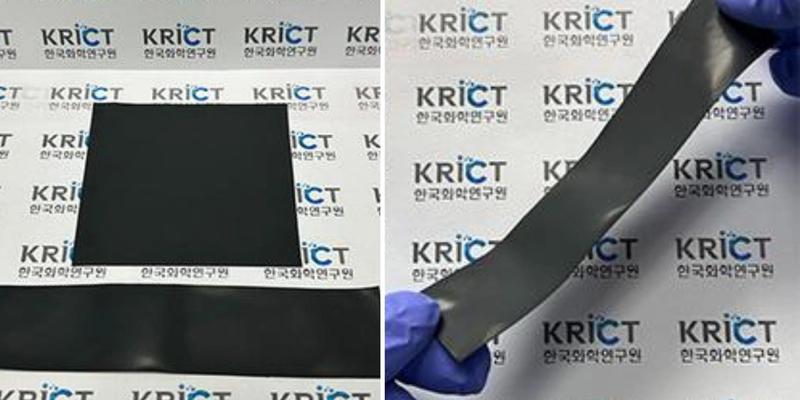
Researchers at KRICT used porous graphitic carbon nitride to guide lithium ions in thick, solvent-free cathodes, enhancing battery performance.
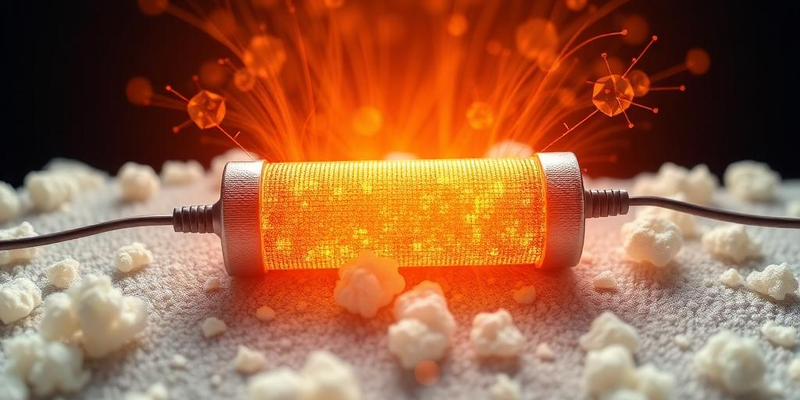
Researchers at the Indian Institute of Science developed a recyclable carbon fiber composite with a 53% increase in flexural strength and 96% strength retention after recycling.
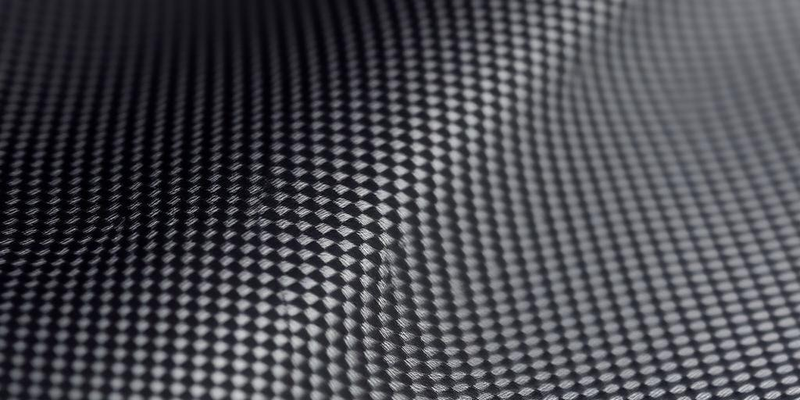
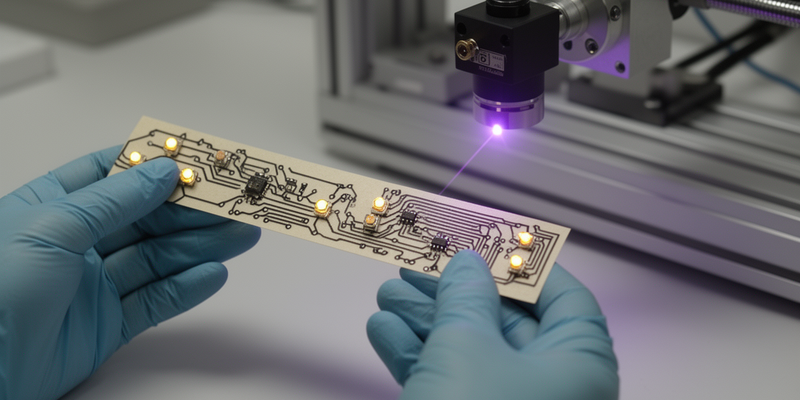
Researchers at the National University of Singapore have developed a method to create laser-induced graphene circuits on kraft paper using a 355-nanometer ultraviolet laser, enabling flexible, biodegradable electronics.
Researchers have developed Lollylab, a lollipop-shaped device that measures acetaminophen levels in saliva in under two minutes using a graphene sensor, offering a noninvasive testing method.
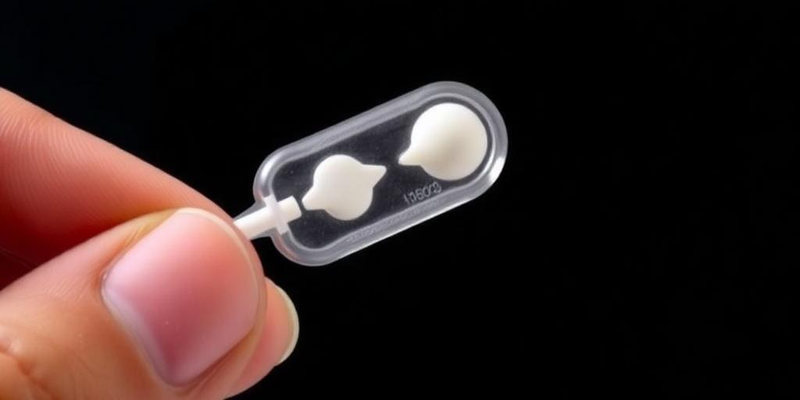
Researchers explore how biochar can enhance stormwater management practices by improving infiltration and retention, leading to better water quality solutions.
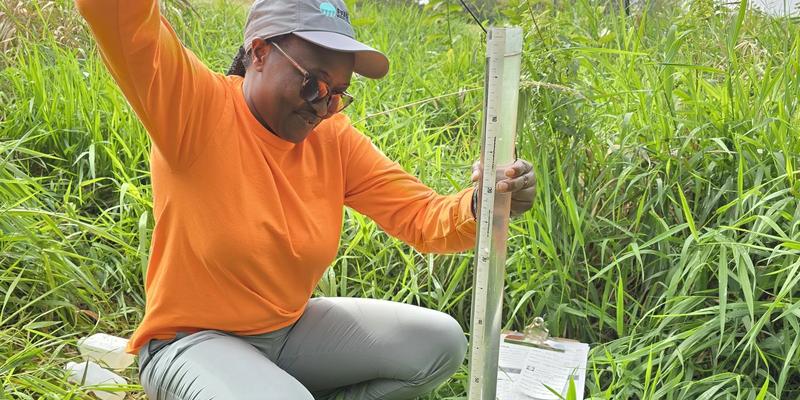
Researchers tested concrete mixtures containing 0.12 to 0.48 percent carbon fiber for compressive strength and volume resistivity.

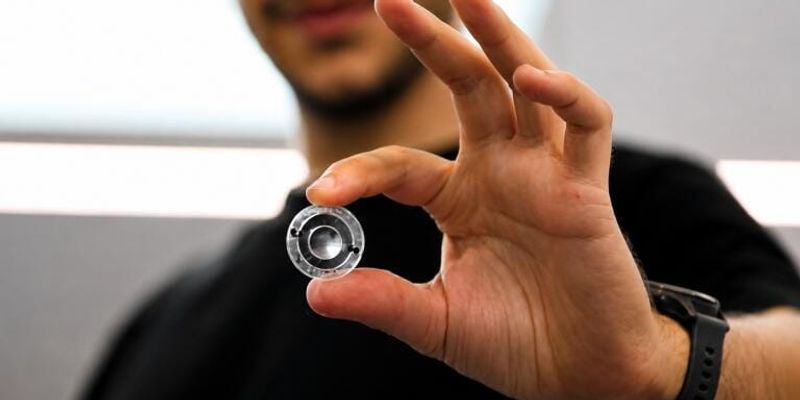
Researchers developed a cost-effective method to integrate graphene oxide into contact lenses, enhancing smart vision capabilities while remaining compatible with current manufacturing processes.

Researchers at Khalifa University have developed hybrid membranes using gallic acid-functionalized MXene, achieving over 95% rejection of dyes and pharmaceuticals in wastewater treatment tests.
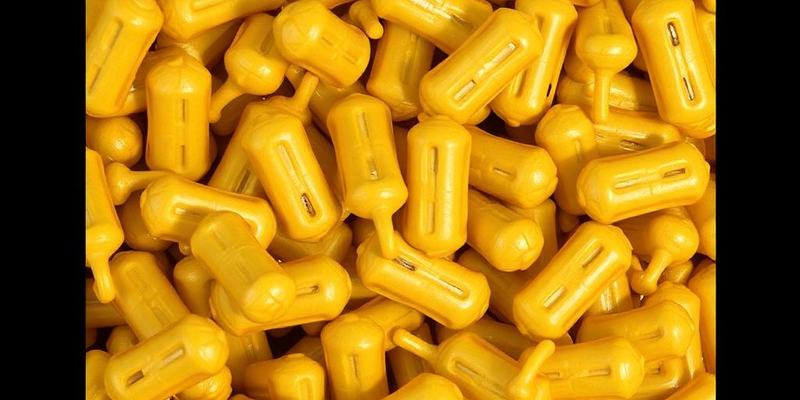
Chinese researchers found that incorporating polyimide pulp and graphitized carbon nanotubes into PTFE reduces friction by nearly 70%.
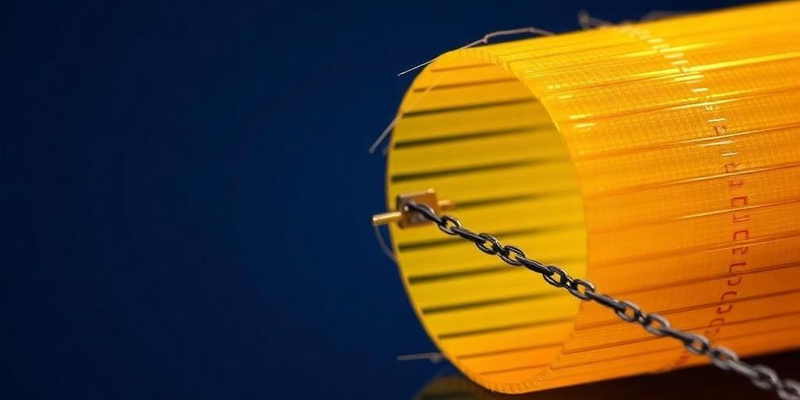
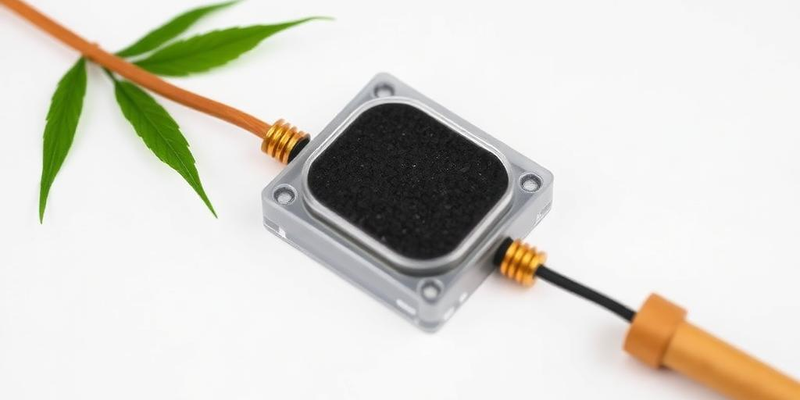
Researchers in Brazil have developed a disposable electrochemical sensor using recycled PET, bamboo biochar, and copper nanoparticles to detect the toxic herbicide paraquat.
Researchers found that adding 10% biochar to sand significantly slowed the passage of microbes, suggesting a potential application in water purification.
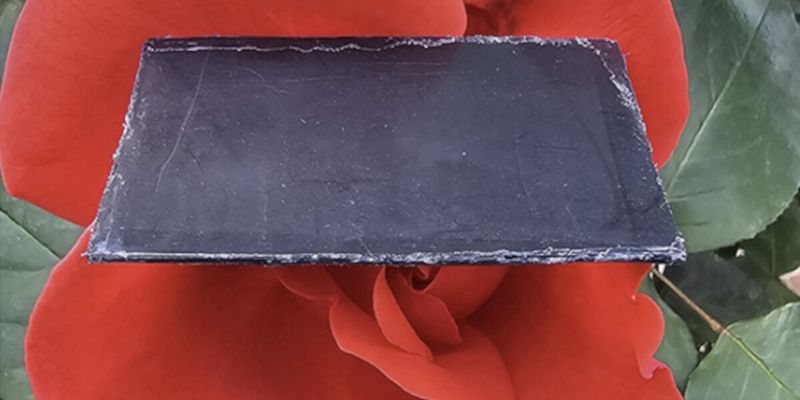
Researchers used flash joule heating to modify bamboo-based biochar, creating a composite material that blocks electromagnetic radiation.
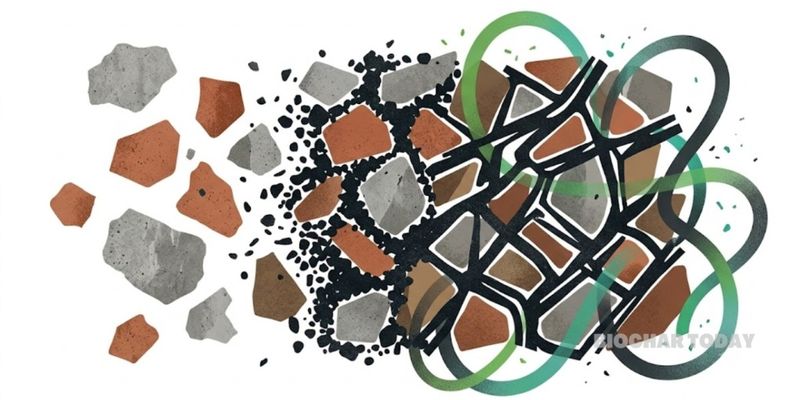
Researchers led by Weizhuo Zhang found that alkali-modified biochar in construction waste aggregates boosts carbon dioxide uptake and increases compressive strength by up to 851% through enhanced carbonation.
Researchers are enhancing composite materials by integrating carbon nanotubes and graphene-based sheets at the interlaminar regions, potentially improving their failure resistance.
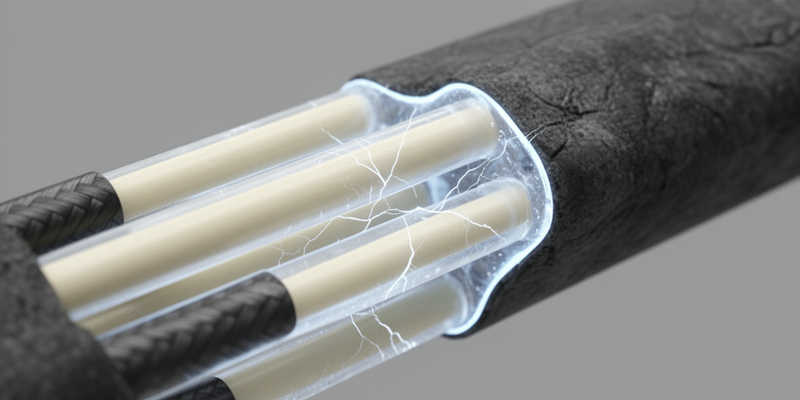
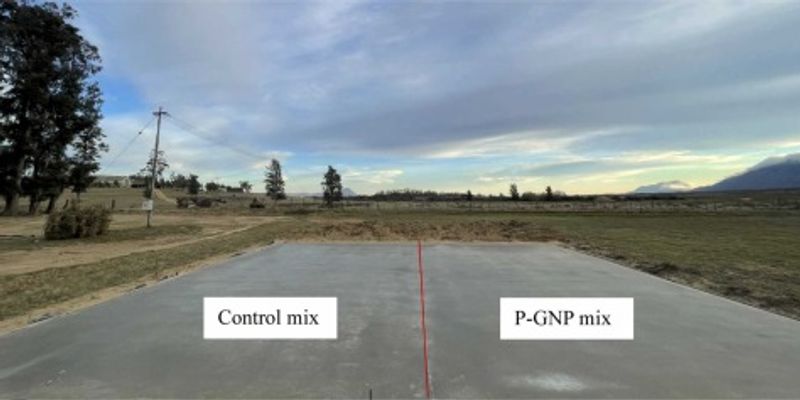
Researchers are conducting a real-world trial of pristine graphene nanoplatelet modified ready materials to assess their performance on a large scale.
Researchers in China developed a supercapacitor using a CoS2/Nd2O3 composite and sulfur-treated carbon nanotubes for train applications.

Renascor Resources produced graphite with 99.97% carbon purity at its Adelaide plant, surpassing typical battery-grade standards and validating a purification process that avoids hydrofluoric acid.

Researchers at the University of Illinois Urbana-Champaign used coal-derived carbon nanodots to integrate high-quality dielectric layers on 2D semiconductors, achieving a leakage current density below 0.1 mA/cm².
Researchers explore using carbon fiber composites to improve power distribution systems. The material's minimal thermal expansion, compared to steel, offers potential advantages in maintaining structural integrity.
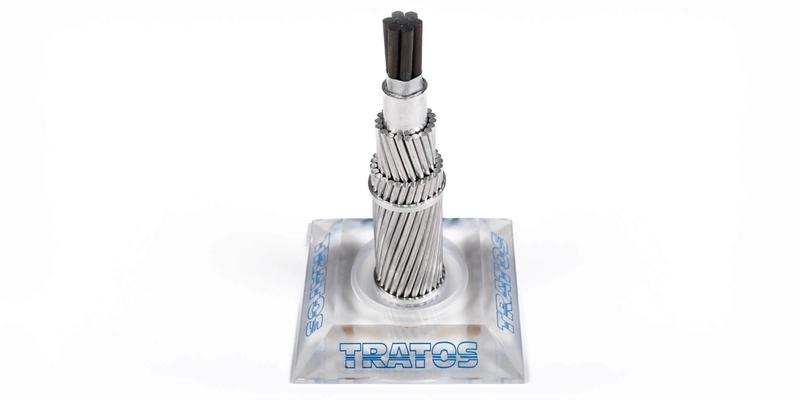
Park City is piloting biochar production in Thaynes Canyon to reduce wildfire risks and improve soil health. The project covers 200 acres and aims to enhance water retention.

Researchers from Peking University, Tsinghua University, and the University of Hong Kong developed graphene reservoirs to precisely control ice thickness in cryo-electron microscopy, achieving uniform depths as thin as 15 nanometers.
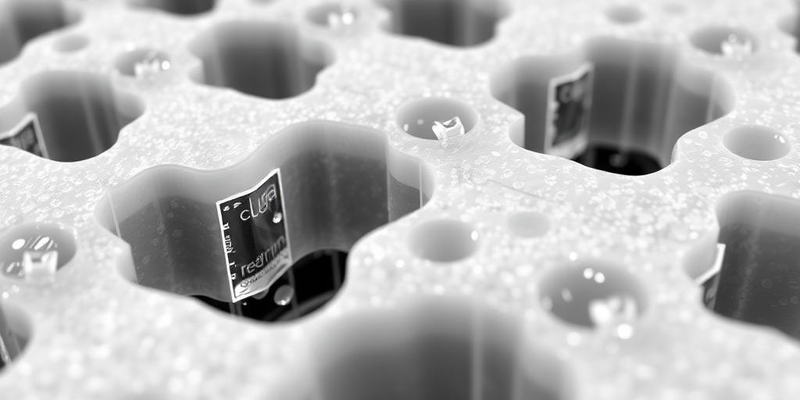
Researchers achieved thermal welding of PBAT and graphene oxide, reducing it to form porous composites with reduced graphene oxide.
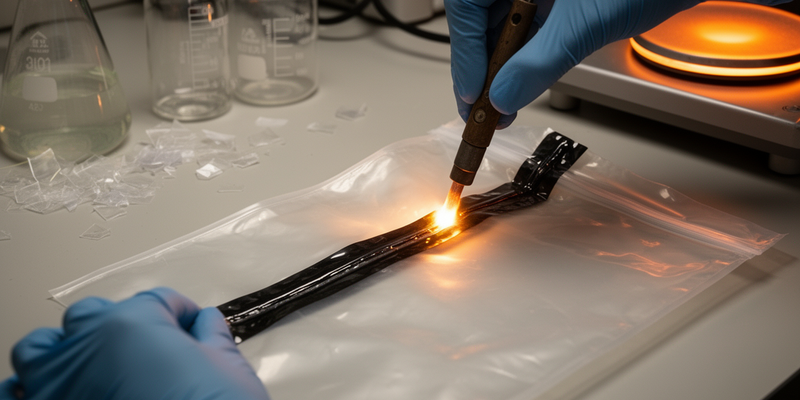
Researchers at the North University of China have optimized nitrogen-doped carbon nanotubes for lithium-ion battery anodes by pyrolyzing ZIF-67 at 700 degrees Celsius, enhancing fast-charging capabilities.
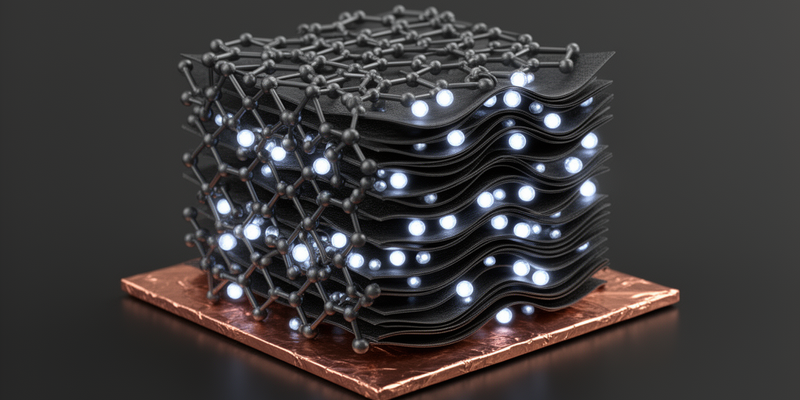
Researchers developed a PVA-gelatin hydrogel with CNTs@ZIF-67 nanoparticles, achieving over 33 dB electromagnetic shielding in the X-band while remaining flexible and adhesive for wearable applications.
Global Graphene Group seeks a Sales Engineer in Dayton, Ohio, to expand its graphene markets. Apply by December 31, 2026.
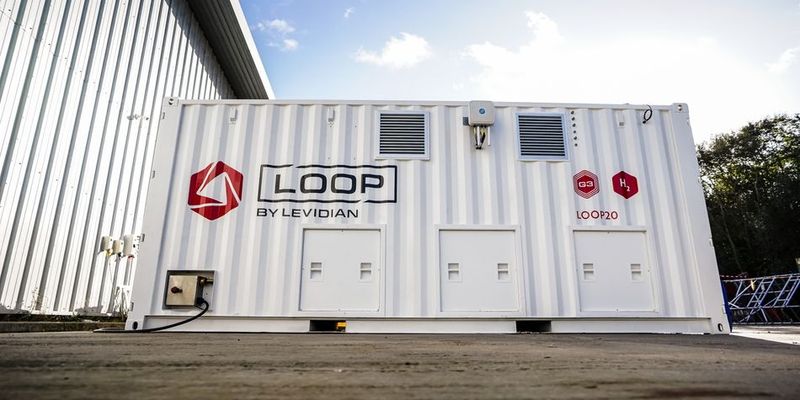
Dana Gas and Levidian have launched graphene production at Sharjah Graphene Park, with an annual capacity exceeding one tonne. The project began just four months after their initial agreement.
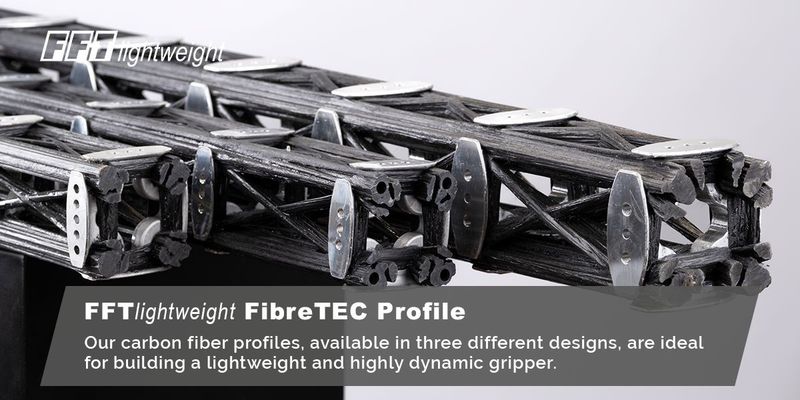
FFT Produktionssysteme's FibreTEC system reduces gripper weight by 41% compared to aluminum, enabling higher load capacity without larger robots.
Researchers developed a multi-walled carbon nanotube and cobalt oxide nanocomposite to detect glucose in sweat.

Researchers developed a nitrogen-enhanced graphene wrapper for platinum in fuel cells, increasing its lifespan.
Researchers found that fully dense 3D-printed carbon fiber reinforced PA12 provides optimal strength and thermal performance for space applications.
Researchers at Henan University used CatBoost machine learning models to predict cadmium adsorption on biochar with over 94% accuracy.
Researchers at KAIST have discovered liquid crystal behavior in graphene oxide, marking a world first in materials science.
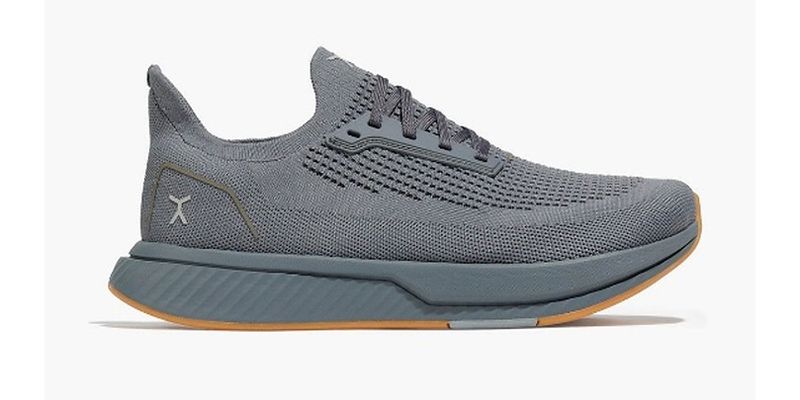
First Graphene secured its first production order with Flux Footwear to supply PureGRAPH® for their athletic shoes, enhancing durability and strength in the Graphene XT performance line.
POSCO Future M has signed a $4.5 billion long-term supply deal with Samsung SDI for lithium iron phosphate cathode materials, doubling their previous agreement's volume.
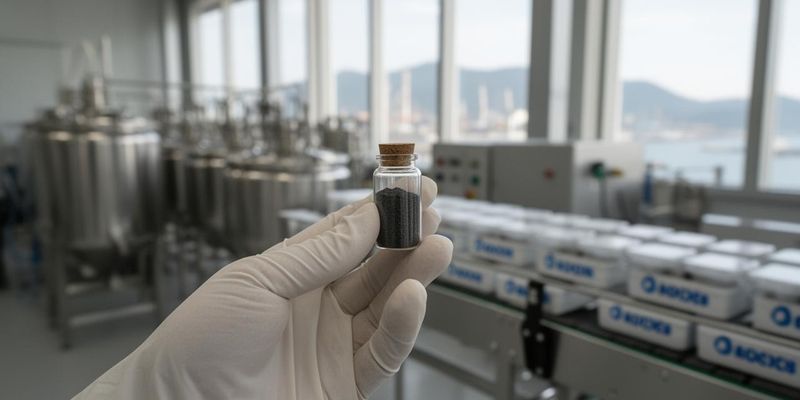
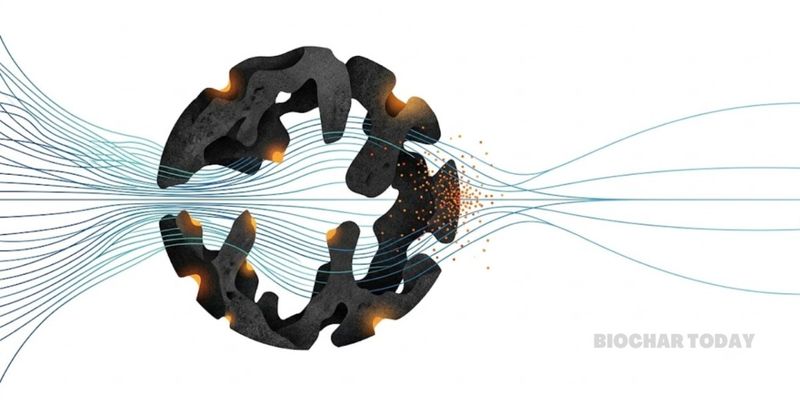
Researchers developed defect-engineered biochar that achieves over 99% radical selectivity, enhancing its effectiveness for water decontamination.
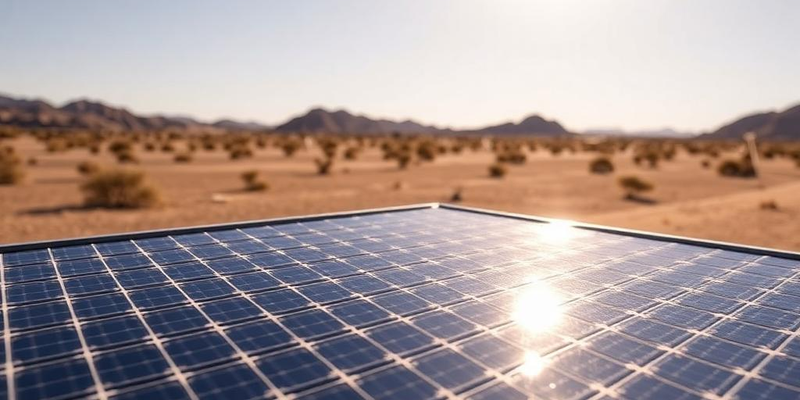
Researchers developed a graphene-enhanced MOF-303 composite that captures water from desert air using sunlight, achieving water collection of 0.254 grams per gram of material in 30 minutes.
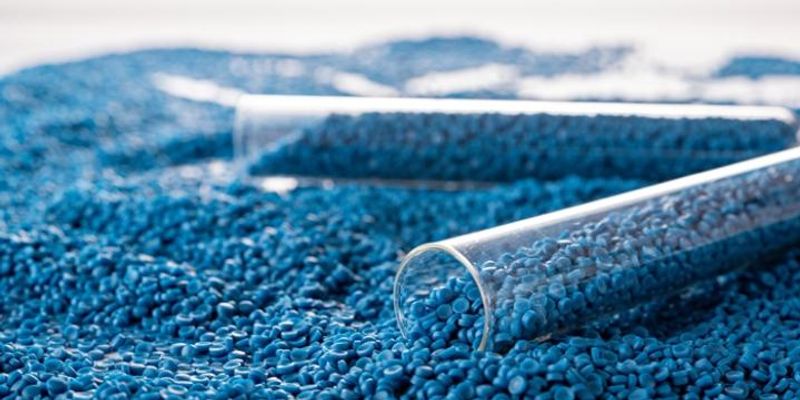
Polish researchers developed a recycled plastic composite with carbon nanoplatelets that conducts heat over four times better than the original material. This innovation enhances potential applications in electronics.
Researchers created a nanocomposite combining graphitic carbon nitride, iron oxide, graphene oxide, and zinc oxide to convert sunlight and air into benzaldehyde at room temperature.

The Boeing 777-9 aircraft incorporates 53% carbon-fiber reinforced polymer in its construction, contributing to the 70% total of advanced materials used.

Researchers in South Korea developed a carbon nanotube nanocage that increased the glass transition temperature of a composite by 119%, from 160°C.
Researchers at Northeast Normal University developed a nano-magnesium oxide modified pyro-hydrochar from Rhus typhina biomass, achieving a fluoride adsorption capacity of 469.64 mg/g, outperforming other magnesium oxide adsorbents.

Researchers optimized the mechanical properties of thermoplastic polyurethane composites reinforced with multi-walled carbon nanotubes through T6 heat treatment.
Researchers developed a ternary composite using bismuth oxide, precipitated calcium carbonate, and carbon nanotubes that achieved a record specific capacitance.
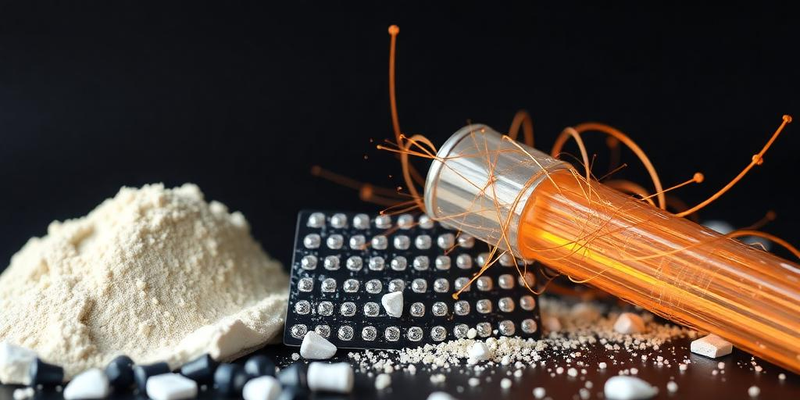
Researchers developed pH-responsive carbon nanotube-based nanocarriers that release chemotherapy drugs in acidic tumor-like environments.

Researchers created a carbon nanotube and magnetite aerogel that nearly doubles heating efficiency in induction welding of carbon fiber composites.
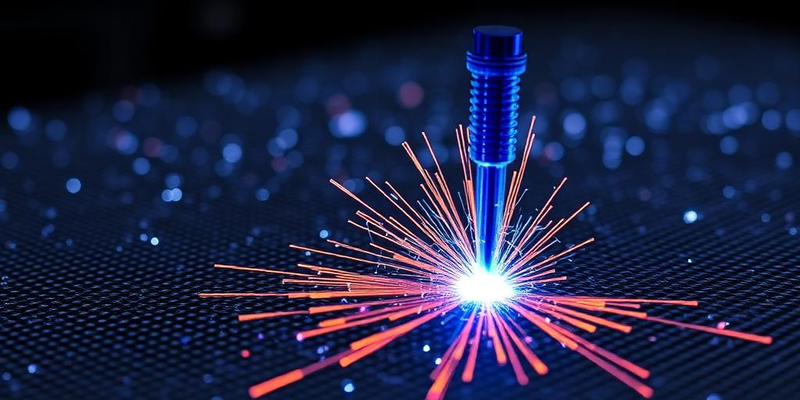
Researchers in China developed a boron-doped graphitic carbon nitride homojunction that degrades 98.6% of antibiotics in water using persulfate and visible light.

Duo Packaging has developed a new graphene-enhanced flexible packaging film in Manchester.
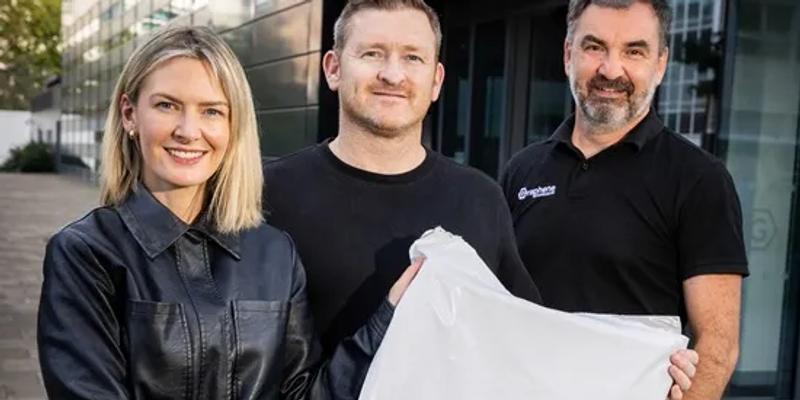
India's domestic battery industry faces challenges due to a lack of local synthetic graphite and anode material production.
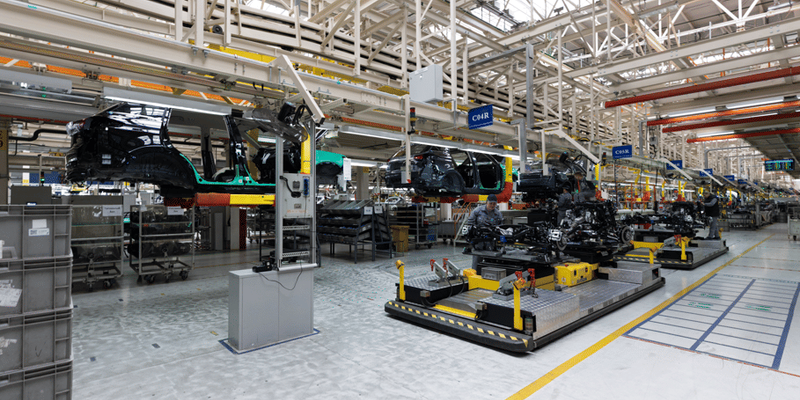
NorSAF and Nova Pangaea Technologies are collaborating to create a supply chain converting waste biomass into sustainable aviation fuel, with biochar as a carbon-negative byproduct.

Researchers at Khalifa University reviewed how graphene enhances high-density polyethylene (HDPE). They examined compounding techniques and found that graphene improves HDPE's thermal, electrical, and barrier properties when well-dispersed.
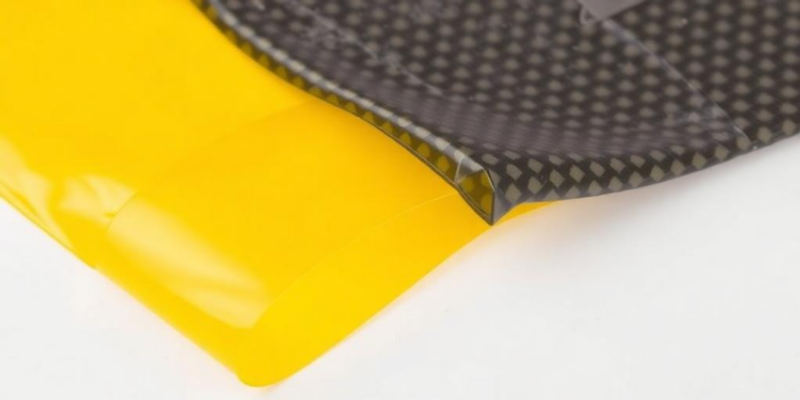
Researchers have developed MXene-wrapped phase change materials using Ti3C2Tx MXene and gelatin aerogels to enhance thermal energy storage capabilities.
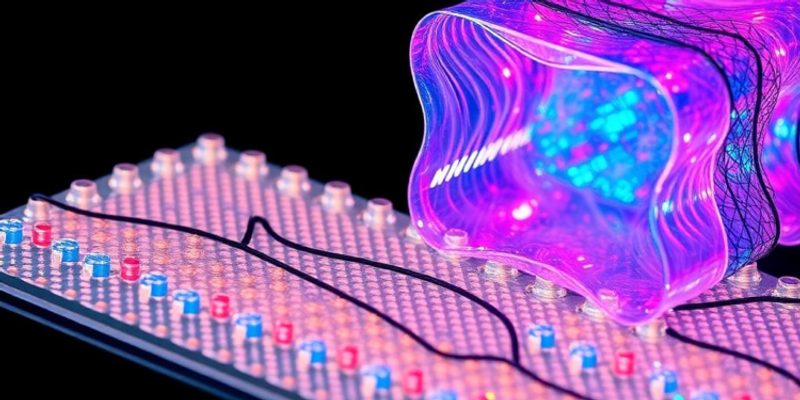
Researchers developed a self-healing MXene-polyurethane sensor that, with deep learning, can identify handwritten digits.

Researchers developed nitrogen-modified biochar by mixing corn stover biochar with urea in a 1:2 mass ratio and conducting a second pyrolysis.

First Graphene and Aeropreg have signed a three-year agreement to develop and commercialise graphene-enhanced carbon fibre prepreg for aerospace and automotive markets.

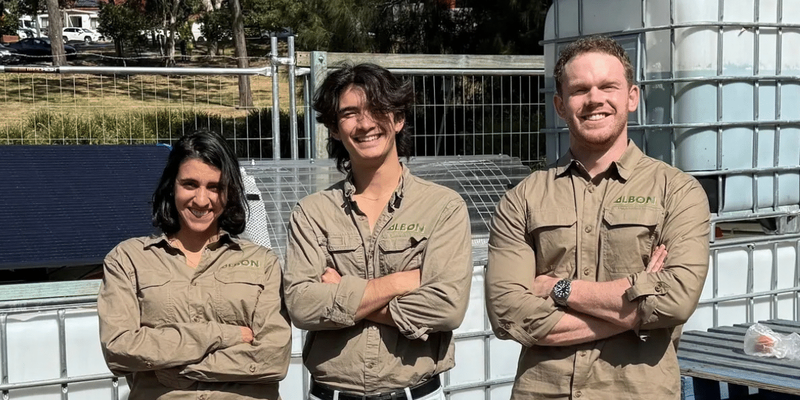
ALBON has developed a modular system that uses algae to treat wastewater, converting captured waste into biochar.
Engineers found that adding 12.5% coconut shell biochar to asphalt can enhance its strength, offering a sustainable alternative for road construction.

Verde Resources is commercializing its engineered biochar technology via partnerships, including one with Ergon Asphalt & Emulsions.

Duo Packaging and the University of Manchester's GEIC have developed a graphene-enhanced polyethylene film, 2DPE, increasing recycled content to 60% and reducing film thickness to 28 microns.

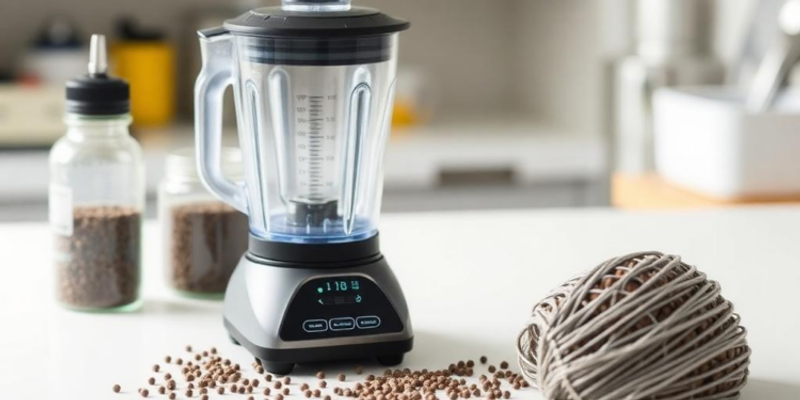
Researchers found that using a kitchen blender is more environmentally friendly and effective than traditional ball milling for processing multi-walled carbon nanotubes.
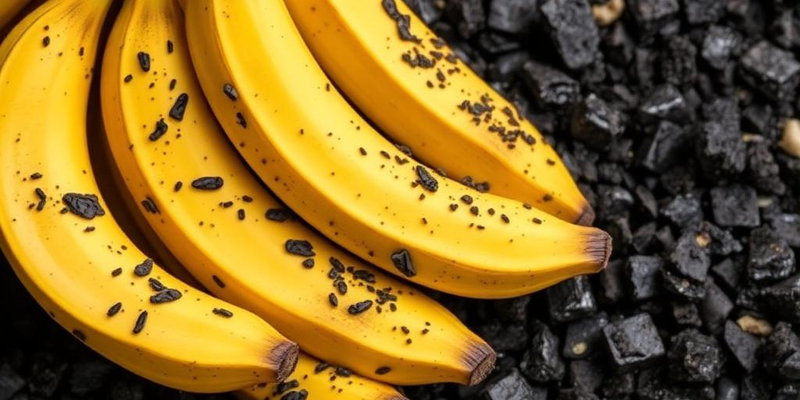
Researchers in Qatar discovered that non-activated biochar from banana peels increased biocrude yield from sewage sludge to 37.88%, thanks to its high potassium content.
Researchers have developed carbon dots capable of bending light uphill, enabling optical disks to potentially store up to 400 terabits of data on a DVD-sized disk.

Obayashi used biochar-derived material in precast concrete curtain wall panels for the first time.
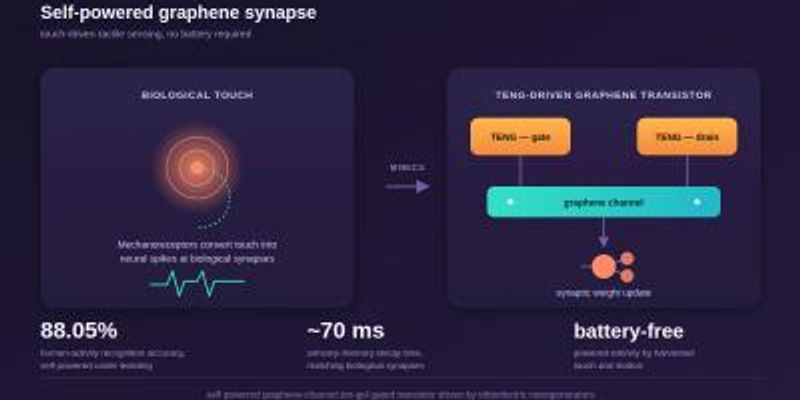
Researchers developed a flexible graphene neural interface that mimics synapses, integrating transistors and rGO electrodes for wearable sensing applications.
Researchers have developed carbon dots from papaya leaves that can purify water and combat cancer cells without needing external dopants.

Researchers have transformed discarded masks into high-performance nanocomposites using carbon nanotubes and graphene nanoplatelets.
HydroGraph demonstrates that pure graphene is now ready for large-scale industrial applications.
Researchers have enhanced composite bipolar plates for fuel cells using carbon nanotubes, surpassing stringent international performance standards.
Cotierra raised $3 million to expand its decentralized biochar systems for tropical agriculture. The funding, led by Carbon Removal Partners and PINC, will support commercial scaling.
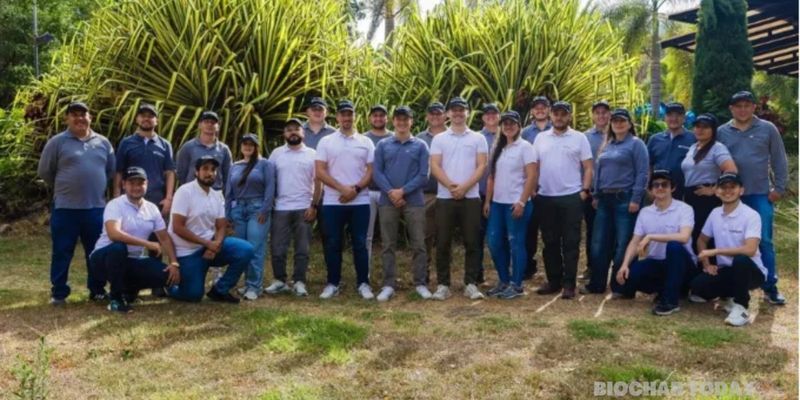
Researchers demonstrated that platinum-copper and platinum-iron catalysts on MXene enhance fuel-cell efficiency and longevity.

Researchers developed an AI model to determine the ideal amount of graphene oxide needed to remove toxic metals from farmland.

A Korean research team improved the bonding strength of carbon fiber composites by 30.8% using a nanocomposite aerogel in an induction joining process.

A South Korean research team created a dry cathode method incorporating porous graphitic carbon nitride to improve lithium-ion EV batteries.
Researchers tested concrete mixes with bamboo biochar replacing cement at up to 1.5% and zeolite replacing fine aggregate at up to 50%.

Graphite One is advancing its strategy to supply natural and artificial graphite anode materials for lithium-ion batteries in electric vehicles and energy storage systems.

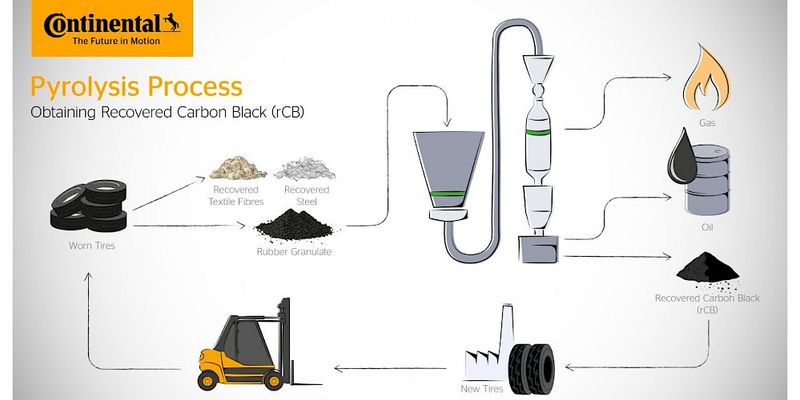
Continental is incorporating recovered carbon black from end-of-life tire pyrolysis into its tire production.
First Graphene and Vector have partnered to launch PureGRAPH® heat sensors.
Researchers have developed a bilayer transparent conductive film combining single-walled carbon nanotubes with magnesium fluoride, achieving 96.36% efficiency in electrostatic dust removal.
Albany Engineered Composites secured a $21.2 million contract to develop carbon-carbon composite thermal protection systems for hypersonic vehicles and solid rocket motors over 30 months.

Paragraf is now producing molybdenum disulphide (MoS₂), a 2D semiconductor, alongside its existing graphene technologies to help reduce power consumption in data centres and AI chips.
Researchers evaluated biochar as a sustainable substitute for coal and coke in steelmaking, focusing on its metallurgical, technical, and environmental impacts from input to steel production.
The University of Florida has chosen Myno Carbon to convert sargassum seaweed into biochar, aiming to address coastal environmental issues.
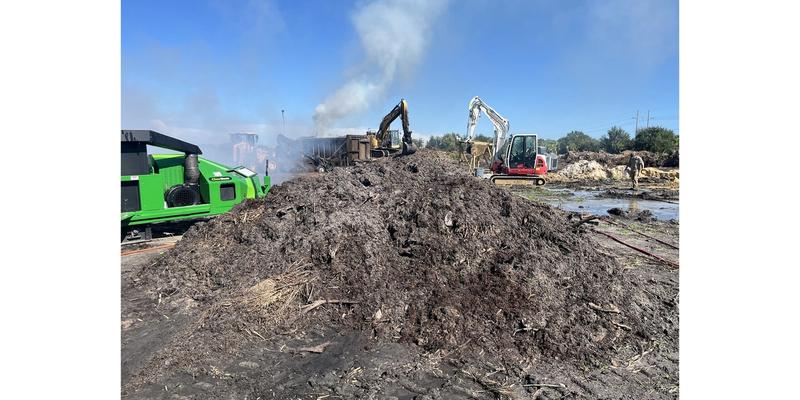
Researchers at Aston University are collaborating with Jesmonite to explore biochar as a sustainable alternative to cement.

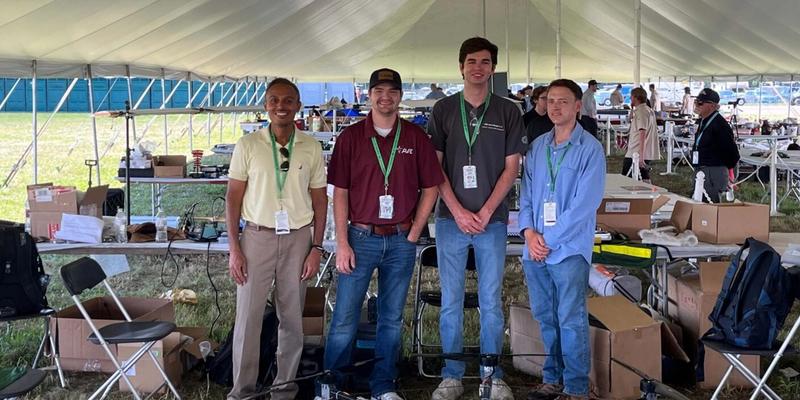
A Texas A&M student team built a six-pound carbon fiber drone that successfully lifted 110 pounds during the DARPA Lift Challenge.
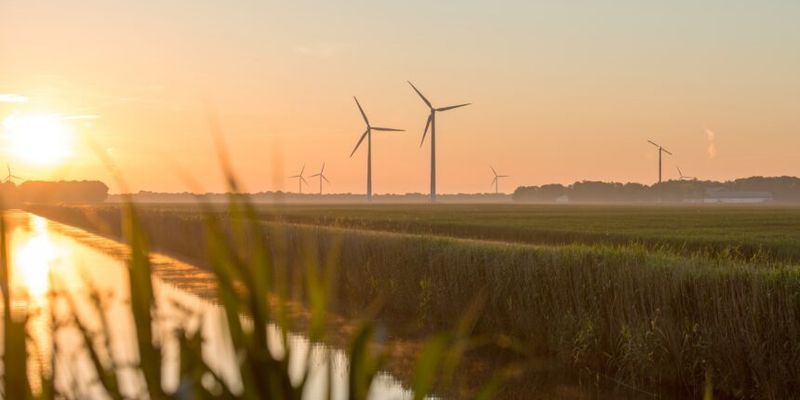
Suzlon and Exel Composites have partnered for a multi-year agreement to manufacture carbon fibre composites for wind power applications.
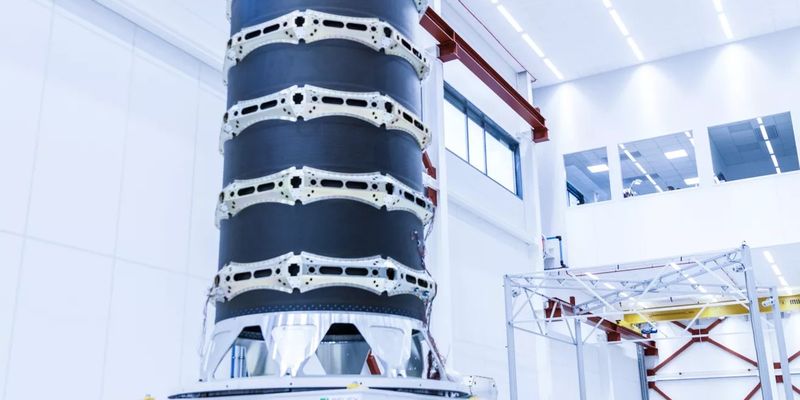
A new high-precision milling machine at Beyond Gravity's expanded Linköping facility will enable the production of 192 carbon fiber satellite dispenser modules annually.
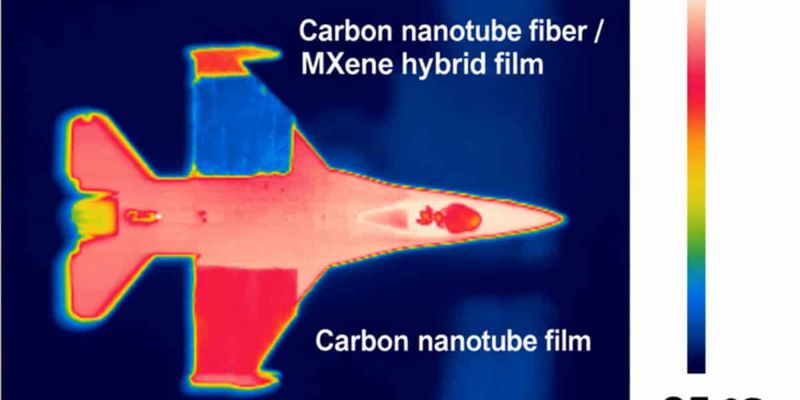
Researchers developed a hair-thin film using carbon nanotubes and MXene that blocks over 99.9999999% of radar-band electromagnetic waves.
Researchers have successfully grown graphene and graphite thin films directly on substrates at room temperature.
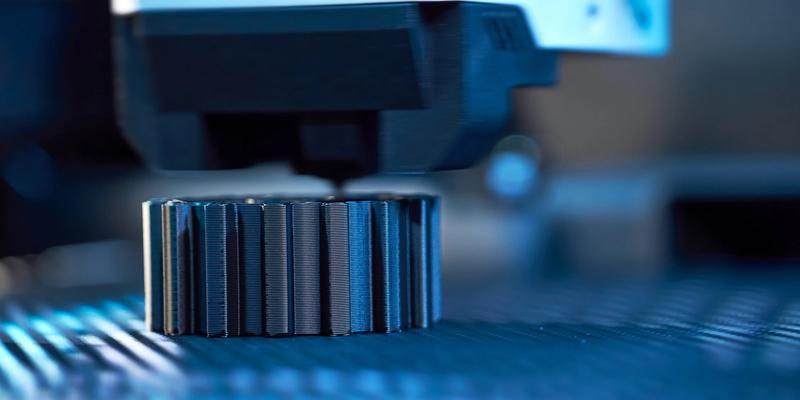
Carbon fiber nylon (PA12 CF) is identified as the strongest 3D printer filament based on tensile strength, surpassing polycarbonate.
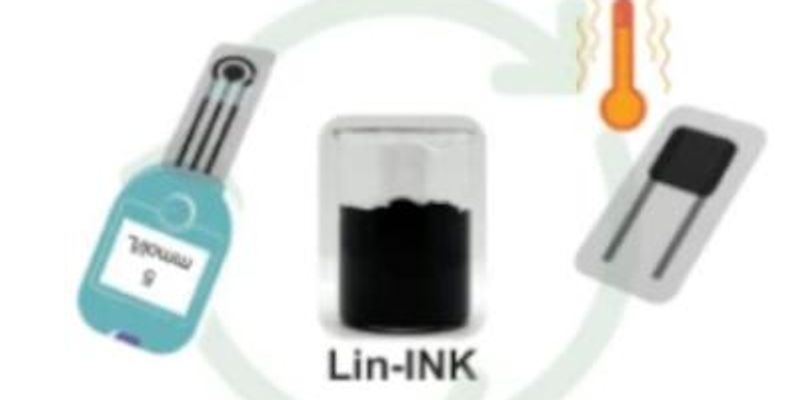
Researchers have demonstrated that few-layer graphene recovered from used sensors can be reprinted up to five times without losing performance.
Researchers in Texas discovered their plasma reactor, initially aimed at hydrogen production, also creates graphene oxide from methane. This unexpected find offers a potentially cheaper production method.
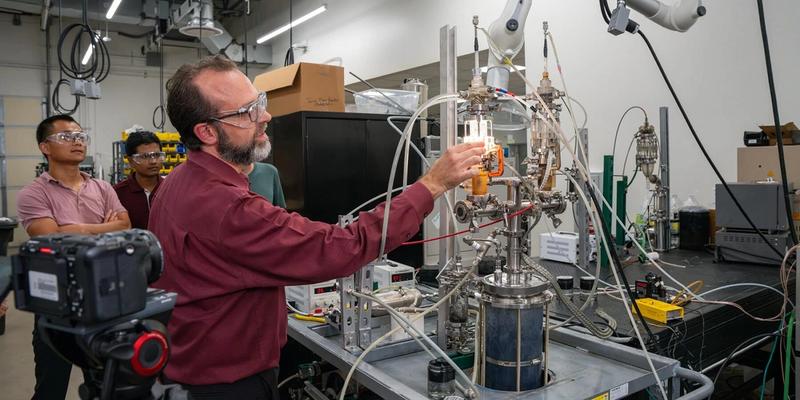
Washington University in St. Louis researchers developed a lignin-based carbon fiber that meets automotive standards, reducing production costs by 25% and using half the petroleum-derived precursor.
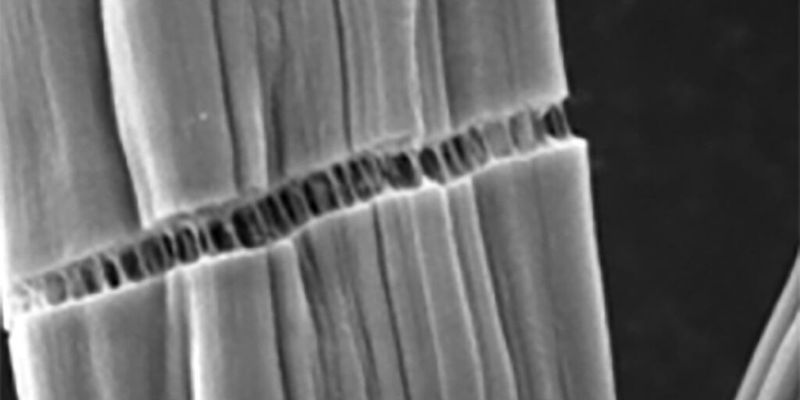
OCSiAl nanotubes are playing a critical role in a new project supported by the European Union through Horizon Europe that aims to develop aviation-grade battery cells capable of exceeding 400 Wh/kg— an energy density widely considered essential for commercially viable electric regional aircraft.

Researchers are exploring graphene oxide combined with methylglyoxal to target biofilms in chronic wounds, leveraging its antibacterial properties.
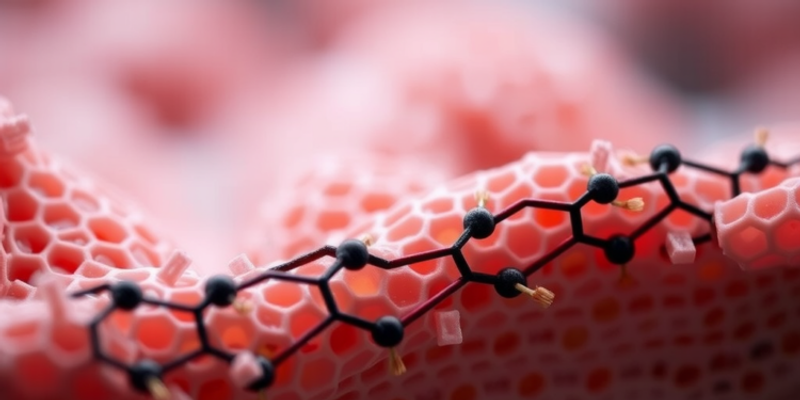
Researchers found that tiny particles from activated carbon and biochar can bypass water filters, carrying contaminants like lead. This challenges current water-treatment assessments.
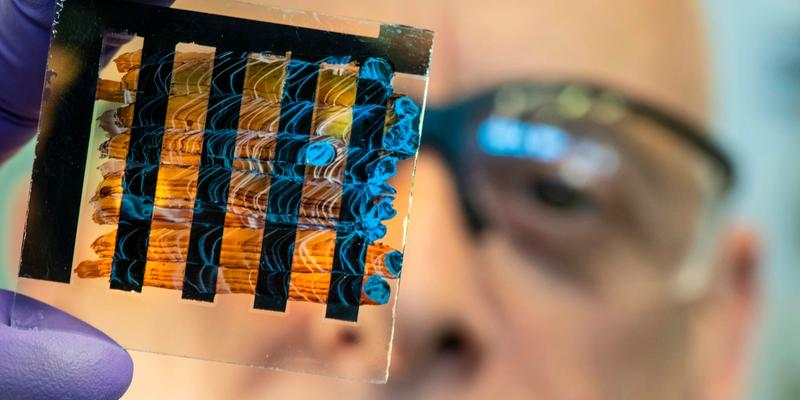
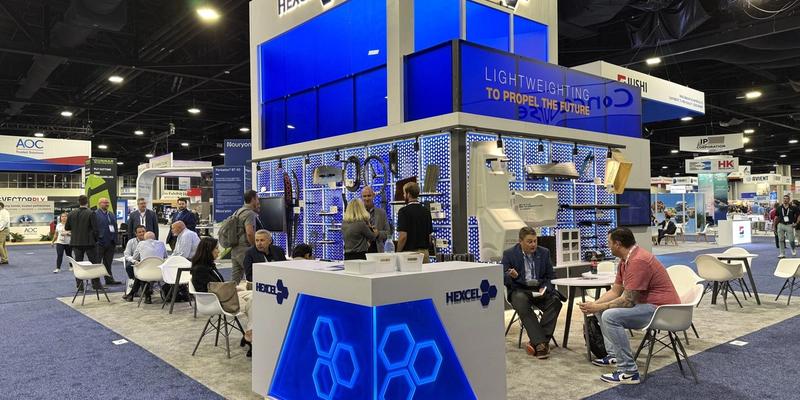
Hexcel launched HRH-10, a honeycomb core material qualified by NCAMP, at CAMX 2026, aiming to streamline development time and costs for aerospace manufacturers.
Helicon Industries is developing automated systems to enable high-volume production of carbon fiber composites.
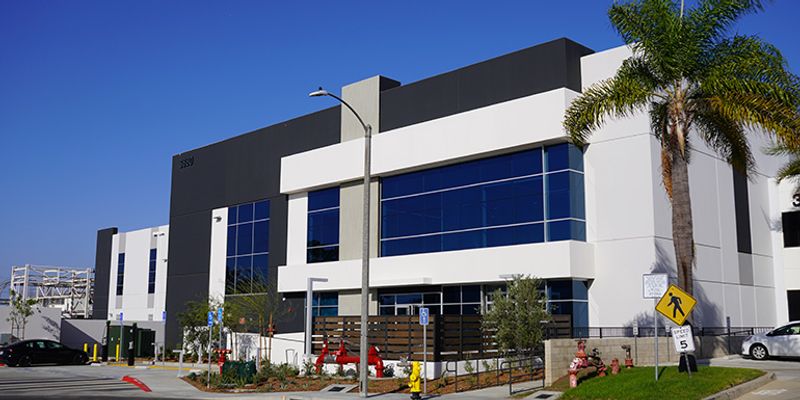
Researchers highlight biochar's potential for carbon sequestration by converting biomass into stable carbon storage. Biochar can be produced globally and offers additional agricultural benefits when added to soil.

Researchers developed a carbon nanotube foam with mechanical memory, retaining its shape after compression. This property could lead to advanced impact-resistant materials and mechanical computing applications.
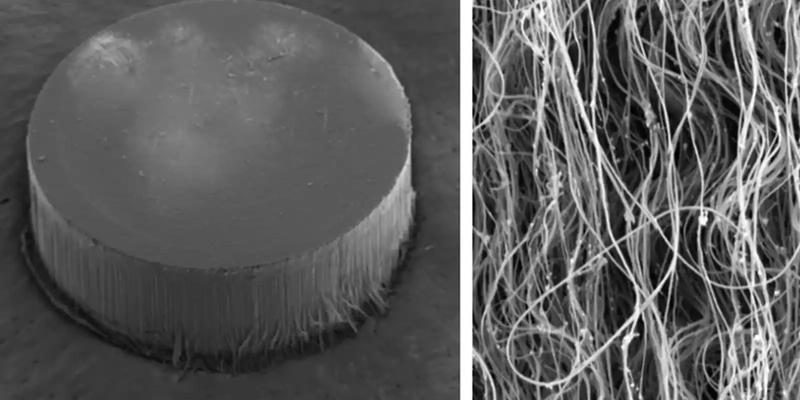
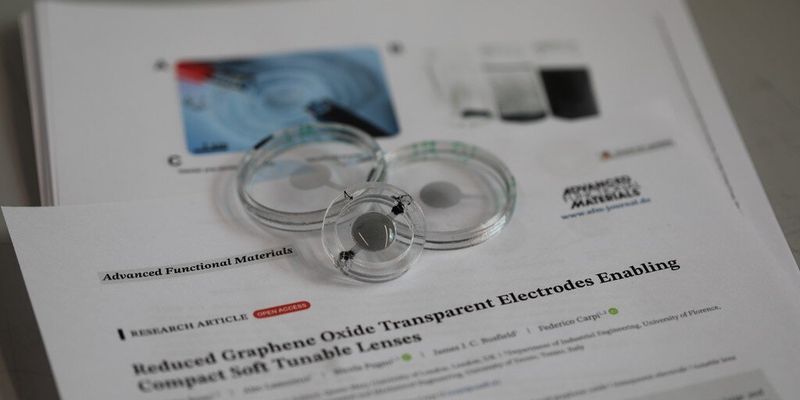
Researchers have developed ultra-thin transparent electrodes using reduced graphene oxide for soft lenses, potentially transforming camera focus technology.
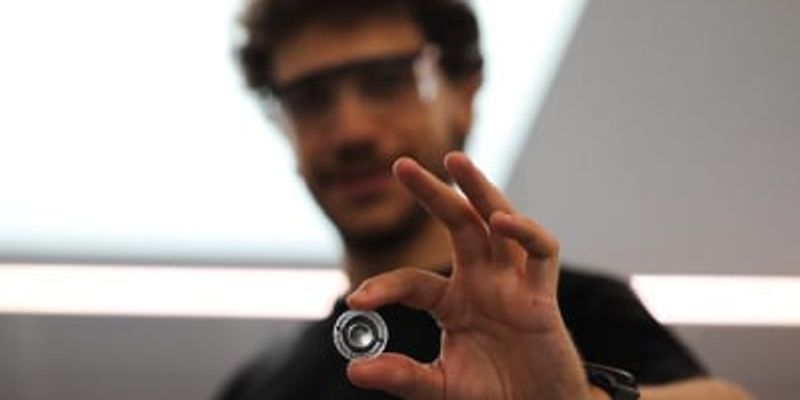
Researchers developed epoxy nanocomposite coatings using carbon nanotubes and nanoclay, enhancing fire safety and self-sensing capabilities.
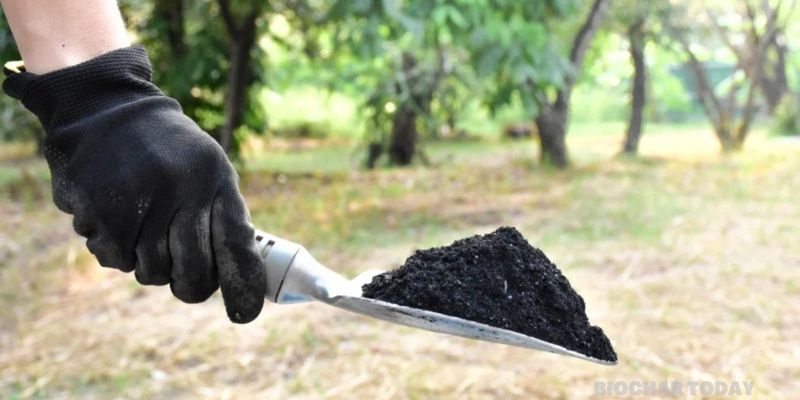
Tokai Carbon plans to launch a pilot plant for producing 'eco Carbon Black' by the end of 2027, in collaboration with Bridgestone and Japanese universities.
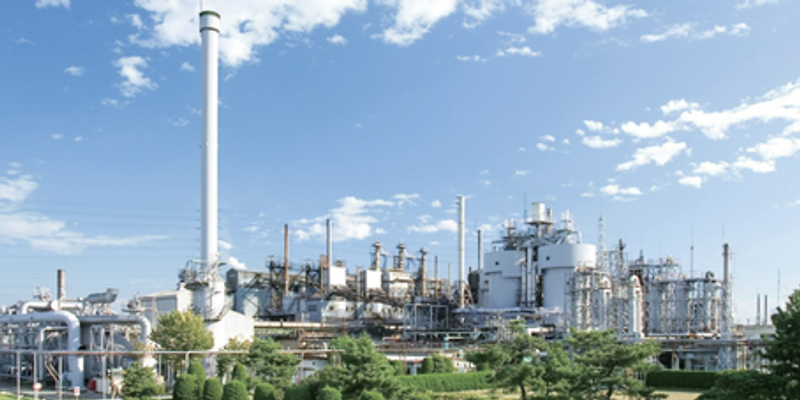
HydroGraph UK and CEAMS have developed graphene-enhanced nylon compounds for hydrogen tank liners, aiming to improve durability and reduce costs by addressing failure modes in Type IV tanks.
Researchers have developed miniaturized biosensor platforms capable of detecting neurodegenerative disease biomarkers, such as amyloid-beta and tau proteins, at extremely low concentrations, potentially enabling earlier diagnosis.

Exomad Green and Carbonfuture will supply 1.1 million tonnes of biochar carbon removal by 2035, tackling Bolivia's supply issues with certified pyrolysis and comprehensive digital tracking.
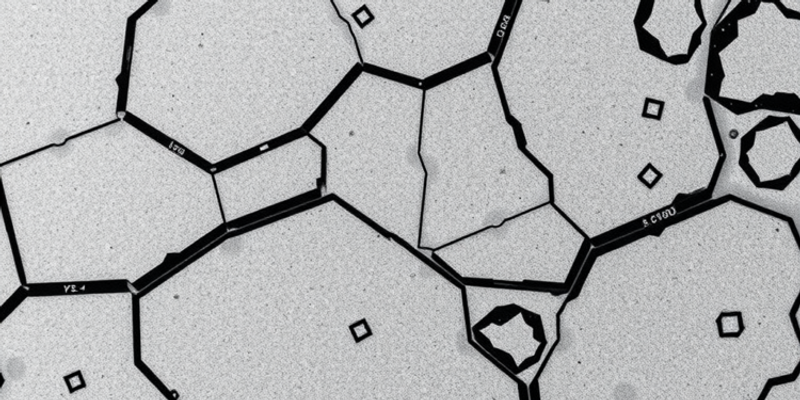
Researchers have developed a method to synthesize nanographenes with up to eight helicenes, each with controlled handedness. This allows for precise tuning of optical and electronic properties.

Researchers used quaternized carbon dots to fully prevent S. aureus biofilm formation at a concentration of 1,000 micrograms per milliliter.
The Advanced Carbons Council calls for a U.S. carbon materials innovation platform focused on standards, testing and buyer qualification. The paper links engineered-carbon supply chains to manufacturing, energy, defense and AI infrastructure. Serves as a model for governments world-wide.
ARIA is funding the development of perovskite-carbon fiber-reinforced polymer solar cells for use in stratospheric aircraft.

Researchers have developed multifunctional films using Ti3C2Tx and carbon nanotube fibers to protect military electronics by providing EMI shielding and heat management.
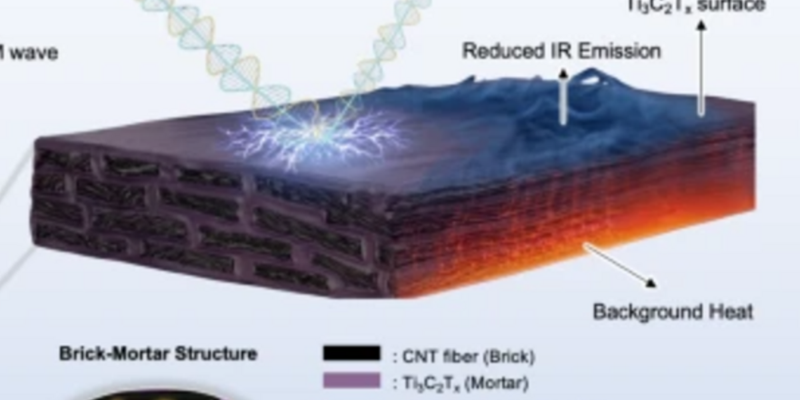
South Korean researchers developed a 17.5-micrometer-thick film that blocks 99.9999999% of radar waves by combining carbon nanotube fibers with MXene nanosheets, enhancing stealth technology.
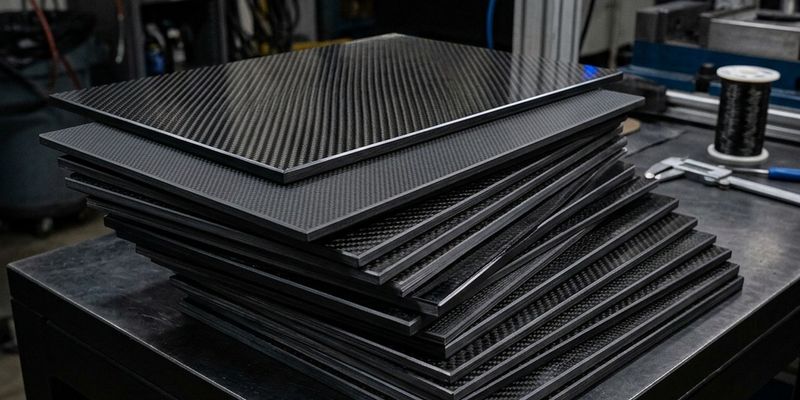
YongXian CarbonFiber has expanded its range of standard carbon fiber plates and tubes, targeting engineering buyers with enhanced options for various applications.
Montauk Renewables has opened a $200 million facility in Sampson County, North Carolina, turning swine waste into renewable energy and biochar.

Researchers discovered that using polar solvents in the modification of single-walled carbon nanotubes enhances their optical properties, enabling the detection of cholesterol.
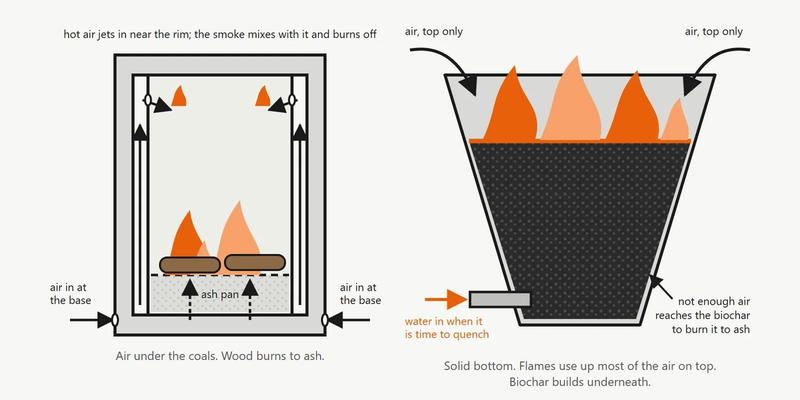
Smokeless fire pits efficiently burn wood by heating air between double walls for a cleaner burn, but they are not designed to produce biochar, which requires restricted airflow.
Colorfix presented commercial results for graphene-enhanced polyethylene films, including downgauging in baling, stretch, shrink and HDPE applications. The company reports resin savings and performance improvements across several packaging formats.
Korea Institute of Energy Technology developed a tube-type battery with a central cooling channel, enabling it to charge from 5% to 95% in just 9.6 minutes.
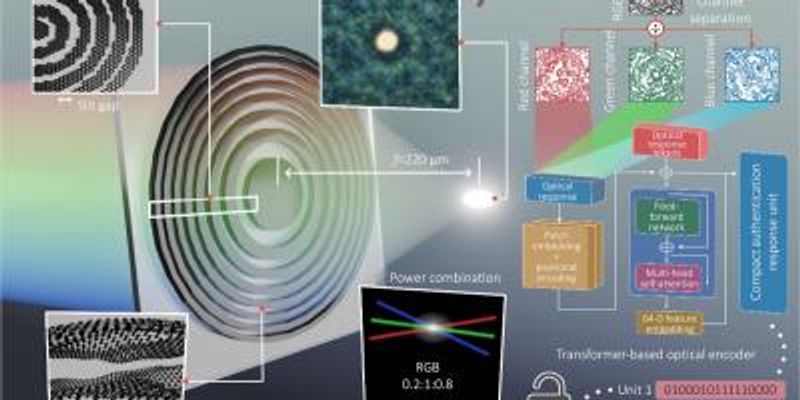
Yonsei University researchers created graphene diffractive zone plates that convert light patterns into unclonable binary security keys using a vision transformer-based model. The system shows promise for optical authentication.
Researchers led by Drexel University developed a gas-phase method to produce MXene crystals, eliminating costly and wasteful steps. This approach uses titanium tetrachloride and methane as precursors.
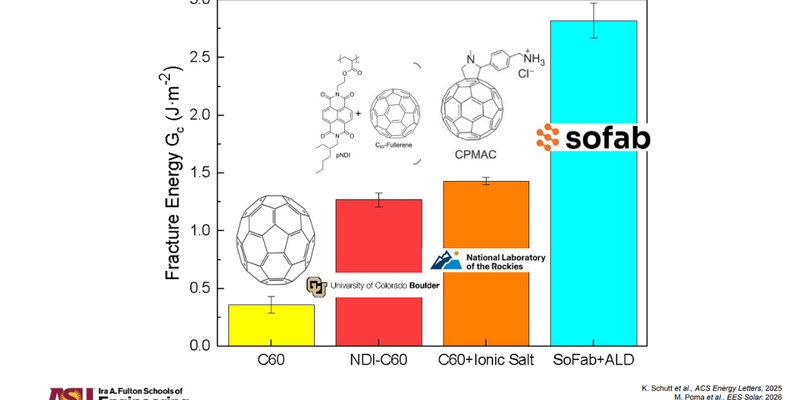
Sofab Inks' Tinfab modules maintained 87% efficiency after 504 hours in damp-heat conditions, surpassing fullerene-based modules that retained just 74.4%.
Engineers at Washington University in St. Louis have developed a renewable carbon fiber using lignin, reducing production costs by 25% and maintaining industry standards for strength.
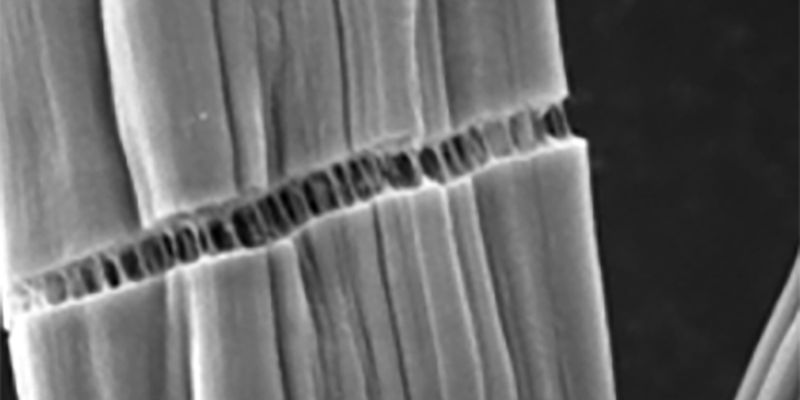
Engineers at Washington University in St. Louis developed a carbon fiber precursor using waste lignin, reducing production costs by 25% and cutting reliance on petroleum-based materials.
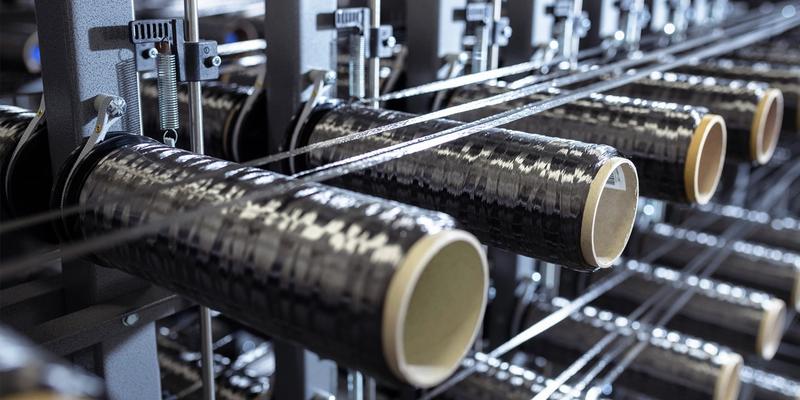
Bergen Carbon Solutions has secured a patent for its carbon purification technology, reinforcing its intellectual property in carbon material processing and supporting its strategy for high-quality carbon products.
Haydale's graphene-based additive boosts thermal conductivity in glycol coolants by 28%, aligning performance with water while preserving glycol's protective properties. The company is expanding market partnerships and production capacity.
Iowa State University researchers developed a method to print electronic circuits on 3D objects using aerosol-jet printing. NASA supports the commercialization with a $150,000 grant.
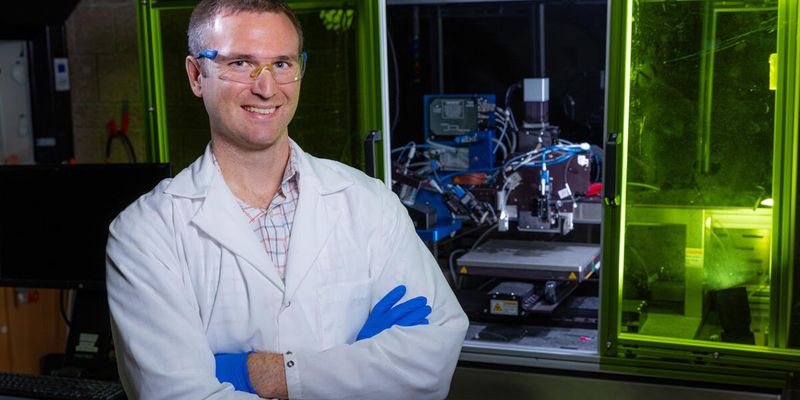
Mepco Schlenk Engineering College researchers developed a concrete mix with zeolite and bamboo biochar, increasing compressive strength by 7.48% and absorbing 1.2 grams of CO2 daily.

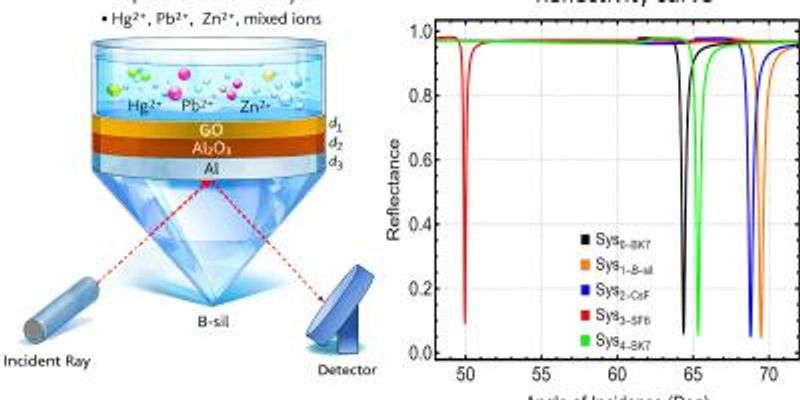
Researchers have designed a graphene oxide-based SPR sensor for detecting mercury, lead, and zinc in water. The simulated sensor achieved angular sensitivities up to 338°/RIU.
Researchers found that tiny wrinkles in graphene can alter its electrical properties. This discovery could lead to advanced control of electricity in ultrathin materials, enhancing sensor and electronic device performance.
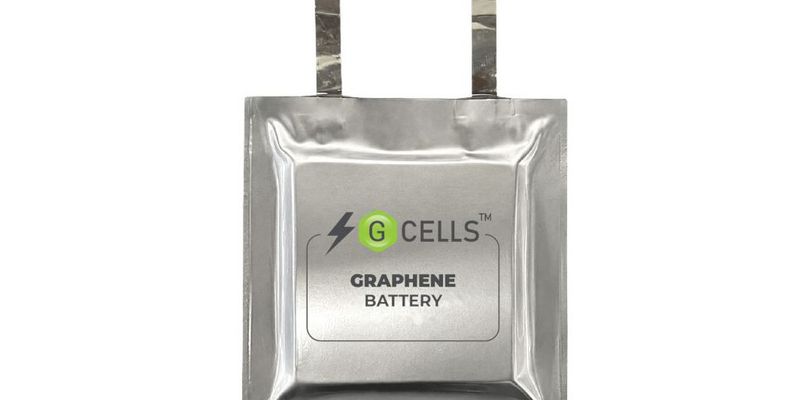
Graphene Manufacturing Group's G CELLS maintained capacity after 489 fast-charge cycles, outperforming lithium titanate oxide cells tested under the same conditions.
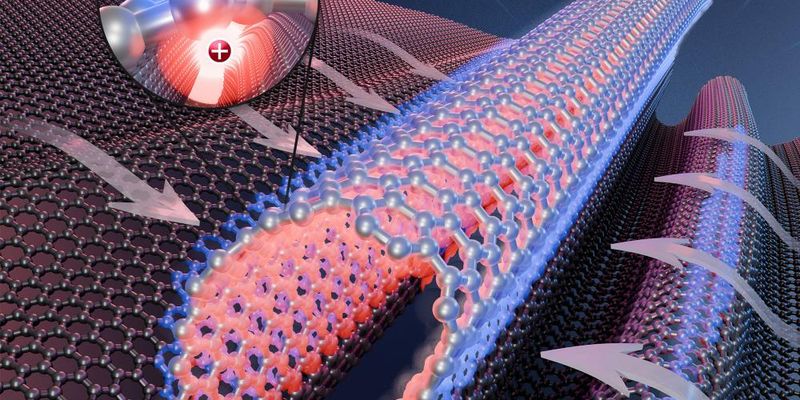
A company is incorporating carbon nanotube technology into portable X-ray machines to lower radiation exposure.

VoltaXplore is redirecting its 21700 lithium-ion cells from electric vehicles to defence drones and unmanned ground vehicles, supporting testing and qualification at its 1-MWh facility.
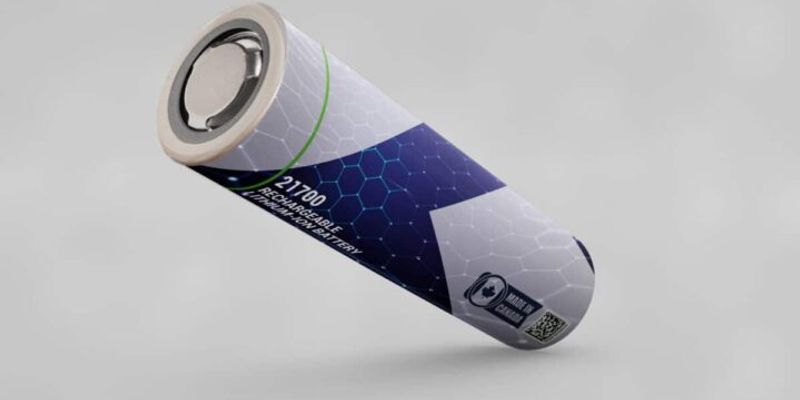
NanoXplore and VoltaXplore have been approved as qualified suppliers under Canada's Defence Drone Initiative Marketplace, covering graphene-enhanced composites and lithium-ion battery cells.

Levidian has introduced NanoFlow™ A1-30, a 30 wt.% aqueous graphene dispersion with water-like viscosity, expanding its NanoFlow™ range for easy integration into water-based applications.

Toray Industries Inc. has created a carbon fiber-reinforced plastic that reduces X-ray radiation doses.
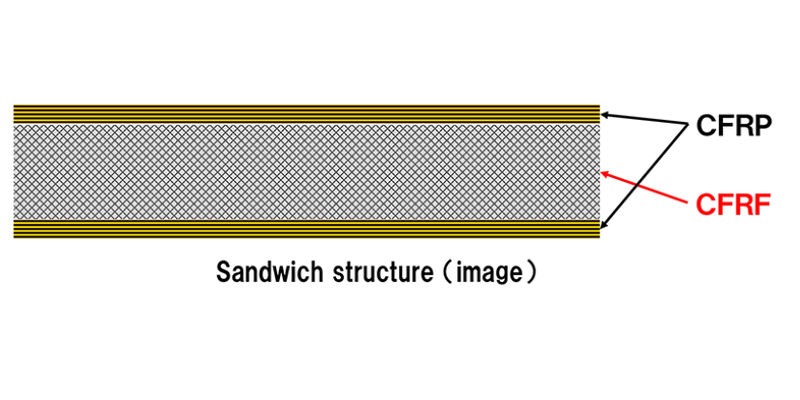
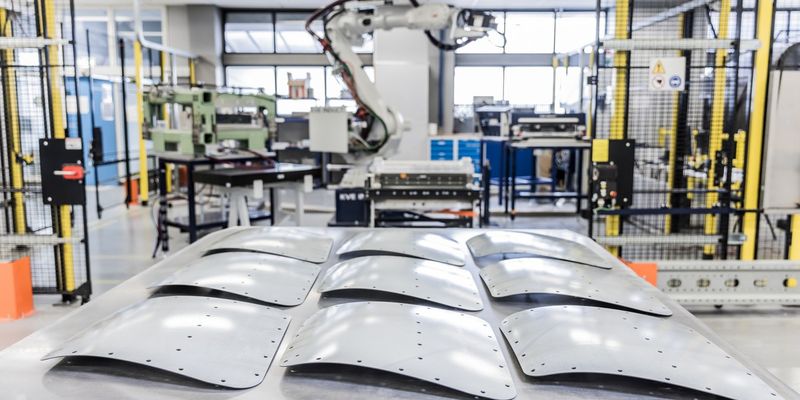
KVE has expanded its facility in The Hague by 1,800 square meters to meet growing demand for composite components in aerospace and defense, marking its 30th anniversary under Daher's ownership.
Graphene and carbon nanotubes are now sold in named coatings. ACC's webcast with AMPP looked at where they add value, why grades that look alike can behave very differently and what evidence buyers should ask for before specifying them.
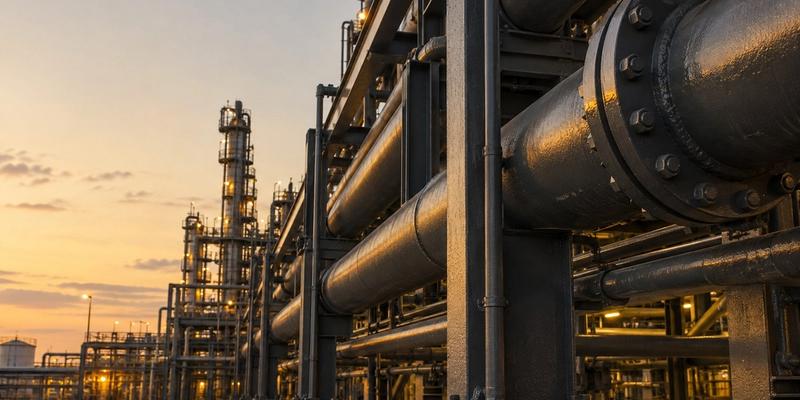
Recovered carbon black from end-of-life tyres is being considered to boost localisation in Indian tyre manufacturing.
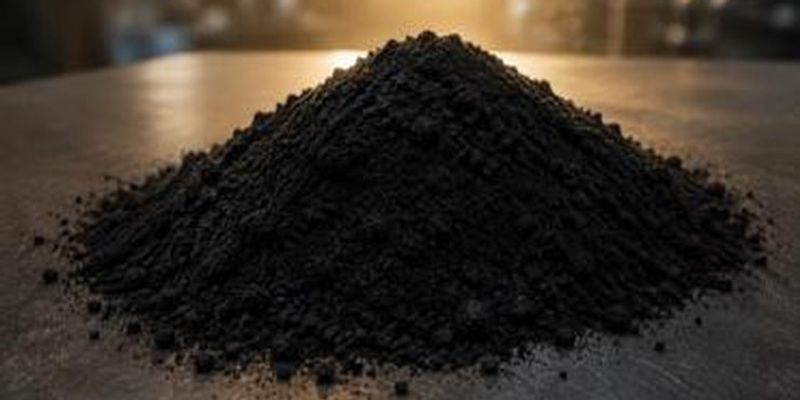
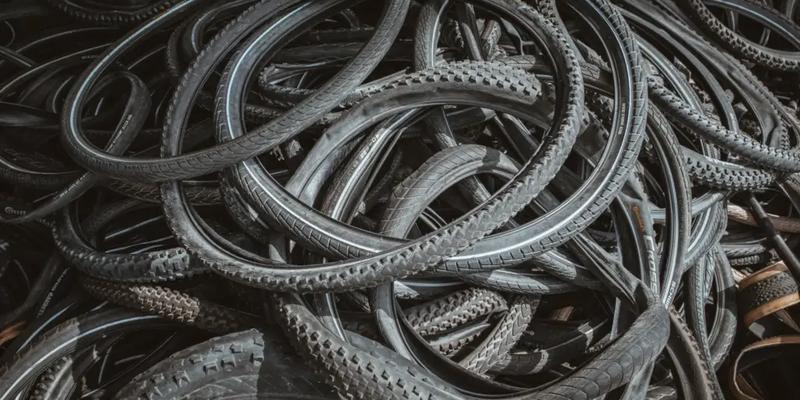
Schwalbe will expand its tyre recycling program beyond Germany in 2027, using pyrolysis to produce recycled carbon black and pyrolysis oil from the rubber.
The University of Southern Queensland received a $1.3 million grant to create sodium-ion battery electrodes that can self-repair using engineered graphene and polymer networks.

Talga Group has signed a non-binding letter of intent with EAS Batteries for a graphite anode supply from its Vittangi project in Sweden, aiming for a binding agreement by 2027.

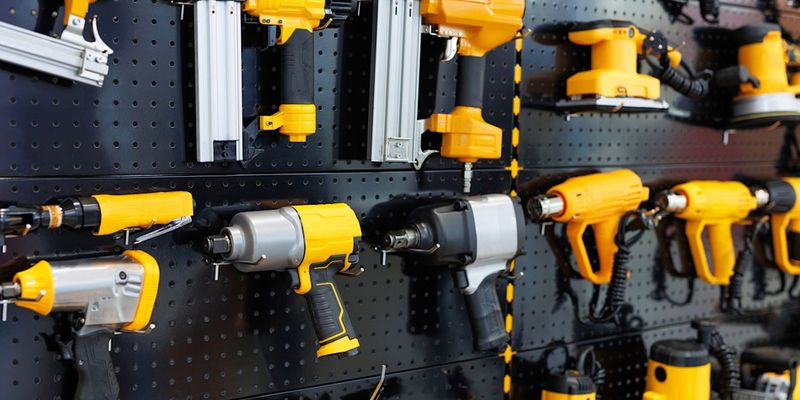
Caterpillar offers graphene battery packs for power tools, featuring fast-charging and long-lasting performance. These batteries fully charge in just 20 minutes, enhancing tool efficiency and reliability.
Researchers created a composite using flash-Joule-heated bamboo biochar, achieving 36.7 dB EMI shielding with 84% absorption and a 173% increase in fracture toughness.

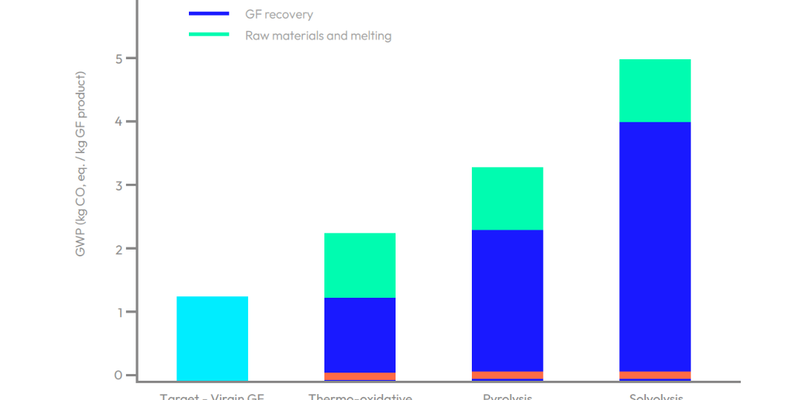
The NCC-led SusWIND program reports that recycled wind turbine blade glass fiber can achieve a carbon footprint similar to virgin fiber if recyclers improve pyrolysis efficiency and polymer recovery.
A Swedish company is recycling carbon fibre from wind turbines to produce skis.

South Korean researchers developed a graphene nanomesh for wearable gas sensors, achieving six times higher sensitivity than flat graphene sensors. The design maintains flexibility and breathability for mask integration.
Green Carbon and ATOA Carbon plan to build biochar facilities in India, each processing 50 tons of biomass daily and generating carbon credits.
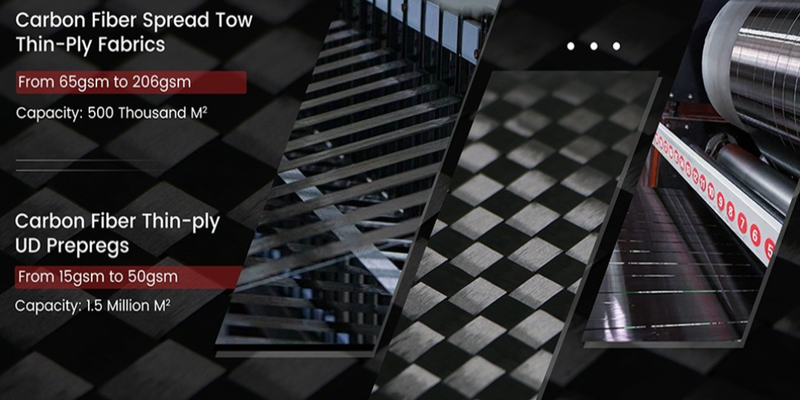
Beijing OnlyTop has developed an ultrasonic-guided process to produce thin-ply carbon fiber prepregs and fabrics from 12K and larger tows, enhancing precision in laminate design.
OroCarbo has reserved 12 Haffner systems for renewable hydrogen hubs planned in California, Oregon, and Washington State, utilizing residual biomass for clean energy production.
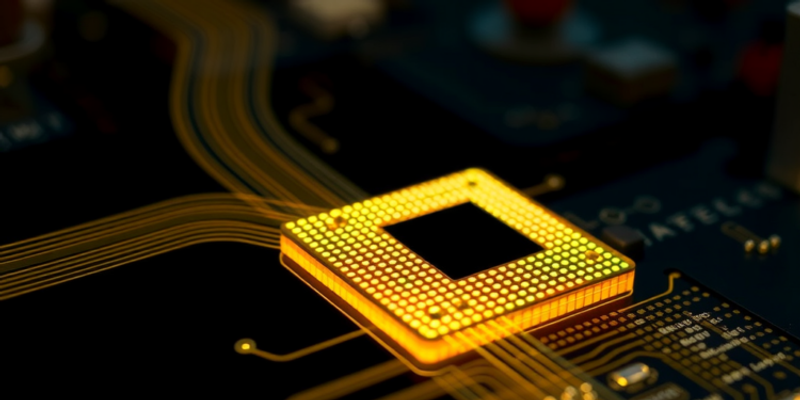
Researchers have developed graphene multielectrode arrays for versatile extracellular measurements, enhancing electronic biosensing capabilities.
Researchers have developed carbon dots that effectively kill bacteria and break down biofilms, offering a promising tool against superbugs.

Researchers have significantly advanced MXene-based supercapacitors, particularly with binder-free Ti3C2Tx, since their initial demonstration in 2013.

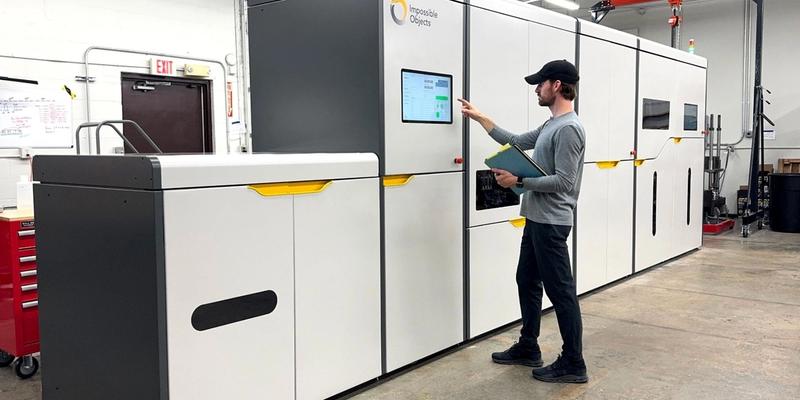
Impossible Objects secured $40 million to expand its CBAM 25 carbon-fiber 3D printing system for industrial-scale production, targeting aerospace and defense sectors with faster and stronger component manufacturing.
Researchers have developed a sensor using carbon nanotubes and iron-doped zinc oxide nanoparticles to detect and remove toxic dye from wastewater at trace levels.

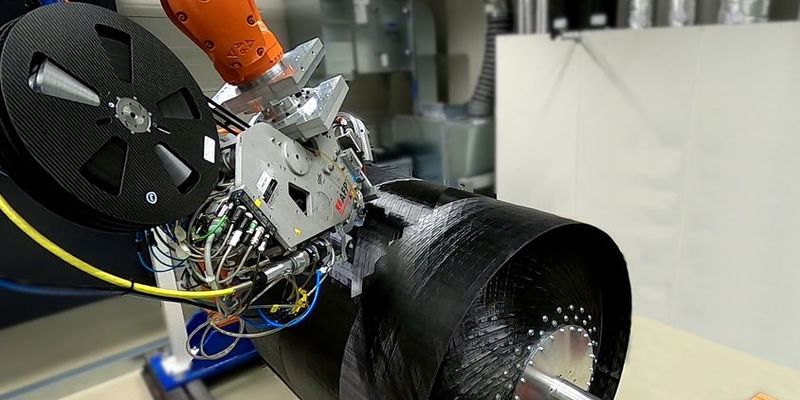
Researchers developed a 1-meter-diameter Type 5 cryogenic tank using carbon fiber/LMPAEK for hydrogen and methane storage under an ESA-funded project.
Researchers have developed biochar nanocomposites to serve as low-cost sensors for monitoring water pollution.
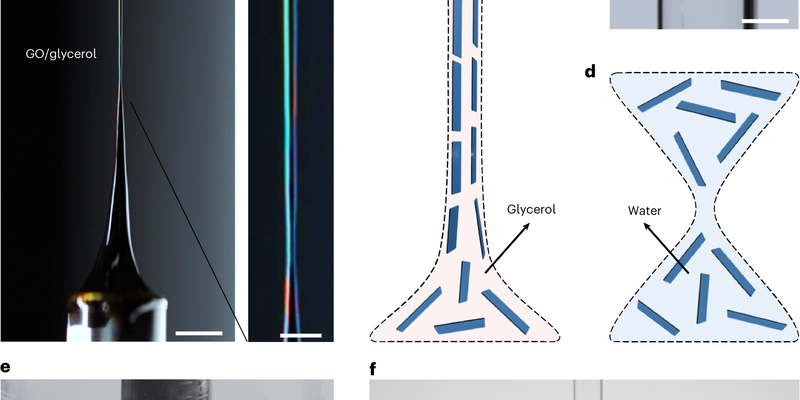
Researchers created polymer fibres with carbon nanotubes and graphene oxide flakes, reaching a gravimetric toughness of nearly 1,000 J g−1, surpassing spider silk and Kevlar.
The company has expanded its capabilities in advanced insulation materials, including carbon fiber and composite materials, as part of its official product structure.
Stratasys has introduced the F870 FDM, a large-format 3D printer with a build area of 1000 by 610 by 610 mm, designed to enhance production for industrial manufacturers.
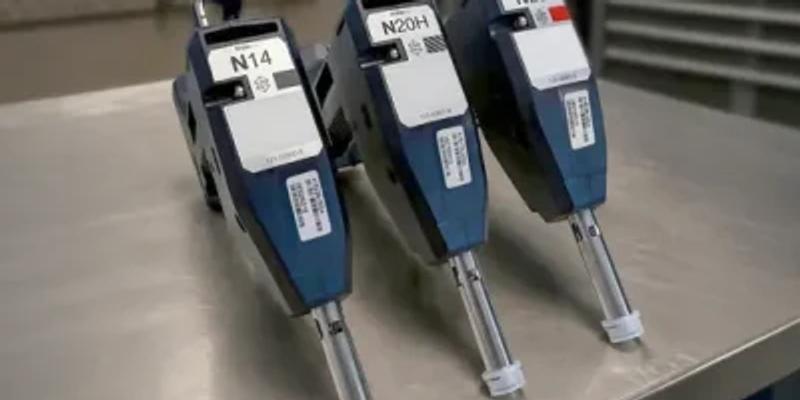
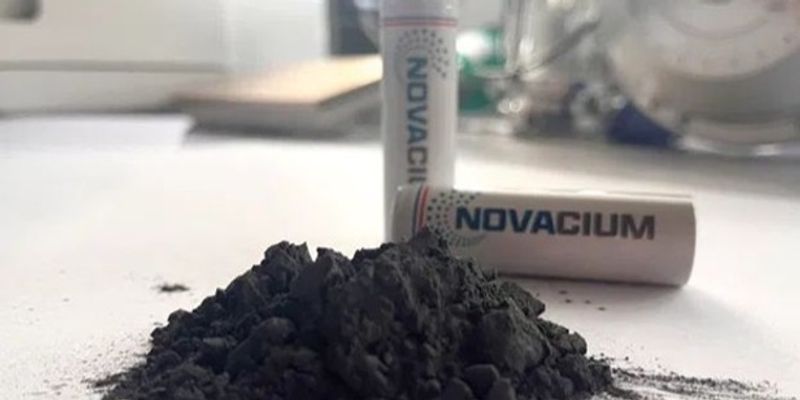
Novacium and Tokai COBEX are collaborating to evaluate a silicon and synthetic graphite anode material solution in France, aiming to enhance lithium-ion cell energy capacity.
Carbon Hill's upgraded biochar plant in Wales now produces 2.5–3.0 tonnes daily, enhancing carbon sequestration efforts.
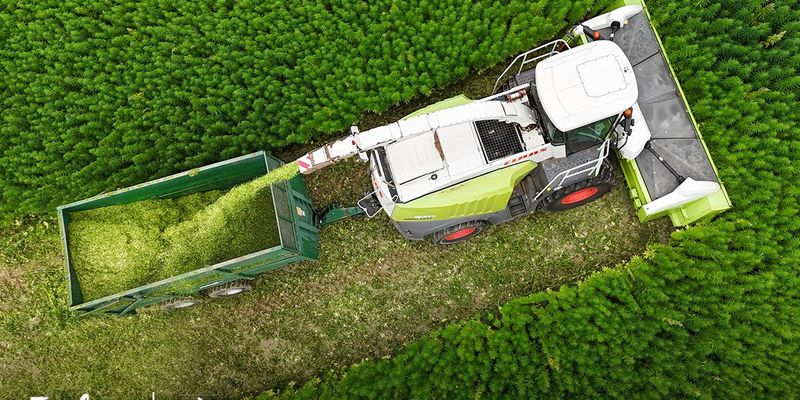
Researchers at the University of Vienna have achieved atomic-level control over nanopore shapes in hexagonal boron nitride, using electron irradiation and oxygen to form circular or triangular pores.

The Graphene Engineering Innovation Centre offers roll-to-roll CVD systems for continuous graphene production, processing foils up to 15 cm wide at 5 metres per hour.
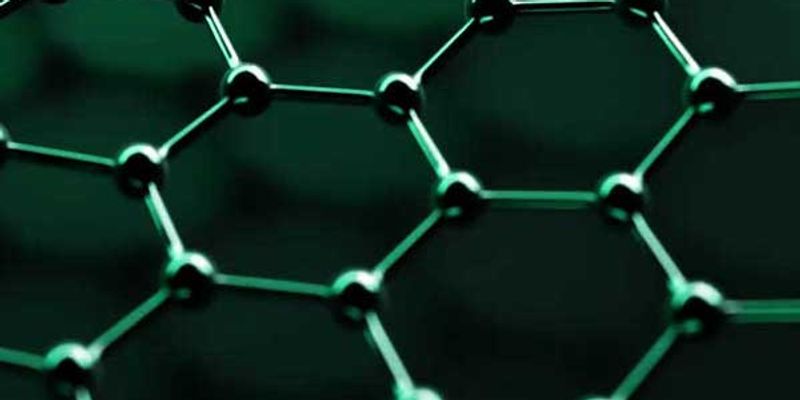
R&M International Sales Corporation has acquired Vartega's patented carbon fiber recovery technology.
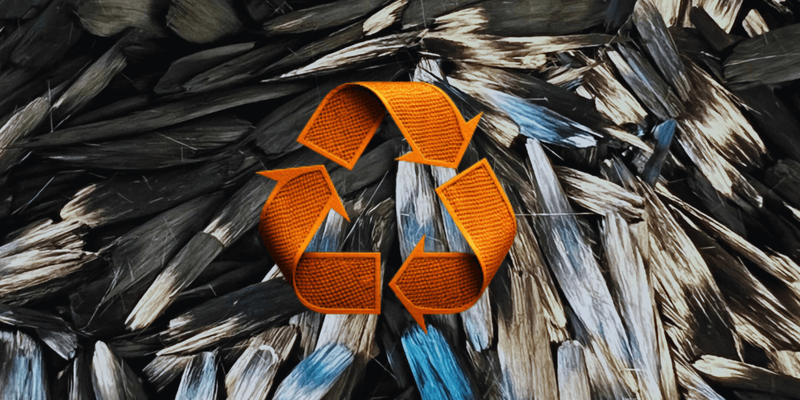
Inoplaztech plans to increase its carbon nanotube conductive additive production to 100 tons annually using proprietary plasma technology, targeting the dry electrode market for batteries.
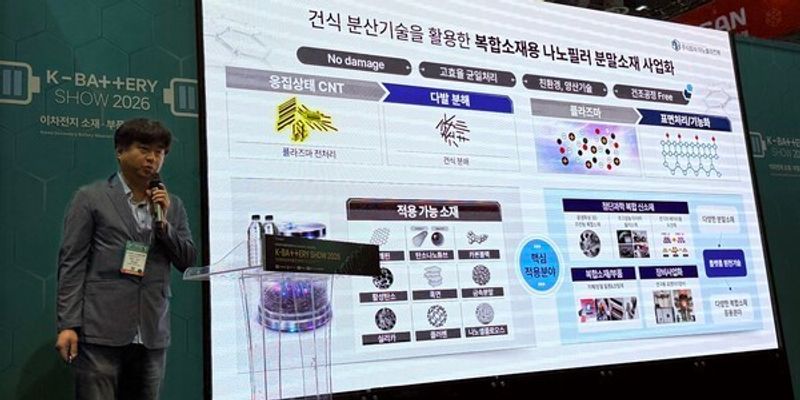
Researchers developed dual-emission carbon dot films that allow smartphones to detect nitrite and Fe3+ ions in water.

Researchers have developed digital X-ray technology using carbon nanotubes, a material discovered in 1991, marking a significant advancement in medical imaging.
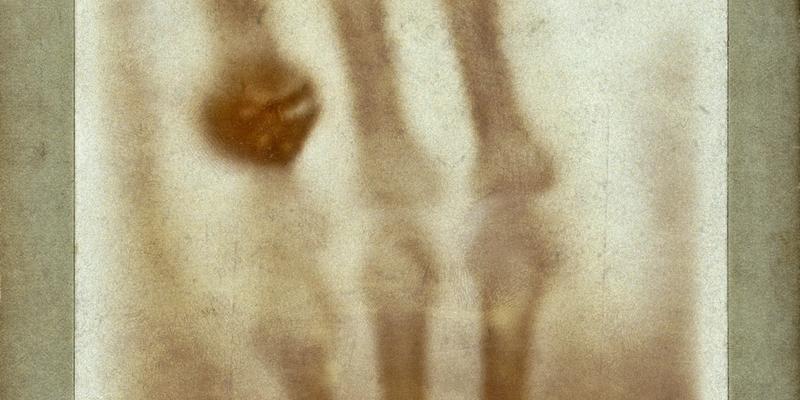
First Graphene received its first production order from Pacific Urethanes for PureGRAPH, enhancing fire-retardant properties in polyurethane for the Australian mining sector.
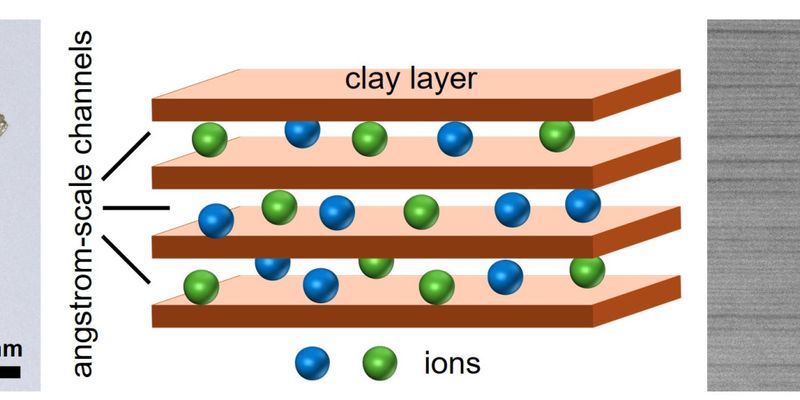
Researchers at the National Graphene Institute demonstrated that vermiculite clay channels can control ion flow in response to pressure, voltage, and pH, mimicking biological ion channels.
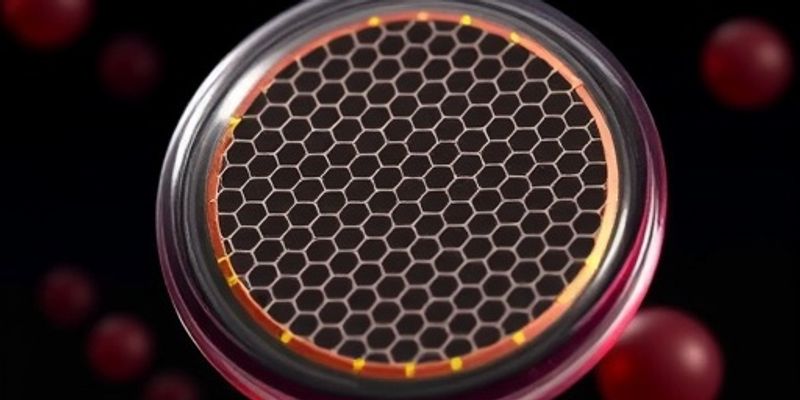
Romanian researchers developed a disposable graphene–copper sensor that detects lysine enantiomers in whole blood at concentrations as low as one attomole per litre, aiding cancer diagnostics.
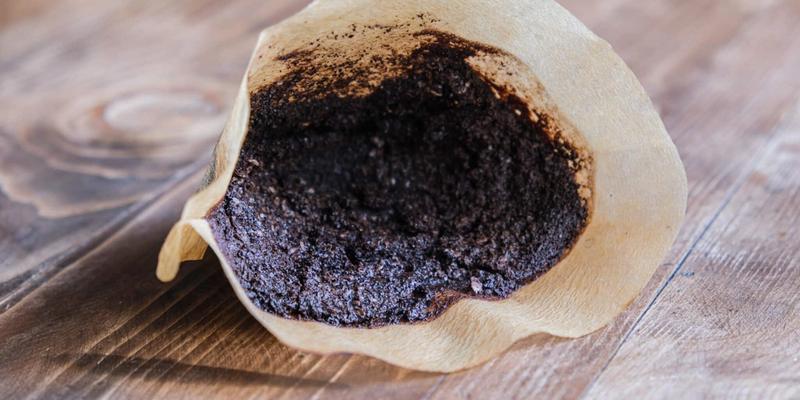
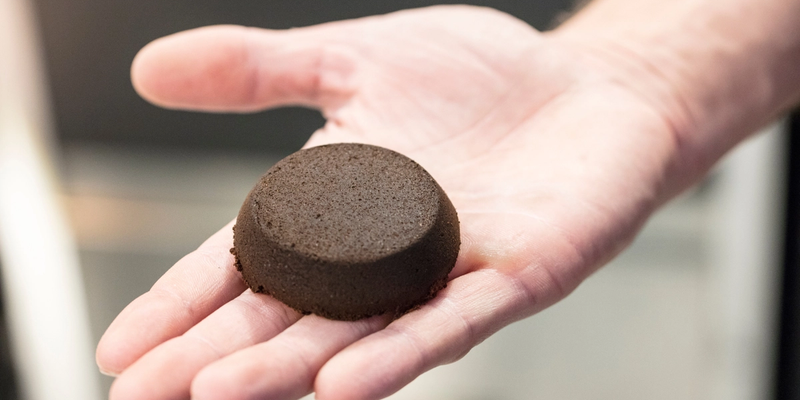
Researchers in South Korea have developed an insulation material from spent coffee grounds that performs comparably to Styrofoam. The material is biodegradable and uses a plant-based binder.
Researchers tested carbon dots for removing methylene blue dye from textile wastewater.

Canatu has secured an additional CNT100 SEMI reactor order from FST for CNT-based EUV pellicle production. The contract exceeds EUR 5 million including earlier long-lead items. The order follows prior reactor qualification and licensing, supporting further scale-up of Canatu’s CNT technology.
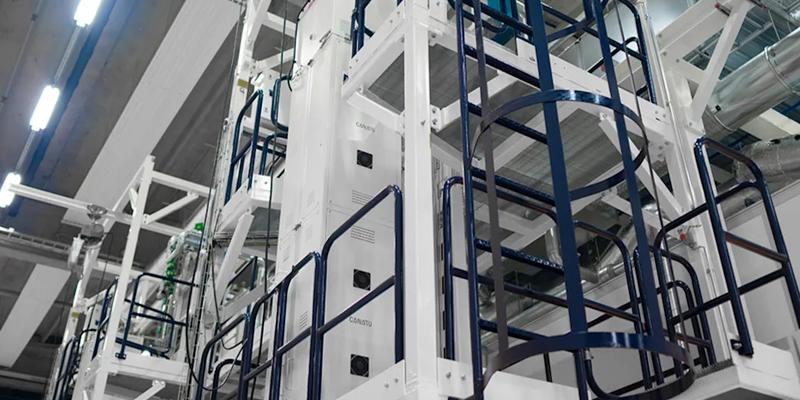
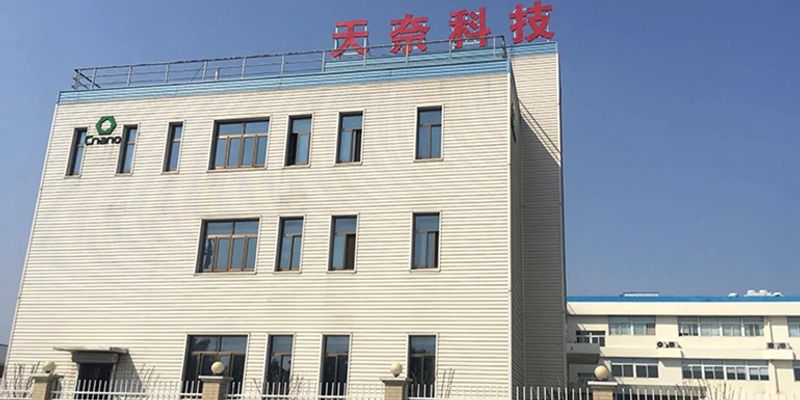
Cnano will sell 51% of C-Nano Technology to Aether Materials for USD25.5 million as part of a phased restructuring of its US CNT business. The move aims to meet US Non-PFE ownership rules and preserve customers’ eligibility for clean-energy manufacturing tax credits.
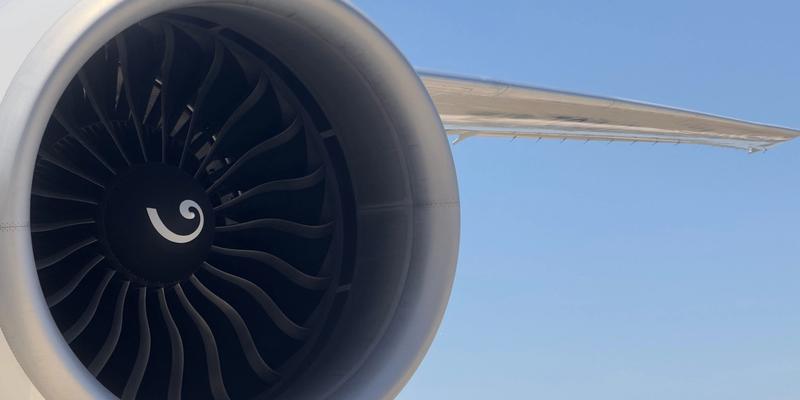
Researchers have developed a carbon fiber composite with a nanotube scaffold that withstands temperatures up to 437°C, surpassing previous void thresholds.
Researchers found that slow pyrolysis can transform heavy metal-contaminated crops into biochar, which can improve soil fertility and aid in pollution remediation due to its high specific surface area.
Researchers at the University of Oulu report wood-derived adsorbents can capture 863.8 milligrams of tetracycline per gram, highlighting their potential in addressing pharmaceutical pollution in wastewater.

Researchers created a dataset connecting manganese-modified biochar preparation and usage conditions to cadmium adsorption measurements.
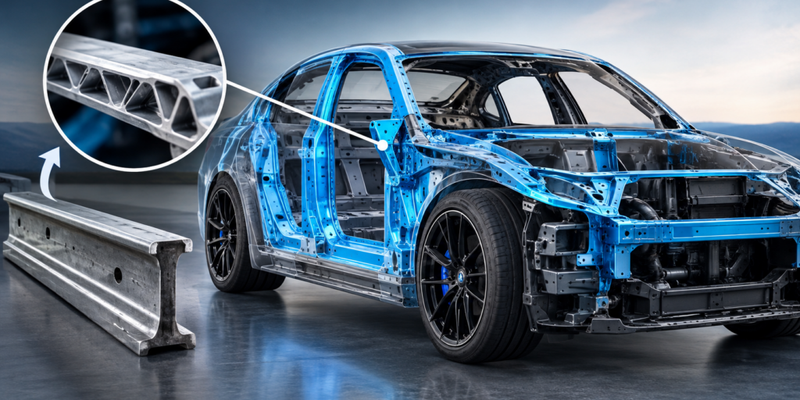
Engineers are developing new methods to reduce car weight without compromising strength, moving beyond traditional materials like carbon fiber and aluminum.
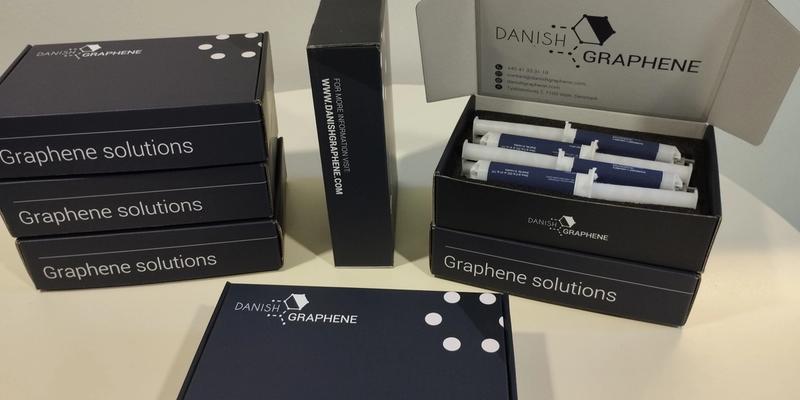
Danish Graphene secured GBP 2.5 million in seed funding to scale up production of its graphene-enhanced thermal adhesive for the space industry, attracting significant interest from hardware manufacturers.
Paragraf has introduced a 12-channel graphene-based FET platform, featuring a real-time reader for enhanced performance in graphene electronics applications.
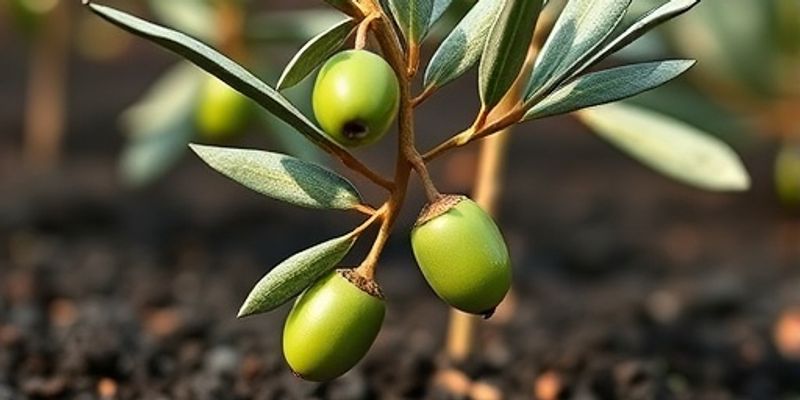
Researchers at the University of Castilla-La Mancha used zinc chloride to activate biochar from olive stones, creating a catalyst that achieved 20% CO2 conversion to methane.
Char Technologies is launching its first commercial-scale pyrolysis plant in Thorold, Ontario, this month. The facility will produce biocarbon and renewable natural gas from woody biomass.
Researchers increased concrete's compressive strength by 29.3% by replacing 15% of sand with biochar from coffee grounds, charred at 350 degrees Celsius.
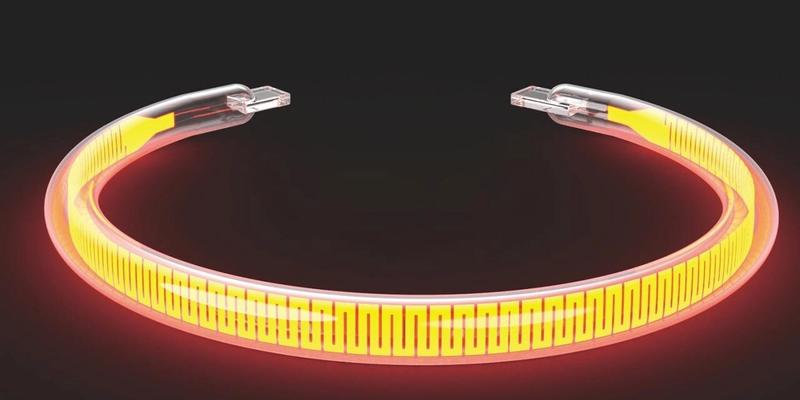
Midea launched the SpaceMaster oven series at IFA, featuring Graphene Turbo Hot Air Technology with a rapid 0.2-second heating response.
Chinese researchers found that polyvinylpyrrolidone-functionalized graphene significantly reduces asphalt aging, with optimal doses varying by binder type. This could enhance pavement durability in extreme climates.
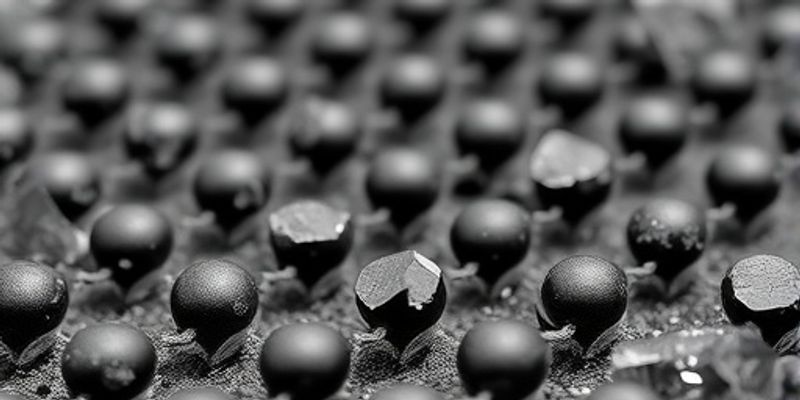
Researchers have integrated ultra-thin transparent electrodes made from reduced graphene oxide into a soft, electrically driven lens to enable focus adjustment without moving parts.
Nova Pangaea Technologies finished testing its biomass process, handling up to three tonnes of softwood residues daily. The company plans to establish its first commercial plant.

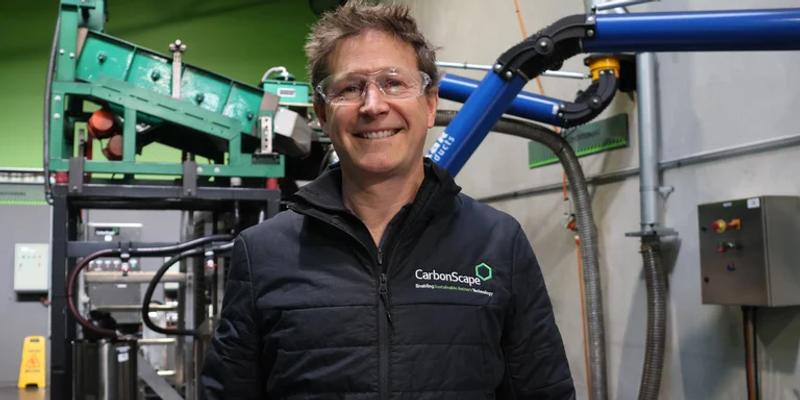
CarbonScape produces high-quality synthetic graphite by recycling materials, reducing reliance on fossil fuels for green energy components.
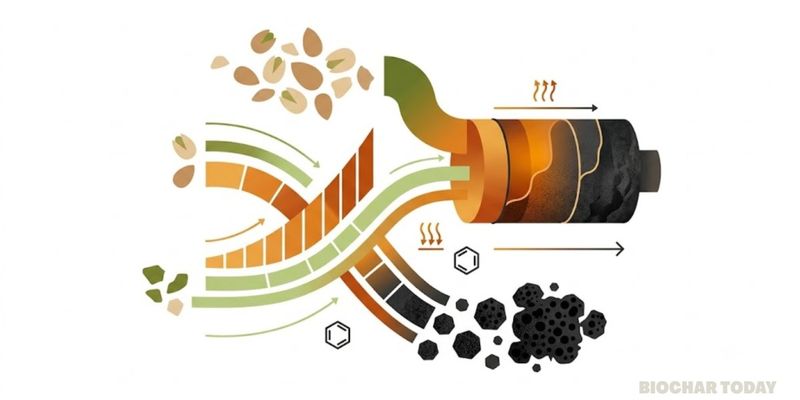
Researchers achieved biochar yields of up to 41.3% from almond shells using fixed-bed pyrolysis at temperatures between 400 and 500 degrees Celsius.
Graphene is being formulated, screened, qualified and packaged around specific applications. Some of those products are beginning to move through conventional distribution networks. That may be one of the clearest signs yet that parts of the graphene industry are maturing.
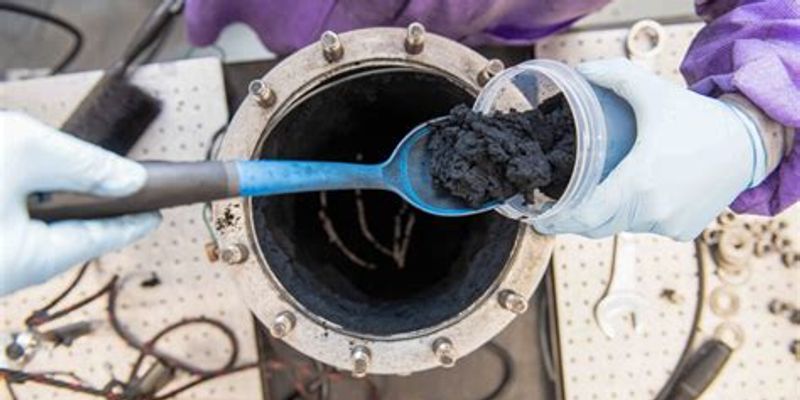
CCIC has launched a pilot line for producing ContRGF fabrics, using recycled carbon fibers for automotive and other applications. A hybrid automotive hood was demonstrated with this material.

Xenia's HM Upgrade enhances carbon fiber-reinforced thermoplastics, increasing stiffness and strength.
Researchers at the National University of Singapore have developed aerogels from aircraft composite waste, which may be used for insulation, noise reduction, and cleaning up oil spills.
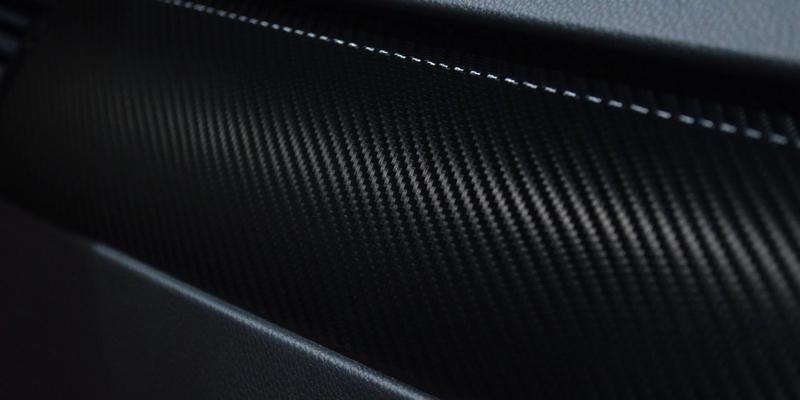
Toray, IGCS International, and Lacks Carbon Fiber have formed a partnership to collaborate on Department of Defense projects involving CFRP anisogrid lattice structures.
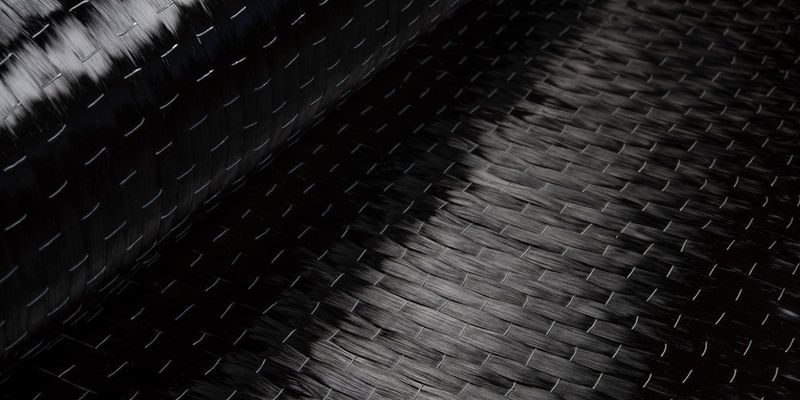
Lineat Composites is using Techlan's recycled Re-Liners to enhance sustainability in its production of aligned recycled carbon fiber.
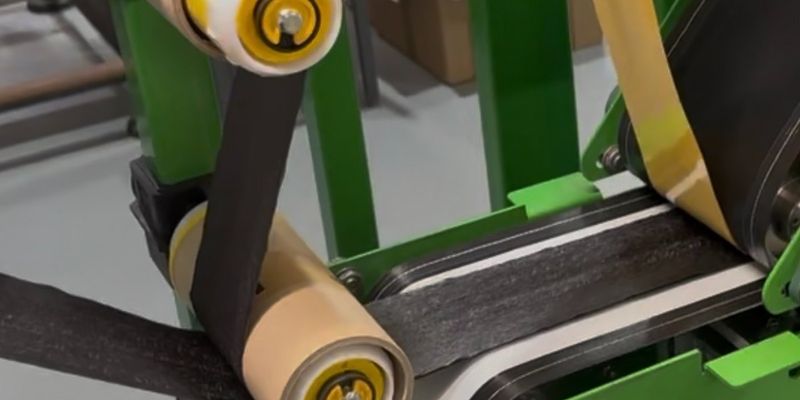
McLaren and Mercedes are exploring recycled carbon fibre for F1 components, planning to introduce a carbon fibre composite rear brake duct by 2025.

DASEN Group has expanded its multi-factory network across China and Vietnam, enhancing global supply of graphite sheets and carbon fiber products with coordinated production and R&D facilities.
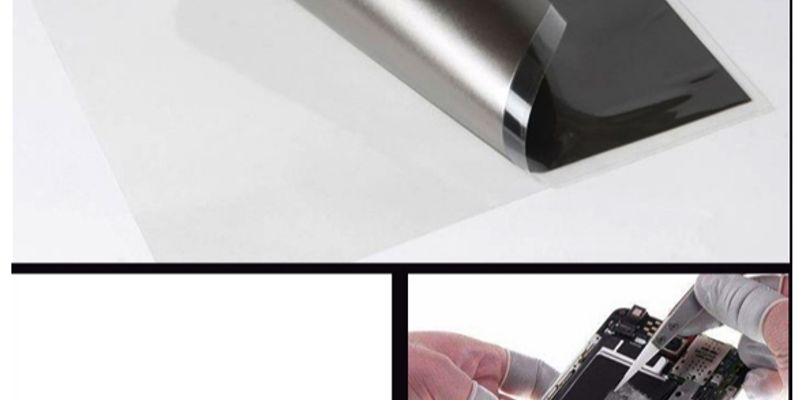
Graphene Manufacturing Group Ltd. has launched G FLUID, a graphene-based water coolant additive for data centres. Preliminary tests show a 20% increase in heat transfer when used at 1% concentration.
Researchers have created a graphene oxide membrane that enhances the efficiency of isopropanol purification by reducing energy consumption and increasing processing speed.
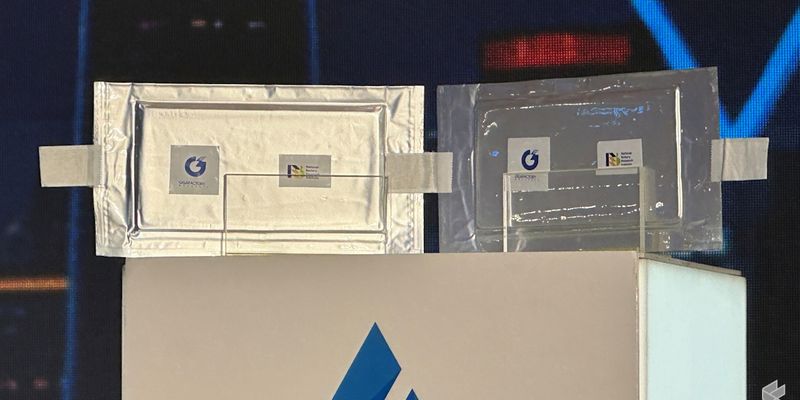
NanoMalaysia Bhd and Indonesia’s National Battery Research Institute unveiled the Nusantara Battery, a graphene-infused lithium-ion battery, at the ASEAN Battery Technology Conference in Sepang.
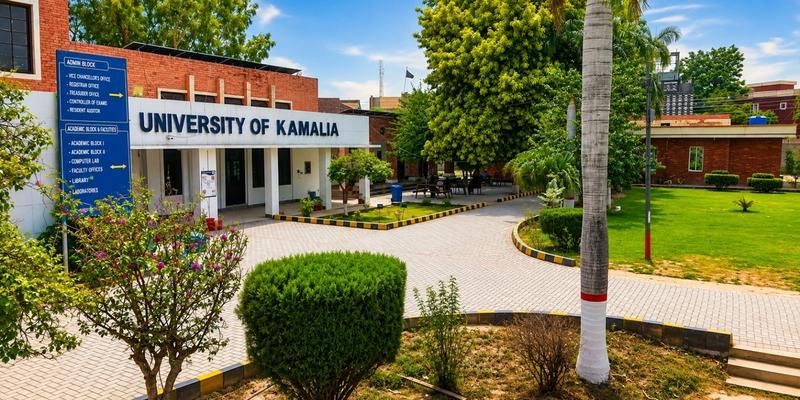
Kamalia University has initiated the SAFER PLUS project to convert agricultural residues into biochar, electricity, and surplus heat using an integrated system.
Researchers led by Sahil Sharma have developed MXene-biochar hybrid catalysts that significantly enhance the efficiency of visible light-driven wastewater remediation.

The CO₂RE Greenhouse Gas Removal Hub is developing a biochar demonstrator to enhance soil health and increase nutrient availability in acidic soils.
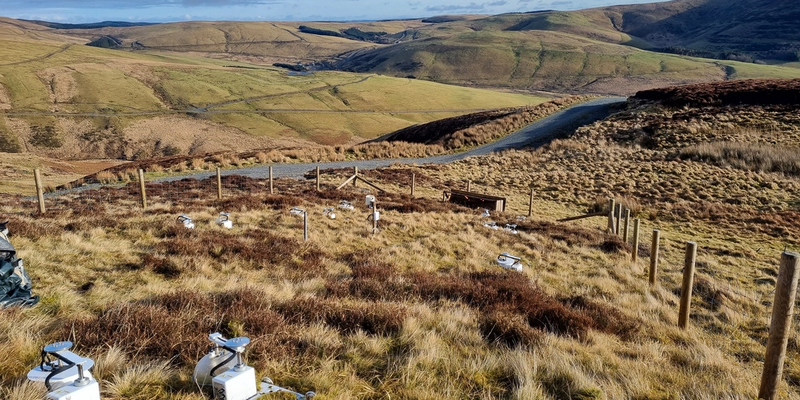
Researchers have printed an entire photodetector array by inkjet, using carbon nanotube and organic macrocycle hybrids to tell colors apart. The approach points to bendable optical sensors made without rigid silicon.
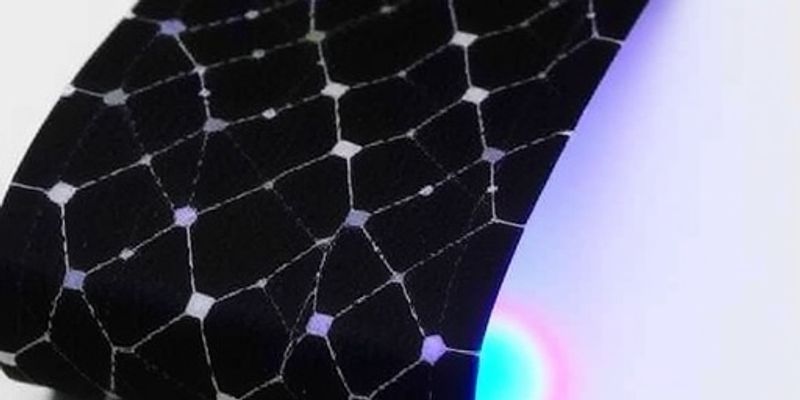
A review indicates that adding biochar to anammox reactors could enhance their efficiency by acting as a conductive interface.
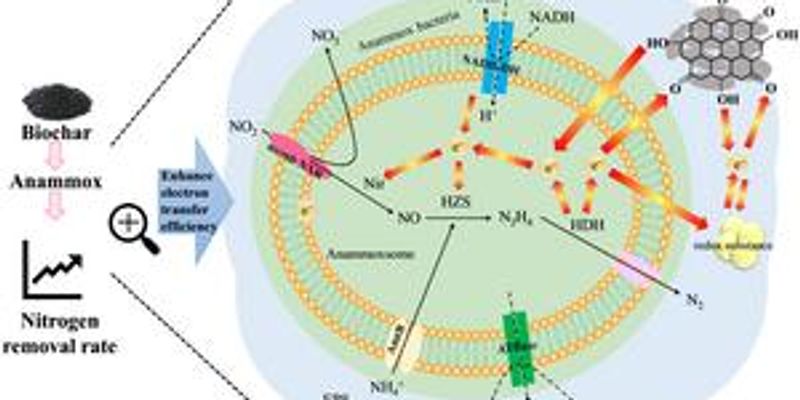
Researchers have used machine learning to predict the concentration of persistent free radicals and g-Factor in lignocellulose-derived biochar based on its elemental composition.
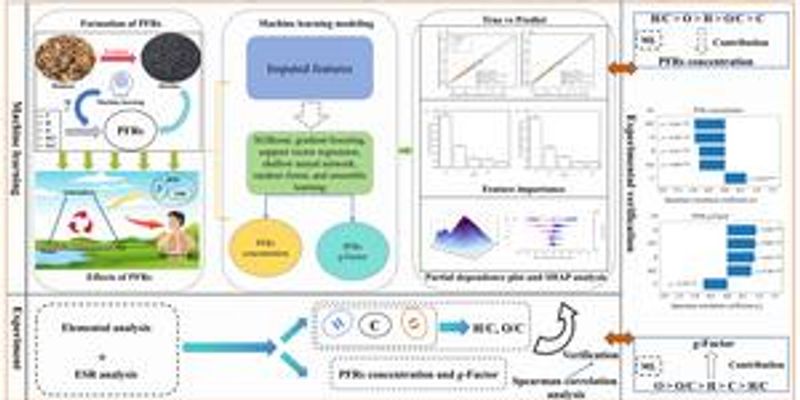
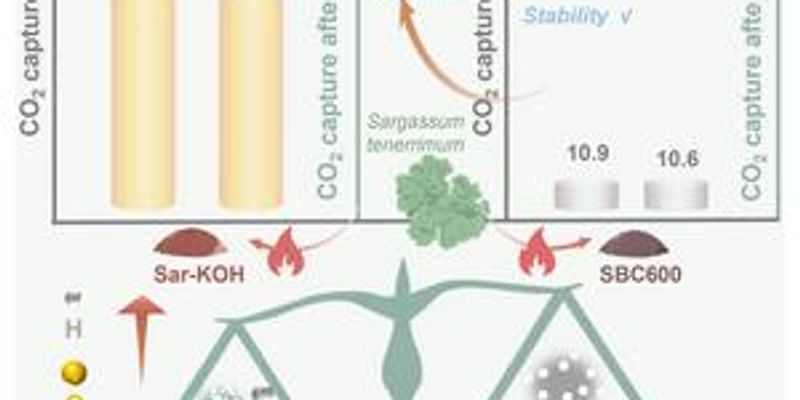
Researchers at Nankai University have developed Sar-KOH, a Sargassum-derived biochar with a CO2 adsorption capacity of 120.5 mg/g, using potassium hydroxide treatment before pyrolysis.
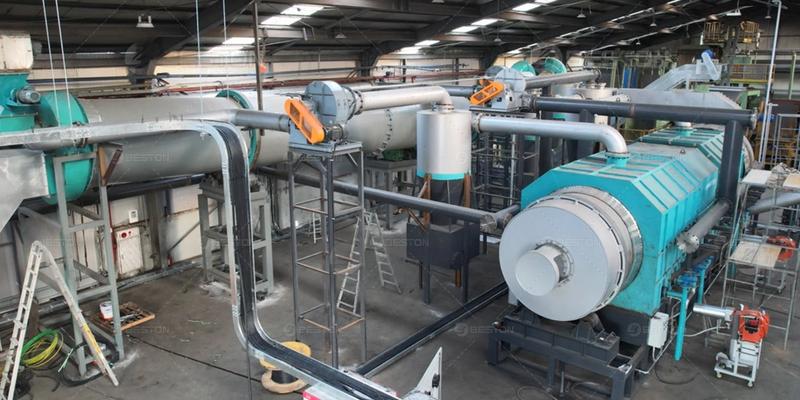
Biochar production equipment transforms organic waste into biochar, enabling waste management facilities to earn carbon credits.
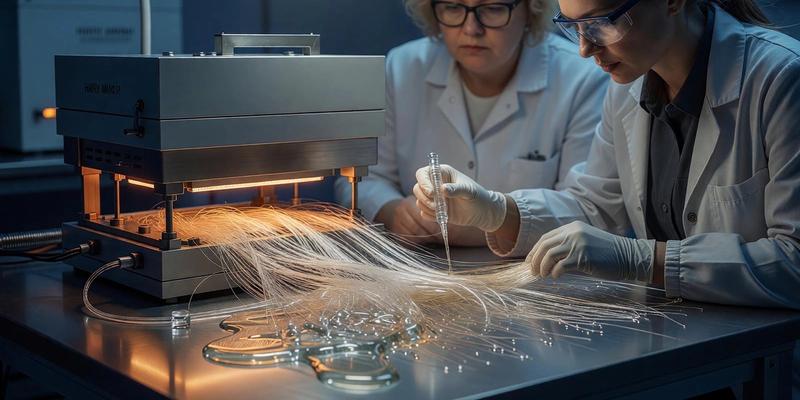
Researchers at MEPhI have developed a new ultra-strong composite material incorporating carbon nanotubes, aimed at applications in aviation, space, and machinery.
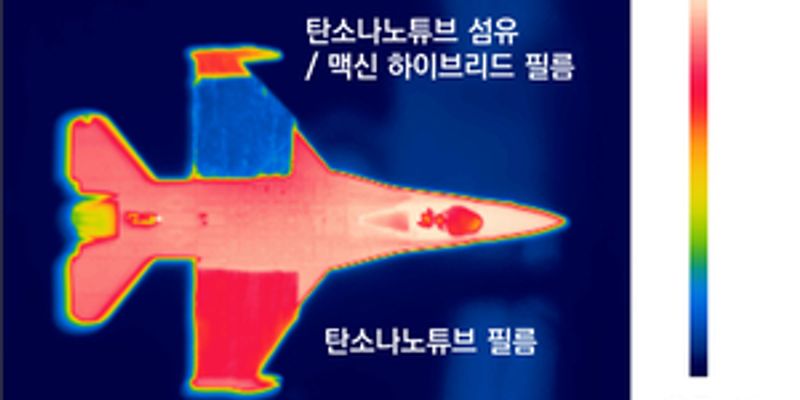
South Korean researchers have built a carbon nanotube film thinner than a human hair that blocks more than 99.9999999% of electromagnetic waves and evades thermal imaging, with fighter jets and drones the intended use.
Researchers at Rice University demonstrated that graphene nanowrinkles can alter electrical properties, potentially enabling new applications in chemical and biological sensing.

Researchers at Gachon University review printed graphene interconnects and vias made from reduced graphene oxide, a route to wiring flexible hybrid electronics without conventional metal deposition.
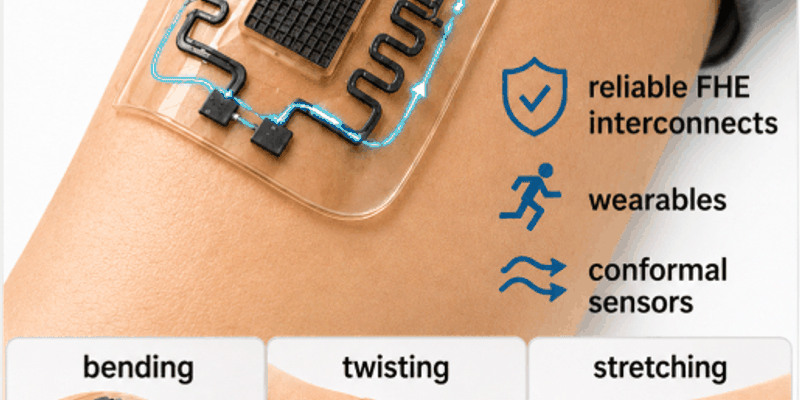
INBRAIN is advancing a graphene-based brain-computer interface for Parkinson's care, integrating neural decoding, stimulation, and Azure AI.
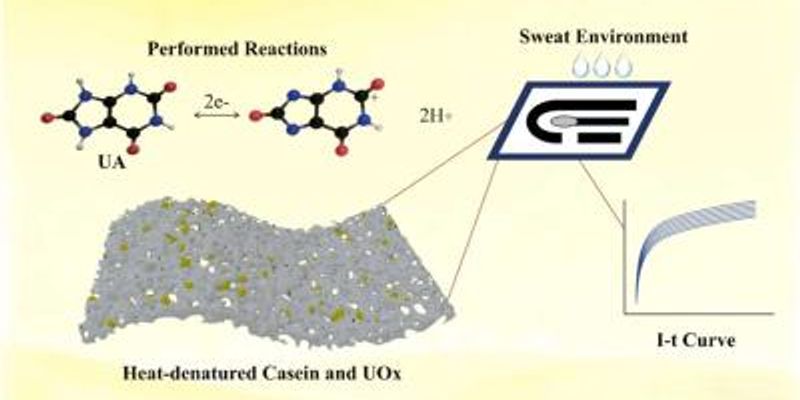
Researchers at Shanghai University and Shanghai General Hospital have built an electrochemical biosensor pairing a three-dimensional graphene framework with a heat-denatured casein interlayer to detect uric acid in sweat at femtomolar levels.
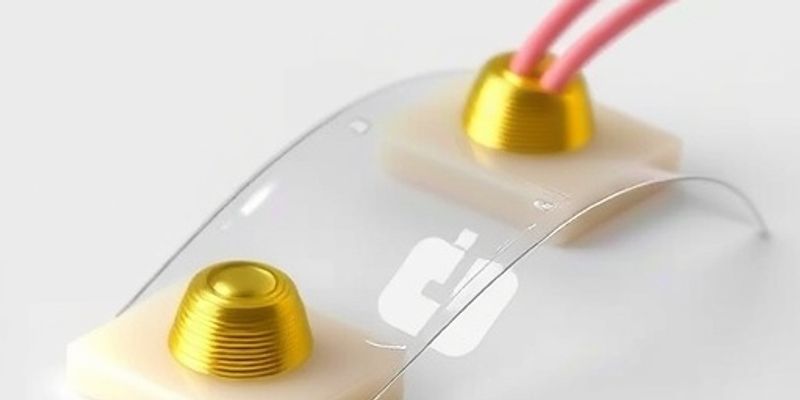
Paragraf has introduced a new graphene-based sensing platform and data acquisition system designed for enhanced sensor performance.
Levidian has launched NanoFlow-S1-20, a graphene additive containing 20 wt.% G3 graphene, designed for easy integration into solvent-based paints using standard mixing equipment.
Researchers have developed a new carbon nanotube strategy that could significantly extend the lifespan of wearable strain sensors, potentially lasting for years.
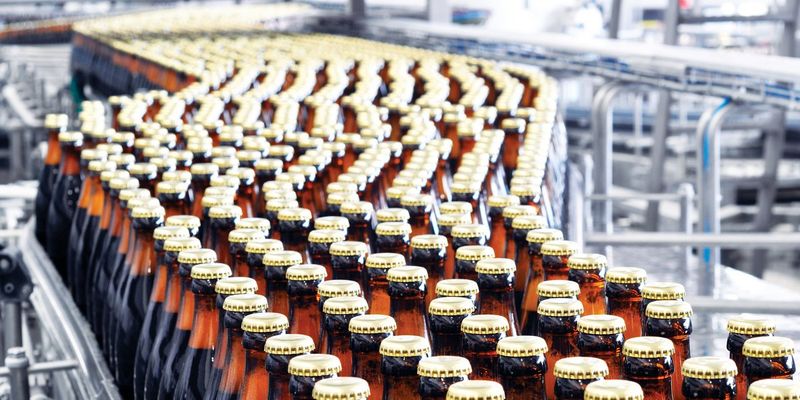
Researchers at the University of Patras improved E. coli retention in sand by adding 10% biochar from brewery waste, achieving 94.1% removal compared to 17.8% with unamended sand.

AMPP and the Advanced Carbons Council have signed a three-year MOU to collaborate on research, standards, education and technical knowledge around advanced carbon materials and materials protection. The partnership will initially focus on carbon-enhanced coatings, beginning with a September 10, 2026 webcast on graphene, CNTs and other advanced carbons in protective coatings.
PV PAINT plans to launch nanotube-enhanced zinc-rich coatings in Q3 2026, expanding its PERAPHENE™ line. These coatings offer long-term corrosion protection for harsh industrial environments.
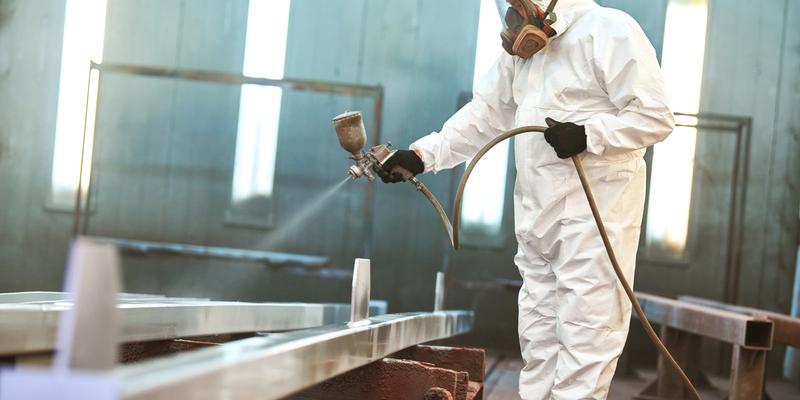
CO2 Sync has opened an emissions-free energy plant in Price, Utah, producing biochar to enhance soil nutrient retention.
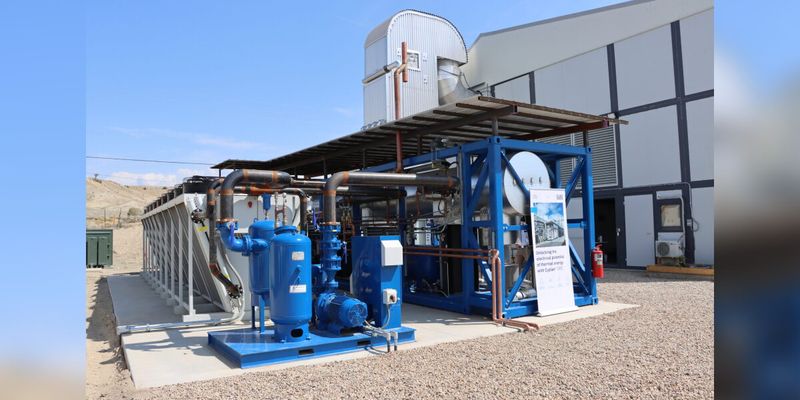
The IMMENSE team created a conductive photopolymer resin with multi-walled carbon nanotubes for advanced additive manufacturing applications.

Researchers have reviewed the preparation and application of layered double hydroxides (LDHs) and biochar composites for water pollution control. The coprecipitation method shows promise for industrial-scale production due to its simplicity and effective pollutant adsorption.
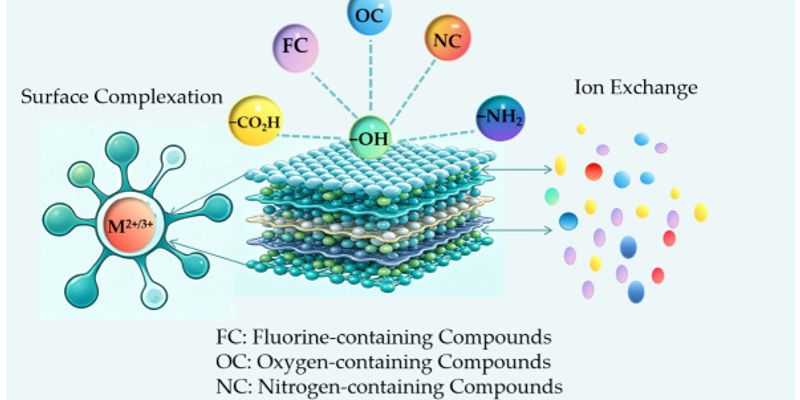
Researchers at Nanjing University and Sichuan ZeroNestor Microelectronics have set a quantitative criterion for when two-dimensional materials such as graphene reach structural superlubricity, showing how friction can be minimised at the nanoscale.

Researchers at Queen Mary University of London have developed a graphene-based soft lens that can electronically change focus without bulky parts, potentially advancing medical devices and cameras.
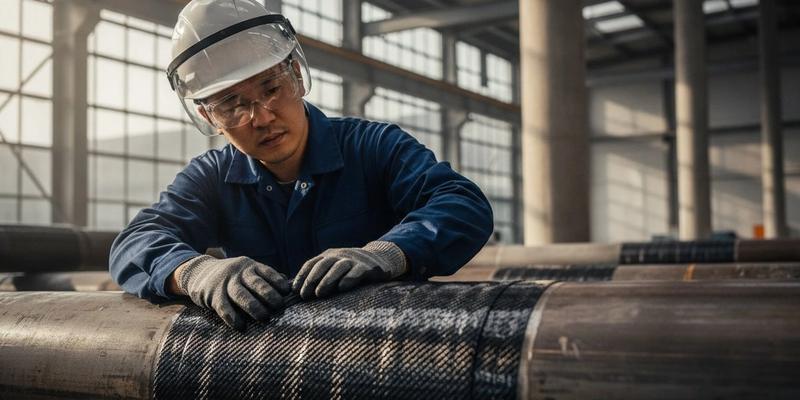
A new technical guide details the use of Carbon Fiber Reinforced Polymers (CFRP) for structural rehabilitation in pipeline repair, offering empirical data for design improvements.
Graphene Manufacturing Group has rebranded its graphene battery cells to highlight their fast-charging and long-lasting features, collaborating with partners including the University of Queensland and Rio Tinto.
Researchers at Queen Mary University of London created compact, electrically tunable soft lenses using transparent electrodes made from reduced graphene oxide.
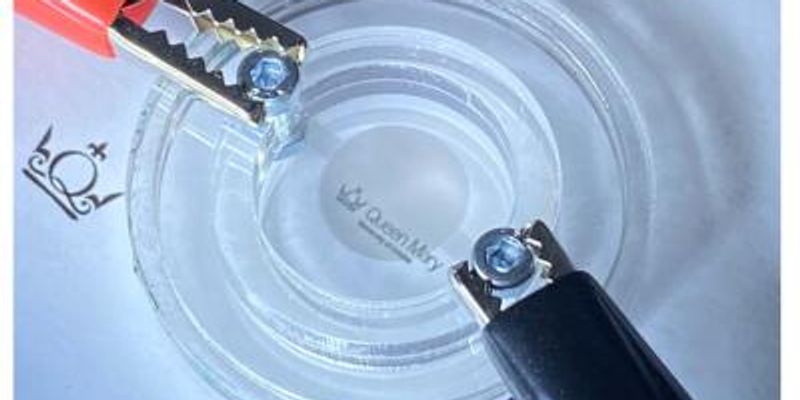
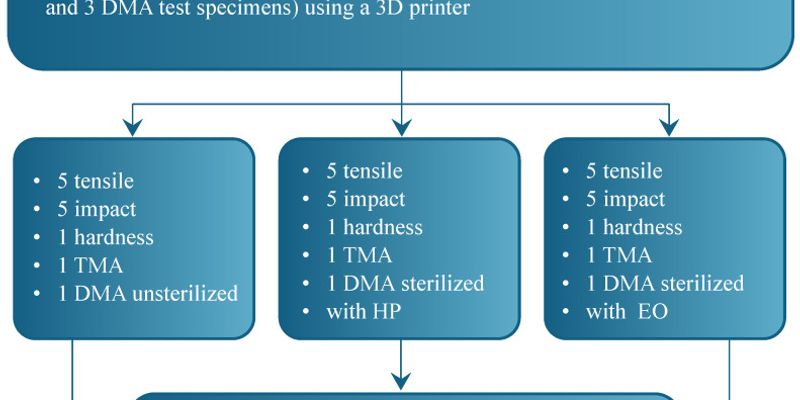
Researchers found that sterilization processes can alter the properties of carbon fiber-reinforced polycarbonate parts made through fused deposition modeling, impacting their suitability for medical use.
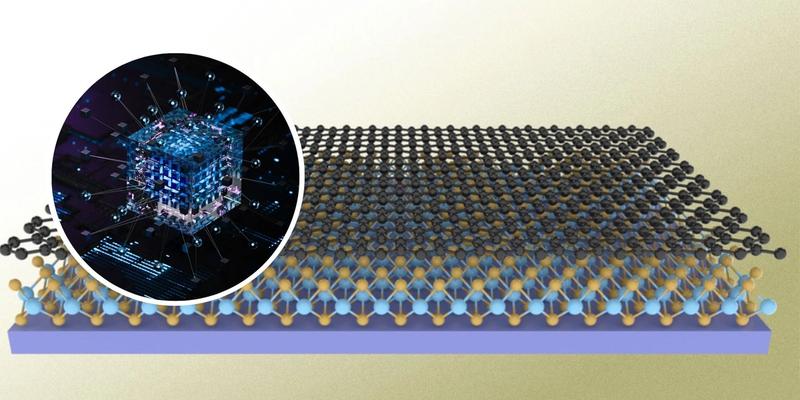
MIT researchers have developed a method to grow large, air-stable niobium diselenide films using graphene encapsulation. This advance could lead to more compact superconducting quantum devices.
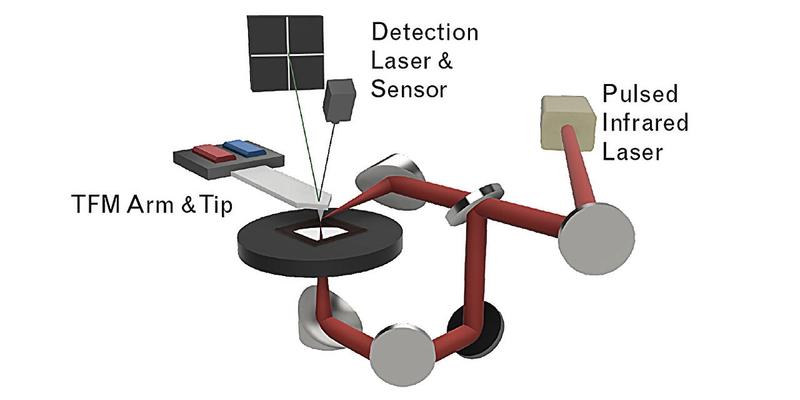
Researchers at the University of Maryland developed infrared torsional force microscopy, enabling near-nanometer precision imaging of material surfaces responding to infrared light.
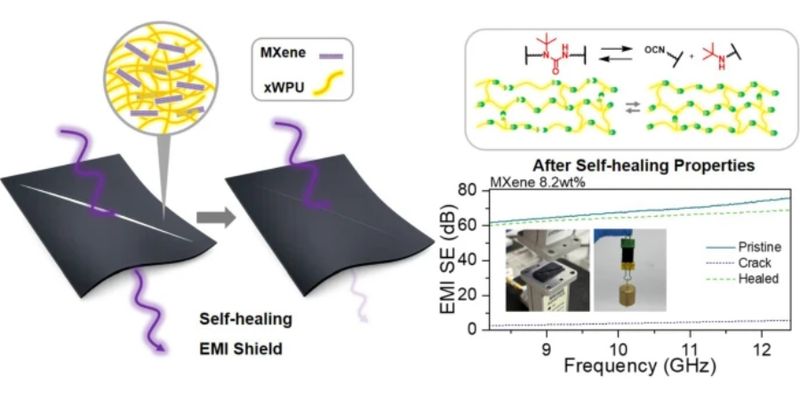
Researchers in South Korea have created a self-healing waterborne polyurethane coating that shields electronics from electromagnetic interference. The coating repairs damage with heat or near-infrared light.
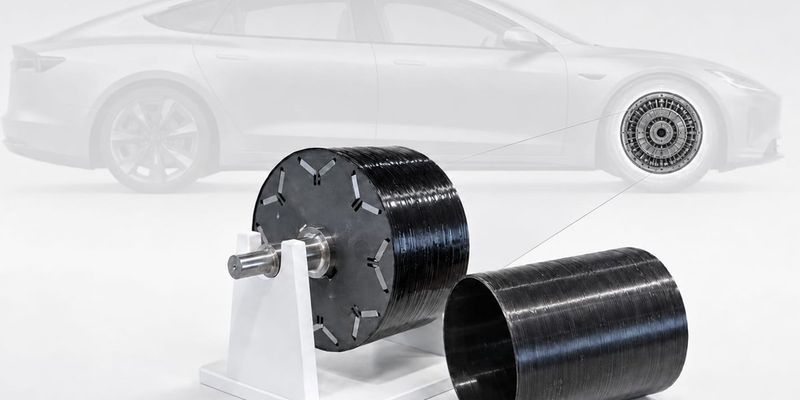
AZL Aachen GmbH is leading a consortium to benchmark CFRP rotor sleeves for electric motors, focusing on press-fit and direct-winding concepts. Production starts in August 2026.
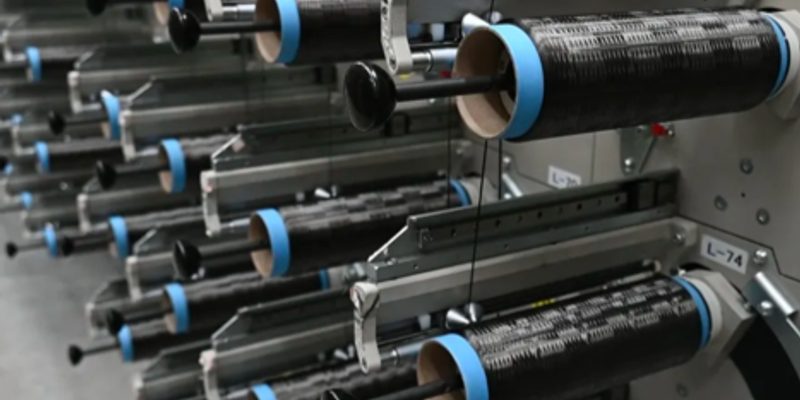
Sinofibers has achieved a 5000 MT annual production capacity for T1100-grade carbon fiber using wet spinning, with a tensile strength of 6600 MPa for aerospace applications.
Automated Fibre Placement and high-pressure resin transfer moulding have made carbon fibre components more viable for mass automotive production, increasing their use in everyday vehicles.

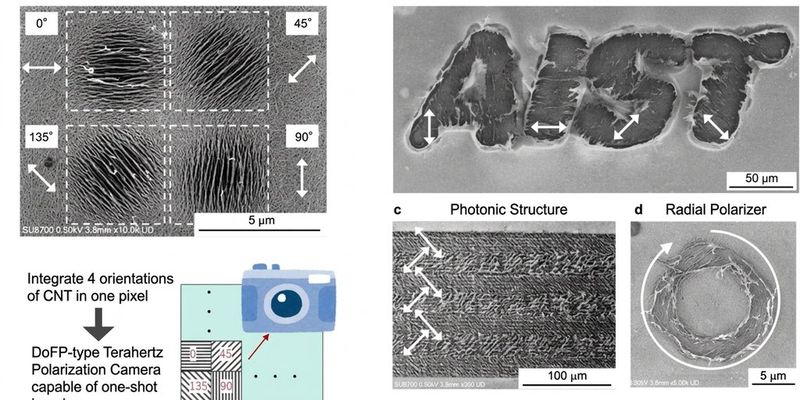
Researchers at Tokyo University of Science have developed a laser processing technique to align carbon nanotubes at the sub-micrometer scale.
Researchers developed a conductive e-skin patch using aminated multi-walled carbon nanotubes and dopamine integrated into carboxymethyl starch.
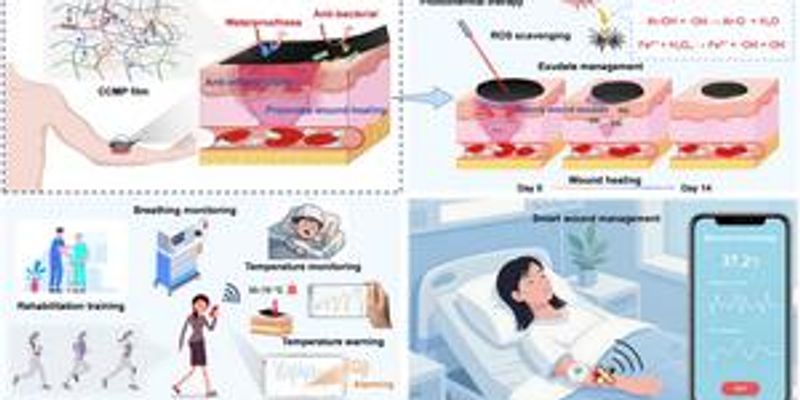
Researchers at Otto-von-Guericke University Magdeburg and MTU Aero Engines find that low gravity and vacuum change how carbon-fibre-reinforced polymers cure, challenging the assumption that terrestrial composite production transfers directly to orbit.

Researchers at KU Leuven have developed a graphene oxide membrane that efficiently separates water from isopropanol, reducing energy use in solvent purification.
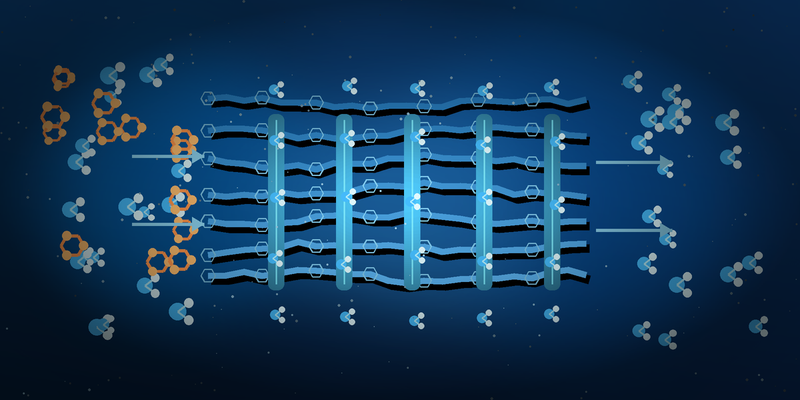
Researchers, including MSE assistant professor Zafer Mutlu, are using graphene nanoribbons to create sensors capable of tracking extreme radiation levels.
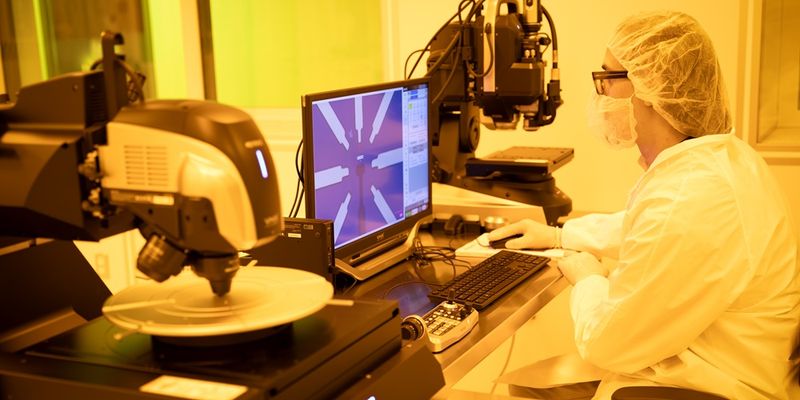
NanoXplore is the largest global producer of graphene, offering industrial-scale, cost-effective graphene solutions.
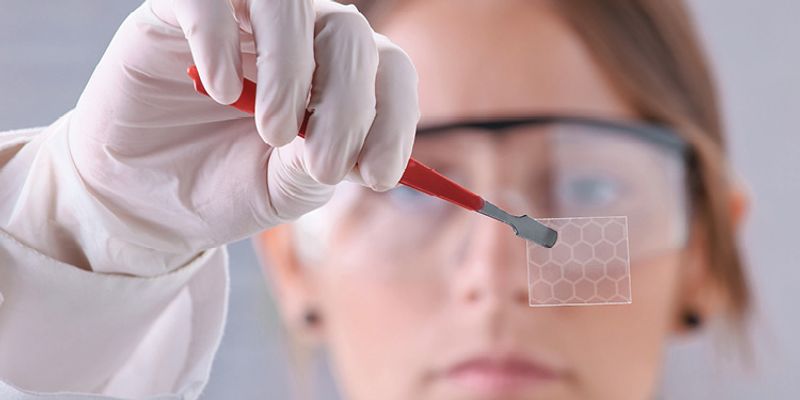
Mitsubishi Chemical has introduced a new series of high-performance carbon fiber prepregs designed for advanced applications.
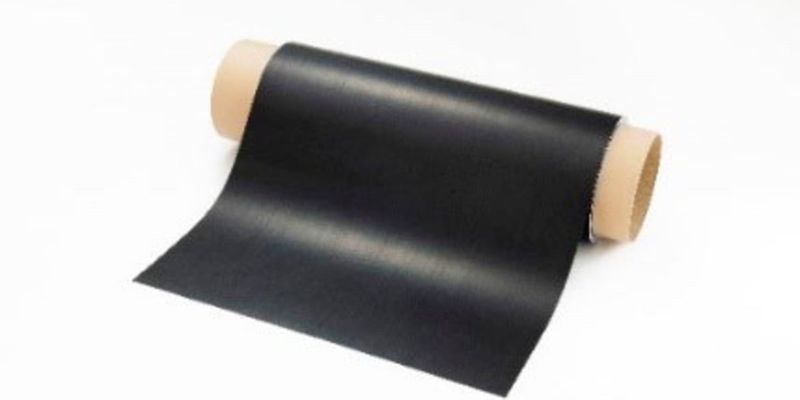
Researchers incorporated thermally exfoliated graphene oxide into PVDF, enhancing both piezoelectric and triboelectric responses. This nanocomposite could advance self-powered wearables and flexible sensors.
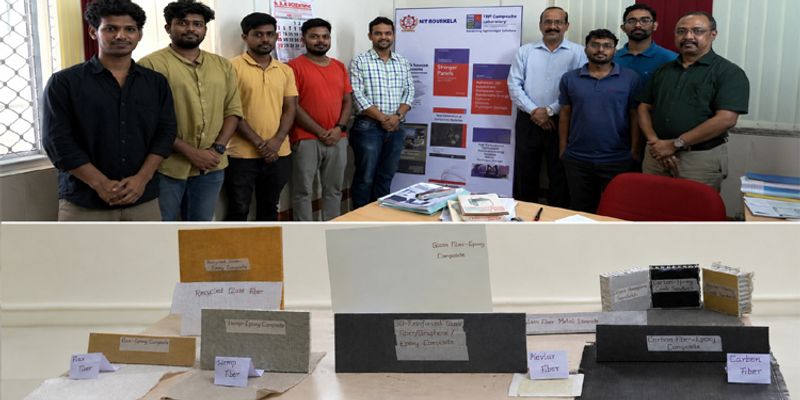
NIT Rourkela has patented a 3D-reinforced composite technology that boosts Fibre-Reinforced Polymer strength and durability, with potential applications in aerospace and automotive industries.
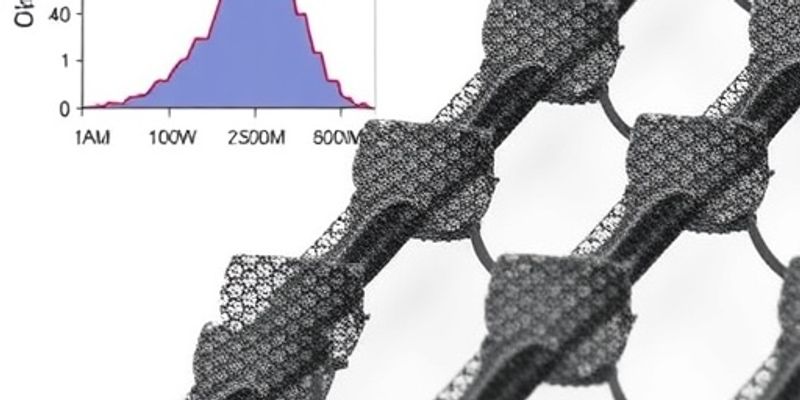
Researchers explain how optothermal Raman thermometry measures thermal conductivity in graphene by using laser-induced temperature changes. The method's accuracy depends on precise absorbed-power measurements.
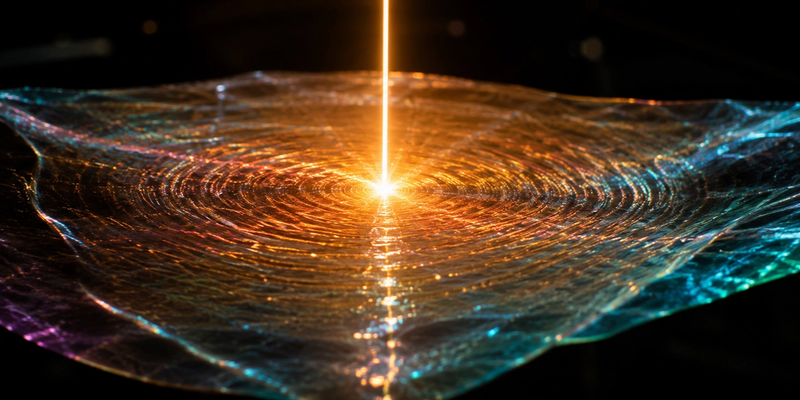
Graphene fibers, when graphitized at high temperatures, achieve thermal conductivities around 1290 W m⁻¹K⁻¹, surpassing most metals, but require per-fiber measurement for accurate application-specific values.
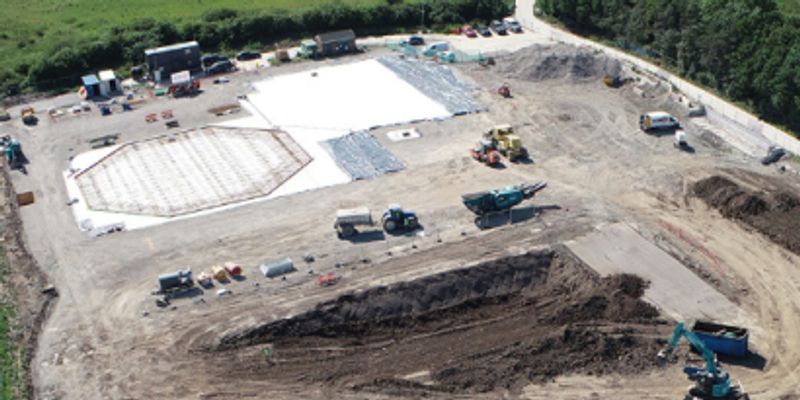
The Ellington anaerobic digestion facility will use 115 tons of Arigna biochar for ground stabilization, aiding carbon offset in construction. Completion is expected in approximately 18 months.
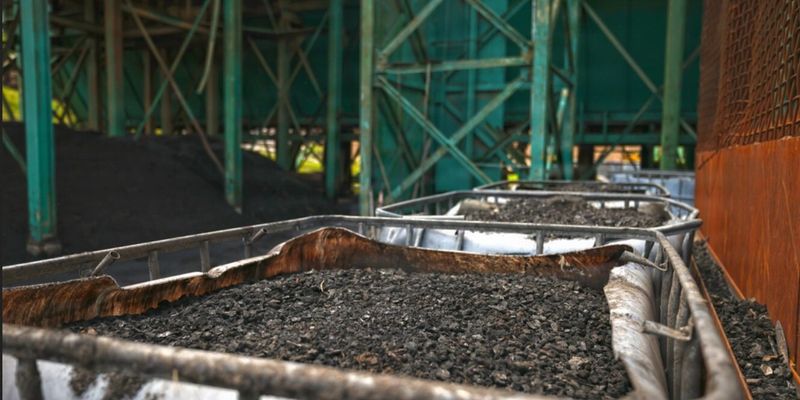
Researchers found that the gas environment during biomass heating significantly impacts biochar quality, alongside temperature.
The North Carolina Department of Environmental Quality awarded $1 million for mobile biochar equipment to convert Hurricane Helene debris into a soil amendment for flood-damaged farmland in Haywood County.
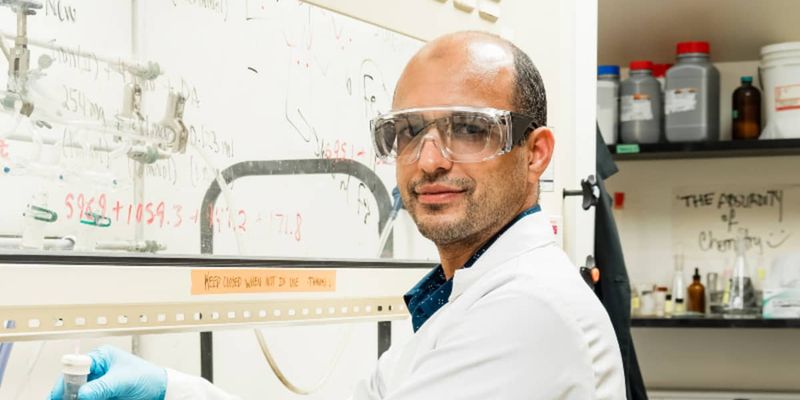
FIU researcher Islam Ibrahim Hussein developed a reusable filter from rice husk biochar to remove industrial dyes from water. The material was effective in tests and can be reused multiple times.
The federal government is providing $7 million to the Capital Regional District for a biosolids project on Vancouver Island, transforming wastewater treatment leftovers into biochar.
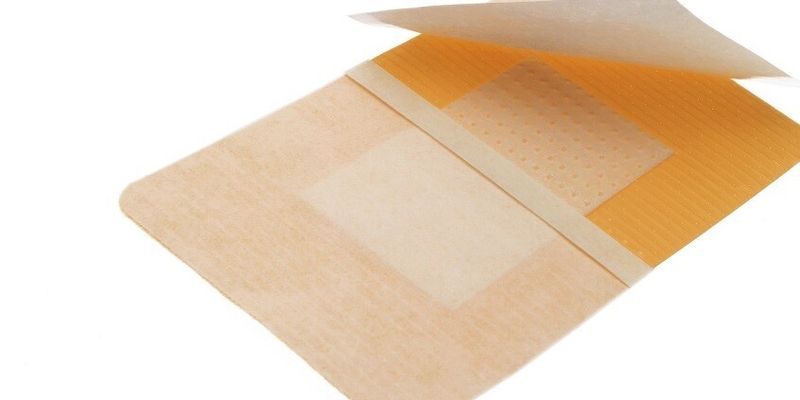
Researchers developed a non-invasive glucose monitoring device using carbon nanotubes and a 2D nickel-based metal-organic framework.
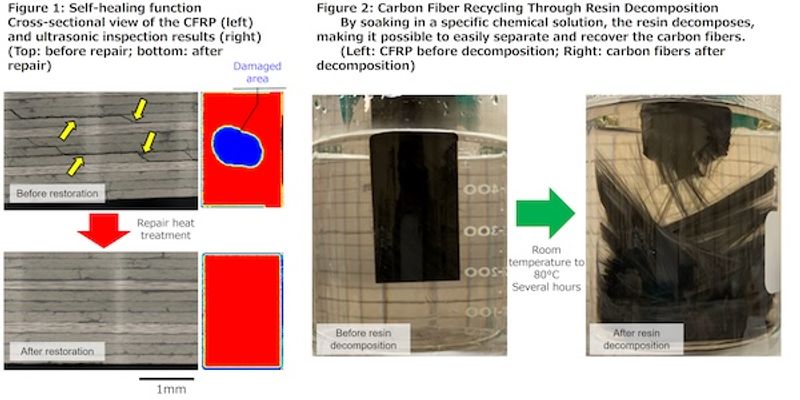
Teijin Limited has developed a thermosetting carbon fiber-reinforced plastic with a self-healing function and high recyclability, aiming to provide samples by 2028.
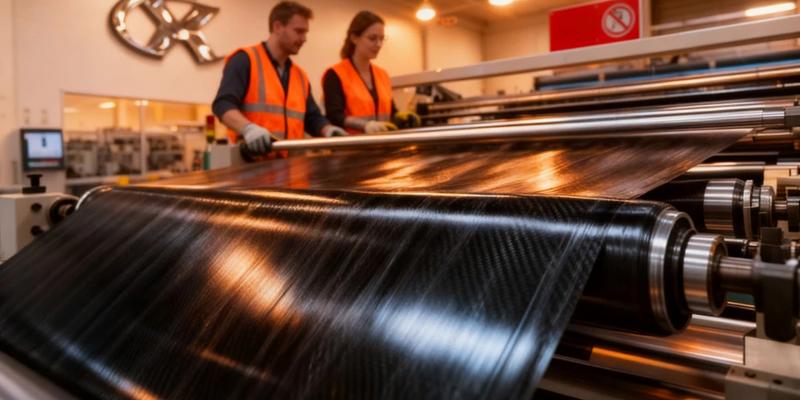
Researchers in China have developed an ultra-strong carbon fiber that could transform aerospace and energy sectors, offering enhanced performance and efficiency.
Teijin Carbon showcases rapid-cure prepregs for aerospace and defense applications at CAMX 2026.
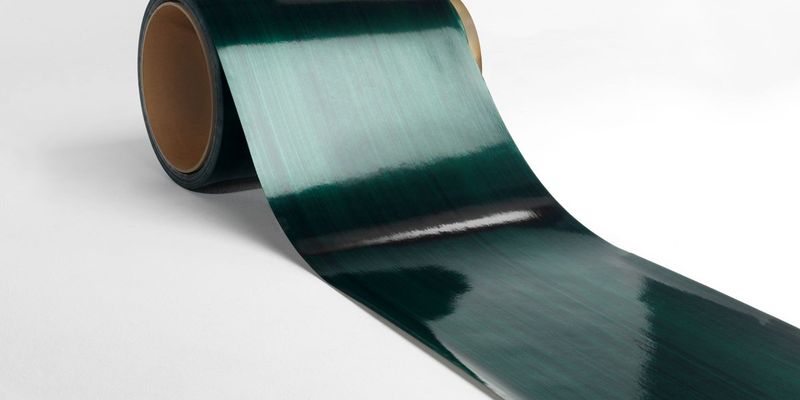
Aimplas produced lab-scale carbon fiber tapes with graphene nanoplatelets and an LMPAEK matrix for the CompSTLar project.
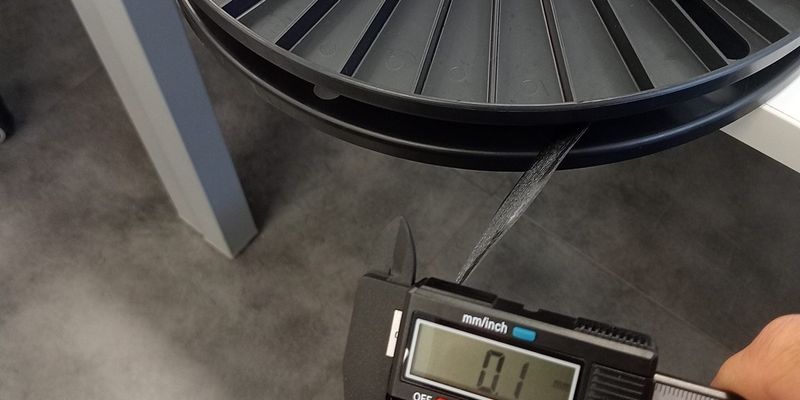
Tekever has introduced the AR6 heavy-lift drone family and broadened its collaboration with iCOMAT to boost AR5 drone production in the U.K.

MASTERMATE is advancing carbon fiber NFC technology, enabling premium smart products with seamless digital connectivity for business, luxury, and automotive applications.
Graphene Manufacturing Group has partnered with Blackwoods to distribute its graphene-based lubricant additive, G® LUBRICANT, across Australia.
Drexel and Penn State researchers created a new hydrogel for biosensors that maintains skin contact through sweat and hair, enhancing durability and comfort during physical activity.
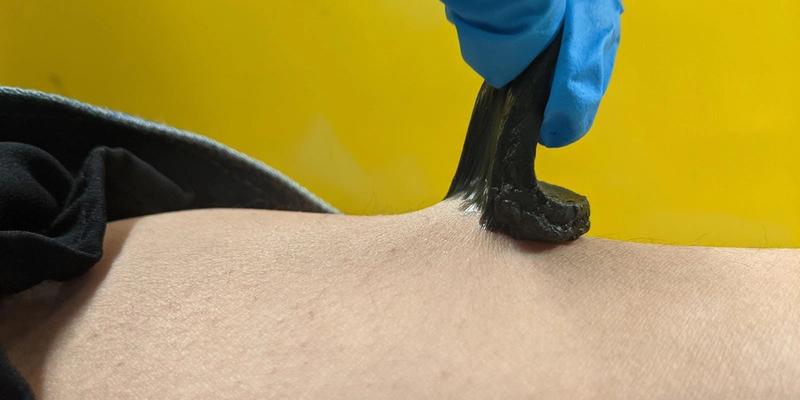
Researchers have directly measured the anisotropic thermal properties of micrometer-thick graphene-based films, providing insight into their potential for advanced thermal management applications.
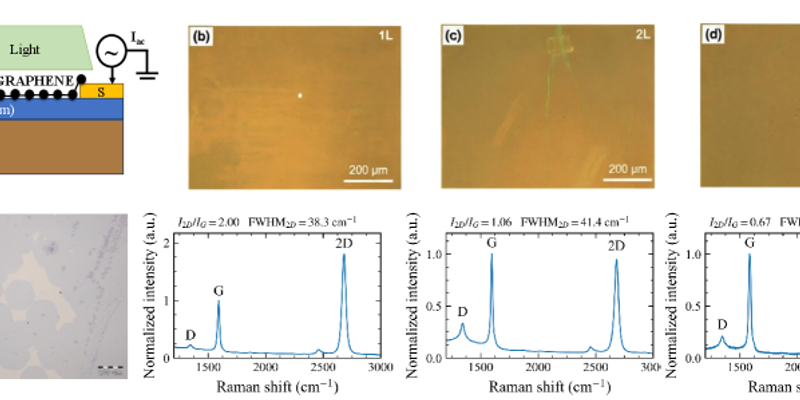
Researchers have demonstrated that monolayer graphene offers the highest sensitivity for photogating-based photodetection due to its strong photogating modulation.
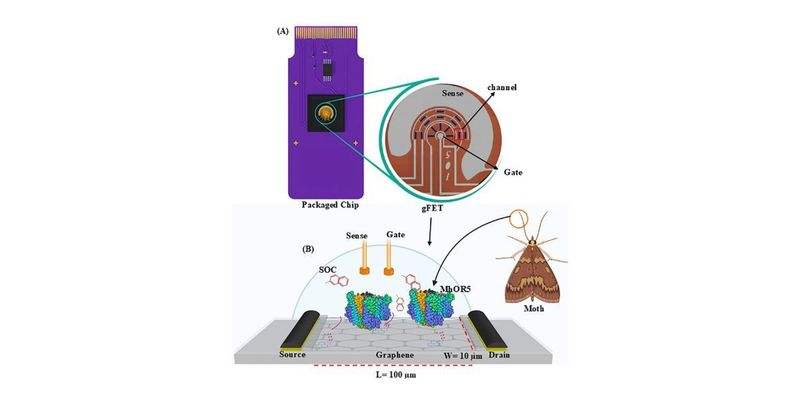
Bioengineers at UC San Diego integrated an insect olfactory receptor into graphene chips, creating a sensor that detects diverse organic compounds. This could lead to scalable, nature-inspired chemical sensors.
Researchers at Yunnan Minzu University developed a biochar catalyst from spent coffee grounds that converts over 99% of hydrogen sulfide into elemental sulfur, offering a sustainable waste treatment solution.

Penn State researchers are assessing the sustainability of Woodland Biomass Innovations' plan to convert 1,000 tons of wood residues daily into gasoline and biochar in Tioga County, Pennsylvania.
Goodwill is collaborating with Western University and Fanshawe College to recycle textile waste into biochar using pyrolysis, diverting 5,000 pounds of clothing from landfills over four years.
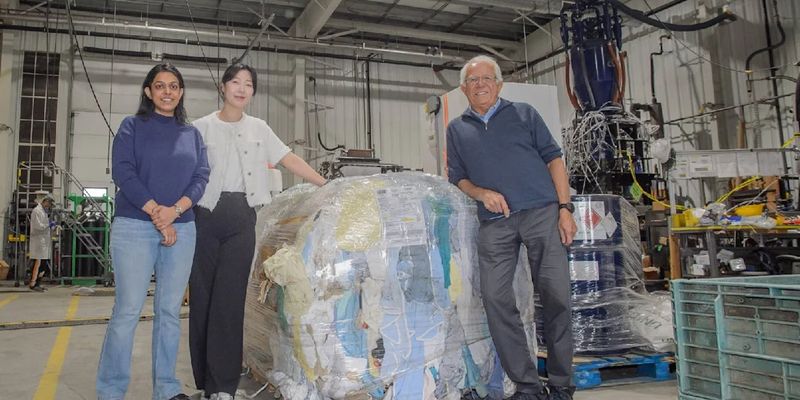
A new Biochar Research and Training Facility with a 1.5-ton daily processing capacity opened at Y.S. Parmar University in Himachal Pradesh to address forest fire hazards.

Miguel Angel Gomez Aristizabal at the National University of Colombia developed carbon nanotubes from coconut shells to reduce steel corrosion in cement by up to 70%.
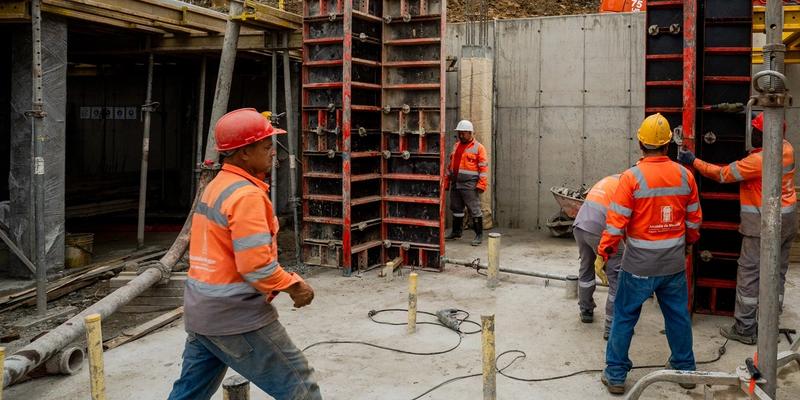
Researchers incorporated carboxylated multi-walled carbon nanotubes into a chitosan hydrogel to enhance red blood cell membrane stability for use in environmental sensors.

Himadri Specialty Chemicals will establish India's first carbon nanotube production facility at its West Bengal complex, with an initial capacity of 200 tons per year, starting commercial production by FY2027.

Adisyn's graphene deposition process has been independently verified as repeatable. The company also received a US patent allowance for its graphene coating technology for metallic surfaces.
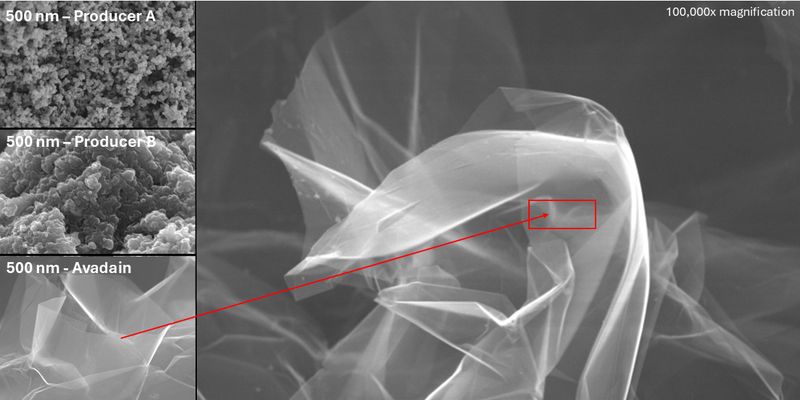
Mivium is developing high-quality gallium nitride nanopowders to enhance semiconductor performance, while Avadain is licensing technology to produce large-scale, defect-free graphene for industrial applications.
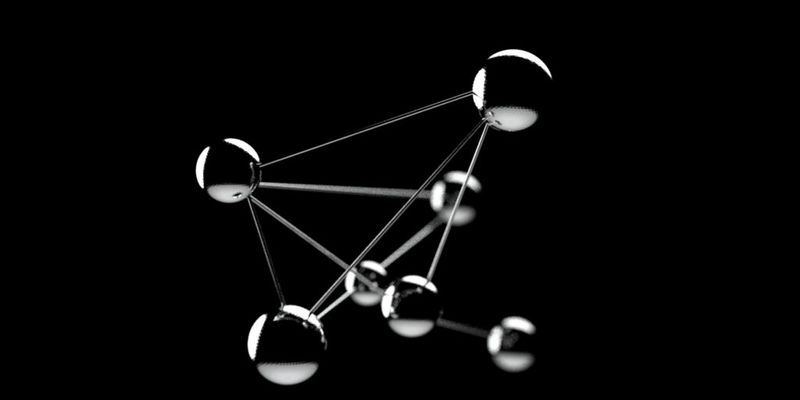
Helmholtz-Zentrum Berlin, Universität Potsdam, and Empa developed a solar cell with 27.3% efficiency using a graphene oxide and self-assembled monolayer bilayer, targeting 30% efficiency.
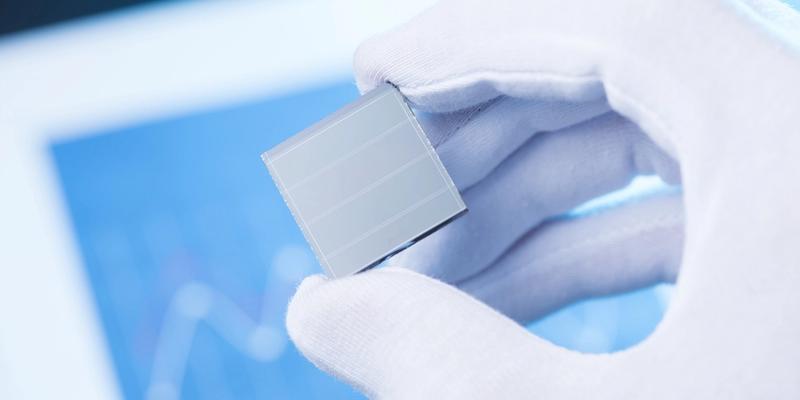
A new Biochar Research and Training Facility has opened at the College of Horticulture and Forestry in Neri, Hamirpur.
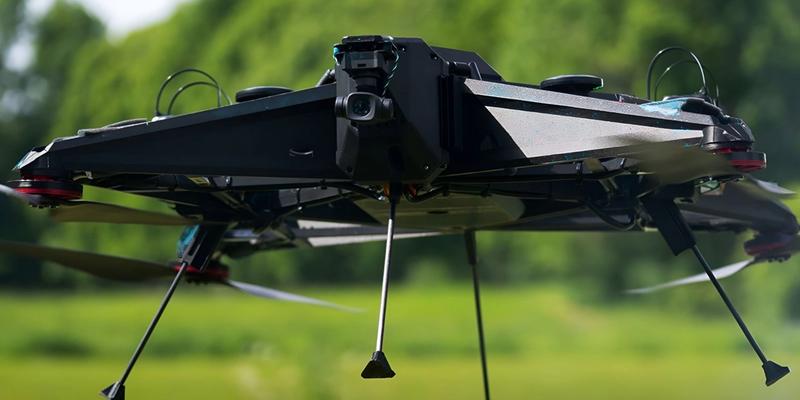
Lyten and Modovolo have partnered to enhance Modovolo's BFP 3D printing platform with graphene-enhanced PA1205 filament, doubling X-Y tensile strength compared to carbon fiber-based filaments.
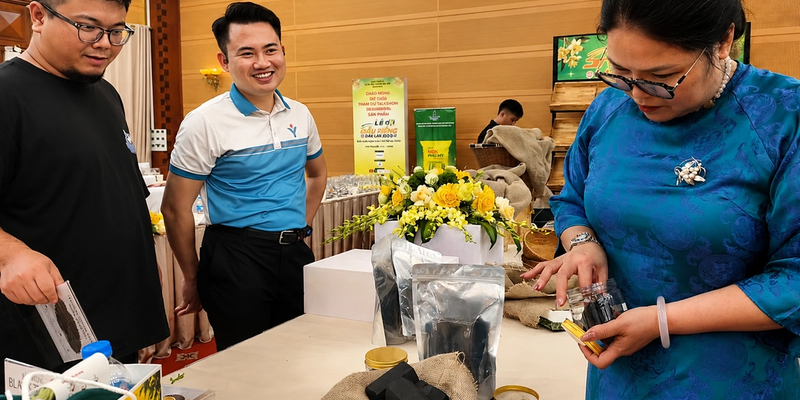
Vietnamese researchers are producing biochar and charcoal pellets from durian peels to reduce waste and increase the value of agricultural byproducts.
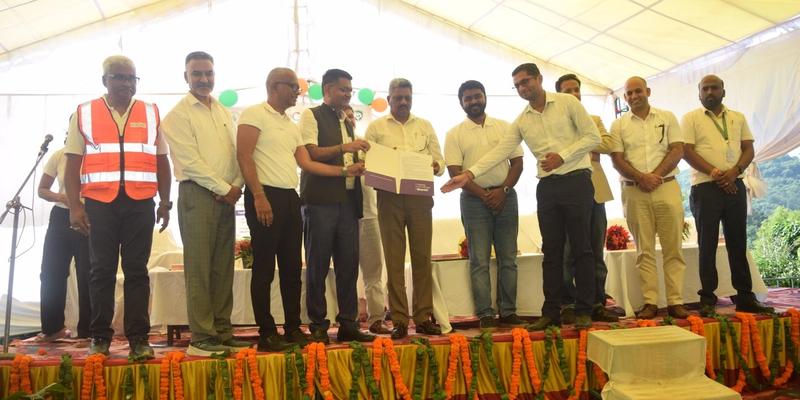
Vink Chemicals and pyropower GmbH celebrated the topping-out of a new biochar power plant in Schwerin, Germany, designed to supply energy to Vink's production site.

Researchers have created an MXene-based flame retardant for waterborne epoxy coatings, significantly improving fire protection and thermal performance.
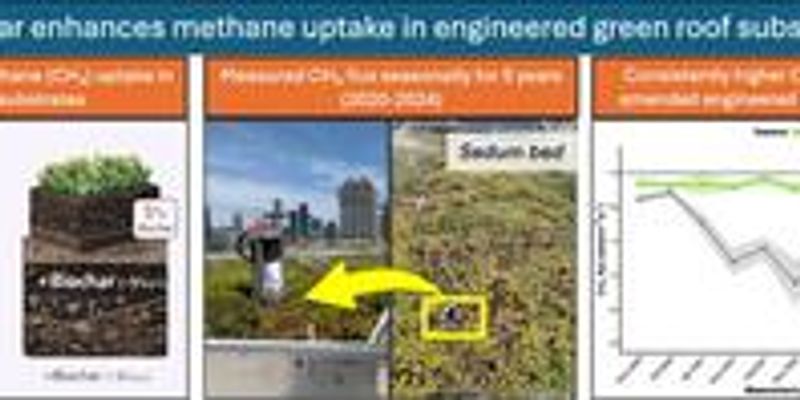
Researchers found that adding biochar to green roof substrates significantly enhances their capacity to absorb methane.
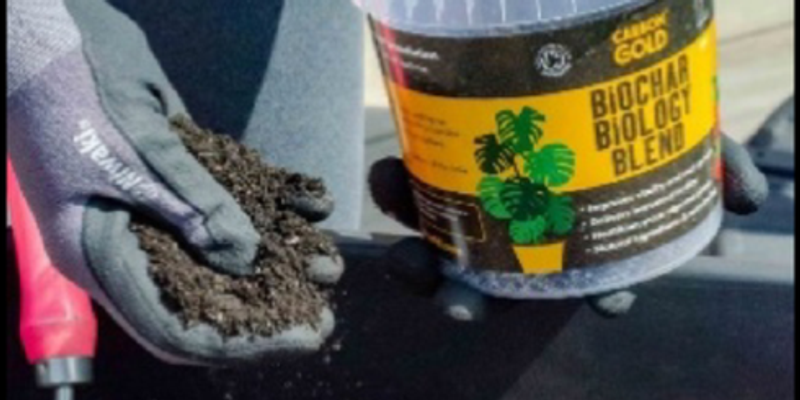
Researchers converted eucalyptus wood waste into biochar, achieving an aluminum adsorption capacity of 139.2 mg/g. The biochar retained 78% capacity after five reuse cycles, highlighting its durability.

Researchers at Punjab Agricultural University review biochar's production routes and its use across environmental remediation, energy and catalysis, mapping how its physicochemical properties drive each application.
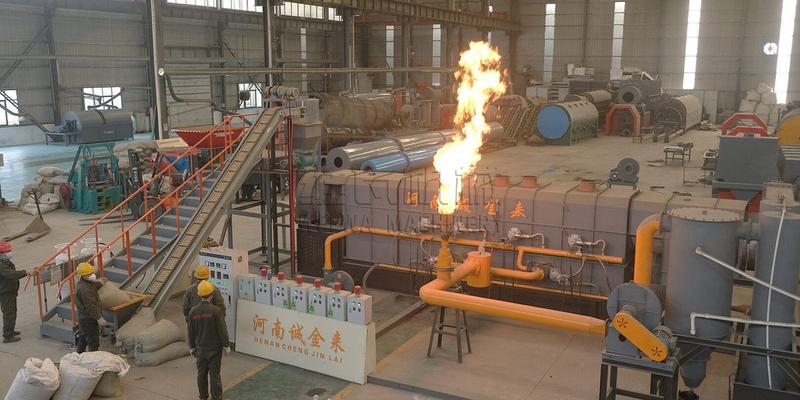
Weiwa Machinery shipped a continuous carbonization furnace to Pakistan, designed for high-capacity biochar production from local agricultural residues like coconut shells and rice husks.
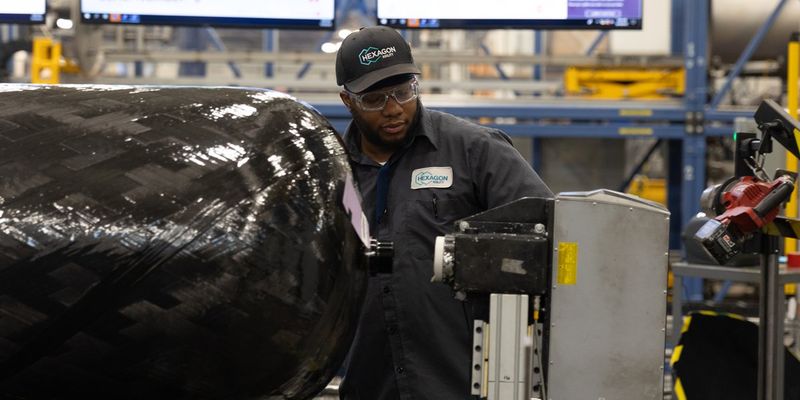
Hexagon Agility manufactures carbon-fiber tanks in Lincoln for storing and transporting natural gas, supporting data center operations.
SkyDrive has partnered with Airtificial to produce and supply lightweight carbon fiber reinforced plastic parts.
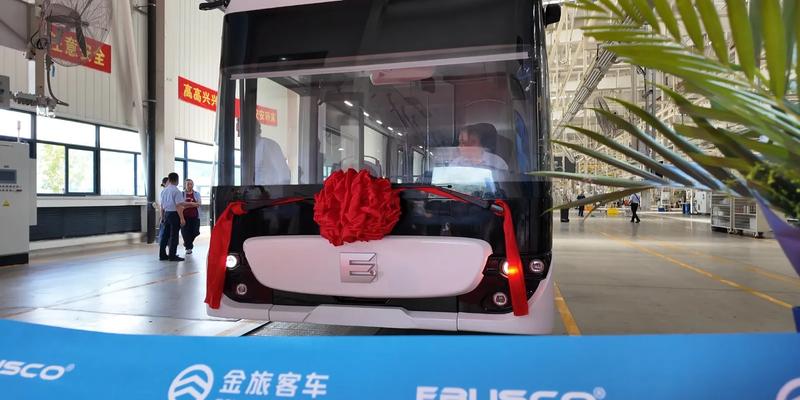
Golden Dragon and Ebusco have finished making the first carbon fiber electric bus at Golden Dragon's Longhai facility.
Hexcel has qualified its HexPly M91 carbon fiber-reinforced epoxy prepreg system as of July 21, 2026.
Lyten will supply its PA1205 nylon-based filaments for Modovolo's BFP 3D printing platform, enhancing performance with improved tensile strength and impact resistance over carbon fiber alternatives.
India's first 120-ton-per-annum carbon fibre demonstration plant is being established in Amravati.
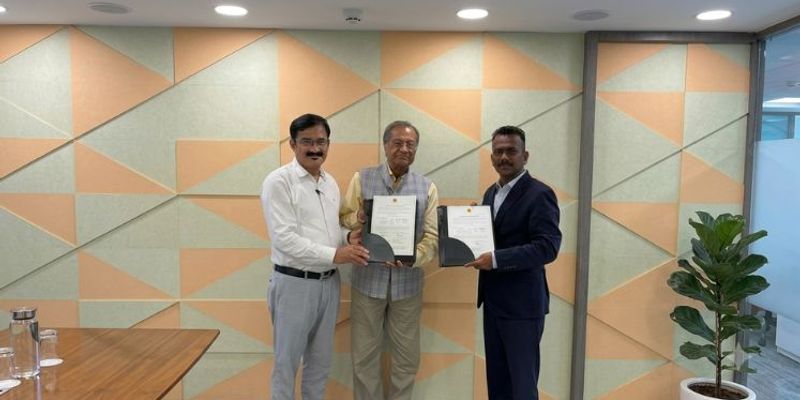
A new high-speed carbon fiber warp knitting machine in China outperforms traditional models, enhancing the production of carbon fiber reinforced polymers (CFRP) textile pre-forms.
Researchers have enhanced the durability of Carbon Fibre Reinforced Polymer (CFRP) in aerospace structures by adding an electroformed nickel leading-edge guard.

Sora Aviation and Toray Advanced Composites will collaborate to integrate carbon fibre composites into the S-1 eVTOL aircraft.

Researchers at École Polytechnique are studying fermion parity in a carbon nanotube system using a pair of quantum-dot Josephson junctions.
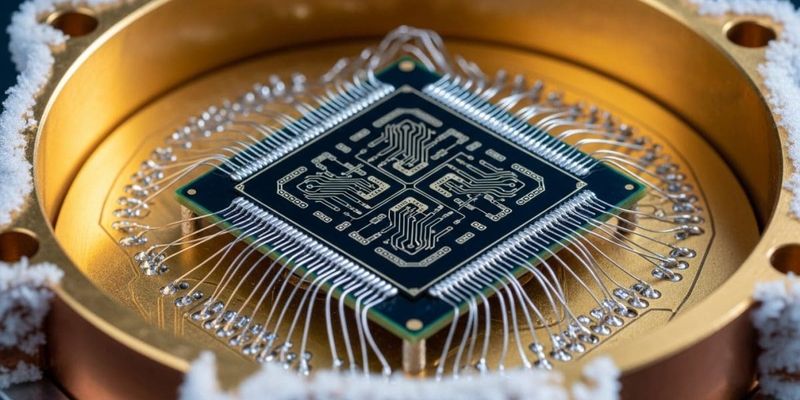
Researchers at Skoltech and the Harbin Institute of Technology have modelled how carbon nanotube smart sensors behave under the extreme temperatures and loads found in aircraft, predicting performance without physical testing.
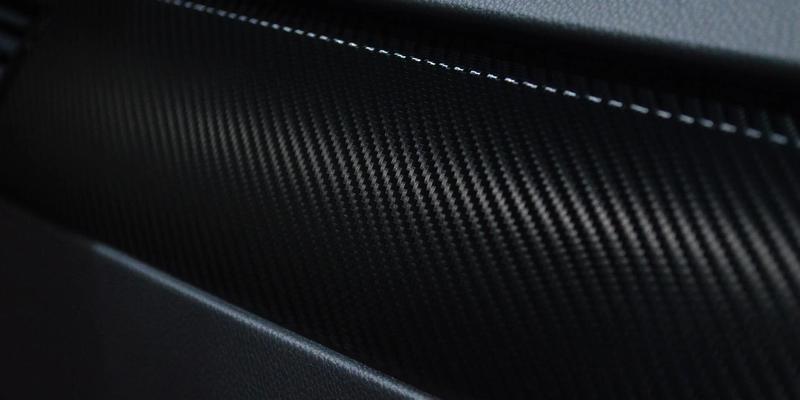
Researchers at QUT developed a molecular strategy to prevent carbon nanotube clumping, enhancing thermal power efficiency for wearable devices that convert body heat into electricity.

Researchers incorporated carboxylated multi-walled carbon nanotubes into a chitosan hydrogel to enhance electrical conductivity and signal transmission in red blood cell sensors.
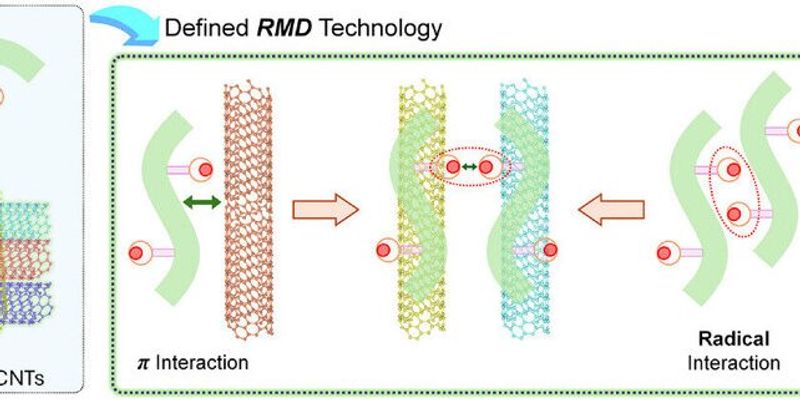
Researchers at Queensland University of Technology used a small molecule to stop single-walled carbon nanotubes clumping, achieving record heat-to-electricity conversion in a problem that had stalled the field for two decades.
Himadri Speciality Chemical is focusing on carbon nanotubes as a potential growth area to complement its existing battery materials business.
Researchers at ICREA have integrated semiconducting nanoporous graphene into sensing devices, using on-surface synthesis to build architectures that carry a usable bandgap.
Mackenzie Fly Fishing has developed graphene-infused outdoor clothing that deters ticks, following unexpected results during a Highlands stalking trip. The fabric's anti-tick properties require no chemical treatments.

Researchers created a flexible memristor using perovskite quantum dots and graphene oxide, improving low-light image recognition by over 10% and doubling the signal-to-noise ratio.
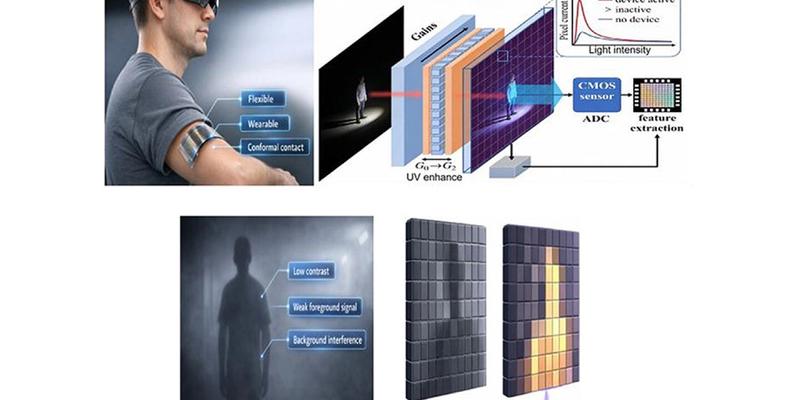
Researchers at the University of Arizona demonstrated that graphene nanoribbons can withstand gamma radiation, suggesting their potential use as radiation sensors in fusion reactors and deep space applications.
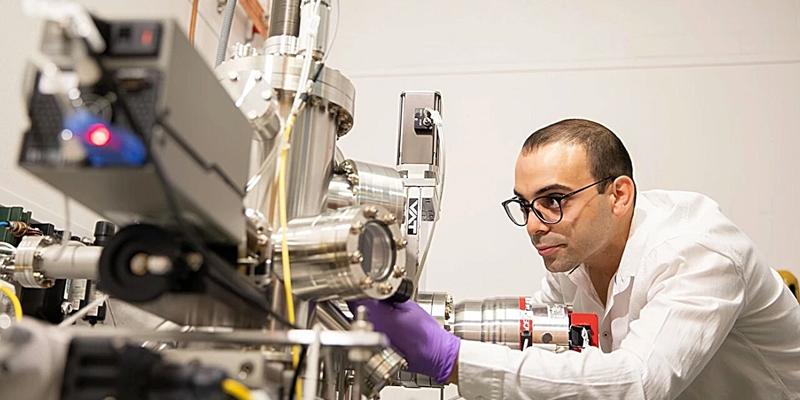
Graphene Manufacturing Group Ltd signed an exclusive MOU with Alstom to develop graphene products for rail HVAC systems.

Researchers are evaluating graphene-enhanced concrete for infrastructure projects in North Carolina's Outer Banks, comparing its performance to traditional concrete methods.

KeAi Communications Co., Ltd. reports on the antibacterial and anticancer capabilities of polymer nanocomposites enhanced with graphene-silicon nitride nanomaterials.
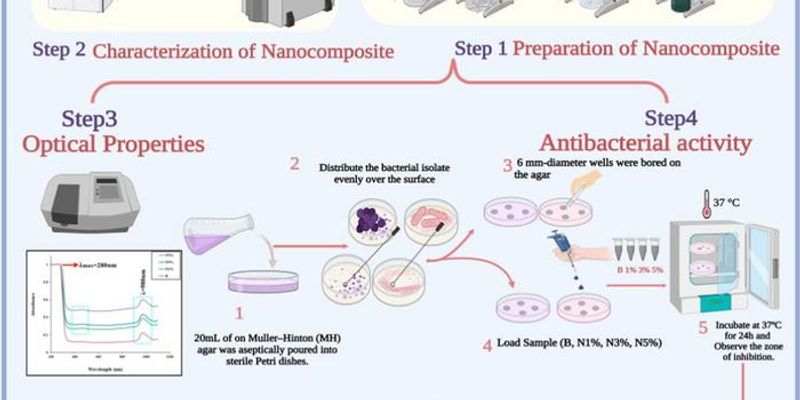
HydroGraph's fractal graphene is being tested in Sparc Technologies' ecosparc® additives to improve the durability of steel in challenging conditions.
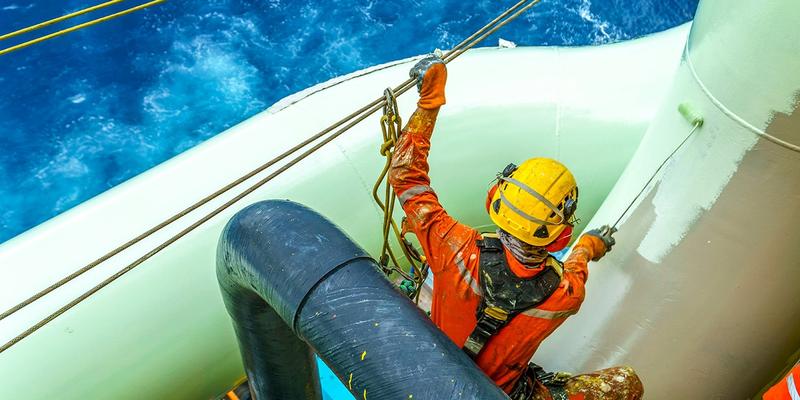
Graphene Leaders Canada has commercialized its graphene-enhanced electroless nickel additive, offering improved corrosion resistance and wear performance. The technology is now available to industrial sectors worldwide.
In a video, HydroGraph CEO Kjirstin Breure discusses how their graphene enabled a biosensor company to create technology that wasn't possible with other commercially available graphenes.

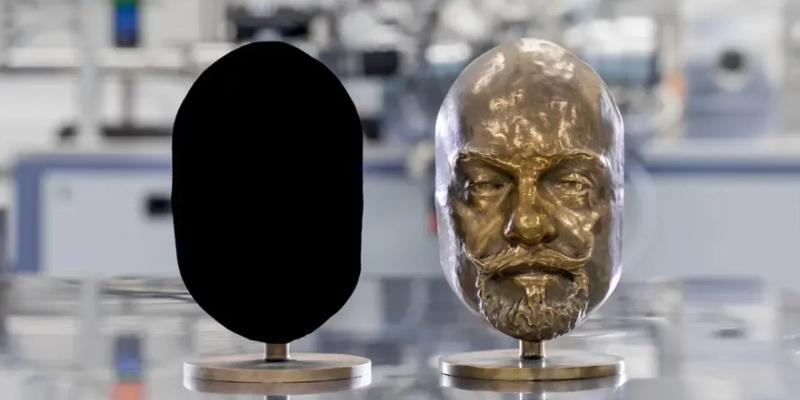
Vantablack, developed in Great Britain from carbon nanotubes, absorbs 99.965% of light, offering a potential solution to light pollution from satellite constellations like Starlink.
Smoltek has joined the MAXBATT consortium, which includes Scania and Volvo, to enhance sustainable battery production using carbon nanofiber technology.
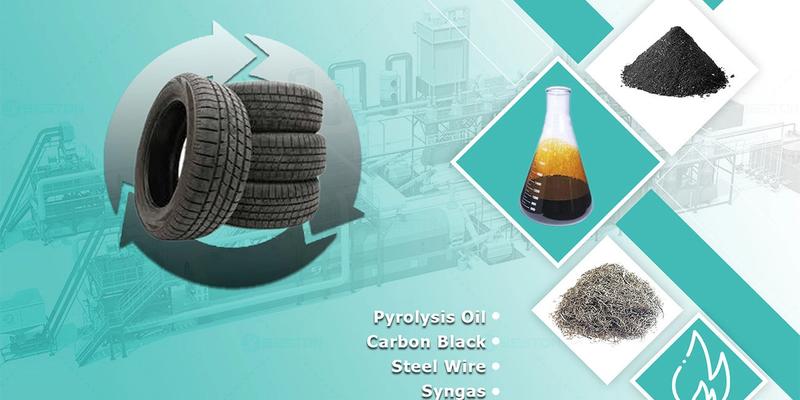
Operators can boost profits from tire pyrolysis by refining oil and carbon black into higher-value products. Upgraded materials meet industrial standards, attracting stable buyers and better margins.
Researchers examined how proteins bind to charged graphene quantum dots, assessing the impact on toxicity, cellular uptake, and light emission.
Researchers at Texas A&M University have developed a process to convert methane into graphene oxide using a nonthermal plasma-water interface, potentially reducing production costs.
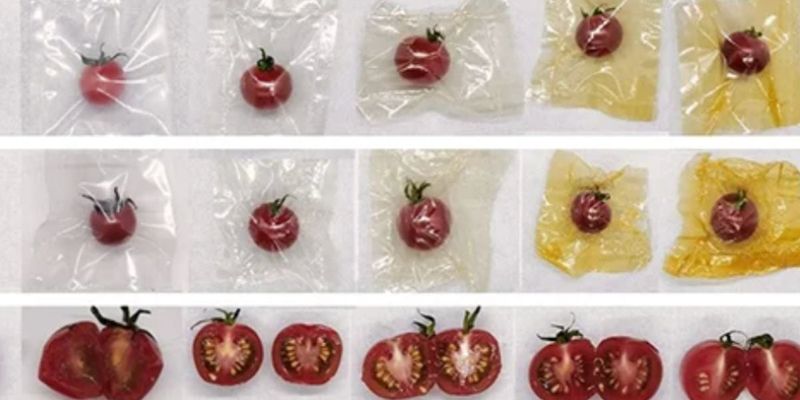
Researchers at Kyushu University developed a pumpkin peel-based nanomaterial that surpasses plastic in blocking UV light, reducing microbial growth, and preserving antioxidants, offering a sustainable packaging alternative.
Researchers have shown that graphene nanoribbons may enhance semiconductor technologies, benefiting applications in fusion energy and space environments.
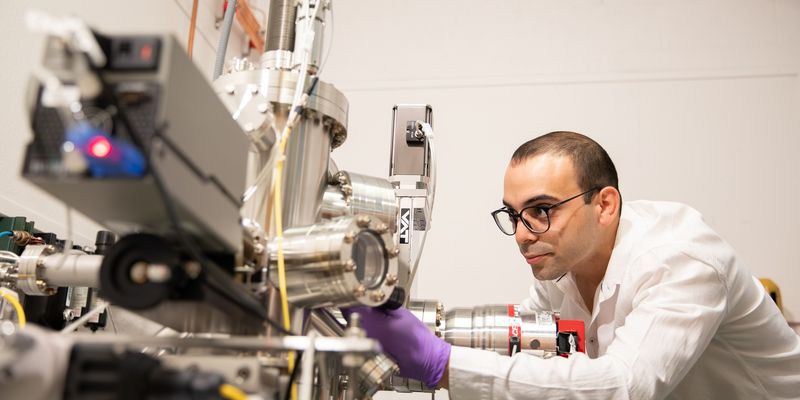
Abasca Resources has increased the Loki graphite resource in Saskatchewan to 6.99 million tonnes with 8.27% graphitic carbon, targeting a prefeasibility study by late 2026.
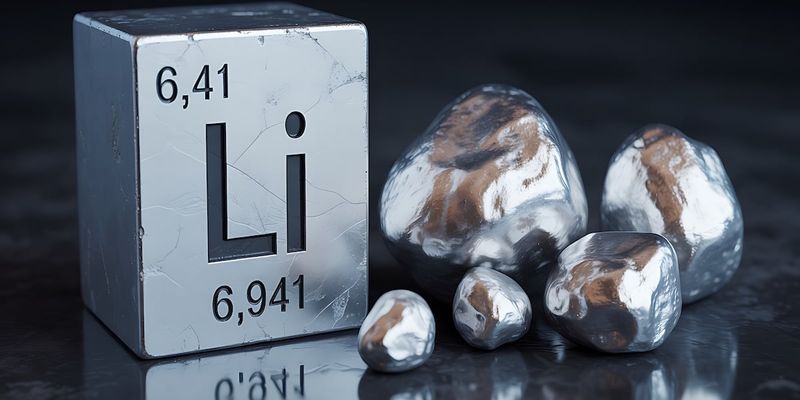
A major tyre producer reports increased use of recycled carbon black in their products.
Researchers evaluated four graphene-based materials in carbon fibre/epoxy laminates for hydrogen storage tanks. The study focused on microwave-assisted graphene intermediate (MGI) composites.
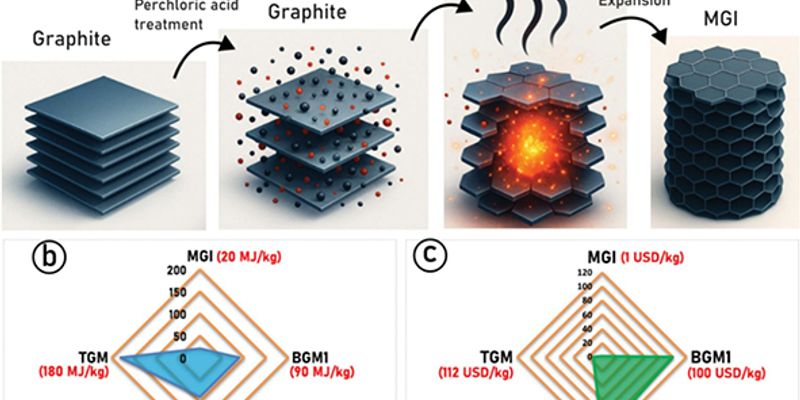
Researchers have developed a new interface that improves the interlaminar strength of carbon fibre/epoxy composites, as reported in Progress in Organic Coatings.
SHD Composites' Mooresville facility will increase Cambium's U.S. composites production capacity fourfold.
FMScarbon, a carbon fiber tube supplier in China, has achieved ISO9001:2024 certification for its quality management system.
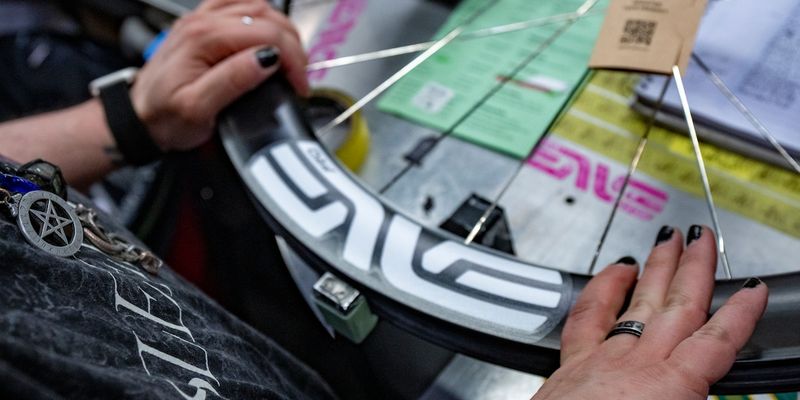
ENVE Composites in Ogden produces handmade carbon fiber wheels, now used by the Tour de France leader.
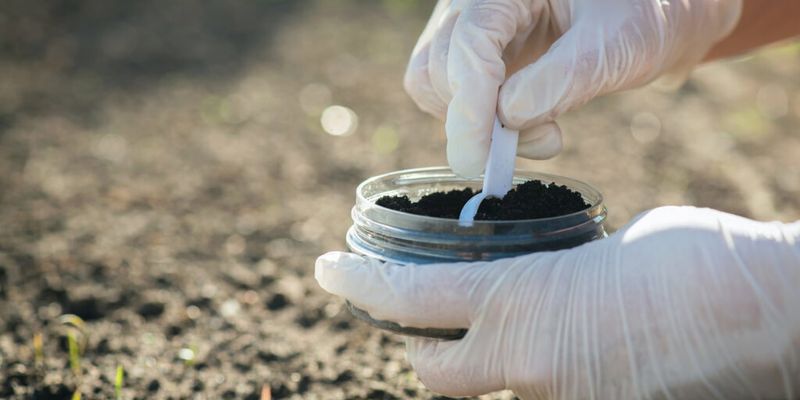
Researchers found that mixing rice-straw biochar with potassium-solubilizing bacteria boosts water-soluble potassium levels in acidic soil.
JEC World has launched a carbon fiber prototyping service in collaboration with FMScarbon to support custom B2B development projects.
Researchers incorporated carbon fiber into jute-based laminates, enhancing the mechanical performance of the composite compared to other materials.
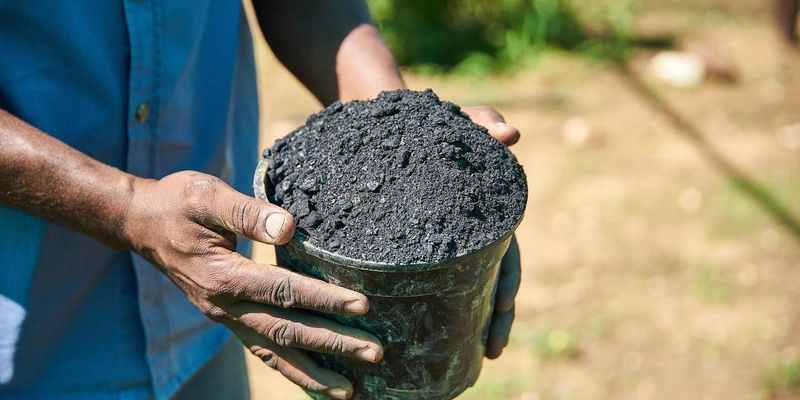
A team from UAS-B is training 100 farmers across Karnataka to create biochar from crop residue using an affordable, portable drum method.
Researchers studied how biochar, made from rice husk and banana peel, absorbs lead and chromium. They tested both raw and magnesium oxide-impregnated versions.
Toray Group celebrates its 100th anniversary, marking a century since its founding in Japan as a rayon producer before evolving into a leader in carbon-fiber technology. This milestone highlights Toray's long-standing impact and innovation in the carbon fiber industry, crucial for advanced composites used in aerospace and other sectors.
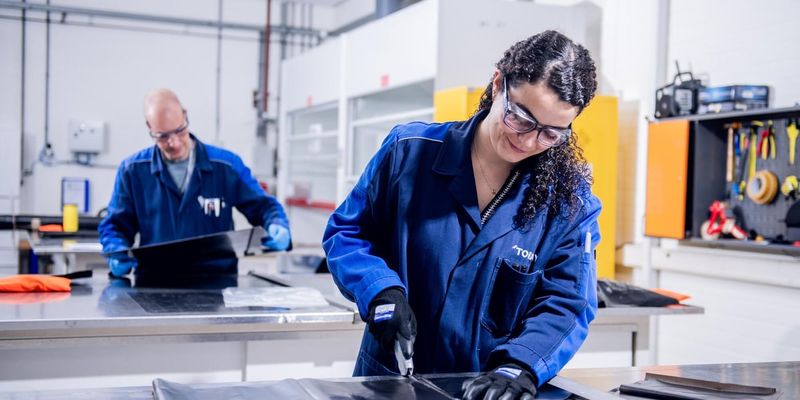
HydroGraph has signed a 10-year agreement to purchase acetylene from Western International for its graphene production facility in Bellville, Texas. This deal secures a stable supply of a key feedstock for HydroGraph's graphene manufacturing, supporting consistent production and potential growth in the advanced carbon materials sector.

CompositesWorld reports that new composite materials marketed as PyroKarb, PyroSic, and PyroXide are narrowing the thermal performance gap between carbon fiber-reinforced polymers (CFRPs) and ceramic matrix composites (CMCs). This development is significant for applications requiring high thermal resistance, enhancing the utility of CFRPs in industries like aerospace and automotive.
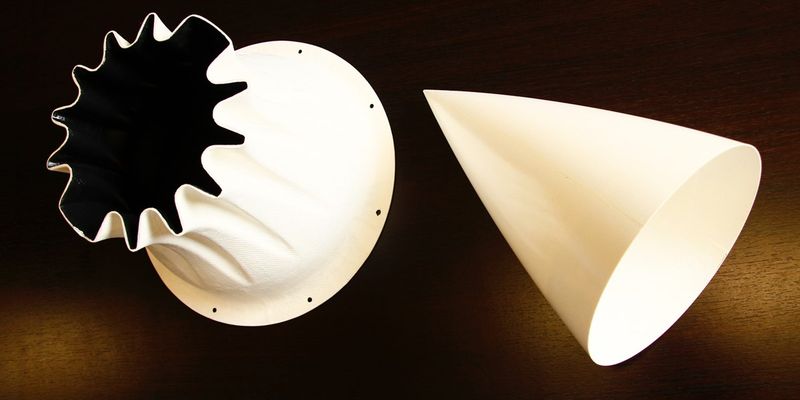
AMP Robotics has implemented a biochar process at their Hampton Roads facility to manage organic waste. This development is significant for the advanced carbon materials sector as it utilizes biochar, a form of carbon, to enhance waste management and potentially improve soil health.
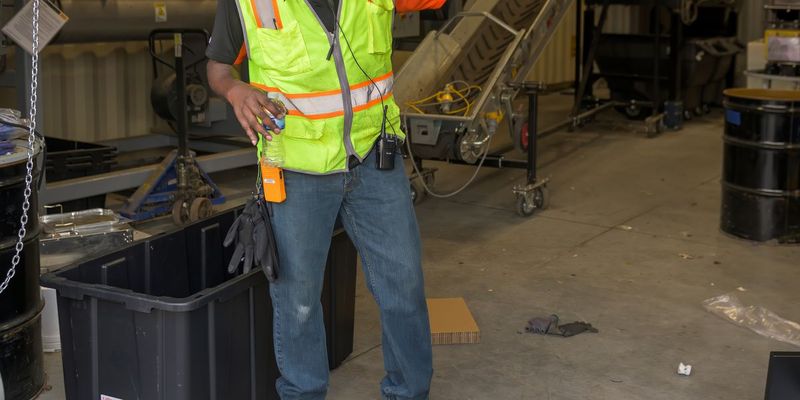
Researchers at the Skolkovo Institute of Science and Technology have developed a room-temperature infrared phototransistor using single-walled carbon nanotubes (SWCNTs) and lithium niobate (LiNbO3), achieving specific detectivities of up to 10^10 cm·Hz^1/2/W. This advancement in SWCNT-based pyroelectric phototransistors could lead to more affordable and portable IR sensing technologies, potentially transforming applications such as thermal imaging, environmental monitoring, and optical communications.
NanoMalaysia (NMB) is set to begin small-scale production of a graphene-enhanced lithium-ion battery for electric vehicles at its 15,000-square-foot facility in Sepang, Malaysia. By incorporating graphene instead of graphite, the battery aims to triple energy storage capacity, which could significantly enhance the performance of carbon-based materials in EV applications.
Researchers at the University of Manchester have developed a machine learning framework that improves the identification of flat-band two-dimensional materials. This advancement could accelerate the discovery and application of new materials for use in advanced carbon structures like graphene.
Researchers at Helmholtz-Zentrum Berlin have developed a new perovskite solar cell by incorporating graphene, enhancing its durability and efficiency. This advancement in perovskite technology could significantly reduce production costs and improve the performance of solar cells, potentially increasing the adoption of lightweight, flexible solar solutions over traditional silicon-based panels.

Researchers at Texas A&M University have developed a scalable process to produce graphene oxide from methane, a component of natural gas. This advancement could lower the cost of graphene oxide production, enhancing its availability for use in batteries, coatings, and electronics.
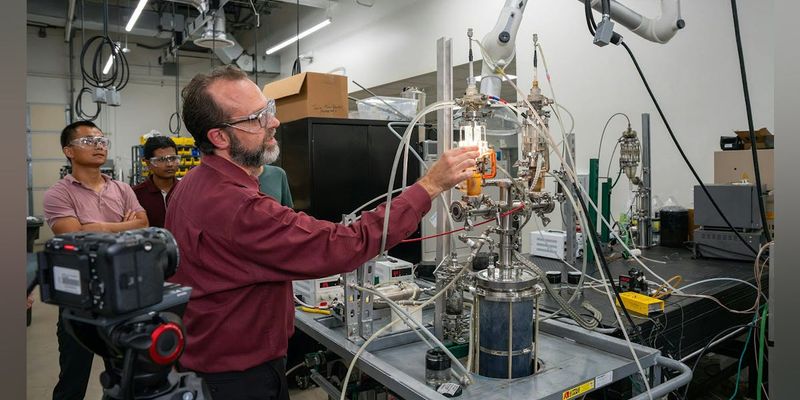
HydroGraph Clean Power has launched Fractal Graphene Paste, a pre-dispersed aqueous concentrate containing 20% graphene by weight, designed to simplify the incorporation of graphene into water-based industrial formulations. This development is significant for the advanced carbon materials sector as it addresses the dispersion challenges associated with graphene, potentially accelerating its adoption in applications such as construction materials, coatings, and thermal management systems.
Toray has developed a radiolucent carbon fiber-reinforced plastic (CFRP) component that reduces X-ray radiation doses by 8%. This advancement enhances the use of CFRP in medical imaging applications, offering improved diagnostic precision with lower radiation exposure.
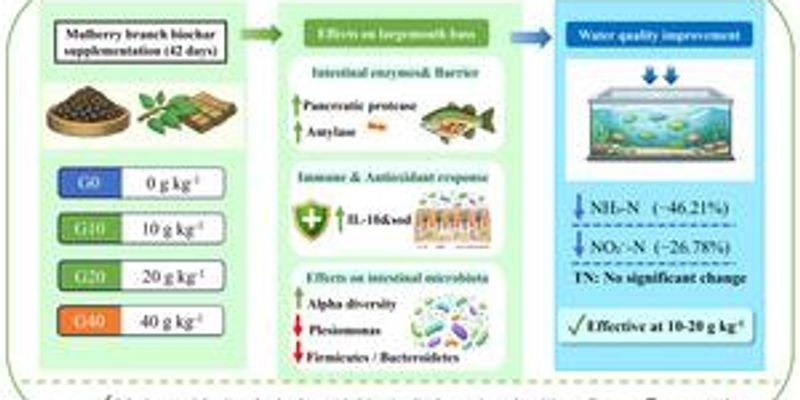
Dietary mulberry branch biochar improved intestinal health in largemouth bass and water quality in the surrounding aquaculture system, pointing to a feed additive use for the material.
Airbus's A350 assembly process involves the carbon fiber-reinforced polymer wings traveling through four countries before completion. This highlights the international collaboration and logistical complexity involved in producing advanced carbon composite materials for aerospace applications.

Nex Cap Energy has identified key industries that benefit most from graphene supercapacitors, highlighting sectors such as telecommunications, electric vehicle fleets, solar, and marine applications. This development underscores the potential of graphene in enhancing energy storage solutions across diverse fields.
Varex Imaging has developed Multi-Beam X-Ray (MBX) technology utilizing Cold Cathode Emitters (CCE) based on carbon nanotube technology. This advancement could enhance the performance and efficiency of x-ray imaging systems by leveraging the unique properties of carbon nanotubes.
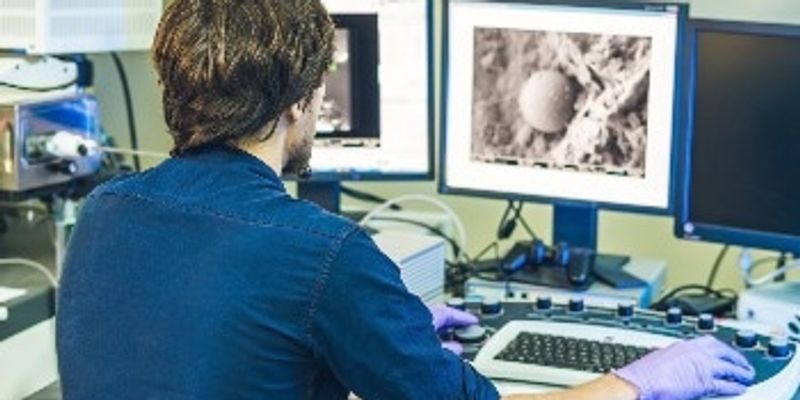
Researchers at China University of Petroleum, Beijing review carbon fibre reinforced polymers in marine structures, covering buckle arrestors and the durability challenges of prolonged seawater exposure.
Researchers at Taiyuan University of Technology, led by Sang Shengbo, have developed a multi-responsive MXene actuator capable of programmable complex deformations. This advancement is significant for the development of soft robotics, which can benefit from the unique properties of MXene materials.

Researchers at Western University have partnered with Goodwill to reduce textile waste by using biochar and AI-powered sorting technologies. This collaboration is significant for the advanced carbon materials sector as it demonstrates a novel application of biochar in waste management, potentially increasing demand for biochar production.
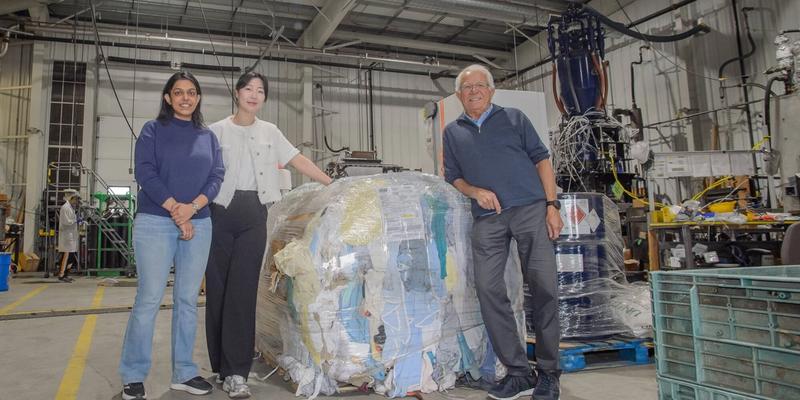
Hina Battery is establishing a 2 GWh sodium-ion battery production line in Wuhan to support commercial transport and cargo operations along the Yangtze River. This development is significant as it leverages local carbon resources to reduce reliance on imported lithium, ensuring stable battery supply for heavy-duty vehicles.
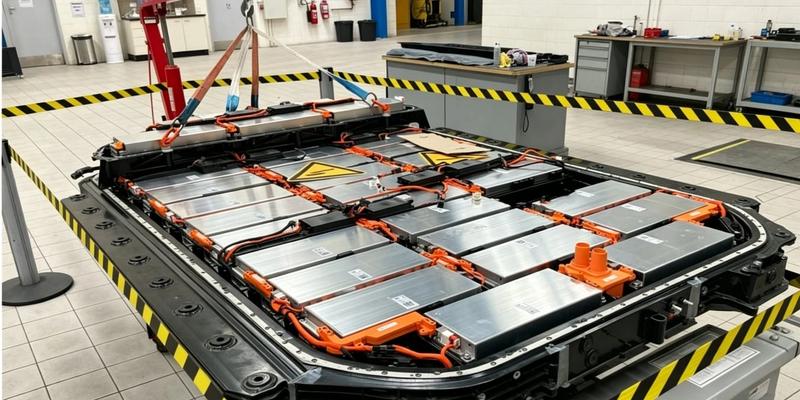
Hexcel and TPC Technologies have expanded their product portfolio to include carbon fiber composite materials for use in commercial aircraft. This expansion is significant for the advanced carbon materials sector as it highlights the growing demand and application of carbon fiber composites in the aerospace industry.
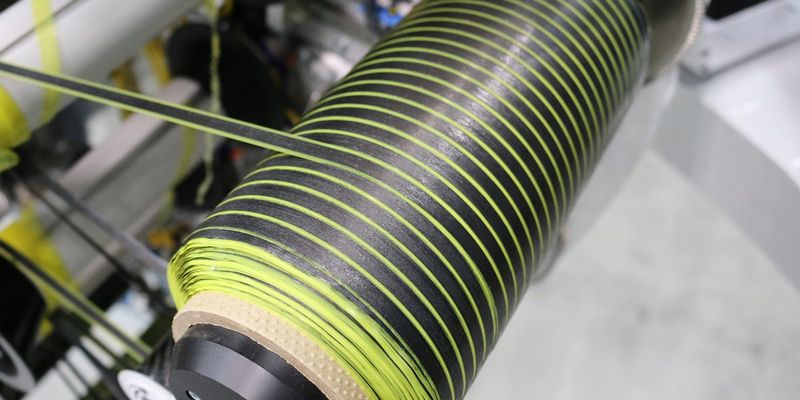
Valency International has opened Africa's first large-scale biochar plant using cashew nut shells in Côte d'Ivoire. This development could enhance the production of biochar, a carbon-rich material, from agricultural waste, promoting sustainable practices in the region.
Researchers from Brazil's Federal University of Pelotas and Federal University of Rio Grande do Sul have developed a laser-induced graphene sensor capable of detecting dopamine in tear fluid with high sensitivity. This advancement could lead to noninvasive monitoring of neurological disorders, utilizing the electroactive properties of graphene to provide a compact and scalable alternative to traditional methods that often require blood or implanted devices.
Researchers at the Helmholtz-Zentrum Berlin, along with collaborators, have developed a perovskite solar cell with a graphene-oxide interface that achieves 27.3% power conversion efficiency and maintains over 90% of this efficiency after 770 hours of operation. This advancement addresses the stability issues in all-perovskite triple-junction cells, potentially paving the way for more durable and efficient solar technologies using carbon-based materials like graphene.
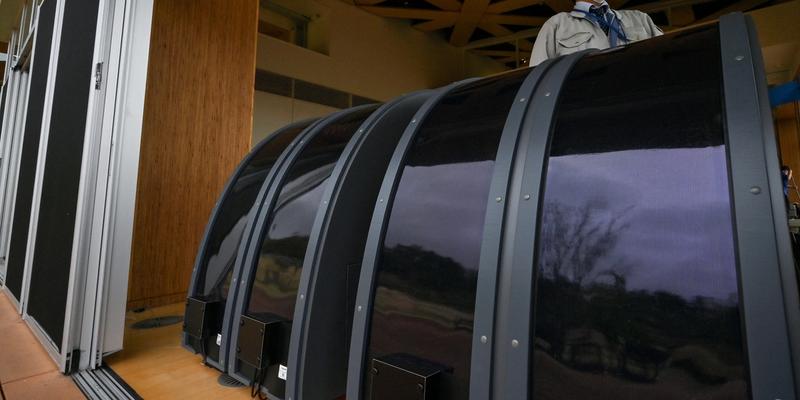
Researchers at the National Research and Innovation Agency have developed biobriquettes from ginger rhizome waste, offering an alternative energy source. This innovation not only reduces environmental pollution from ginger waste but also supports the clean energy transition by utilizing biochar derived from lignocellulose-rich materials.
Researchers at the University of Electronic Science and Technology of China have developed a CNT@Ag-MXene sensor that resists corrosion even under high strain conditions. This advancement in carbon nanotube composites could enhance the durability and lifespan of sensors used in harsh environments.
Premier Graphene and HGI Industrial Technologies have reached a new milestone by completing the first manufacturing payment for 1,600 protective military belts under a contract with Mexico's Secretaría de la Defensa Nacional. This development highlights the growing use of graphene in defense applications, showcasing its potential to enhance the durability and protective capabilities of military equipment.
Avadain has developed a new graphene type called Large, Thin, Defect-Free (LTDF) graphene, which features flakes in the 25-100+ µm² range and averages under 5 atomic layers, aiming to enhance applications in critical minerals, rare-earth-free magnets, and high-power electronics. This advancement is significant because it addresses key limitations of commercial graphene, such as flake size, layer count, and defect density, potentially improving the performance of carbon-based materials in demanding applications.
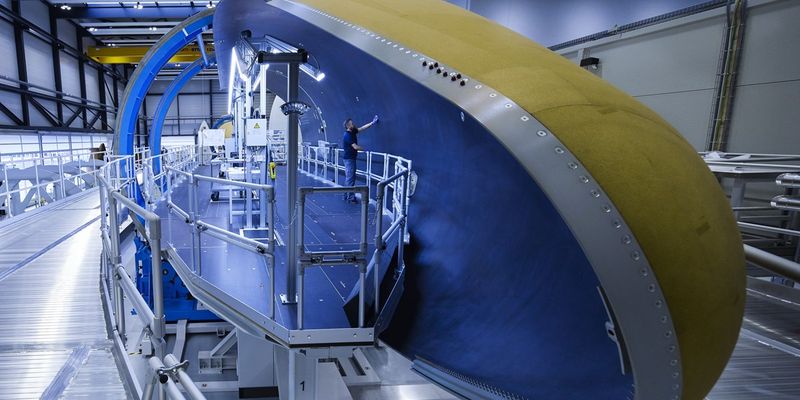
ArianeGroup has signed a contract with Beyond Gravity to supply 27 carbon fiber-reinforced polymer (CFRP) payload fairings for the Ariane 6 rocket, with deliveries starting at the end of 2026. This contract supports the increased production rate of Ariane 6 and highlights the critical role of CFRP materials in enhancing payload capacity and flexibility for the European heavy-launcher program.
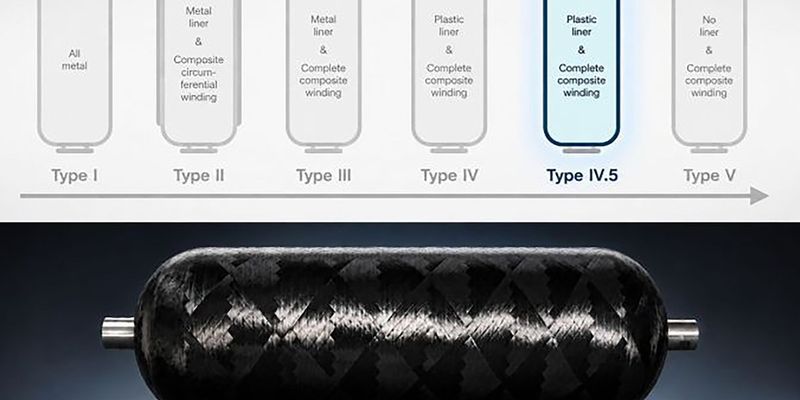
Avanco Composites has introduced a Type 4.5 pressure vessel that uses thermoplastic composites to match the polymer in the plastic liner with the matrix system in the overwrap. This fusion allows for enhanced storage solutions, particularly benefiting applications that require lightweight and efficient carbon fiber-reinforced structures.
HydroGraph has certified Midland Compounding & Consulting (MCC) as a U.S. compounding partner for graphene-enhanced polymer applications. This certification enables MCC to support the development and commercialization of advanced graphene-enhanced materials, focusing on performance improvements and functional enhancements in industrial applications.

Toray Industries Inc. has developed a radiolucent carbon fiber-reinforced plastic component that reduces X-ray radiation doses. This advancement in CFRP technology is significant for medical imaging equipment, offering safer diagnostic procedures with lower radiation exposure.

Researchers have developed a graphene-based sensing platform designed for rapid detection of PFAS. This advancement could enhance monitoring efforts by utilizing graphene's sensitivity and conductivity properties to provide quicker analysis at the point of need.
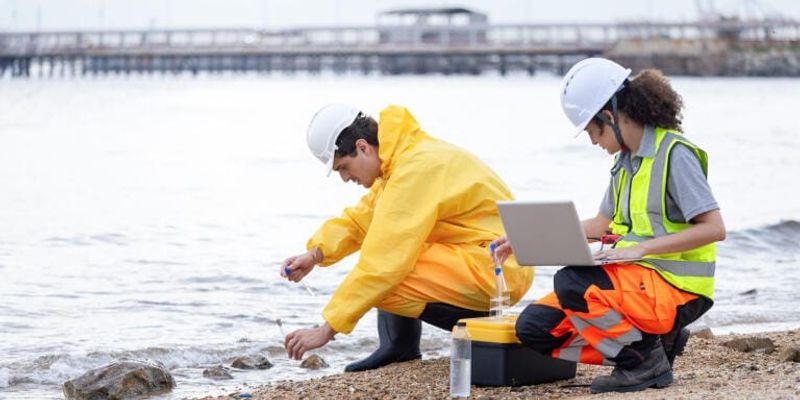
Turquoise Group has achieved Verified Graphene Producer® status, confirming its capability to produce 30 tonnes of high-purity few-layer graphene annually at its Brisbane facility. This certification enhances the company's credibility in delivering high-quality graphene, a material crucial for applications in coatings, composites, and energy storage.

ÉireComposites has manufactured three carbon fibre stray light baffles for the European Space Agency's Altius ozone monitoring mission. This development highlights the use of carbon fibre in aerospace applications, particularly in enhancing the performance of optical instruments.
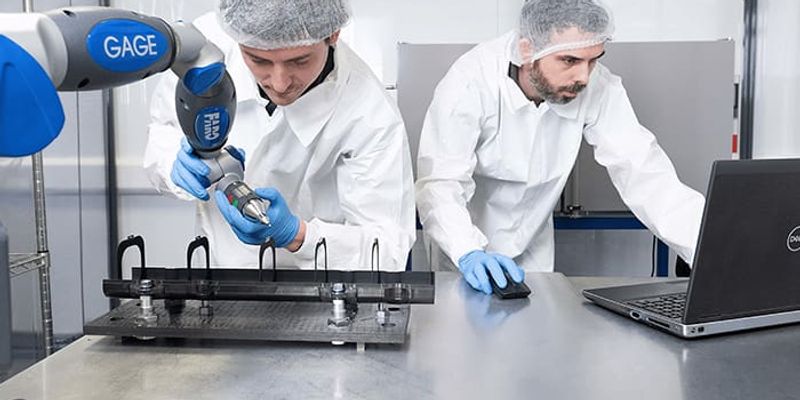
Plasma functionalisation stops multi-walled carbon nanotubes agglomerating in polyurethane coatings, a dispersion problem that has limited their antimicrobial performance in solid films.
Researchers have optimized reduced Ti3C2 MXene to achieve a photothermal conversion efficiency of 91.66% under an 808-nanometer laser. This enhancement in free electron concentration can significantly improve MXene's performance in photothermal applications, potentially impacting fields like energy conversion and thermal management.
Researchers at Zhejiang University have developed a piezoresistive fiber bandage using multi-walled carbon nanotubes for shape sensing in slender medical continuum robots. This innovation provides a low-cost, highly stretchable alternative to fiber-optic systems, potentially expanding the use of carbon nanotube-based sensors in medical robotics for improved intraoperative guidance.
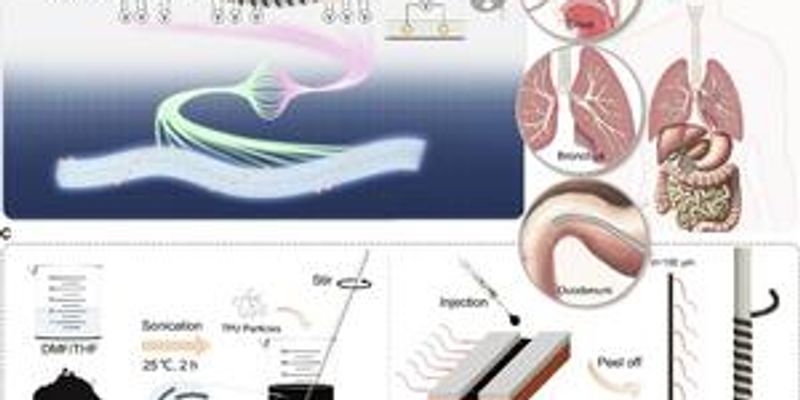
Researchers at the Institute of Environment under the Hefei Comprehensive National Science Center have developed a technology for large-scale biochar production from agricultural and forestry biomass, capable of producing over 50,000 tonnes annually. This advancement in biochar technology supports environmental sustainability by transforming agricultural waste into a high-value carbon-rich material, with applications in soil enhancement, energy storage, and more.
Verde Resources, through its subsidiary Verde Renewables, has signed a 10-year Master Commercialization and Collaboration Agreement with Ergon Asphalt & Emulsions to supply engineered biochar for road paving and manage associated carbon removal credits. This partnership positions Verde as a key supplier in the asphalt industry, leveraging biochar to create sustainable infrastructure solutions and potentially generating additional revenue through carbon credits.

Researchers from the Skolkovo Institute of Science and Technology have developed a new infrared sensor using single-walled carbon nanotubes, which shows a conductivity change 10,000 to 100,000 times more pronounced than graphene. This advancement could lead to more sensitive and compact thermal cameras and medical sensors, leveraging the unique properties of carbon nanotubes for enhanced infrared detection without the need for cooling.
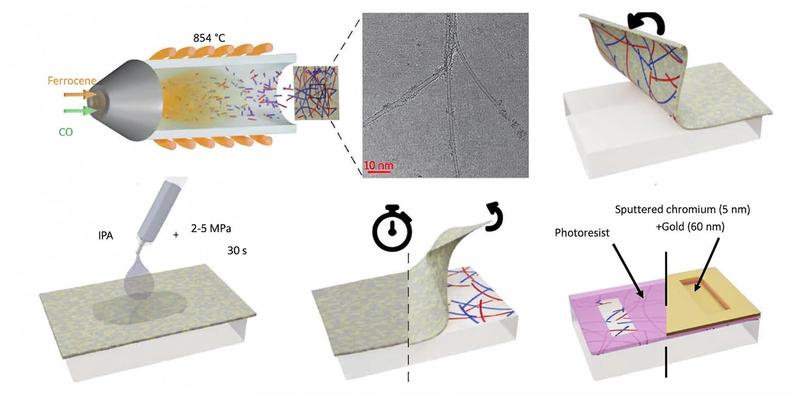
BrandName has introduced a continuous bamboo pyrolysis machine designed to convert waste bamboo materials into biochar. This development is significant for the biochar sector as it offers a sustainable method to recycle flue gas as heating fuel, enhancing the efficiency and environmental impact of biochar production.
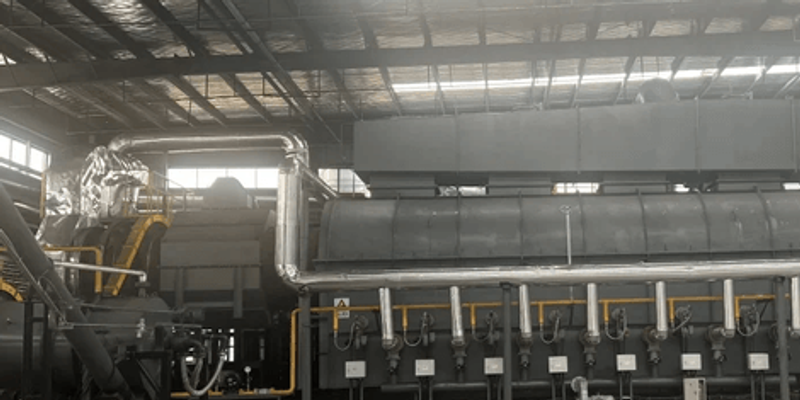
Pure Resources (ASX: PR1) and Rice University have announced peer-reviewed validation of their carbon nanotube fibre (CNTF) technology, highlighting its high thermal conductivity and potential to outperform traditional materials like copper and aluminum. This development is significant for advanced carbon materials as it demonstrates the potential of CNTF to enhance thermal management in applications such as AI data centers, drones, and defense systems.

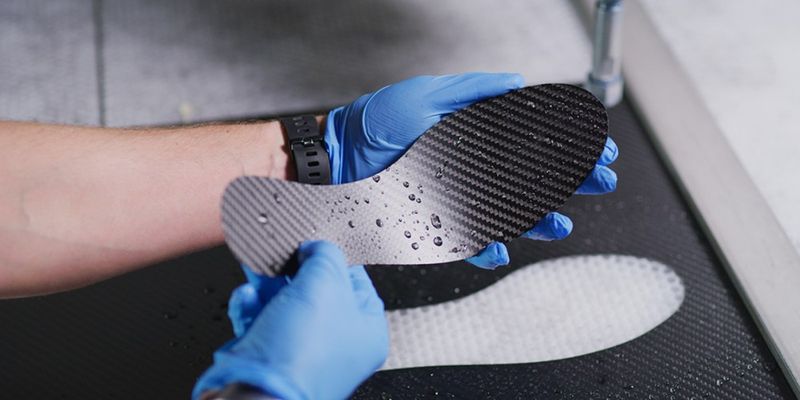
Carbitex has developed a flexible carbon fiber technology that is being utilized in performance footwear, enhancing both comfort and durability. This advancement in carbon fiber applications could lead to broader adoption in industries requiring lightweight and flexible materials, such as sports equipment and automotive components.
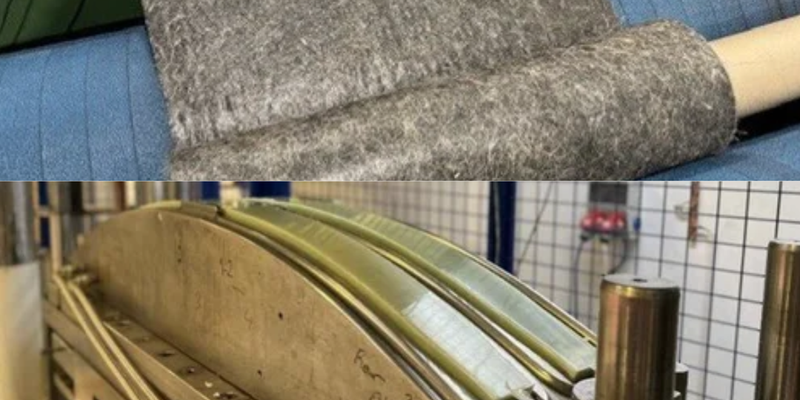
Researchers at the Harbin Institute of Technology and the University of Wollongong interfaced MXene flakes onto fibre fabric to create an ultrafast electron transport layer for energy storage.
Verde Resources and Ergon Asphalt & Emulsions have signed a 10-year agreement to advance the use of engineered biochar in cold paving applications, moving their collaboration into a commercial phase. This development is significant for the advanced carbon materials sector as it tests biochar's practical performance in real-world infrastructure projects, potentially paving the way for wider adoption of carbon-storing materials in road maintenance and construction.

Researchers from the study published in Biochar have demonstrated that using iron and manganese modified biochar (FMBC) with specific irrigation strategies can significantly reduce cadmium and mercury levels in rice grown in co-contaminated paddy fields. This approach could enhance the safety of rice by stabilizing these metals and reducing their uptake, offering a viable solution for managing heavy metal contamination in agricultural soils.
Hexcel will present its advanced composite solutions, including carbon fiber and specialty reinforcements, at the Farnborough International Airshow. This event highlights Hexcel's capabilities in carbon fiber materials, which are crucial for lightweight and high-strength applications in aerospace.

Researchers at Chulalongkorn University used graphene quantum dots as nanoadditives in cement, tailoring interfacial processes during hydration to improve the mechanical performance of the set material.
Carbice has partnered with Noctua to introduce a thermal pad for DIY PC builders that uses vertically aligned carbon nanotube technology. This collaboration brings advanced thermal management solutions, previously used in aerospace and AI infrastructure, to the consumer electronics market.
The FURHY project, funded by the European Union's Horizon Europe program, has released three new key exploitable results, including a hybrid nonwoven material combining recycled carbon fiber and hemp fiber, as it enters its final six months. These developments are significant for the advanced carbon materials sector as they aim to create fully recyclable, bio-based composite materials with reduced carbon footprints, targeting applications in automotive and sports industries.
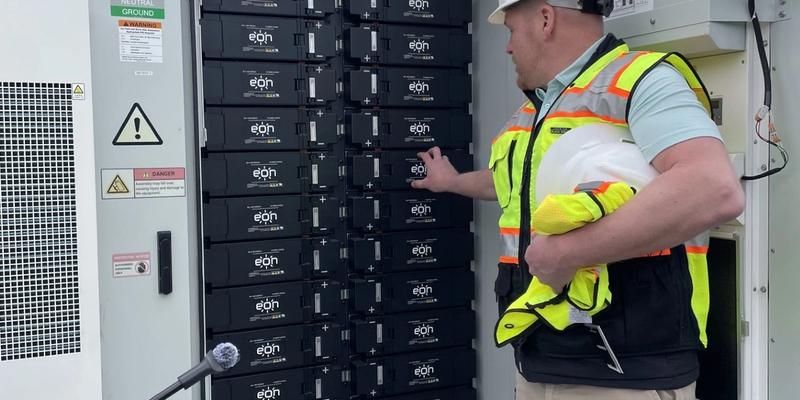
Green Development plans to establish a large battery storage facility at its biochar plant in Quonset. The project could enhance the integration of biochar production with renewable energy storage, potentially increasing efficiency and sustainability in the sector.
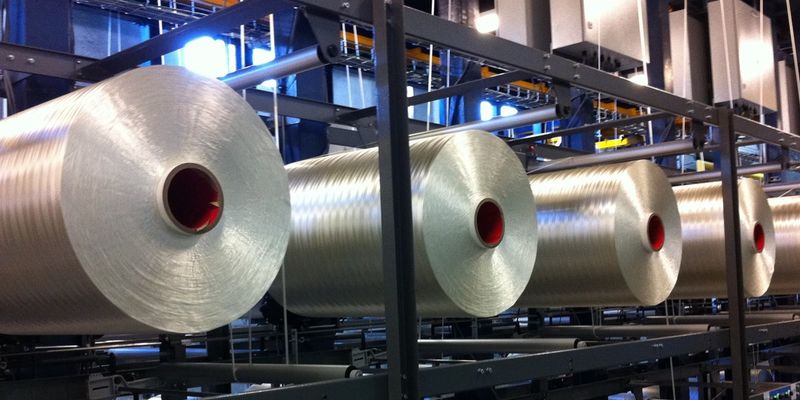
Cygnet Texkimp has introduced a 500-kilogram VHD creel to enhance carbon fiber production efficiency. This advancement is significant for the carbon fiber sector, as it allows for increased production capacity and reduced downtime in manufacturing processes.
The Government of Himachal Pradesh, in collaboration with Dr Y.S. Parmar University of Horticulture and Forestry and ProClime Services Private Limited, has launched India's first indigenous biochar project in Hamirpur district, aiming to convert forest biomass into biochar to reduce fire risks and generate carbon credits. This initiative is significant for the advanced carbon materials sector as it transforms waste biomass into biochar, a stable carbon-rich material, thereby contributing to carbon sequestration and offering a sustainable model for forest management and rural livelihoods.

The article discusses the differences between artificial graphite, made from carbon sources like petroleum coke, and natural graphite, focusing on their applications in the lithium-ion battery industry. Understanding these differences is crucial for battery manufacturers as they select materials that optimize performance, cost, and sustainability in battery production.
Barcelona City Hall, in collaboration with the BIT Habitat foundation and BIMSA, is trialling asphalt mixed with biochar from olive pits and pine biomass, starting in September with monitoring through 2027. This initiative aims to reduce CO2 emissions by up to 76% and store carbon in the road itself, potentially transforming road infrastructure into a long-term carbon sink using biochar.
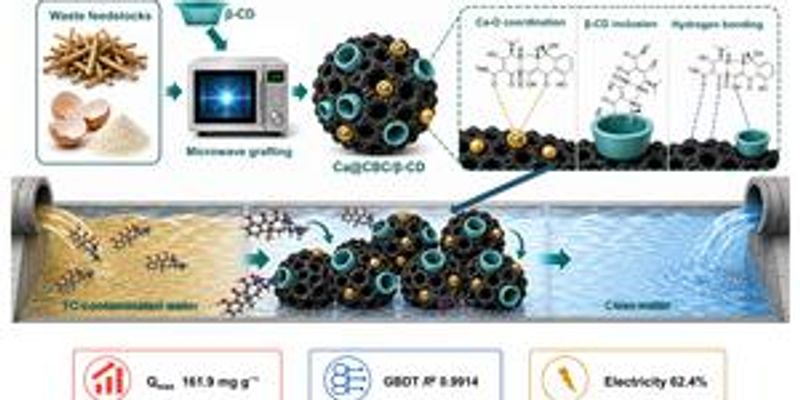
Microwave-assisted, cyclodextrin-modified biochar made from waste cotton stalks and eggshells removes tetracycline from wastewater, with machine learning and life cycle assessment used to evaluate the route.
Contemporary Amperex Technology Co., Limited and CarbonScape have formed a strategic partnership to explore the use of biochar in improving soil health, with initial trials showing a 23% increase in topsoil organic carbon when combined with a 10% reduction in irrigation. This collaboration highlights the potential of biochar as a viable solution for enhancing soil carbon content, which is crucial for sustainable agriculture and carbon sequestration efforts.
Innofibre is collaborating with PyroGenesis to convert biomass into syngas, focusing on the development and commercialization of bio-based products. This collaboration is significant for the advanced carbon materials sector as it enhances the production and application of biochar, a valuable carbon material.
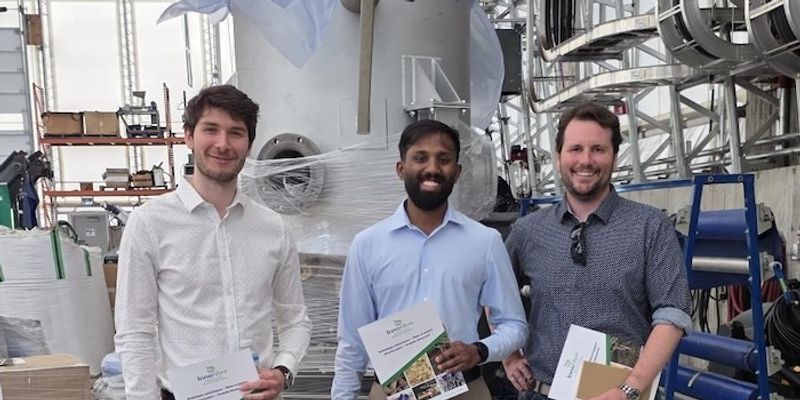
The International Virtual Institute of Global Changes and COMLURB have converted approximately one ton of urban tree trimmings in Rio de Janeiro into 300 kilograms of biochar and pyrolytic oil using pyrolysis. This initiative transforms municipal green waste into valuable resources for soil improvement and energy research, highlighting a sustainable approach to waste management in the carbon materials sector.
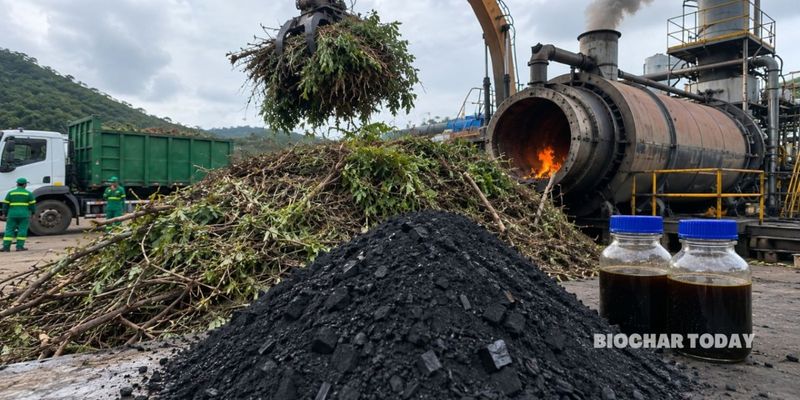
INNANO Ltd has established its operations at Exeter Science Park to further develop its graphene-enabled technologies for next-generation protective coatings. This move supports the advancement of graphene as a smart material, enhancing the protection, durability, and performance of materials in sectors like construction and energy.
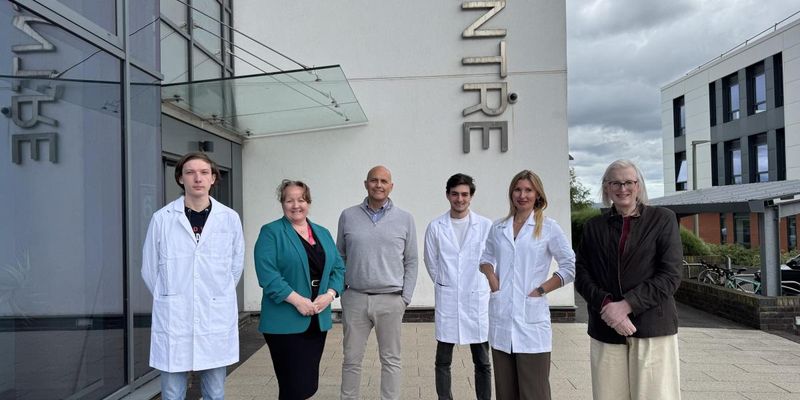
Researchers at Tohoku University have developed a covalent organic framework (COF)-graphene interlayer that significantly reduces polysulfide shuttling in lithium-sulfur batteries, achieving a high reversible capacity of 1455.7 mA h g⁻¹ at 0.2 A g⁻¹. This advancement is crucial for the practical deployment of lithium-sulfur batteries, as it addresses the long-standing challenge of polysulfide migration, potentially leading to more efficient and durable energy storage solutions.
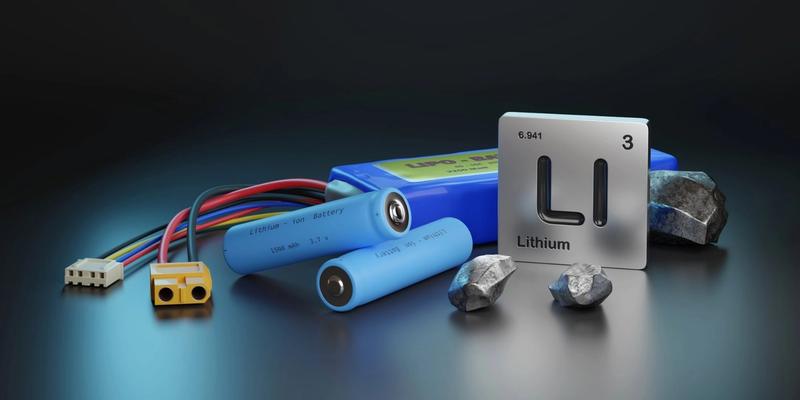
ZNShine Solar has partnered with Solmais to expand the distribution of its photovoltaic modules across Brazil, leveraging Solmais' extensive network. This collaboration is notable for the integration of ZNShine's patented graphene technology, which enhances the efficiency and durability of solar panels.
First Graphene Limited has signed a Memorandum of Understanding with The Sixth Element (Changzhou) Material Technology Co Ltd to distribute its PureGRAPH® CEM additive in China. This agreement targets the cement and concrete sector, offering a significant opportunity for graphene-enhanced materials to reduce carbon emissions in the world's largest cement market.

Researchers at Texas A&M University have developed a new method to produce graphene oxide from methane using a plasma-based reactor, which simultaneously generates hydrogen as a byproduct. This scalable approach could reduce reliance on graphite for graphene oxide production, offering a cost-effective alternative for applications in batteries, electronics, and advanced manufacturing.
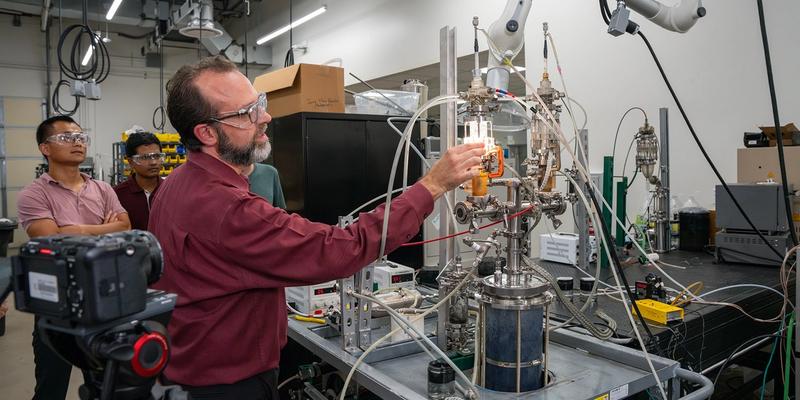
A study of fluoroelastomer compounds reinforced with graphene nanoplatelets finds that platelet size drives the mechanical and thermal performance of the resulting composite.
Researchers at Concordia University have developed a 4D-printing method to create curved blades for vertical-axis wind turbines from flat carbon-fibre composite panels, resulting in blades that weigh 80% less than commercial aluminum blades. This advancement could significantly reduce manufacturing costs and promote the use of lightweight carbon-fibre composites in renewable energy systems.
Durian peel pyrolysis yields both bio-lubricants and biochar, and a tribological analysis assesses how each performs, pointing to a use for a plentiful fruit-processing waste.
TCMC has launched Carbonix Materials to develop a U.S. supply chain for graphene. This initiative aims to enhance the availability and integration of graphene in advanced carbon materials, particularly benefiting applications in composites and electronics.
The Multifunctional Fuselage Demonstrator, conceived in 2014 under the EU's Clean Sky 2 initiative, is the largest welded thermoplastic composite aircraft structure ever built. A decade of its development is now under review.
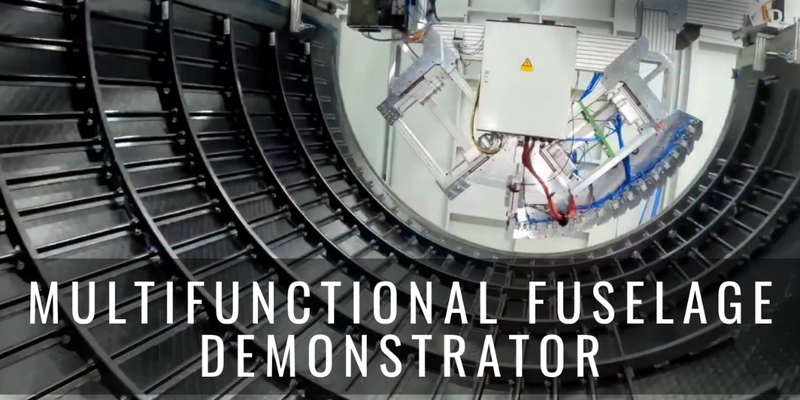
Researchers at Concordia University have developed a 4D-printing method for carbon-fibre composite panels that makes small vertical-axis wind turbine blades lighter, cheaper and easier to produce.
Nandina REM and Odyssey Space are collaborating to explore the use of recycled carbon fiber in spacecraft applications. This initiative could enhance the sustainability and cost-effectiveness of spacecraft manufacturing by utilizing recycled materials.

A team of University of Central Florida graduates has developed a method to convert seaweed into coatings for carbon fiber and metals at their Lake Nona materials lab. This innovation could enhance the sustainability and functionality of carbon fiber composites used in various industries.

Coffee!Up in the Czech Republic is transforming used coffee grounds into products like natural soap, coffee oil, biomass, and biochar, as highlighted by the European Commission. This initiative is significant for the advanced carbon materials sector because it demonstrates the potential for waste coffee grounds to be converted into valuable materials such as biochar, which can improve soil health and contribute to carbon sequestration efforts.

AwesomeRay is advancing the industrialization of carbon nanotubes in South Korea, focusing on applications in semiconductors and defense. This development is significant for the carbon nanotube sector as it could lead to enhanced performance and new capabilities in these high-tech industries.
Researchers at the University of Lisbon have developed a new graphene-based composite material that significantly enhances the strength-to-weight ratio of military aircraft components. This advancement could lead to lighter, more durable aircraft structures, improving fuel efficiency and performance in military aviation.
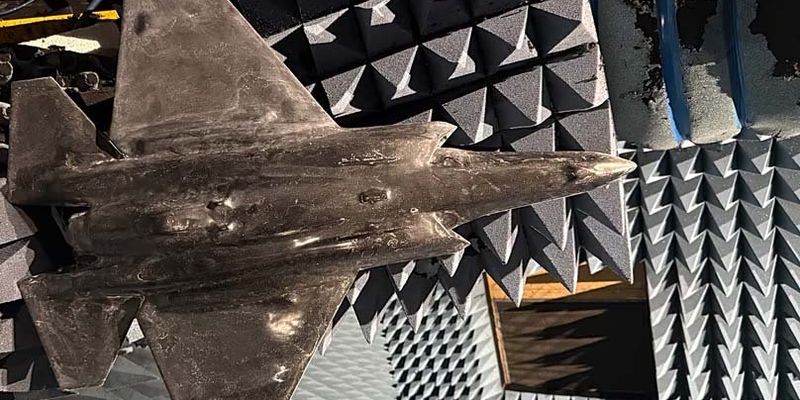
CCIC and UNNC have introduced a recycled carbon fiber manufacturing platform at the SAMPE China 2026 Conference, addressing four major industry challenges including extreme energy use. This innovation is significant for the carbon fiber reinforced polymer (CFRP) sector as it promises to reduce costs and carbon emissions associated with production.
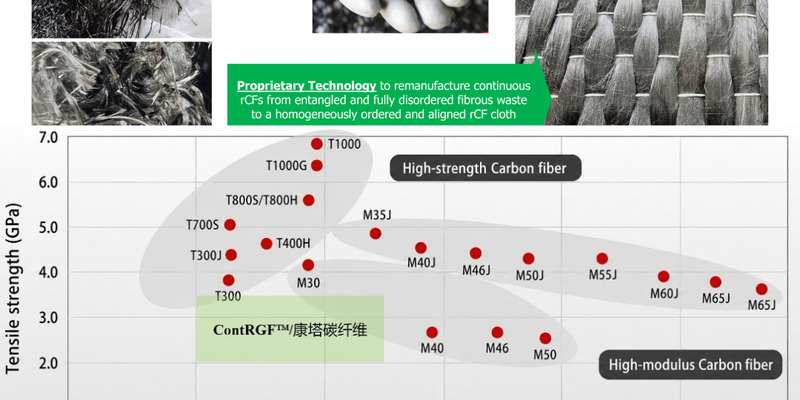
Researchers at the International Virtual Institute of Global Changes, COPPE/UFRJ, in partnership with COMLURB, have converted one ton of urban pruning waste in Rio de Janeiro into approximately 300 kilos of biochar and pyrolytic oil. This initiative demonstrates the potential of using urban plant waste as a raw material for producing carbon-rich biochar, which can be used as a soil conditioner and for carbon storage, contributing to sustainable waste management and decarbonization efforts.
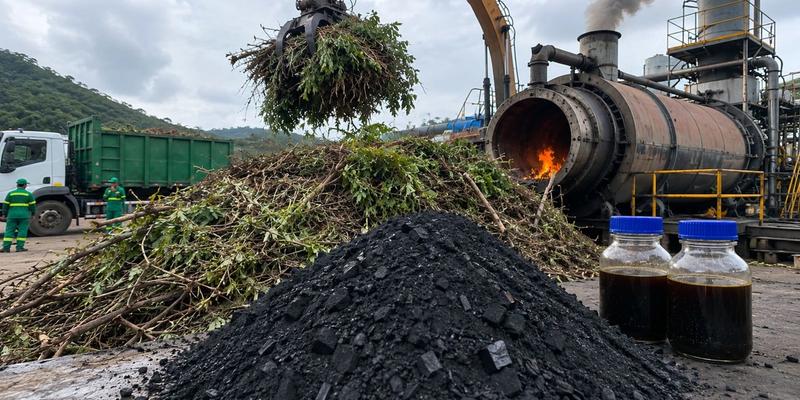
Researchers at the Vietnam Academy of Science and Technology have developed a sensor electrode using a composite material of graphene, carbon nanotubes (CNTs), and gold nanoparticles that can detect pesticide residues at concentrations as low as parts per billion (ppb). This advancement is significant for the field of advanced carbon materials as it enhances the sensitivity and functionality of sensors, contributing to improved agricultural product monitoring and food safety.
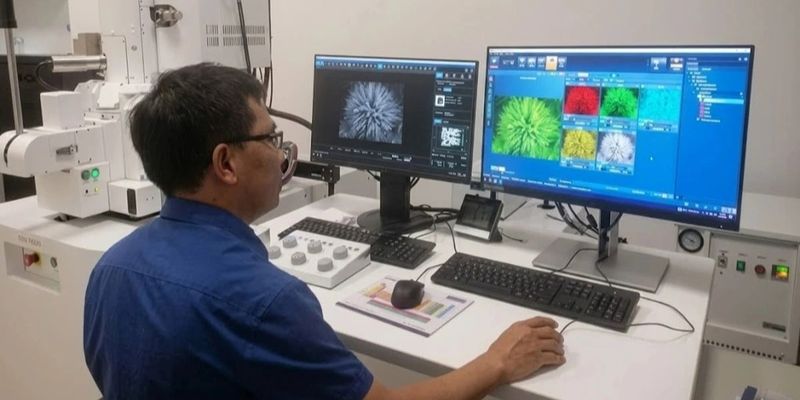
A physics-informed machine learning model optimises biochar production for water treatment, aiming to close the gap between laboratory results and large-scale application.
Researchers at Van Yüzüncü Yıl University fabricated twelve carbon nanotube-modified PVC/PMMA nanocomposites at three PVC ratios, characterising how the nanotubes change thermal and electrical behaviour.
Researchers have identified several uses for Fullerene C70 in organic photovoltaics, organic electronics, and advanced nanomaterials, noting its unique elongated carbon cage structure and electron-accepting behavior. This matters because C70's distinct optical and electronic properties, compared to C60, make it a valuable material for studying and optimizing charge transport and light absorption in these advanced carbon-based applications.
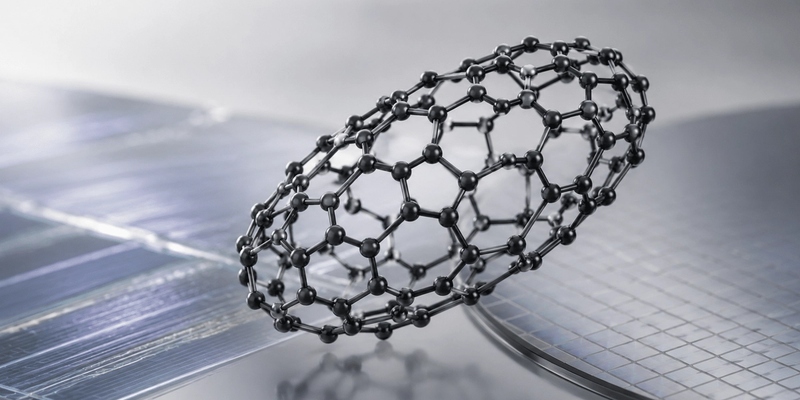
Composites reinforced with graphene and multi-walled carbon nanotubes are reshaping defence and aerospace design, where strength-to-weight now counts for more than the tonnage of steel and platforms.

Cygnet Texkimp has developed a 500kg VHD PAN precursor unwinding creel aimed at enhancing efficiency in carbon fibre production. This innovation is significant for carbon fibre manufacturing as it allows for the handling of larger precursor volumes, potentially reducing production downtime and costs.
Ant Studio in Noida has designed a sustainable home for Kamran Haider using green cement and biochar to offset carbon emissions. This approach highlights the potential for advanced carbon materials like biochar to enhance sustainability in building design by reducing embodied carbon and improving energy efficiency.

A study of 38 steel I-beam models assesses how unbonded carbon fibre reinforced polymer strengthening affects bending performance, varying CFRP thickness, elastic modulus and type.
Penguin Shipyard International has completed and delivered the largest composite superstructure ever built in Singapore for the Republic of Singapore Navy's new Multi Role Combat Vessel, with the first of six structures handed over to Saab on June 27, 2026. The use of carbon fiber composites in the superstructure reduces weight and radar cross-section, enhancing the ship's stability and stealth capabilities compared to conventional steel designs.
A nano-biochar soil amendment cut reactive gaseous nitrogen losses and raised grain yield, addressing the limited effectiveness of conventional biochar in reducing nitrogen emissions.
Evonik has introduced VISIOMER Terra HEMA-P100, a bio-based specialty methacrylate designed to enhance sustainability in various applications. This development is significant for the advanced carbon materials sector as it supports the integration of bio-based carbon content, potentially impacting the production and sustainability of carbon fibre composites.

Researchers at Beijing Renhe Information Technology Co., Ltd. have developed a new CNT/BC composite hydrogel membrane, designated CBC4. This material could enhance the mechanical properties of carbon nanotube-based composites, offering potential improvements in strength and flexibility for various applications.
A machine learning model predicts how stress evolves inside carbon fibre reinforced polymer microstructures, linking microscopic behaviour to the macroscopic performance of the composite.
Bakkafrost Scotland showcased its Applecross recirculating aquaculture system (RAS) facility during a visit by Scotland’s marine minister, highlighting its strategy of rearing salmon longer in freshwater conditions. The facility plans to install pyrolysis technology to convert hatchery waste into biochar, aligning with efforts to reduce environmental impact and enhance sustainability in aquaculture.

Researchers have synthesized a waterborne polymer/reduced graphene oxide (rGO) nanocomposite. This development is significant for the production of environmentally friendly coatings and materials utilizing graphene's unique properties.
A hybrid electrode pairing VS2 nanosheets with porous graphitic carbon nitride nanotubes speeds charge transport, improving the rate performance of solid-state supercapacitors.
Researchers at the University of California at Los Angeles have discovered how graphene oxide (GO) can enhance concrete strength, achieving a more than 20% increase in 28-day compressive strength with just 0.05 wt.% GO dosage. This insight into GO's mechanisms of hydration-seeding and pore-refinement could lead to more effective applications of GO in commercial concrete, optimizing its use for improved structural performance.
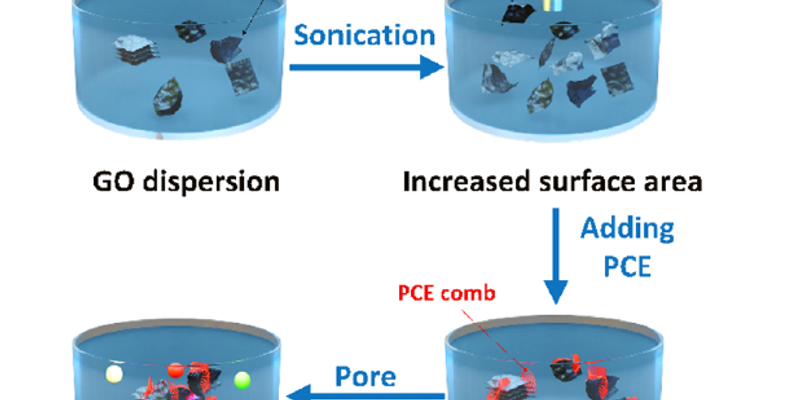
Integrals Power has been selected as the LMFP supplier for the EU-funded OLiMPUS battery project, which aims for mass production in Europe by 2032. This development is significant for the advanced carbon materials sector as it involves synthetic graphite anodes, which are crucial for reducing the carbon footprint and enhancing the sustainability of battery production.
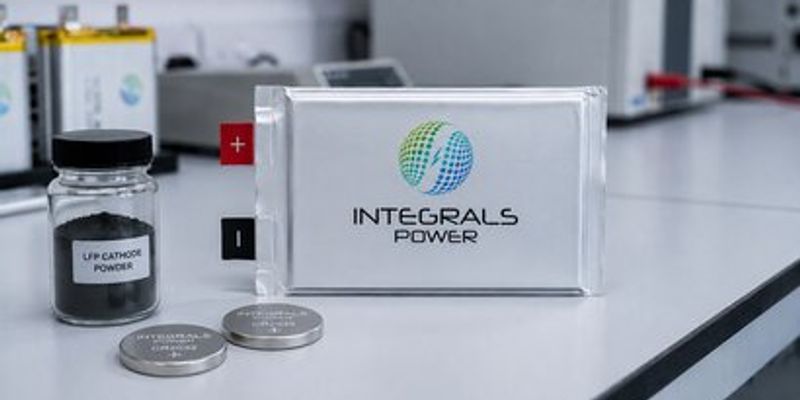
Bcomp has supplied its AmpliTex biocomposites for BMW's M Concept Neue Klasse. This development highlights the potential of biocomposites as an alternative to carbon fiber, offering advantages in weight, safety, and functionality.
Researchers from China and Russia have developed stretchable metasurfaces using single-walled carbon nanotube (SWCNT) film, achieving dynamic terahertz wavefront manipulation at 0.35 THz. This advancement is significant for the development of smart, wearable THz components in 6G communication and intelligent sensing applications.
Hexagon Composites has developed larger Type 4 composite pressure vessels utilizing carbon fiber-reinforced polymer (CFRP) to meet increasing demands in data centers and space applications. This advancement in CFRP technology allows for lighter and more efficient storage solutions, crucial for industries requiring high-performance materials.
Researchers at CEA-Leti and CRHEA/CNRS grew InGaN nanopyramids through a patterned graphene monolayer on SiC, achieving red, green, and blue emission from a single epitaxial growth with an indium content up to 45 percent in the quantum wells. The approach uses graphene as a selective-area growth mask to produce relaxed InGaN pseudo-substrates, addressing the long-standing efficiency drop in InGaN-based red emitters that has blocked monolithic full-colour microLED integration for AR displays.
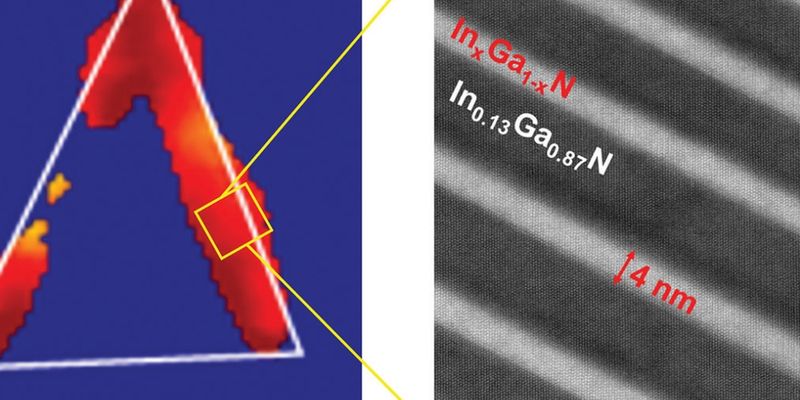
Aerospace Manufacturing reports that drilling carbon fibre reinforced polymer (CFRP) aerostructures at production pace remains a bottleneck in assembly processes. This challenge affects the efficiency of manufacturing advanced composite materials used in the aerospace industry.
Researchers prepared 4D-printed shape memory polyurethane nanocomposites containing 0.25 to 1.0 wt% multi-walled carbon nanotubes by solvent casting, characterising the effect on mechanical and shape-recovery behaviour.
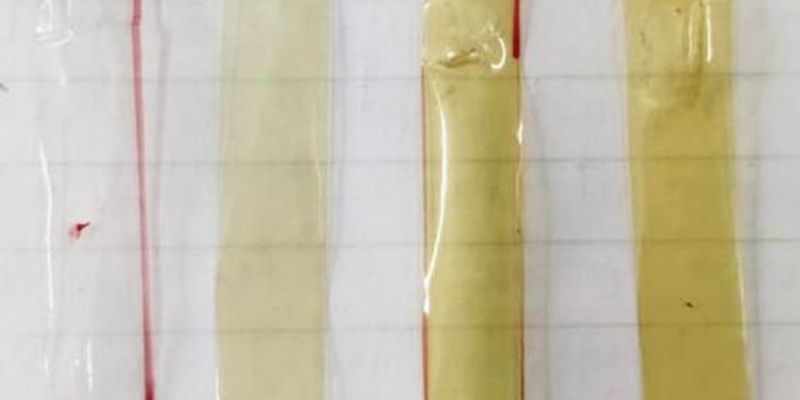
Researchers at UCLA have demonstrated that adding 0.05 percent graphene oxide by weight to concrete can increase its 28-day compressive strength by over 20 percent. This finding clarifies graphene oxide's role in enhancing concrete strength, potentially paving the way for its effective commercial application in construction.
Sparc Technologies announced the expansion of its graphene additive range with a product line called Sparces on June 29, 2026. The move broadens the company's graphene additive offerings, which are relevant to composite and materials manufacturers seeking graphene-based performance enhancements.
Researchers at the Netherlands Lattice Research (NLR) have demonstrated that entropy can facilitate charge separation in single-walled carbon nanotubes (SWCNTs) by attaching a negatively charged dodecaborane structure. This finding could enhance the efficiency of carbon nanotube-based semiconductors, potentially impacting electronics and energy applications.
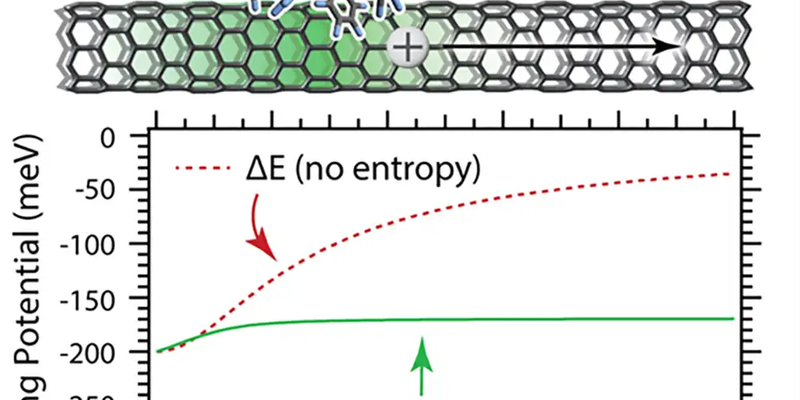
GTechPlasma, a spin-off from Instituto Superior Técnico in Lisbon, has developed a plasma-produced graphene powder that its researchers estimate could reduce an F-16's radar signature to that of a bird, and has already supplied 260 grams of the material to a Portuguese drone manufacturer. The development is notable for the graphene sector because it demonstrates a tunable, plasma-based production process capable of reaching 40 milligrams per minute, with industrialization underway through partner company Plasmaphene, targeting a market—radar-absorbent coatings—currently restricted to U.S. suppliers.
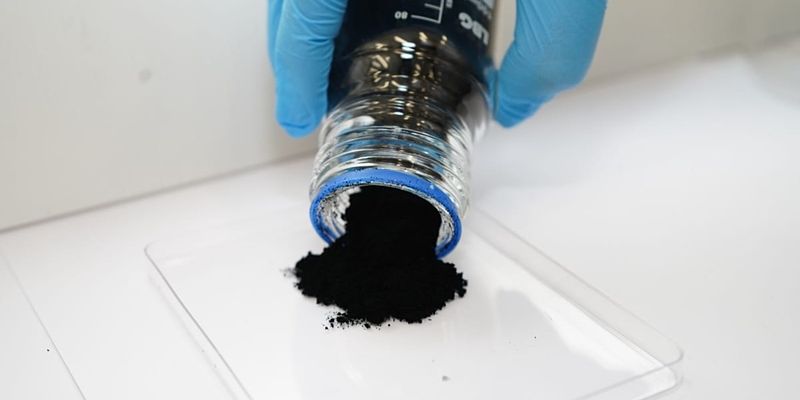
Researchers at an unnamed institution have developed a photoregenerable β-Ga₂O₃-functionalized biochar that captures and breaks down PFOS, a persistent "forever chemical," under UV light. This advancement could significantly enhance the use of biochar in water treatment applications, addressing contamination by PFOS and potentially other similar pollutants.
Sparc Technologies launched SparcES™, a graphene additive range for ESD and conductive coatings targeting data centres, semiconductor facilities and EV battery plants, following 24 months of internal conductivity testing. The range positions graphene as a potential lower-dosage alternative to carbon black, graphite, carbon nanotubes and metal nanowires in a global ESD and conductive coatings market estimated at US$1.2 billion in 2026.
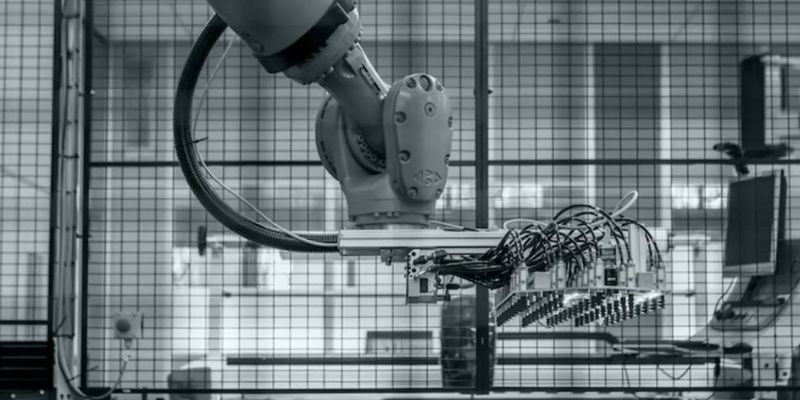
A biochar-enhanced three-dimensional conductive network improves the kinetics of thick electrodes, addressing a bottleneck in the efficiency of lithium extraction.
Researchers have developed an electrified process to convert CO2 and biochar into carbon monoxide and activated carbon. This advancement could enhance the production of activated carbon, a material crucial for water treatment, metals recovery, and air purification.
Cal Poly Pomona's College of Engineering received a $198,100 grant from the DENSO North America Foundation to fund advanced manufacturing equipment, including a large-scale carbon fiber 3D printer and an industrial multi-material printer, for student use. The addition of industrial-grade carbon fiber 3D printing at the undergraduate level expands hands-on access to composite fabrication technology that is otherwise largely confined to professional industry settings.
Researchers studied the electro-optic properties of graphene oxide liquid crystals (GO-LCs) dispersed in organic solvents, extending prior work beyond aqueous systems. The findings are relevant to the graphene sector as they inform the development of GO-LC-based low-power display and electro-optic device applications.
Researchers tested M30 grade concrete mixes replacing partial cement with biochar and anatase-phase TiO₂ nanoparticles, finding that a 1% BC + 0.5% TiO₂ mix achieved 41.19 MPa compressive strength at 7 days but exhibited strength regression by 28 days due to thermal eigenstress and micro-cracking at biochar–paste interfaces. The findings highlight a durability limitation for biochar-based concrete composites, indicating that nano-TiO₂ accelerates early hydration at the cost of long-term mechanical performance.

Researchers published findings in February 2025 in Photonics on laser power modulation of fiber coated with multilayer graphene using lithium intercalation methods. The work identifies transport-defined lithium intercalation states in multilayer graphene, which has implications for tunable graphene-based photonic and fiber optic components.
Researchers developed a biochar-based catalyst to convert microalgae into cleaner fuels, as reported on June 30, 2026. This advances biochar's role beyond soil amendment into catalytic applications, expanding its relevance within the advanced carbon materials sector.
Researchers at Gannan Medical University and Shanghai University developed a gold nanoparticle–graphene oxide quantum dot (AuNPs/GOQDs) Schottky junction nanocomposite that achieved over 97% bacterial eradication in vitro and approximately 99% wound closure in mice within 9 days under 460 nm LED irradiation. The work advances graphene quantum dot applications by demonstrating that pairing GOQDs with AuNPs suppresses charge recombination to boost reactive oxygen species output while simultaneously enhancing photothermal conversion, offering a drug-free pathway to address multidrug-resistant infections.
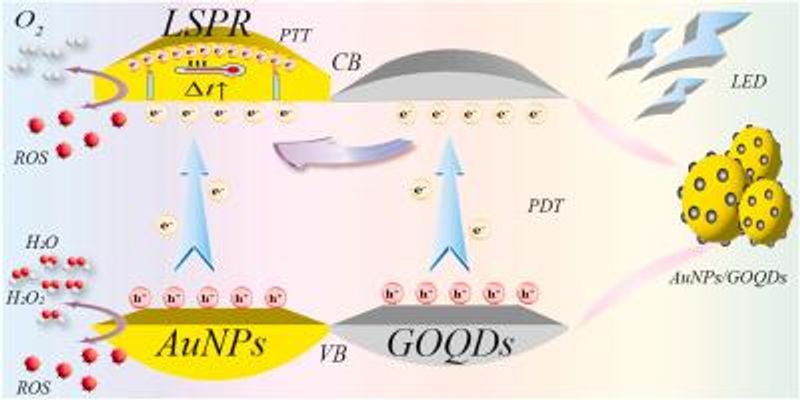
Researchers functionalized fabric with reduced graphene oxide (RGO) and MWCNT-CuxO composites to create a flexible, non-enzymatic glucose sensor. The work advances carbon nanotube and graphene applications in wearable electrochemical sensing for health monitoring.
OCSiAl has been named a single-wall carbon nanotube supplier to Volkswagen Group's battery subsidiary PowerCo for its Unified Cell platform, with supply coming from OCSiAl's audited production facility in Serbia. The deal extends single-wall carbon nanotube use into a major European automaker's standardized battery platform, where the material serves as a conductive additive in graphite anodes to improve conductivity, heat dissipation, and fast-charging performance.
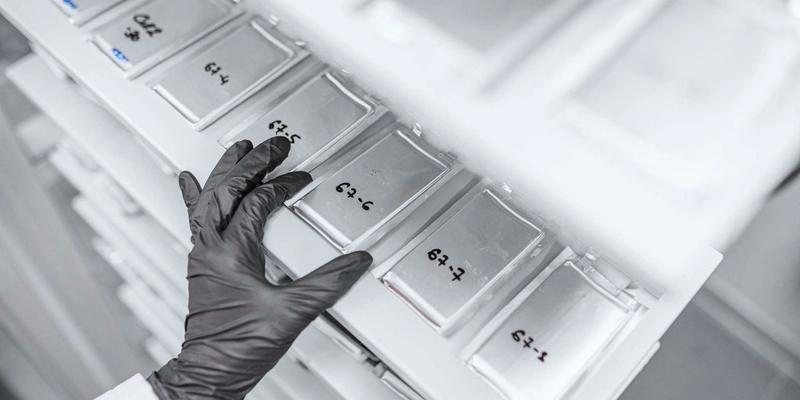
HydroGraph Clean Power Inc. commercially launched Fractal Graphene Paste, a 20% graphene-by-weight aqueous dispersion with a 99.8% carbon purity and over two-year shelf life, and has supplied samples to more than 30 customers. The product targets the graphene sector's core adoption barrier—dispersion difficulty—by delivering a stable, ready-to-use concentrate compatible with standard mixing equipment, which could accelerate graphene uptake in composites, coatings, and construction materials.

Zhongfu Shenying commissioned three high-performance carbon fiber production lines in Lianyungang, Jiangsu on June 28, comprising a 1,000-ton/year T1100-grade aerospace line, a 5,000-ton/year 48K large-tow line, and a 600-ton/year M40 high-modulus line, as the first phase of a CNY6 billion project targeting 30,000 tons of annual capacity. The lines expand China's domestic supply of high-grade carbon fiber across aerospace, wind energy, hydrogen storage, and EV applications, reducing reliance on foreign sources for critical materials.
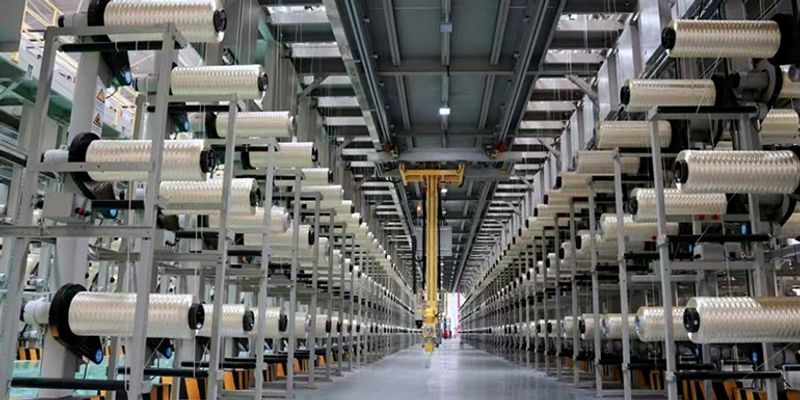
Researchers applied the Small Perturbation Method to analytically and numerically model how Gaussian surface roughness affects bistatic scattering coefficients, transmission coefficients, and shielding effectiveness for copper and graphene slabs across radio-frequency to near-infrared ranges. The findings provide design guidelines for tuning graphene-based shielding and optical devices by adjusting chemical potential, temperature, and layer count alongside surface roughness parameters.
Paragraf, a graphene electronics foundry based in Cambridgeshire, UK, has formed a new Advisory Committee comprising Oreste Donzella, Jean-Michel Richard, and Thomas Piliszczuk, with Donzella and Richard also joining the board as non-executive directors. The appointments signal Paragraf's push to scale graphene semiconductor manufacturing and expand into global electronics markets, drawing on advisors with deep experience at firms including Texas Instruments, Micron, KLA, and imec.

Researchers integrated carbon nanotubes into an on-chip topological photonic system to enable electrical tuning of photonic properties. This demonstrates a functional role for carbon nanotubes in reconfigurable photonic devices, expanding potential applications beyond electronics and conventional optical components.
Researchers at Kyiv Aviation Institute published a review of 2021–2026 experimental studies on multi-walled carbon nanotubes (MWCNTs) in reinforced concrete, finding that dosages of 0.05–0.15% by weight of binder increase crack initiation moment by 20–42% and reinforcement bond strength by 16–35%. The findings support broader use of carbon nanotubes as a concrete additive, with identified synergistic effects when combined with fiber reinforcement or micro-fillers offering a pathway to more ductile structural composites.

AMSA, ELSAN, and the Universitat Politècnica de Catalunya developed an asphalt mixture incorporating biochar derived from olive pits and pine residues via pyrolysis, with lab tests showing up to 75% emissions reduction in the treated pavement layer. The development expands biochar applications into road construction, positioning agricultural and forestry waste as a carbon-sequestering input for infrastructure materials.
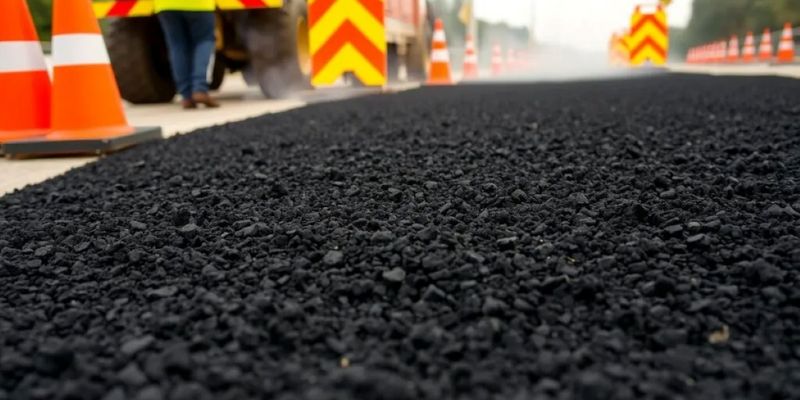
Researchers at ICN2, led by Jose A. Garrido, are developing graphene-based thin film devices for neural stimulation and recording, with work spanning device fabrication, in vivo testing in rodent and large-animal models, and clinical translation efforts. The work demonstrates a pathway for graphene to move from laboratory research into regulated medical devices, advancing the material's role in bioelectronics beyond conventional carbon fiber or composite applications.
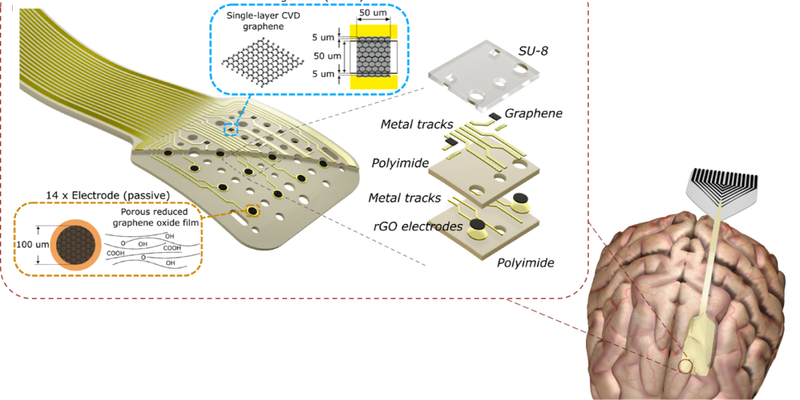
INBRAIN Neuroelectronics completed enrollment of ten patients (eight treated) in a first-in-human trial of its graphene cortical interface, conducted during brain tumor resection surgeries at Northern Care Alliance NHS Foundation Trust, with no device-related adverse events or perioperative failures observed. The results support graphene as a viable electrode material for neural interfaces, with implications for the graphene sector as the technology advances toward clinical commercialization in brain-computer interface applications.
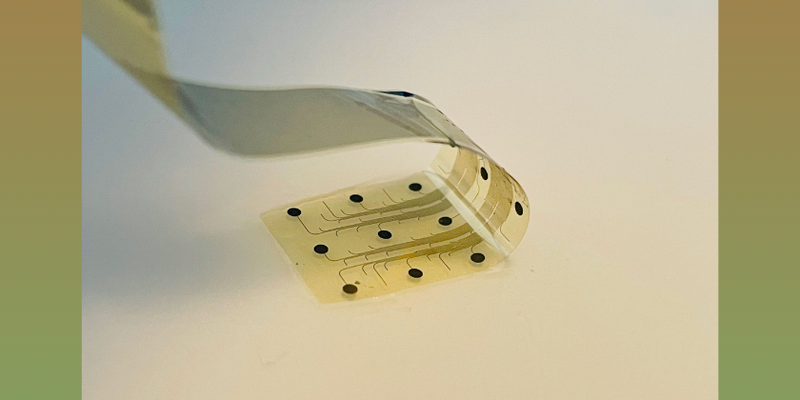
ECS Composites, headquartered in Grants Pass, Oregon, announced advances in its carbon fiber composite enclosures for military applications, claiming weight and thickness reductions of up to 50% compared to traditional fiberglass designs. The development reflects demand for lighter carbon fiber composites in defense protective systems, where weight reduction without loss of structural integrity is a key performance requirement.

The MXeneCatSus COST Action is a European research network established to engineer MXene-based catalysts—two-dimensional materials made from Earth-abundant elements—for hydrogen generation, CO2 conversion, and nitrogen fixation. The initiative is relevant to advanced carbon materials research as MXenes share structural and functional characteristics with other 2D carbon materials and are being developed as alternatives or complements to graphene in catalytic applications.

Professor Chang Liu of the Institute of Metal Research, Chinese Academy of Sciences presented research at an NTU MSE seminar on SWCNT-based hybrid materials, including a SWCNT/Cu core-shell fiber with a specific electrical conductivity of 1.15×10⁴ S m² kg⁻¹ and FeCl3-filled CNT fibers reaching 1.35×10⁷ S m⁻¹ conductivity and 2.54 GPa tensile strength. The work advances CNT fiber and film applications in electrical conductors, thermoelectric devices, and electrocatalysis by addressing the longstanding dispersion challenge that has limited SWCNT composite development.
US NIOSH researchers measured occupational exposures to graphene family nanomaterials (GFN) across 11 manufacturing facilities, finding that 38% of respirable samples and 53% of inhalable samples exceeded the suggested occupational exposure band of <10 µg/m³. The findings indicate that graphene producers and downstream processors face uncontrolled worker exposure risks, with primary manufacturers showing higher inhalable concentrations due to handling dry powdered materials.
Boeing and Mitsubishi Chemical Advanced Materials are testing prototype cabin sidewall panels made from pyrolysis-derived recycled carbon fiber under Mitsubishi's KyronTEX material line, while separate simulation research found a scaled-down wing spar built from recycled carbon fiber performed within acceptable stress margins compared to a virgin-fiber equivalent. Recycled carbon fiber remains limited to non-structural or secondary aerospace applications due to unresolved fiber length, alignment, and surface sizing deficiencies, with primary structural qualification requiring years of additional testing and supply chain development.
Researchers at the University of Aveiro developed 3D-printed filters from bauxite refining waste (red mud) that removed over 90% of the antibiotic ciprofloxacin within one hour under UV light. The work demonstrates a functional application for carbon nanotubes in photocatalytic water treatment using industrial byproducts, with the material retaining performance across multiple decontamination cycles.

EPFL researchers, led by Nikita Kavokine at the Quantum Plumbing Lab, are studying water confined to nanometer-scale channels and found that electromagnetic coupling between water molecules and channel wall electrons creates a friction mechanism not predicted by classical hydrodynamics. For the carbon nanotubes sector, this work helps explain the anomalously fast water flow observed through carbon nanotubes and points toward nanotube-based systems capable of converting hydraulic energy or improving filtration efficiency.
KB-Element will exhibit its non-oxidized graphene products, including graphene masterbatch pellets, at Nano Korea 2026 in Goyang, South Korea, from July 8 to 10. The company's plasma-based exfoliation process cuts production costs to roughly one-tenth of conventional methods, and its masterbatch format addresses graphene's longstanding dispersion challenges in polymer composites.
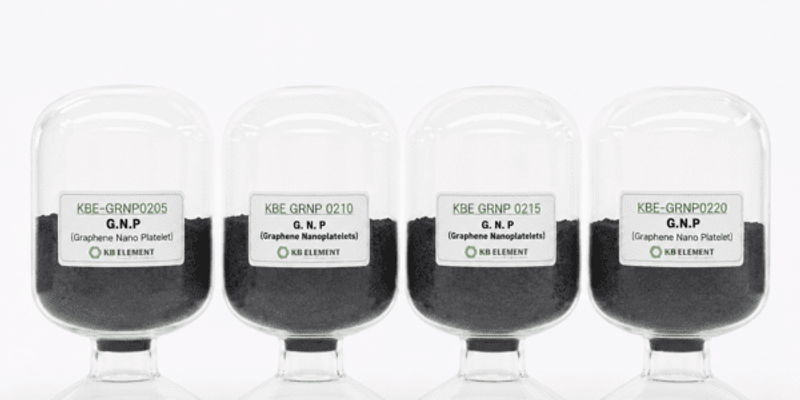
Shenzhen MASTERMATE Technology Co., Ltd., an ISO 9001-certified carbon fiber OEM/ODM manufacturer founded in 2014, produces custom carbon fiber products including drone frames, automotive parts, helmets, and jewelry for clients in over 100 countries. The company's broad custom manufacturing capabilities across autoclave molding, CNC machining, and forged carbon reflect continued demand for flexible, small-to-mid-scale carbon fiber production partnerships among global brands.
Researchers from Cambridge, Harvard, Caltech, and the Max-Planck Institute for Polymer Research published findings in Science Advances showing that nanoconfined water's apparent chemical reactivity is driven by pressure and surface chemistry rather than confinement itself, with hydroxide ions bonding to hexagonal boron nitride walls but not to inert graphene. The work offers a design principle for tailoring water reactivity by selecting confining materials and controlling internal pressures, with direct relevance to graphene-based membranes, carbon electrodes in batteries and fuel cells, and the broader development of two-dimensional carbon and carbon-adjacent materials for electrochemical applications.

Gyeongsangbuk-do Province secured 30 billion won in South Korean state funds across three projects targeting graphene 2D nanomaterials, ultra-precise electronic glass, and on-device AI for manufacturing, running from 2026 to 2030. The graphene project, organized by POSTECH Nano Convergence Technology Institute with 14.3 billion won, aims to build Korea's first end-to-end infrastructure covering graphene synthesis through to commercialization, addressing the country's longstanding gap between R&D capability and industrial-scale production.
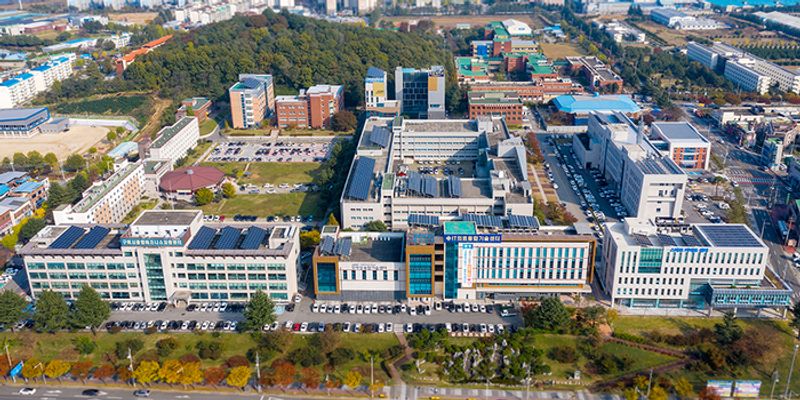
PowerCo, Volkswagen Group's battery subsidiary, selected OCSiAl to supply TUBALL single-wall carbon nanotube additives for the graphite anodes of its Unified Cell platform, manufactured at OCSiAl's Serbia facility. The deal expands the role of single-wall carbon nanotubes in large-scale EV battery production, with OCSiAl now supplying the majority of European EV battery manufacturers and planning a $300 million graphene nanotube facility in Luxembourg.
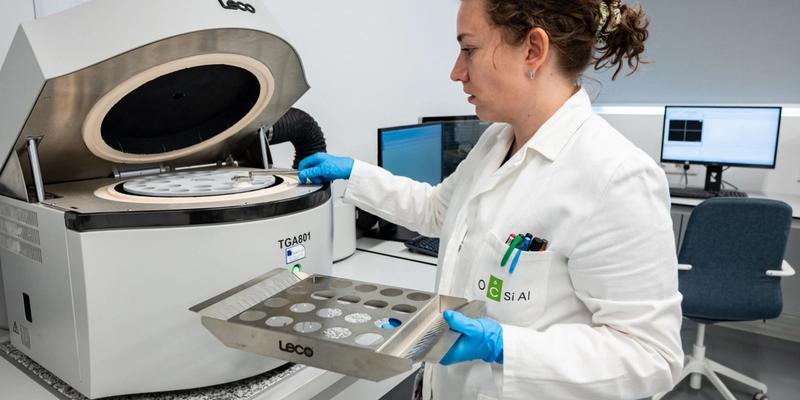
The Boeing 787 and Airbus A350 use carbon-fiber-reinforced composite materials for roughly 50% of their airframe by weight, making tail strike damage harder to detect and repair than on metal-fuselage aircraft like the Boeing 777, as illustrated by an Air France A350 that required nearly ten months of repairs after a 2024 tail strike in Toronto. For the carbon fiber composites sector, the article highlights that barely visible impact damage, complex non-destructive inspection requirements, and process-sensitive repair procedures drive significant maintenance downtime and cost, underscoring the need for advanced damage detection and repair capabilities in aerospace composite applications.

Researchers at ICFO and partner institutions built a monolayer graphene terahertz photodetector using acoustic graphene plasmon cavities grown via chemical vapor deposition, achieving a 30% higher photoresponse than conventional devices without hexagonal boron nitride encapsulation, published in ACS Photonics in 2026. The result shows that CVD-grown graphene can deliver competitive THz detection performance without the fabrication complexity of hBN encapsulation, lowering a barrier to large-scale graphene device manufacturing.
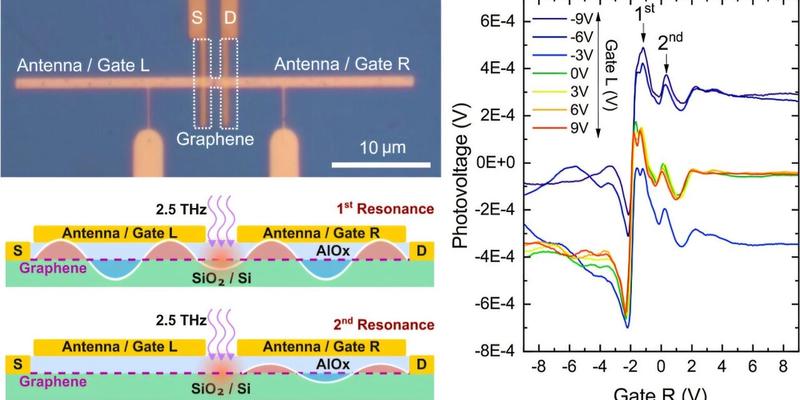
Canada's graphene sector has developed across production, construction, filtration, printed electronics, and energy storage, with companies such as NanoXplore operating a 4,000-metric-ton-per-year facility in Montréal and firms like Zentek and Graphene Leaders Canada advancing application-specific products toward commercial deployment. The ecosystem signals a shift from materials science demonstration toward repeatable industrial use cases in carbon-based composites, conductive additives, and separation technologies, though commercial viability still depends on product qualification, standardization, and cost competitiveness against incumbent materials.
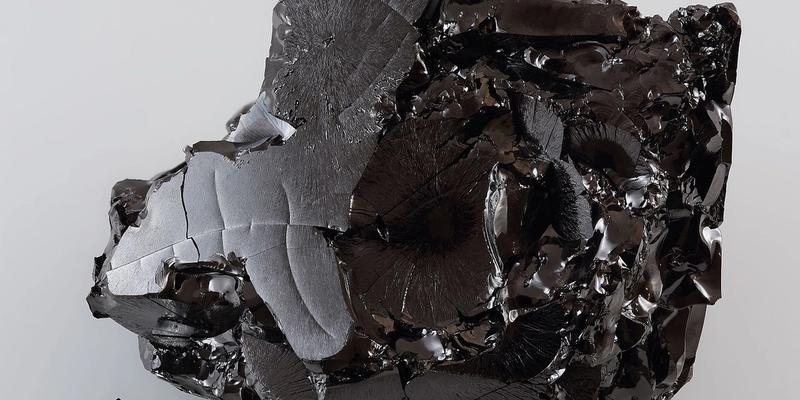
Researchers and engineers are evaluating graphene oxide and reduced graphene oxide as adsorbents, antifouling coatings, catalytic supports, and modified membrane layers within industrial water treatment systems targeting COD removal, biofouling control, and reverse osmosis feed protection. The graphene sector faces a clear scaling challenge, as industrial adoption of these carbon nanomaterials depends on demonstrating mechanical stability, resistance to chemical cleaning cycles, controlled delamination, and validated cost-per-cubic-meter performance in pilot tests using real effluent matrices.
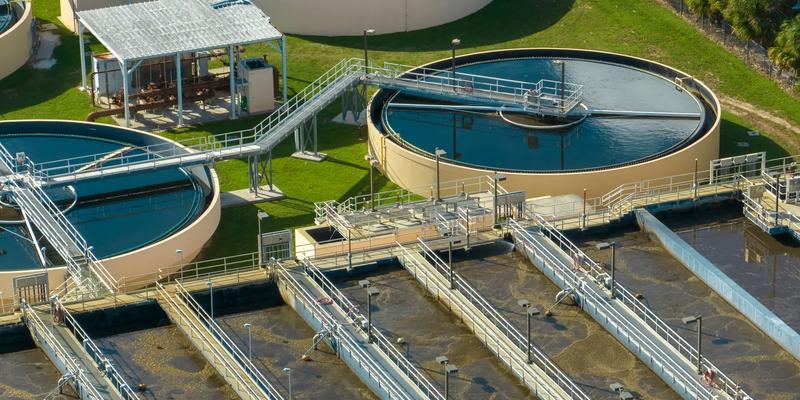
Zhongfu Shenying opened three aerospace-grade carbon fiber production lines in Lianyungang, China, reducing the country's reliance on Japanese Toray and U.S. suppliers. The expansion increases domestic supply of high-performance carbon fiber, shifting sourcing leverage away from foreign producers in a sector critical to aerospace and defense composites.
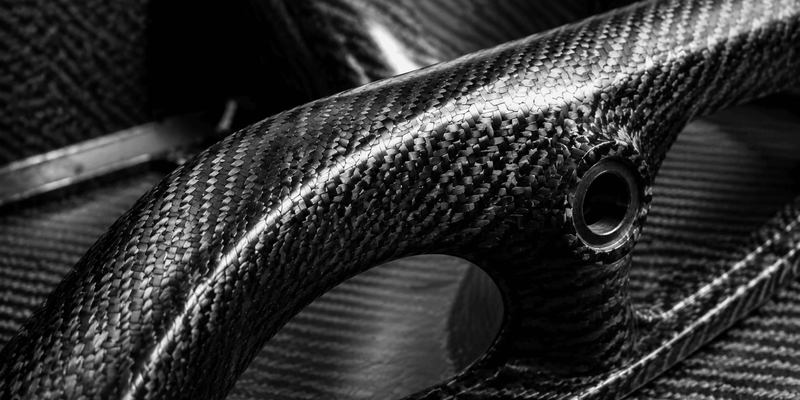
Researchers at the University of Córdoba's Plasma Innovation Laboratory developed two methods for depositing graphene onto metal surfaces using microwave plasmas at atmospheric pressure, but found that neither achieved sufficient adhesion between the graphene layer and the metal. The work advances graphene's potential as a corrosion-resistant coating for industrial applications such as fuel cell electrodes, while identifying adhesion as the key technical barrier to overcome.

Continuous Composites secured a US Army contract to manufacture missile components using its CF3D continuous carbon fiber 3D printing technology. The contract signals growing military adoption of continuous carbon fiber additive manufacturing as a replacement for traditional winding and molding processes in structural defense applications.
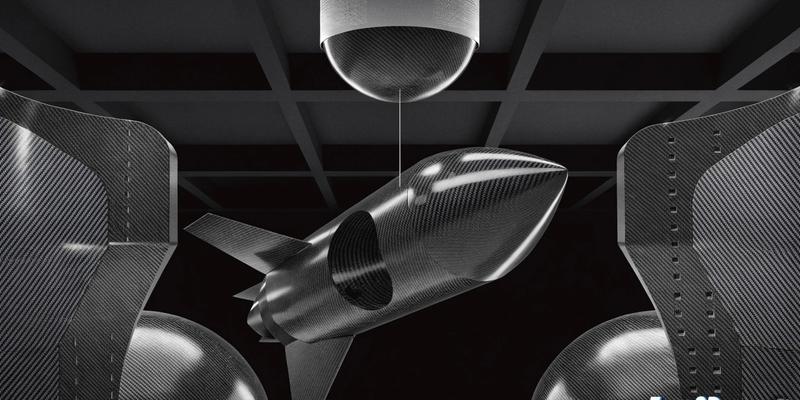
Terrance Barkan of the Advanced Carbons Council and Dr. Andrew Pollard of the UK's National Physical Laboratory discussed how measurement science, standardization, and materials verification underpin the commercialization of graphene and other advanced carbon materials. For the sector, the conversation highlights that without validated characterization methods and traceable measurement standards, reproducible manufacturing and scalable deployment of carbon nanomaterials — including graphene, carbon nanotubes, and emerging MXenes — remain unachievable.
Chinese researchers developed an ultra-black automotive coating combining nanoscale carbon black and carbon nanotubes that absorbs over 99.90% of light, withstands high humidity, and survived 10-day water submersion without visible degradation. The coating demonstrates a scalable production method for carbon nanotube-based finishes with improved adhesion, though long-term scratch, abrasion, and UV durability remain untested.

Fullerene C60, a cage-like carbon nanomaterial discovered in 1985, is under active research for applications in organic electronics, photovoltaics, lubricants, coatings, biomedical systems, and perovskite/silicon tandem solar cells. Within the advanced carbon materials sector, C60 occupies a distinct niche from fiber- or graphene-based materials, with its electron-accepting properties and molecular tunability driving continued interest in energy and specialty coating applications.
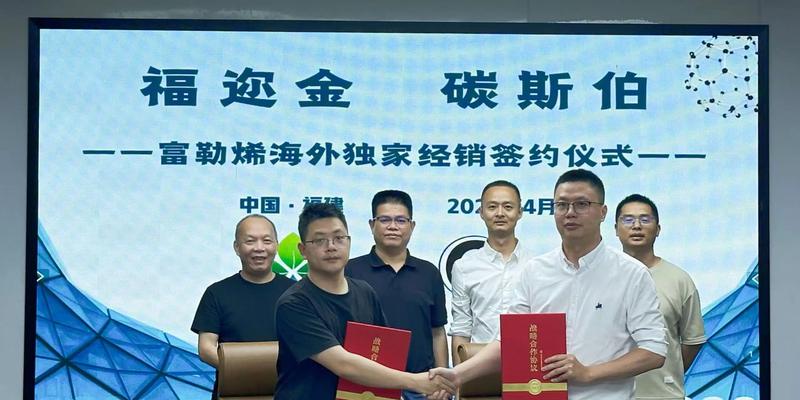
Researchers at POSTECH in South Korea engineered hollow silicon nanotube structures that reduced thermal conductivity by 70% compared to solid silicon nanowires by trapping phonons at near-room temperature. The approach uses abundant silicon compatible with existing semiconductor manufacturing, offering a potential alternative to rare-material-dependent thermoelectric devices for waste heat recovery in data centers, EV batteries, and industrial facilities.
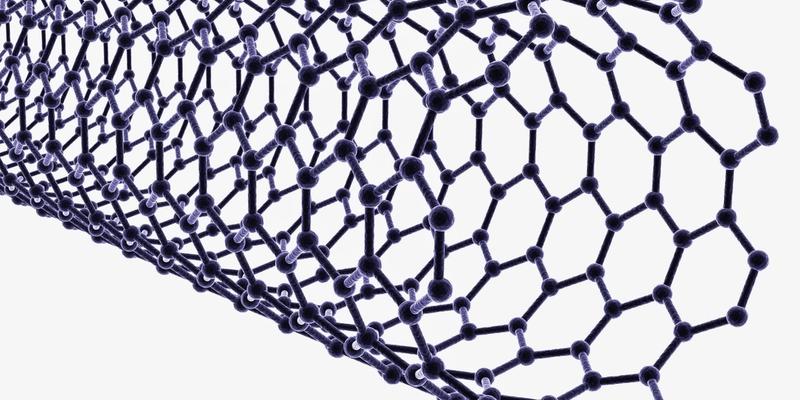
Canatu Plc restructured its leadership team on June 25, 2026, consolidating reporting lines directly to CEO Maximilian Slawinski and renaming its Automotive business unit to Robotics, Mobility and Defence. The reorganization signals Canatu's broadened market focus for its carbon nanotube products beyond automotive into robotics and defence applications.
Researchers at Shihezi University used phosphoric acid-activated walnut shell biochar to catalytically pyrolyze waste agricultural plastic mulch film at three temperatures (300, 350, 400 °C), finding that 350 °C maximized olefin selectivity at 69% while 400 °C reduced tar deposition and produced carbon deposits with lower activation energy for easier regeneration. The findings give biochar catalyst developers a temperature-based framework for balancing product selectivity against catalyst deactivation and regenerability in agricultural plastic pyrolysis systems.
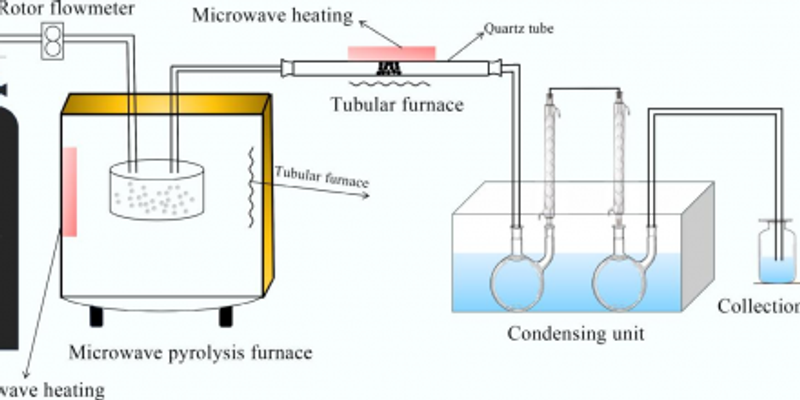
Graphene's single-atom-thick sheet structure forms strong in-plane covalent bonds that enable rapid heat conduction along its surface while limiting conductivity in the perpendicular direction, producing highly anisotropic thermal behavior. This directional heat management capability makes graphene-based thermal materials relevant for electronics cooling and composite applications where controlling heat flow pathways is a design requirement.

Researchers at the University of Johannesburg fabricated a three-layer nanocomposite photocatalyst (Ti1.33N@BiVO4/GdIn2Se3) incorporating a custom-synthesized MXene, achieving 20× greater electrical conductivity and charge-carrier lifetimes up to 59.5 seconds compared to single-component baselines. The MXene engineering approach demonstrates a pathway for improving charge-carrier retention in 2D carbon-adjacent materials, with direct relevance to MXene-based composite development for energy and environmental applications.
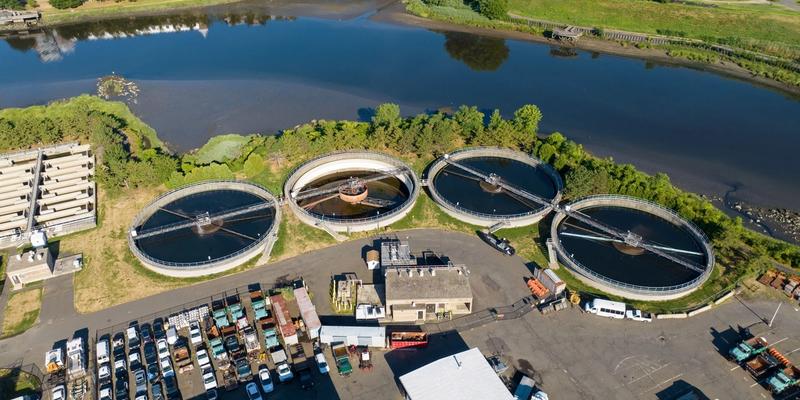
Researchers from Cambridge, Harvard, Caltech, and the Max-Planck Institute for Polymer Research used machine-learning simulations to study water confined between graphene and hexagonal boron nitride sheets, finding that confinement alone does not alter water's reactivity but that pressure and surface chemistry of the confining material are the controlling factors. For the carbon materials sector, the study establishes that graphene's chemically inert surface does not enhance water dissociation, while reactive surfaces like hBN do, offering a design principle for selecting 2D carbon and non-carbon materials in membranes, fuel cells, and electrochemical systems.
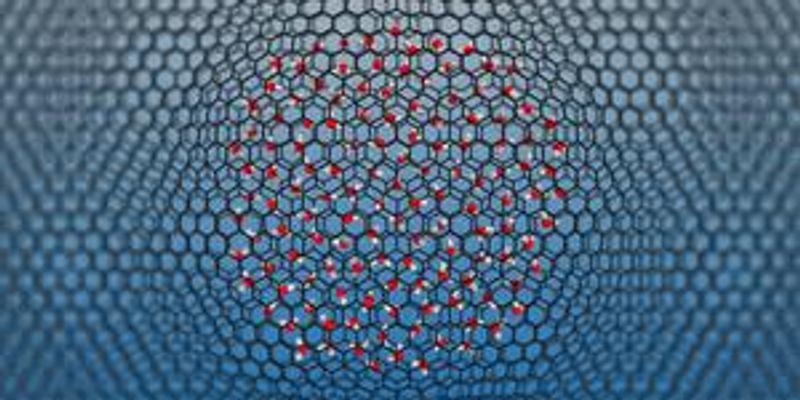
Researchers at the Max Planck Institute for Polymer Research, led by Yingke Wu and Tanja Weil, synthesized nanodiamonds of 3–4 nanometers from graphene fragments using high pressure and high temperature, publishing the results in Nature. The bottom-up method allows precise control over nanodiamond size, structure, and dopant atoms—such as nitrogen for vacancy centers or silicon for photoluminescence—which is relevant for graphene-derived carbon nanomaterials and quantum photonics applications.
Chohee Yang and colleagues published a study in npj Clean Water showing that copper-incorporated biochar synthesized under a CO₂ atmosphere removes 90.8% of bisphenol A via adsorption and achieves over 99% total degradation with peroxydisulfate, while the production process yields syngas comprising 94% of total gas output. The findings are relevant to the biochar sector as they demonstrate a pathway to engineer biochar with both high-performance catalytic water treatment capability and improved thermochemical energy recovery in a single production process.
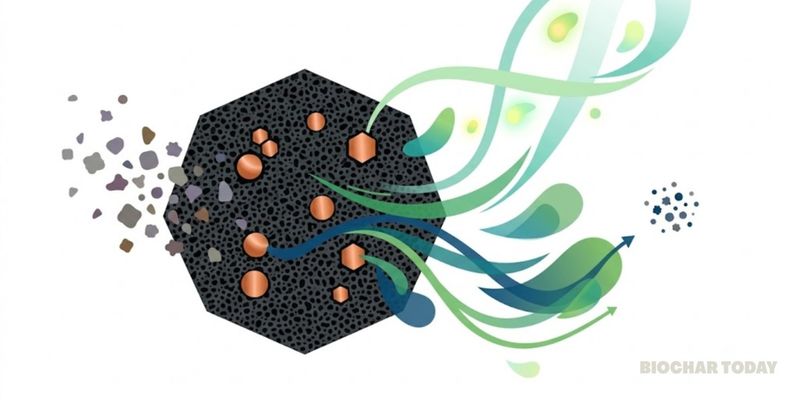
Yilmaz et al. tested pyrolysis conditions across 45 experiments using five agricultural waste streams—wheat straw, tomato waste, carnation stalks, banana residues, and vineyard prunings—finding that higher temperatures reduce yield but increase stable fixed carbon content, with feedstock type and peak temperature being the dominant variables. For the biochar sector, the results provide feedstock-specific processing parameters that directly inform production decisions where carbon stability and mineral retention are quality targets.
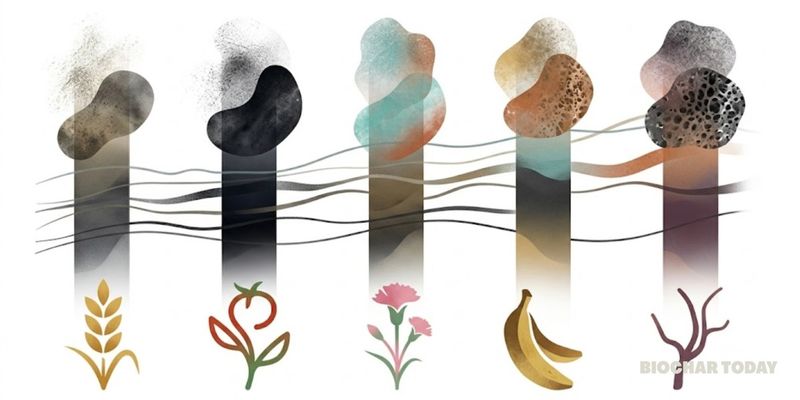
A study published in *Biochar* found that free and bound water in plant biomass reduce pyrolysis reaction intensity and increase biochar yield, with bound water lowering activation energy for hemicellulose decomposition while raising it for cellulose, and a 30% moisture content identified as a practical operating point. The findings give biochar producers a molecular-level basis for managing feedstock moisture to improve yield and char stability rather than treating water solely as a processing inefficiency.
Researchers at RMIT University published a study in the Journal of Cleaner Production showing that spent coffee grounds processed via pyrolysis into biochar can increase concrete strength by up to 30%. The finding is relevant to the biochar sector as it demonstrates a scalable pathway for converting organic waste into a functional carbon-based construction material, potentially reducing landfill volumes and demand for natural sand.

Researchers from the University of Exeter and Lund University published a Sustainability Hierarchy Framework that ranks environmental interventions by priority, placing reduction of extraction and consumption above downstream measures like recycling and offsets. The framework has no direct implication for the advanced carbon materials sector, but its push to redirect funding away from downstream cleanup toward upstream production limits is notable for industries reliant on fossil fuel-derived feedstocks such as carbon fiber precursors and synthetic graphite.
A review published in *Biochar* by Rasool et al. compared conventional and microwave-assisted pyrolysis, finding that microwave-derived biochars exhibit higher surface area, stronger mesoporosity, and greater retention of functional groups. For the biochar sector, the findings indicate microwave-assisted pyrolysis can produce more effective adsorbents for heavy metals and organic pollutants, though reactor scale-up and energy balance challenges must be resolved before industrial adoption.
Holcim conducted biochar concrete pilot projects across Europe in 2025, including test pours with Canary Wharf Group using biochar from forestry residues and coffee grounds, producing their first net-zero concrete mix. The trials signal a shift for the biochar sector from experimental additive to commercial-scale construction material, with Holcim describing it as a high-performance emissions-reduction input rather than a niche product.

A study published in *Biochar* (2026) found that both free and bound water in lignocellulosic biomass slow pyrolysis reaction intensity and increase biochar yield, with ~30% moisture content identified as a practical optimum balancing yield and energy demand. For the biochar sector, the findings provide a molecular-level basis for using feedstock moisture as a controllable process variable to tailor biochar yield and properties without pre-drying.
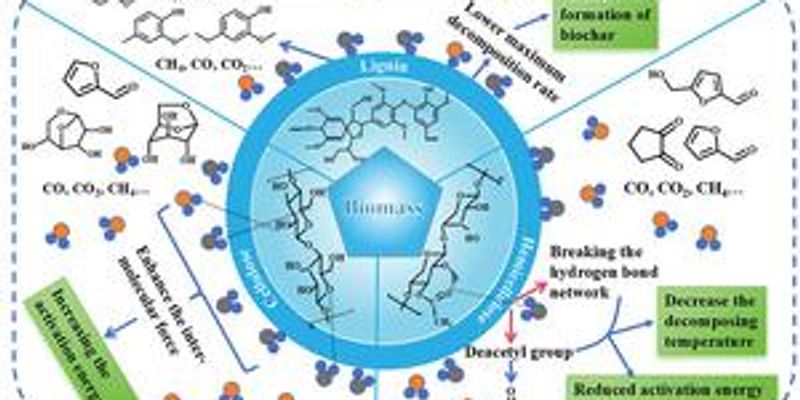
Researchers at Harbin Institute of Technology (Shenzhen) embedded sorghum straw biochar into a polyzwitterionic hydrogel and achieved a solar evaporation rate of 3.57 kg m⁻² h⁻¹ under one-sun irradiation, roughly 1.87 times higher than the biochar-free hydrogel. The study demonstrates that low-cost biomass-derived biochar can simultaneously enhance photothermal conversion, heat localization, and water molecule activation in hydrogel evaporators, offering a viable pathway for biochar use in solar-driven desalination materials.

Anton Paar launched the Brabender AbsorptoMeter, an automated instrument that measures oil absorption numbers (OAN and COAN) in powders including carbon black, recovered carbon black, graphene, and battery electrode materials, supporting ASTM and ISO test methods. The system automates a previously manual testing process for carbon black and graphene characterisation, with software-controlled titration, real-time torque monitoring, and enterprise data integration via OPC UA and Brabender WebAPI.
Alastair Collier, chief R&D officer of A Healthier Earth, argues in this op-ed that the carbon removal sector's primary obstacle is no longer technological but structural, citing fragmented credit markets, misaligned procurement timelines, and the absence of durable policy frameworks as the core barriers to scale. For the biochar and broader CDR industry, the piece highlights that integrating high-integrity removals into mechanisms like the UK and EU ETS could provide the long-term demand signals and price certainty needed to move projects from pilots to industrial-scale infrastructure.
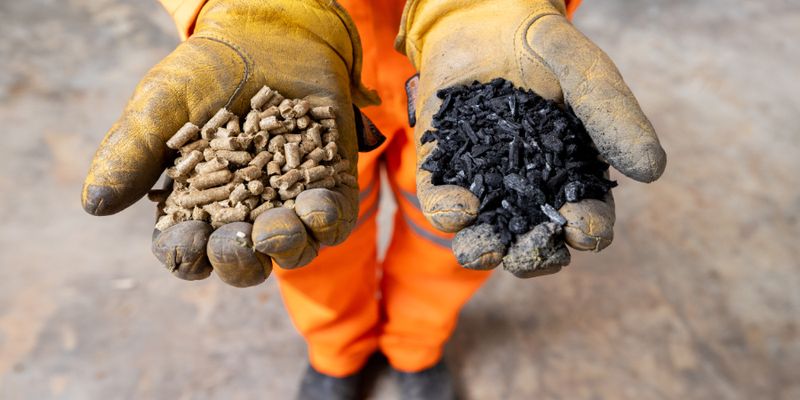
Petro Vietnam Paint will incorporate Sparc Technologies' ecosparc graphene additive into its PERAPHENE steel protective coatings range, following in-house and third-party testing that showed improved anti-corrosion performance, with commercial availability expected later in 2026. The adoption adds to ecosparc's growing commercial traction in the graphene-enhanced protective coatings sector, where graphene additives are being validated for marine, offshore, and industrial steel infrastructure applications.
The Advanced Carbons Council published an overview of graphene and other advanced carbon materials being adopted in construction, citing applications in concrete (Concretene, First Graphene, Versarien), asphalt, and corrosion-resistant coatings (Petronas). These developments indicate growing commercial deployment of graphene additives in construction materials, with documented performance gains in compressive strength, road durability, and steel protection at low material loadings.
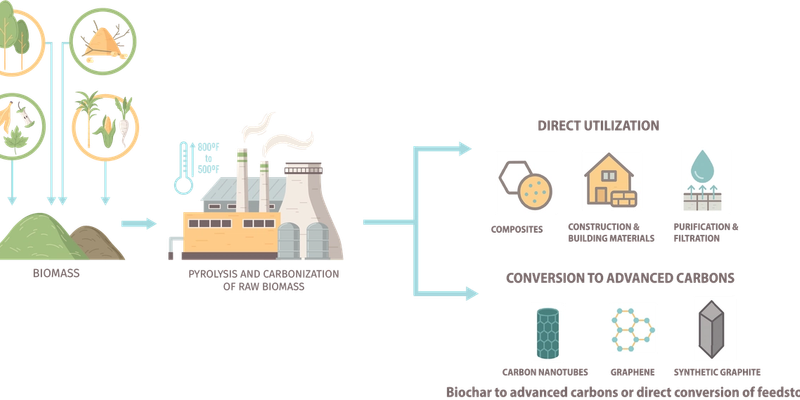
The Advanced Carbons Council highlights graphene and related carbon materials being adopted in construction applications including concrete additives (Concretene, First Graphene), graphene-reinforced 3D-printed components (Versarien), asphalt modification, and corrosion-resistant coatings (Petronas). For the advanced carbon materials sector, construction has emerged as a leading commercial deployment area, with multiple suppliers demonstrating validated, scalable products that improve strength, durability, and emissions performance without requiring major process changes.

Terrance Barkan of The Graphene Council published a framework mapping the commercialization maturity journey of graphene through stages from discovery to mature commercialization, identifying nine recurring obstacles including capital access, regulation, standardization, and value chain complexity. The framework positions graphene as approaching proven commercial viability in multiple application areas—including composites, construction materials, and thermal management—while arguing that its "killer application" lies in broad adoption as a performance-enhancing additive across sectors rather than in any single use case.
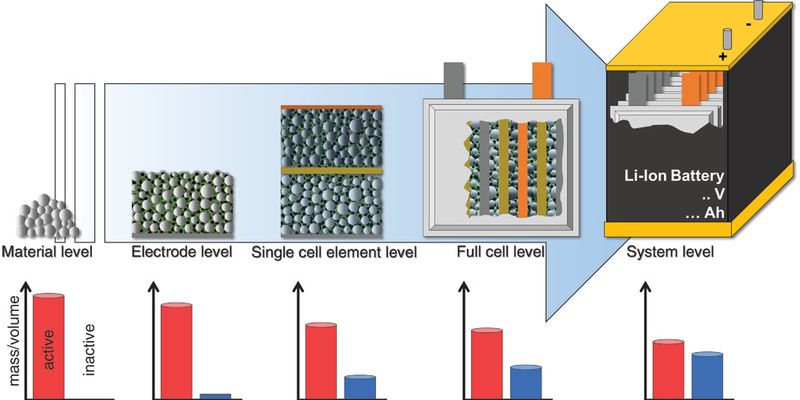
Sicona Battery Technologies validated 600 Wh/kg energy density in graphene-wrapped silicon anode pouch cells at its Wollongong pilot line, achieving 1,200-cycle retention above 80 percent capacity with a 200 MWh/year scale-up targeted for late 2027. The result advances graphene's role as a structural buffer for silicon anodes, a combination the carbon materials and battery sectors have pursued to overcome silicon's volumetric expansion problem at commercial scale.
Researchers at Brookhaven National Laboratory used a 36 Tesla magnet to observe a previously unknown flat-band state in pristine graphene that emerges at integer multiples of an applied magnetic field, publishing the findings in Physical Review Letters. The tunable band structure could inform the design of graphene-based Hall sensors and resistance metrology standards.

Scientists at the Hefei Institutes of Physical Science demonstrated a graphene-based terahertz modulator achieving 92% modulation depth at 0.4 THz and switching speeds approaching 100 GHz, with results published in Nature Photonics. The device's fabrication in standard semiconductor cleanroom processes positions graphene as a viable material for scalable 6G wireless components operating in the terahertz band.

Nanospan commercially launched GalvaShield-G, a graphene-enhanced corrosion inhibitor coating for offshore wind turbine towers and monopile foundations, priced at EUR 18 per litre and produced at its Hyderabad facility at 1,200 tonnes per annum capacity. The product demonstrates a commercial application of graphene in protective coatings for harsh marine environments, with third-party-validated maintenance interval extension from 5 to 12 years supporting the case for graphene's functional value in infrastructure composites.

Tsinghua University researchers published a CVD process in Nature Materials that produces single-crystal graphene across 12-inch silicon wafers with defect densities below 1%, using a copper-nickel alloy substrate and a dry-transfer method, achieving carrier mobilities above 16,000 cm²/V·s. The process is compatible with existing semiconductor fab infrastructure and has been licensed to SMIC and TSMC, advancing the prospect of graphene integration into commercial microelectronics manufacturing.

Researchers at the National University of Singapore developed monolayer amorphous carbon (MAC), a two-dimensional material with toughness measured at eight times that of graphene's ~130 GPa tensile strength benchmark. The finding suggests that engineered structural disorder in carbon nanomaterials may offer performance advantages over crystalline perfection, with potential implications for composite reinforcement and next-generation carbon material design.
Researchers from the University of Warwick, University of Nottingham, and Diamond Light Source grew graphene films with controllable defect densities using a molecule called azupyrene, which naturally incorporates five- and seven-membered carbon rings, with defect levels tuned by growth temperature. The method gives the graphene sector a reproducible route to engineer surface reactivity, with direct implications for graphene-based catalysts and gas sensors.
Inspire Nano licensed its graphene-coated copper electrode platform to Furukawa Electric for Asia-Pacific high-frequency signal transmission applications in a deal worth $9 million upfront plus royalties. The graphene coating reduces skin-effect losses at frequencies above 1 GHz by 22 percent, with direct relevance to graphene commercialization in 5G/6G infrastructure and data center cable markets.

Peking University researchers developed a graphene-coated lithium metal electrode that allows solid-state batteries to retain 92% capacity after 5,000 cycles, with findings published in Joule. The graphene coating's role in suppressing dendrite growth at the lithium-sulfide electrolyte interface advances a known barrier to commercial solid-state battery adoption, with scale-up trials planned with two Chinese manufacturers for late 2026.

A Korea University team led by Professor Lee Ji-hye grew 4 cm × 4 cm single-crystal graphene domains on copper foil via modulated CVD with hydrogen pressure cycling, surpassing the previous ~2.5 cm record, as reported in Nature Nanotechnology. The grain-boundary-free films, compatible with existing industrial CVD reactors, achieve carrier mobilities up to 600,000 cm²/V·s, advancing the viability of large-area defect-free graphene for high-performance electronics.
Researchers at the Institute for Basic Science and Korea University used machine-learning interatomic potentials to demonstrate that pristine graphene is intrinsically hydrophobic, with apparent hydrophilic behavior in prior experiments caused by water molecules intercalating beneath monolayer graphene and canceling spectroscopic signals. The findings clarify graphene's true interfacial properties, with direct implications for graphene-based desalination membranes, nanofluidic devices, and fuel cells where unintended water intercalation must be accounted for in design.
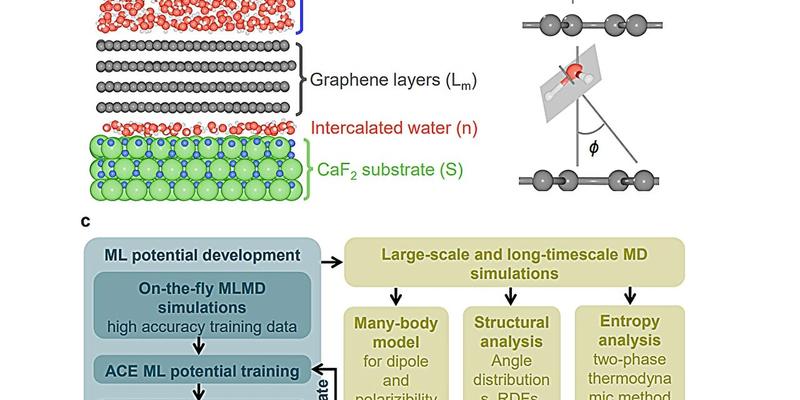
Hong Kong-based Graphene-X, founded by Jorge Barros in 2019, built a multi-million-dollar apparel brand around graphene-infused fabrics, generating $500,000 in Kickstarter pre-sales and partnering with Shanghai-based certified graphene producer Kyorene to develop graphene-woven yarns for products ranging from shell jackets to polo shirts. The brand demonstrates a viable commercial pathway for graphene in consumer textiles beyond its established industrial uses in electronics, batteries, and composites, with major outerwear players including Arc'teryx, The North Face, and Stone Island also integrating the material into their pipelines.

Graphene Manufacturing Group (GMG) submitted a Significant New Use Notice (SNUN) to the US EPA on June 2, 2026, seeking authorization to manufacture, distribute, and sell graphene coatings, lubricants, and fluids domestically in the United States, with approval expected by end of June 2027. The filing marks a shift from export-only access to domestic graphene production in the US, which could establish a local graphene supply chain for industrial applications including HVAC coatings and engine lubricant additives.

A research team at Osaka University built a graphene nanoribbon-based gas sensor capable of detecting individual CO2 molecules at ambient pressure, achieving detection limits below 10 parts per trillion, as published in Nature Materials. The result demonstrates graphene nanoribbons as a viable platform for ultra-sensitive gas detection, with potential applications in environmental monitoring and medical breath analysis.

Researchers at EMPA demonstrated a graphene-composite leading-edge skin that reduces aircraft de-icing energy consumption by 60%, achieving ice shedding at 5 W/cm² in panels tested at -25°C and 240 km/h after 1,200 cycles without delamination. The result advances graphene's case as a functional heating element within carbon-fibre-reinforced polymer structures for aerospace applications, with EMPA now scaling production toward trial integration in a commercial trainer aircraft.

CSIC researchers developed an 18-micron graphene-polymer composite separator combining polypropylene with 0.5 wt% reduced graphene oxide, achieving 4x greater puncture resistance and a 60% reduction in thermal-runaway initiation temperatures in lithium-ion batteries. The development advances reduced graphene oxide as a functional additive in battery separators, with pilot-scale production underway alongside a Spanish cell manufacturer targeting NCM-based EV applications.
A team at the National University of Singapore developed a graphene field-effect transistor biosensor that detects four oral cancer biomarkers from saliva in 90 seconds, achieving 94.2% sensitivity and 91.8% specificity in a 220-patient clinical pilot. The device demonstrates a scalable diagnostic application for functionalized graphene, with a spinout company pursuing commercialization and a projected per-test cost under 4 USD.
The University of Exeter's Centre for Graphene Science demonstrated a graphene-zinc oxide heterostructure UV photodetector with an 8-nanosecond response time at 365 nm, 10x faster than commercial silicon devices, as published in Advanced Materials. The result advances graphene's case as a functional material in high-speed optoelectronics, with Hamamatsu Photonics engaged for industrial-scale validation and patents filed across three jurisdictions.

NeoGraf commissioned a new production line at its Lakewood, Ohio facility, adding 2,000 tonnes per annum of flexible graphite sheet capacity funded by a $38 million investment, bringing its total to 11,000 tonnes per annum. The expansion increases domestic supply of high-purity exfoliated graphite sheets for EV battery thermal management, where the material's in-plane thermal conductivity above 600 W/m·K at low density addresses a critical requirement for North American automotive manufacturers.

GraphEnergyTech, the University of Cambridge, Taiwan Perovskite Solar Corporation, and ITRI launched the GETPSC project to develop graphene-based electrodes as a replacement for silver electrodes in perovskite solar cells. The project targets a known barrier to commercial-scale perovskite adoption, with potential secondary applications for GraphEnergyTech's conductive carbon technology in batteries, supercapacitors, and electronics.
Premier Graphene Inc and Mitsubishi Pencil Company signed a joint development agreement to co-develop graphene-based conductive inks for printed electronics, targeting two co-branded product launches in late 2026 with a combined first-year revenue target of 12 million USD. The deal advances commercial adoption of single-layer graphene dispersions in printed electronics applications such as RFID tags, smart packaging, and biosensor electrodes.

Harvard researchers demonstrated a nanoporous single-layer graphene membrane that desalinates seawater at 40% lower energy than reverse osmosis, achieving 99.4% salt rejection over 1,000 hours at 12 bar, published in Science. The result advances graphene's viability as a functional membrane material at scale, with a 100 m³/day pilot plant planned in Carlsbad, California in collaboration with Suez Environnement and IDE Technologies.
Researchers led by Elisa Riedo at NYU applied mechanical pressure via nanoindentation to nitrogen-doped CVD bilayer graphene at room temperature, inducing a partial transition to diamond-like sp³ bonding that nearly doubled film stiffness, as reported in Advanced Materials Technologies. The use of standard CVD graphene and mild processing conditions makes this phase-transition pathway potentially compatible with industrial-scale fabrication of ultrathin wear-resistant coatings in the graphene and advanced carbon materials sector.
HydroGraph Clean Power received US EPA TSCA Section 5(e) clearance for two turbostratic graphene materials (P-24-0086/P-24-0087) alongside UK REACH and EU REACH registrations, authorizing commercial manufacture and supply across the US, UK, and EU. The approvals remove a key regulatory barrier for graphene commercialization in three major markets, allowing customers to scale up applications under defined compliance conditions.
Advanced Graphene Products has begun supplying ISO 10993-certified graphene oxide from its Zielona Gora facility to Boston Scientific under a $4.2 million contract for a two-year, 480-patient FDA-approved clinical trial of antimicrobial-coated cardiac catheters. The trial represents a direct application of graphene oxide in regulated medical devices, with a potential commercial supply pathway if Boston Scientific proceeds to FDA submission.

Graphene Manufacturing Group (GMG) partnered with Australian Supercars team Tickford Racing to trial GMG's liquid graphene products, including G Lubricant and THERMAL-XR, across Tickford's workshop and event infrastructure. The partnership provides GMG with a real-world performance testing environment to generate documented case studies validating its graphene-based lubricant and thermal products for broader industrial customers.

Calgary-based Carbonova closed a $25M Series B led by BDC Capital to build a 1,500-tonne-per-year graphene nanotube and hydrogen demonstration plant in Calgary, targeting commissioning in late 2027. The process targets a delivered graphene cost under $35/kg, which, if achieved at scale, could pressure pricing across the carbon nanotube and advanced composites supply chain.

Researchers at the Indian Institute of Science published a graphene quantum dot LED achieving 23% external quantum efficiency in the blue spectrum in Nature Photonics, using sulfur-functionalized, size-controlled graphene quantum dots to reduce non-radiative recombination. The result advances graphene quantum dots as viable blue emitters for display applications, with the team already collaborating with Samsung Display on integration into commercial display stacks.

Researchers developed a graphene origami method using a polymer micro-tip to fold and twist graphene on silicon dioxide substrates, producing controlled stacking and twist-angle configurations from a single sample. The technique offers a more stable and cost-effective alternative to tear-and-stack fabrication for accessing quantum states in twisted few-layer graphene, which is relevant to graphene-based materials research.
Levidian and Zentek have signed an agreement to explore building a graphene-integrated manufacturing facility in the Middle East, combining Levidian's methane-derived graphene production with Zentek's graphene-enhanced air filters. The deal signals growing regional demand for graphene-enhanced products and positions the Middle East as an emerging hub for graphene manufacturing and deployment across multiple industries.
Argo Graphene Solutions Corp. completed its first graphene-infused concrete test pour of 12.5 cubic meters in Bristol, Tennessee, and launched a second pour of 15 cubic meters at the same site, with compressive strength testing scheduled at intervals through Day 56 per ASTM C39 standards. The project provides field-scale data on graphene's performance in cement matrices, targeting up to 30% gains in compressive and tensile strength, which could support broader commercial adoption of graphene in construction materials.

HydroGraph added Hubron International, a Manchester-based masterbatch and conductive polymer compounder with over 90 years of experience, to its Fractal Graphene Compounding Partner Program on February 10, 2026. The partnership gives HydroGraph access to Hubron's global distributor network and established carbon nanomaterial processing capabilities, supporting broader commercial adoption of graphene in thermoplastic applications across automotive, electronics, and other sectors.

SK On signed a five-year, $180 million supply contract with Hansolchemical for 4,500 tonnes per annum of graphene additive for NCM811 cathodes, with shipments starting Q1 2027. The deal signals growing industrial-scale demand for graphene as a functional cathode additive in EV batteries, and will require Hansolchemical to expand its Gumi facility beyond its current 1,200 tonne per annum capacity.

Levidian and Graphmatech announced a partnership to co-develop graphene-based polymer composites for hydrogen applications, including pipelines and pressure vessels where graphene reduces hydrogen gas leakage by up to 83%. The collaboration combines Levidian's graphene production with Graphmatech's dispersion technology, targeting a growing market for high-performance composites in the hydrogen sector.
First Graphene and Halocell Energy, in collaboration with Queensland University of Technology, reported that adding First Graphene's PureGraph graphene product to Halocell's perovskite solar cells raised efficiency to 30.6% and cut production costs by up to 80% by replacing gold and silver conductors via roll-to-roll processing. The result demonstrates a commercial application for graphene as a functional coating material in photovoltaics, with cost and efficiency metrics that could accelerate perovskite cell adoption over conventional silicon.
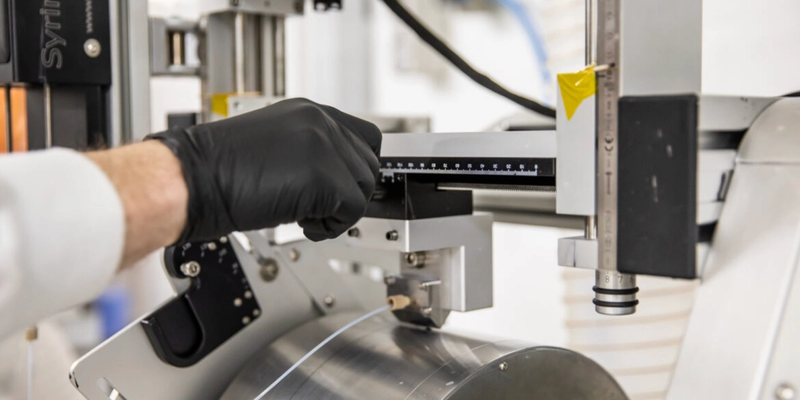
Lancaster University has filed patents on a graphene oxide-enhanced concrete mix using 0.025 wt% graphene oxide that reaches 52 MPa compressive strength with 30% less Portland cement. The development indicates a scalable construction application for graphene oxide that could expand commercial demand for the material while reducing concrete's carbon footprint by 23% per cubic metre.
Researchers developed a 3D porous solar evaporator using recycled carbon fiber combined with a CuO/reduced graphene oxide photothermal layer to improve solar-driven water evaporation performance and salt resistance. The work demonstrates a pathway for valorizing recycled carbon fiber as a functional substrate in graphene-based photothermal composites, linking carbon fiber recycling with emerging solar evaporation applications.
Phoenix EOD has released Kronos, a graphene-infused ceramic clear coat aimed at automotive and industrial surface protection, claiming improved hardness and durability over conventional ceramics.